

Vehicle dashboard warning lights are important indicator systems that inform the driver about the vehicle’s operating condition and warn of potential malfunctions in advance. These symbols, which light up when you turn on the ignition or while the vehicle is in motion, provide information about many components such as the engine, brake system, battery, oil pressure, tire pressure, and electronic safety systems. While some warning lights are for informational purposes only, warning lights that illuminate in red in particular may require the vehicle to be stopped safely.
In this comprehensive guide, you can review vehicle dashboard warning lights and their meanings with pictures; learn what the engine fault light, ABS light, ESP light, battery warning light, oil pressure light, temperature gauge and all other car warning lights mean. You’ll also find practical information about when each warning light comes on, whether you can keep driving, and what initial checks you should make.
Although dashboard designs vary slightly between vehicle manufacturers, most of the symbols used conform to international standards. Therefore, the information here serves as a general reference for automobiles, light commercial vehicles, and many different makes and models.
Dashboard Warning Lights
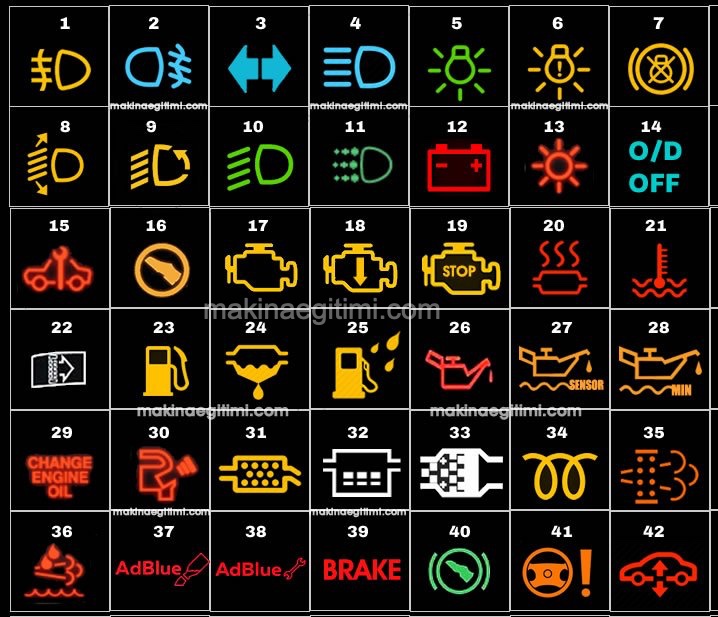
Warning lights related to exterior lighting

This symbol means the front fog light is on.

This indicator on the car dashboard means the rear fog lights are on.

If you see this symbol on the car’s front panel, it means the turn signal is on. It lights up when the hazard lights are on. It’s usually used in emergencies, when stopping, and when parking.

This warning light means the high-beam headlights are on.

Green bulb. In the car, this warning light means the low beams, turn signals, or brake lights are on or faulty

Orange bulb, meaning one of the park, brake, rear fog, turn signal, interior lighting, license plate lights, or daytime running lights is faulty

The exterior brake bulb symbol on the car dashboard means the exterior brake bulb is faulty.

This symbol on the car’s front panel means there is a headlight level control system fault.

This symbol on the car’s front panel is the adaptive light system warning light. Your vehicle’s headlights will automatically adjust the high/low beam angle according to the road conditions.

Low beam symbol. This symbol appears on the front panel when the low beams are on

The DRL symbol tells you the vehicle’s system is turning on the low-beam headlights while operating in daylight.

This symbol appears in cases such as a dead battery, battery fault, or alternator (charging dynamo) fault. If the battery light stays on while the engine is running, there’s a problem.
See details: Why does the battery fault light come on? Battery fault symptoms

A red car dashboard light resembling the sun. Indicates an exterior light isn’t working properly. This type of dashboard indicator is a non-urgent warning.

A blue or reddish O/D OFF warning light. Means Overdrive Off.
This symbol shows that the vehicle’s overdrive system has been manually turned off.

Indicates a lighting or other electrical problem controlled by the BCM (body control module). Check all lights. This symbol can also indicate a traction control issue or a communication problem between modules
Engine-related dashboard warning lights

Orange circle with a shoe. If you see this warning light on your vehicle’s front panel, press the brake pedal so the engine can start.

This warning light comes on and off when the vehicle first starts. If this warning light comes on while the vehicle is moving, or doesn’t turn off after starting, your vehicle needs to be taken to a service center urgently. If it’s flashing, you should have your vehicle checked by a service center.

If you see this symbol on your vehicle’s front panel, it means the engine control computer has limited engine power output. This issue usually requires diagnosis with a professional scan tool.

It initially lights up during ignition, but should turn off once the engine is running. If the light comes on while driving, stop as soon as it is safe to do so and contact an authorized vehicle technician

This vehicle warning light means there is a catalytic converter system fault.

Engine coolant is overheated. This warning indicator lighting up means the engine has overheated. When the temperature warning light comes on, you must stop the vehicle immediately and wait for the engine to cool down.
Fuel and lubrication related warning lights

Engine air filter is dirty or old — this is what this vehicle warning light means.
Dashboard indicators in your car are there to extend its lifespan and protect your driving safety. Please pay attention to them.

This car dashboard warning light means the fuel is running low. It is yellow when fuel is low, turning red as it nears empty. You can typically drive another 20 to 40 km after it turns yellow.

Vehicle dashboard indicators meaning the engine fuel filter is dirty or faulty.

One of the car warning lights related to the fuel filter. This indicator light means the water in the fuel filter has reached maximum capacity. Drain the water from the filter.

Red oil can symbol. Usually accompanied by 3 beeps. Oil level is low. If this warning light is on on your dashboard, you should stop the vehicle immediately, check the oil level with the dipstick, add oil until it reaches a sufficient level, and notify an authorized service center. Sometimes this warning light can also come on due to clogging caused by poor-quality oil, even if the oil level itself is sufficient

Oil can symbol with the word SENSOR next to it. Comes on with a single beep. This means there is a problem with the oil level sensor. You should check the oil level to be sure; if the oil level is fine, either the sensor has failed or there is damage to the sensor wiring. Faulty wiring can also cause this issue.

Oil can symbol with a YELLOW warning and the text “Min” next to it, together with a single beep. This means the oil level has reached the minimum threshold. It’s not a highly urgent warning. However, it means you need to add oil as soon as possible.

CHANGE ENGINE OIL
Change Engine Oil warning. Indicates the engine oil’s service life is up and it’s time for an oil change.
Related topic: How to check engine oil

The fuel cap warning light indicates the fuel cap isn’t properly tightened. If left unaddressed, the Check Engine light will often come on as well.
Dashboard indicators specific to diesel vehicles

This warning light, found in diesel vehicles, coming on means the diesel particulate filter is overloaded with soot. Driving your vehicle in 4th or 5th gear above 2000 rpm for 20 minutes will clean the diesel particulate filter. If it still doesn’t turn off, it would help to visit a service center.

The light comes on when the ignition is turned on and turns off after a few seconds. If the light comes on while driving, it indicates there is water in the diesel. When you see this type of warning light, you should contact an authorized vehicle technician as soon as possible.

This vehicle warning light indicates a risk of the diesel particulate filter becoming saturated. To clean the particulate filter, drive your vehicle at an average speed of at least 40 km/h continuously for about 20 minutes until the warning light turns off.
See details: How to clean a diesel particulate filter

In diesel vehicles, this warning light indicates the glow plugs are heating up and that the engine should not be started until this light turns off. If the glow plug fails, white smoke may come from the exhaust when starting the vehicle until the engine reaches the proper temperature. This means the glow plugs need to be replaced.

DPF Light (Diesel particulate filter warning symbol for diesel vehicles):
The diesel exhaust particulate filter test failed and the vehicle needs to be seen by a service center.
Related article: Diesel Particulate Filter Fault and Symptoms

DEF Light (for diesel vehicles):
Warning light meaning the diesel exhaust fluid level is low.

AdBlue Tank Empty
One of the dashboard lights found on some diesel vehicles. Meaning: you need to refill the tank with more exhaust fluid.
See related article: Why Does the AdBlue Warning Appear on the Vehicle Dashboard?

AdBlue Fault
This indicator light means the AdBlue system is malfunctioning or the system hasn’t been filled with the standard fluid.

Red BRAKE text. This dashboard indicator means the brake fluid is nearly empty. If your brake fluid was changed recently, this could mean there are leaks or worn brake pads causing the problem.
Warning lights related to mechanical components

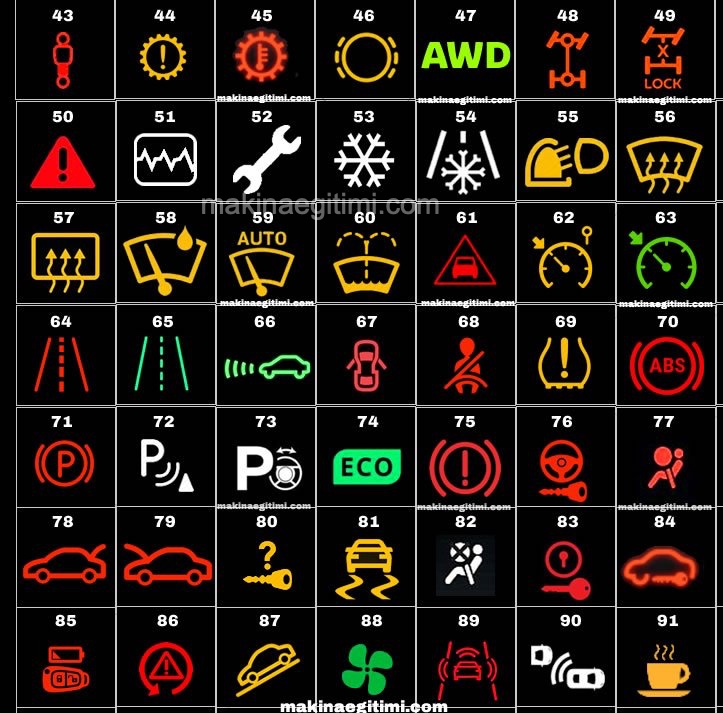
This dashboard indicator is only found in automatic transmission vehicles. It indicates you need to press the brake pedal for the automatic gear shifter to work.

Exclamation mark next to the steering wheel. Hydraulic power steering system problems.

Red car, up and down arrows.
There’s a problem with the air suspension. The compressor isn’t generating enough pressure, or there’s an air leak.

Dashboard light indicating a fault in the suspension system

Yellow exclamation point inside a gear. This warning light appears if there is an automatic transmission problem. May appear in red for a gearbox/transmission fault.

Thermometer inside a red gear. Warning symbol meaning the transmission is operating at an improper temperature. Check the transmission fluid level and engine coolant level. Let the vehicle idle in Neutral for 5 minutes to cool down.

This warning light appears if the brake pads are worn. Additionally, if the pads are replaced but the brake pad sensor isn’t replaced, this fault indicator will also appear on the dashboard. (Only for vehicles with brake pad sensors)

All Wheel Drive. This symbol tells you your vehicle is now operating in four-wheel drive. When lit, torque is distributed equally to all wheels. It can also turn amber, in which case it indicates the AWD system is experiencing some problems.

A dashboard warning light indicating a fault in the AWD or 4WD system

This in-car dashboard light indicates the vehicle’s 4WD Lock mode is active.

Main warning light
Exclamation point inside a red triangle. This indicator light is usually accompanied by another warning light and indicates that one or more warning systems have been detected.

ELECTRONIC FAULT WARNING
A heartbeat-shaped dashboard warning light. It lights up initially at ignition and turns off after a few minutes. If the light comes on while driving, there’s a fault in the injection computer or the automatic transmission system. Consult your vehicle’s authorized technician

White illuminated key symbol. This indicator lights up when a powertrain or AWD fault is detected. Contact your mechanic as soon as possible
Weather-related warning lights and indicators
Some warning lights are integrated with electronic systems designed for the driver’s road safety and comfort.

White snowflake symbol. Winter mode button, which you should use on icy and slippery roads.

Symbol showing outside weather conditions. This type of in-car indicator is designed together with certain electronic systems for the driver’s road safety and comfort.

A light and rain sensor that calculates the refraction and reflection of light during rainfall and reports it to the control unit.

This warning light appears on the dashboard if the windshield’s defrost feature is active.

This warning light on your car appears if the rear window defroster is active. The heating element in the rear window warms the glass in winter against icing and fogging. Not used in summer.
Related topic: How to repair a car rear window defroster element

Yellow-orange wiper symbol.
One of the weather-related car warning lights. This indicator light comes on if the rain sensor is active.

Yellow-orange wiper symbol with the text AUTO on it. This is also among the weather-related in-car indicators. It means the automatic wiper is active.

A symbol indicating the windshield washer fluid (wiper fluid) is empty and needs to be refilled
Dashboard warning lights are for your driving safety
Warning lights related to driving and driving safety

This vehicle warning symbol is the following-distance warning indicator.

Warning meaning the speed limit has been exceeded (for vehicles with a speed limiter).

Among the warning lights related to driving and driving safety. This warning light appears when cruise control is on.. (Cruise control system)

Red road symbol. This on-screen indicator appears if you change lanes without signaling. There are several versions of the lane assist light.

Green road symbol. This indicator lights up when the lane assist system is turned on and lane markings can be detected.

A vehicle indicator meaning adaptive cruise control is on
RELATED ARTICLE: What Is Adaptive Cruise Control (Speed Control System) and How Does It Work?

On-screen indicator meaning one of the doors is open.

Dashboard indicator meaning the seatbelt isn’t fastened.

Dashboard warning light meaning your vehicle’s tire pressure is low or there is a system problem

ABS warning light. If it doesn’t light up when the ignition switch is in the “ON” position, doesn’t turn off after lighting, or comes on while driving, it means there is a fault.

Parking brake engaged. This light comes on when you park and fully stop your vehicle and shift into “Park” (for automatic transmission vehicles — to avoid stressing the transmission, it’s recommended to shift to Neutral first, apply the handbrake, then shift to P). If the light stays on after you release the handbrake, there may be an issue with the hydraulic brake components, or the brake fluid in the master cylinder may be low.

Parking assist system dashboard indicator.
Related topic: What Is Active Park Assist and How Does It Work?

Parking with Park Assist Pilot. This indicator light shows the Park Assist Pilot is active.

The ECO indicator, showing you are driving economically.

This warning light on the dashboard normally comes on when you apply the handbrake. If it appears continuously, make sure the handbrake is fully released. There may be a problem with the brake system. In that case, check the brake fluid. Top it up if it’s low. However this may still mean a trip to the service center is needed. If the fluid level has dropped, it means either your brake pads have reached the end of their life or there’s a leak in the system.

Key symbol below the steering wheel. Steering lock warning. If yellow, take the vehicle to a service center; if red, do not drive it under any circumstances.

If this light comes on or flashes on the vehicle’s front panel, there is a fault in the airbag or seatbelt system

Dashboard indicator meaning the trunk lid is open.

This warning light on the dashboard appears if the hood is open. This type of dashboard indicator and warning light is designed with the safety of the vehicle owner and the vehicle in mind.

Warning light meaning the key isn’t in the vehicle. It can also mean the key’s chip wasn’t recognized. (See: Immobilizer fault)

Traction Control System light
This indicator light comes on when the vehicle’s TCS (traction control system) is activated. It’s generally an indicator that conditions are slippery. For more information,
See: Why does the traction control system light (TCS light) come on

A person sitting in a seat with a cross symbol. One of the driving-safety-related warning lights. This warning symbol appears if the airbag system is off.

Ignition Key Warning
This indicator light means there is a problem with the ignition system or the vehicle key. May be caused by a malfunction or a worn key.

Safety warning: If the symbol lights up momentarily, the ignition switch is locked and requires a key with the proper transponder hardware to restart. If the symbol appears while the vehicle is running, it typically indicates a fault in the security system.

Key Fob Battery Low
This indicator light lets you know when your key fob battery needs to be replaced, so you can keep using the remote.

ESP (Electronic Stability Program) fault warning: Indicates there’s a problem with the vehicle’s traction control / anti-skid or electronic stability system

Downhill assist on warning light.
Related article: What is Hill Descent Control (HDC) and how does it work

Dashboard light indicating the interior ventilation is running

Forward Collision Warning. This dashboard light comes on when a potential collision is detected. This warning light will turn off once the collision risk has passed. Related article: What Is the Vehicle Collision Avoidance Support System

This indicator light comes on when a vehicle or obstacle is detected in the blind spot.

Coffee cup symbol. You need some rest. Maybe a coffee break.
In this article, we covered vehicle dashboard warning lights and their meanings. Most modern motor vehicles have these warning lights as standard. Of course, depending on your vehicle’s class and model year, some warning symbols may not be present in your vehicle. Car warning lights and indicators are designed for safe driving and long-term use.
This content was prepared by an automotive technology instructor.
Last updated: July 2026
Sources:
SAE, Bosch, Toyota, Volkswagen, Hyundai service manuals
Related Posts
 Diagnosing and Fixing Shock Absorber Faults
 Why Is the Exhaust Emission Value High, How Can It Be Lowered?
 Spark Plug Oil Fouling: Causes and Symptoms
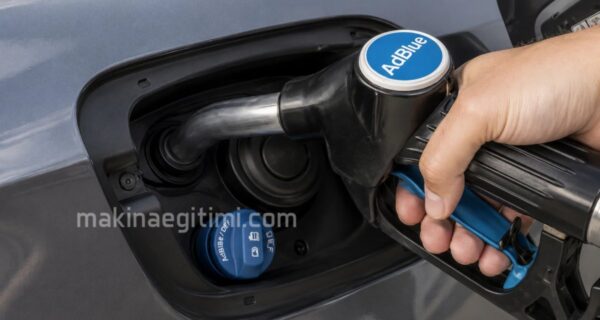 What Is AdBlue, What Does It Do?
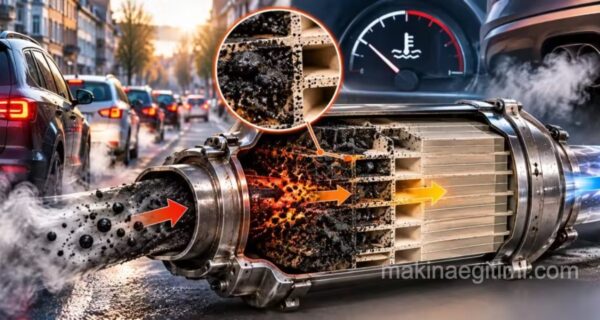 Diesel DPF Problems Explained: Why Short Trips Kill Your Particulate Filter
 The Best 5 Vehicle Maintenance Tips for Summer Vacation
 Why Doesn’t the Engine Start? Reasons the Engine Fails to Start.
 Why Does the Traction Control System Light (TCS Light) Come On?