

Summer season. A great time to head to the beach or go camping in the woods. However, before you take advantage of that wonderful summer weather, you need to make sure your car is in good shape. After all, you don’t want your vacation plans interrupted by a breakdown, do you?
By following these simple summer vehicle maintenance tips, you can avoid costly car repairs!
Check Your Tires
Your tires are the only part of your vehicle that’s actually in contact with the road, so it makes sense to keep them in the best possible condition. Under- or over-inflated tires are dangerous and can cause excessive tread wear.

To ensure correct tire inflation, check your tires monthly and set the pressure according to the placard on the driver’s door jamb.
Make sure you have at least 3 mm of tire tread remaining (have a mechanic check if you’re not sure). If the tread depth is below 3 mm, your tires need to be replaced.
Fix the Check Engine Light
The most common problem you might run into is an illuminated Check Engine light. It tells you your car isn’t quite right in some way, but it doesn’t always point to exactly what the mechanical issue is.

Avoid the urge to ignore your Check Engine light. Even if the issue is as minor as a loose gas cap, it could turn into a major problem that costs quite a lot if not addressed quickly, or worse, leaves you stranded.
Tire Pressure Check
Since tire pressure can change due to hot asphalt in summer, regular checks are recommended.
Engine Oil Change Interval
Standard engine oils generally need to be changed every 10,000-15,000 km; this interval can be longer for synthetic oils.
Importance of A/C Maintenance
Checking the A/C refrigerant and filter before a summer trip matters for comfort on long journeys.
Change the Engine Oil
Engine oil is your car’s lifeblood. It serves many purposes, such as cooling your engine, lubricating internal components, and preventing corrosion inside your engine. If your oil is low or dirty and you ignore it, you could find yourself stuck on the side of the road with the hood up, waiting for a tow.

While summer is a great time to do this, your engine oil should be changed regularly according to your manufacturer’s maintenance schedule. While you’re at it, check your transmission fluid, engine coolant, and other fluids.
Keep Your Car Clean
A clean car comes with a sense of pride, but there’s more to it than that. Keeping your car clean can help prevent premature corrosion and hidden damage that can shorten your vehicle’s lifespan.
If possible, wash the outside of your car weekly, scrubbing from top to bottom and rinsing thoroughly. This removes road grime, tree sap, and tar that build up on the paint and glass.
Clean the interior once a month, including a thorough vacuum, window cleaning, and wiping the interior down with a damp cloth.
A dirty interior can increase wear, and dust can cause electrical components to malfunction or stick.
Get a Complete Vehicle Inspection
Schedule a general vehicle inspection before setting off on a summer trip. Have a certified mechanic check all mechanical and electrical systems to make sure they’re working properly.
Have your battery and charging system tested, have all fluids, brakes, and lubrication points checked, and have the steering and suspension components inspected.
If any issues are found, address them right away, since this can prevent a costly and inconvenient situation like much higher mechanical costs or a breakdown.
Related Questions
Incorrect pressure prevents the tire from sitting evenly on the road surface, reducing grip and causing uneven tread wear. This can also increase the risk of a blowout, especially in summer heat.
This light can indicate anything from a minor engine-related issue to a serious failure. Continuing to drive without diagnosing the problem can allow a small issue to grow during the trip into a much more costly repair.
Related Posts
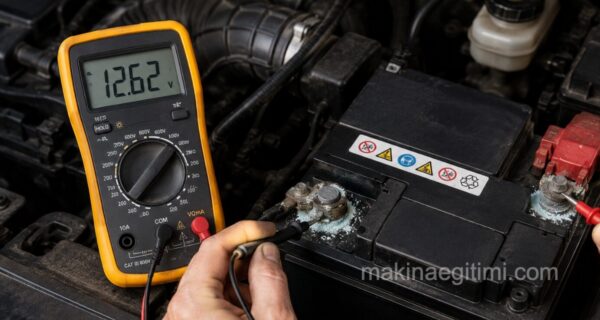 Ways to Tell If Your Car Battery Is Dead
 Why Does the Traction Control System Light (TCS Light) Come On?
 Information About Vehicle AC Maintenance
 13 Factors That Increase Fuel Consumption in Vehicles
 If You Just Bought a New Vehicle, Read This. What Is the Break-In Period?
 Black Smoke from the Exhaust and Its Causes
 How Is a Diesel Particulate Filter Cleaned
 Fuel Pump Failure Symptoms