
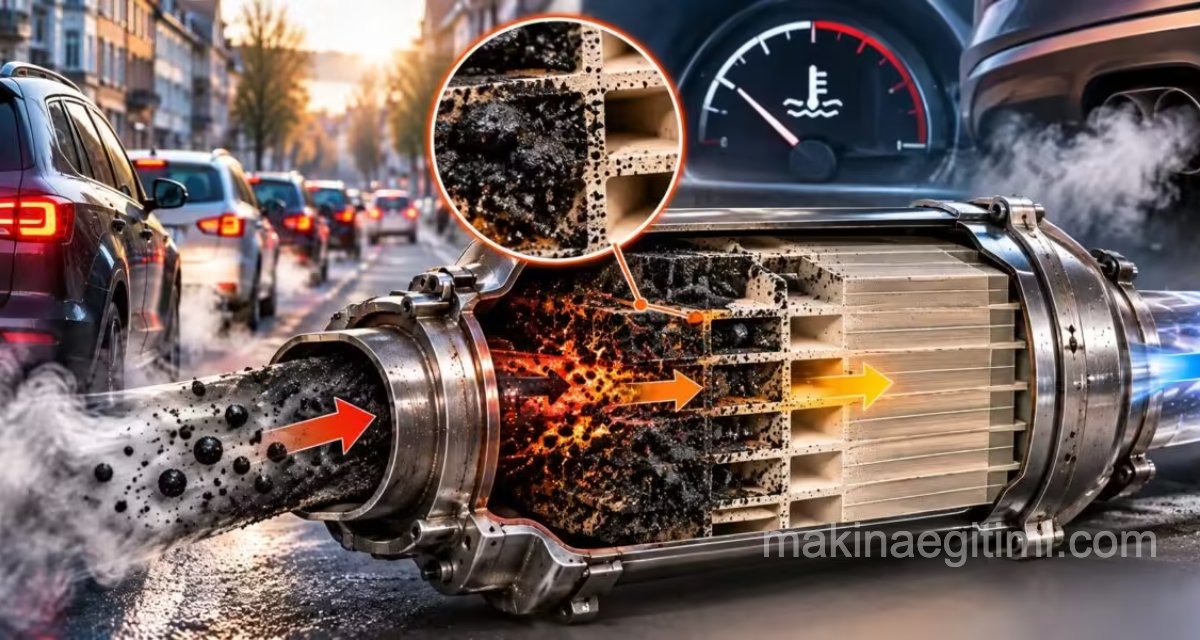
f you drive a modern diesel car, there is a good chance you have seen it: a warning light on the dashboard, a sudden loss of power, or a mechanic telling you that your DPF needs cleaning or replacing. Diesel particulate filter problems are among the most common and most expensive issues facing diesel owners today.
The frustrating part is that a DPF is not designed to fail. In most cases it clogs because of how the car is used, or because another fault is quietly causing it to fill up faster than it can clean itself.
In this guide, we explain how a DPF works, why short trips are its worst enemy, what the warning signs look like, the real causes behind repeated clogging, and what you can do to fix and prevent DPF problems.

What Is a DPF and What Does It Do?
A diesel particulate filter, or DPF, is a device fitted in the exhaust system of diesel vehicles. Its job is to capture soot, the tiny black particles produced when diesel fuel burns. These particles are harmful to health and the environment, which is why DPFs have been effectively mandatory on new diesel cars in Europe since the Euro 5 emissions standard and are standard on modern diesel vehicles in the United States.
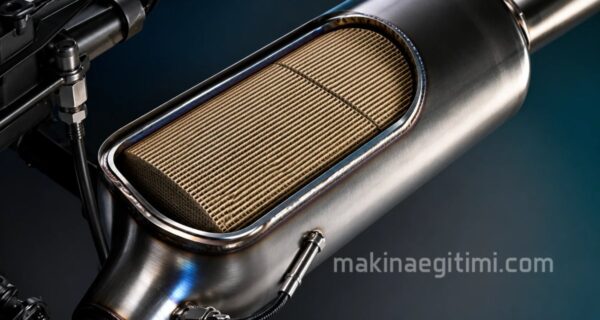
Inside, a DPF is a ceramic honeycomb with thousands of tiny channels. The channels are alternately blocked at each end, forcing exhaust gas to pass through the porous walls. The gas gets through, but the soot is trapped.
Of course, a filter that only collects soot would eventually fill up completely. That is where regeneration comes in.
How DPF Regeneration Works
Regeneration is the process of burning off the trapped soot, turning it into a small amount of ash and carbon dioxide. There are three main types.
Passive Regeneration
Passive regeneration happens naturally when exhaust temperatures are high enough, typically during sustained driving at higher speeds, such as on a motorway or highway. The soot burns off continuously without any intervention from the engine management system.
The problem: in city driving and on short trips, the exhaust rarely gets hot enough for passive regeneration to happen.
Active Regeneration
When the soot level reaches a certain point, usually measured by a pressure sensor across the filter, the engine control unit starts an active regeneration. It typically injects extra fuel late in the combustion cycle, which raises the exhaust temperature to around 600°C and burns off the soot.
An active regeneration usually needs around 10 to 20 minutes of driving at a reasonably steady speed to complete. Many cars need the engine to stay above a certain speed and load during this time.
The problem: if you switch off the engine in the middle of an active regeneration, it is interrupted. If this happens repeatedly, soot keeps building up.
Forced (Service) Regeneration
If the filter becomes too blocked for the car to regenerate on its own, a mechanic can trigger a forced regeneration using diagnostic equipment. The car is run at high idle in the workshop while the system burns off the soot under controlled conditions.

Why Short Trips Are the DPF’s Worst Enemy
This is the heart of most DPF problems. Short journeys create the perfect conditions for a blocked filter:
The engine and exhaust never reach full operating temperature, so passive regeneration does not happen.
Cold engines produce more soot than warm ones.
Active regenerations start but are interrupted when you reach your destination and switch off.
Each interrupted regeneration leaves the filter fuller than before.
A typical problem pattern looks like this: a driver uses a diesel car mostly for school runs, short commutes and city errands, rarely driving more than 15 or 20 minutes at a time. The DPF slowly fills, regenerations keep getting interrupted, and eventually the warning light appears.
This is why many mechanics say a diesel car is the wrong choice for drivers who mainly make short urban trips.
Warning Signs of a Blocked DPF
Watch out for these symptoms:
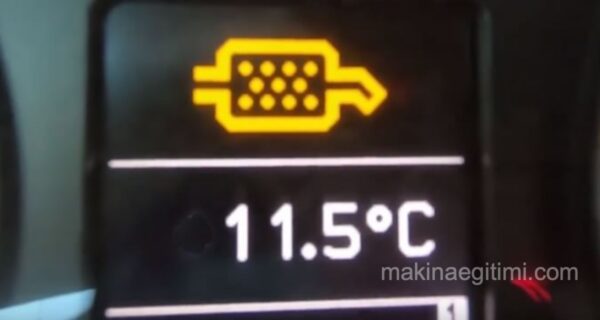
DPF warning light: Most cars have a dedicated DPF warning light, often shaped like a box with dots inside. On some cars, a general engine warning light appears instead.
Loss of power or limp mode: When the filter is heavily blocked, the engine management system may limit power to protect the engine.
Higher fuel consumption: Frequent regeneration attempts and increased exhaust back pressure both increase fuel use.
Cooling fan running after switch-off: If the radiator fan keeps running after you park, the car may have been in the middle of a regeneration.
Higher idle speed: Some cars raise their idle speed during active regeneration.
Hot, acrid smell: A strong hot smell from the exhaust area can indicate a regeneration in progress.
Start-stop not working: Many cars disable start-stop during regeneration.
If you notice the cooling fan running, a higher idle and a hot smell together, your car is probably trying to regenerate. If possible, keep driving at a steady speed for another 10 to 20 minutes to let it finish.
The Real Causes Behind Repeated DPF Clogging
If your DPF keeps clogging even though you do some longer drives, there may be an underlying fault. Replacing or cleaning the DPF without fixing the root cause usually means the problem comes back.
Faulty EGR valve: The exhaust gas recirculation (EGR) valve routes some exhaust back into the engine. If it sticks open or becomes clogged with carbon, it can increase soot production and overload the DPF. EGR and DPF problems very often go hand in hand.
Faulty injectors: Leaking or poorly atomizing injectors produce excess soot.
Turbocharger problems: A turbo leaking oil into the exhaust contaminates the DPF with oil ash, which cannot be burned off.
Faulty sensors: A failed differential pressure sensor or exhaust temperature sensor can give the engine control unit wrong information, causing it to regenerate too often, not often enough, or not at all.
Wrong engine oil: DPF-equipped diesel engines usually require low-ash oil, often called low-SAPS oil, typically meeting ACEA C-category specifications. Using the wrong oil increases ash deposits, which permanently reduce DPF capacity.
Low fuel or AdBlue warnings ignored: Some cars will not start an active regeneration if the fuel level is too low, and related emissions system faults can also interrupt the process.
Oil dilution: During active regeneration, some of the extra fuel can end up in the engine oil. Frequent interrupted regenerations increase this effect, which is why many diesel cars monitor oil level and may require more frequent oil changes when used mainly in town.

How to Fix a Clogged DPF
The right fix depends on how badly the filter is blocked.
1. Take a longer drive: If the warning light has only just appeared, many owner’s manuals recommend driving at a steady speed, typically above 60 km/h (around 40 mph), for 15 to 20 minutes. This often allows an active regeneration to complete and the light to go out. Always check your car’s manual, as the exact conditions vary by manufacturer.
2. Forced regeneration at a workshop: If the light stays on or the car enters limp mode, a garage can perform a forced regeneration with diagnostic equipment.
3. DPF cleaning: If regeneration is no longer enough, the filter can be cleaned. Options include chemical cleaning while the filter is still on the car, or removal and professional off-car cleaning, which can also remove some of the accumulated ash.
4. DPF replacement: If the filter is cracked, melted or heavily loaded with ash, replacement is the last resort. This is one of the most expensive repairs a diesel owner can face, which is why prevention matters so much.
What about DPF removal? Removing or disabling a DPF is illegal for road use in the UK, across the European Union and in the United States, and can lead to failed roadworthiness inspections, fines and invalid insurance. It also significantly increases harmful emissions. It is not a legitimate fix.
How to Prevent DPF Problems
Drive at sustained speed regularly. Aim for at least 20 to 30 minutes of steady driving at higher speeds every week or two, such as a motorway or highway trip. This allows passive and active regeneration to work properly.
Do not interrupt regenerations. If you notice signs of an active regeneration, such as the fan running or a higher idle, try to keep driving until it finishes.
Use the correct engine oil. Always use oil that meets your manufacturer’s specification, usually a low-SAPS oil. This is one of the simplest ways to protect your DPF long term.
Fix warning lights promptly. EGR, injector, sensor and turbo faults can quickly overload a DPF. Addressing them early is far cheaper than replacing the filter.
Keep up with servicing. Regular oil changes are especially important for diesels used mostly in town, because of oil dilution.
Do not run on a very low fuel level. Some cars will not perform an active regeneration if the tank is nearly empty.
Choose the right car for your driving. If most of your trips are short and urban, a petrol, hybrid or electric car will usually suit you better than a diesel.
Should You Still Buy a Diesel?
Modern diesels remain an excellent choice for the right driver. If you cover high annual mileage, spend a lot of time on motorways or highways, or regularly tow, a diesel’s fuel efficiency and torque are hard to beat, and the DPF will usually look after itself.
If, on the other hand, you mainly drive short distances in town, a diesel’s DPF is likely to become a recurring headache. In that case, a petrol, hybrid or electric car is usually the smarter and cheaper choice over the long run.
When buying a used diesel, ask about the car’s driving history, check for any DPF or EGR related repairs, and have a mechanic read the stored fault codes and DPF soot level with a diagnostic tool before you buy.
Frequently Asked Questions
It usually means the diesel particulate filter is becoming blocked with soot and needs to regenerate. In many cases, a steady drive of 15 to 20 minutes at higher speed will clear it. If the light stays on, have the car checked.
An active regeneration typically takes around 10 to 20 minutes of steady driving, although this varies by vehicle and how full the filter is.
You may be able to drive for a short time, but a heavily blocked DPF can cause loss of power, limp mode and, in severe cases, damage to the filter or turbo. It is best to address the problem quickly.
The most common reason is frequent short trips that prevent regeneration from completing. Repeated clogging despite regular longer drives often points to an underlying fault such as a faulty EGR valve, injectors, sensors or the wrong engine oil.
Many DPFs last well over 150,000 km (around 100,000 miles), and some last the life of the vehicle. Lifespan depends heavily on driving style, maintenance and engine condition.
Yes, professional cleaning can restore a blocked filter in many cases, often at a much lower cost than replacement. However, if the underlying cause is not fixed, the filter will clog again.
No. Removing or disabling a DPF is illegal for road use in the UK, the European Union and the United States, and can result in fines and failed vehicle inspections.
Many modern petrol cars with direct injection now use a gasoline particulate filter (GPF). Because petrol engines produce much less soot and run hotter exhaust temperatures, GPF problems are far less common than diesel DPF problems.
Use the oil specified in your owner’s manual, which for most DPF-equipped diesels is a low-SAPS oil meeting the relevant ACEA C-category specification or the manufacturer’s own standard.
Related Posts
 How Is a Diesel Particulate Filter Cleaned
 What Is a Diesel Particulate Filter (DPF)? What Does It Do?
 What Is a Diesel Particulate Filter Fault. How Is It Detected
 How Is Engine Oil and Oil Filter Change Done?
 What Are Fuel Additives For? Benefits of Fuel Additives
 Spark Plug Oil Fouling: Causes and Symptoms
 What Is a Vehicle Ignition System, How Does It Work? What Are Its Failures?
 Why Is the Exhaust Emission Value High, How Can It Be Lowered?