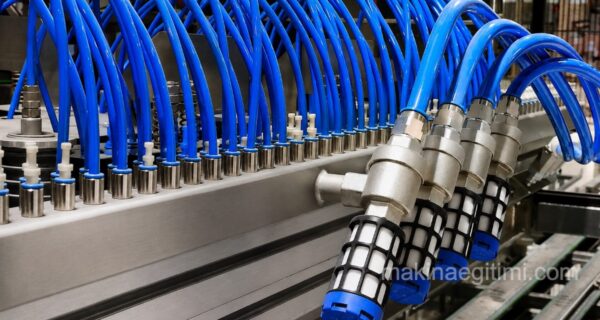
Hydraulic circuits hold an important place in machine technology. It’s also worth adding that hydraulic circuits are made up of many parts working in perfect harmony with each other, and each of these parts goes through precise manufacturing and quality-control steps to make up the system.
Parts of a Hydraulic Circuit

Now let’s take a closer look at the parts of this system, which work together in harmony much like the organs of a body:
Hydraulic Pump
What the heart is to the human body, the pump is to the hydraulic system. It’s the component that supplies the pressurized fluid the system needs. It does this by drawing oil from the tank using motion it gets from an electric motor.
Pumps are designed in varying capacities and forms depending on the needs of the hydraulic system.

Tank (Reservoir)
The container that stores the fluid, which is the most important energy source in hydraulic systems, is called the oil tank, or reservoir. As the oil that’s heated up in the system returns to the tank, it both settles and gets cleaned by the filter inside the tank.
Inside the oil tank there’s a baffle that separates the oil being drawn into the suction line from the returning oil, along with a suction filter and a suction pipe.
The size of the oil tank needs to be 3-5 times the flow rate of the oil circulating in the system.

Check Valve
Valves that allow flow in one direction while closing off the flow path in the other direction are called check valves.
Whether ball-and-spring type or poppet type, the purpose is to allow flow in only one direction. The fluid passes freely in one direction, but flow coming from the other direction is not allowed to pass.

Pressure Control Valve
The pressure control valve is the hydraulic circuit component responsible for keeping the pressure of the fluid pumped into the system at a set value. It’s mounted on the pressure line.
It protects the hydraulic circuit and its working components. It ensures the system operates more smoothly and safely.

Hydraulic Cylinder
This is the circuit component used to obtain linear motion in hydraulic systems. They convert hydraulic energy into mechanical energy. They operate by moving back and forth in a regular motion.

Directional Control Valve
With directional control valves, we can control the direction of the fluid going to the actuator (hydraulic cylinder or hydraulic motor) as we wish, and hold it in place at the desired point. This lets us make the actuator move left-right. We can reverse the direction of motion at any moment we want, or stop the motion entirely.

Flow Control Valve
Flow control valves are the hydraulic circuit components that regulate the amount of fluid entering a hydraulic cylinder or hydraulic motor. This lets us adjust the speed of the cylinders or motors to the desired rate. The faucets in our homes are, in a sense, a type of flow control valve too.

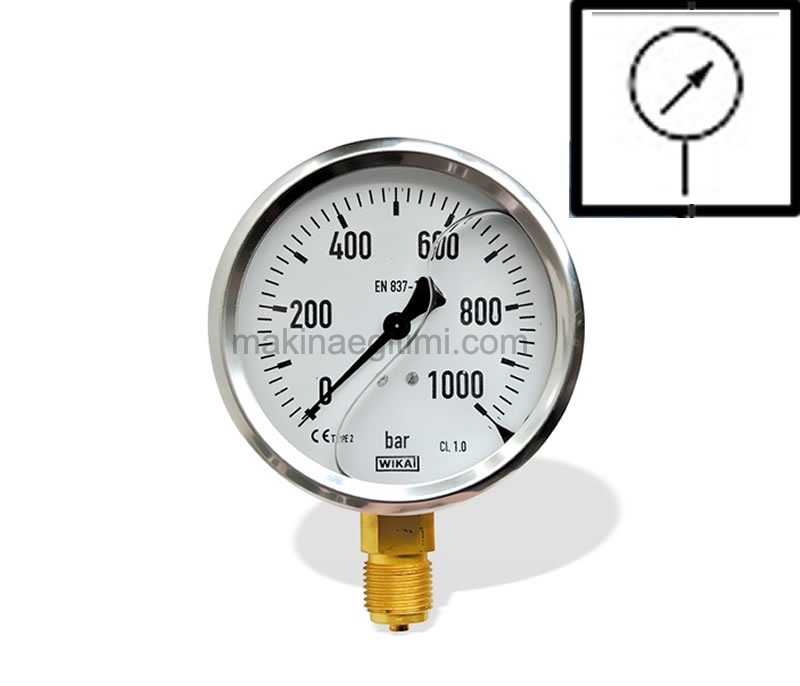
Pressure Gauges
Pressure gauges are instruments that are usually fitted to the pressure line in hydraulic systems to measure pressure. When excessive pressure is detected, they send an electrical signal to trip a switch, preventing accidents that could otherwise occur.
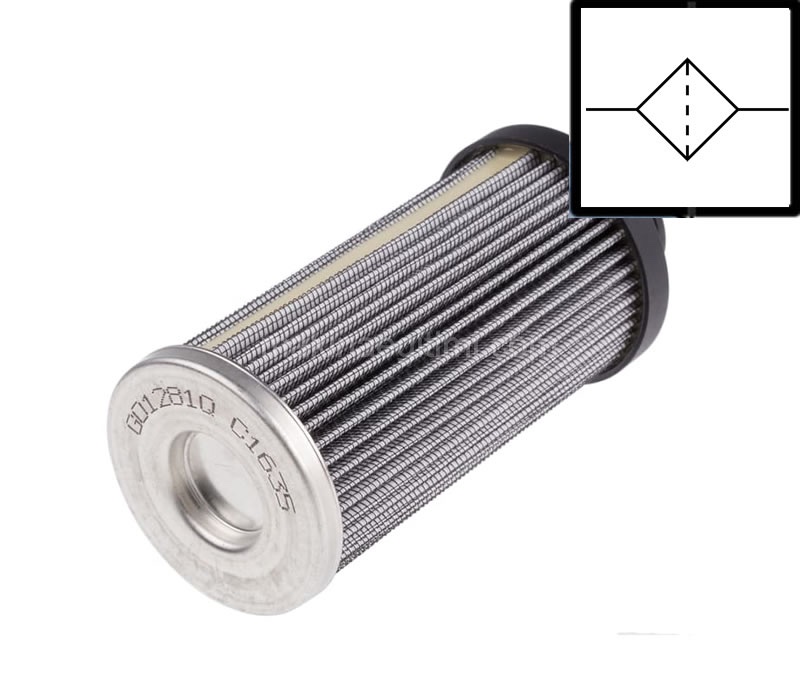
Hydraulic Filters
These are circuit components that ensure clean fluid is delivered to the system, so foreign matter like sand or metal particles doesn’t damage the working parts in hydraulic circuits. They can be fitted on the pressure line or the return line.
Hydraulic Accumulators
These are components that store hydraulic energy under pressure in hydraulic systems, to be used when needed.
They control operating pressure.
They eliminate sudden shocks that can occur in the system.
They make up for efficiency losses caused by leaks.
They cool the fluid during temperature rises.
In case of pump failure or a power outage, they feed the system for a while to let the motion be completed.

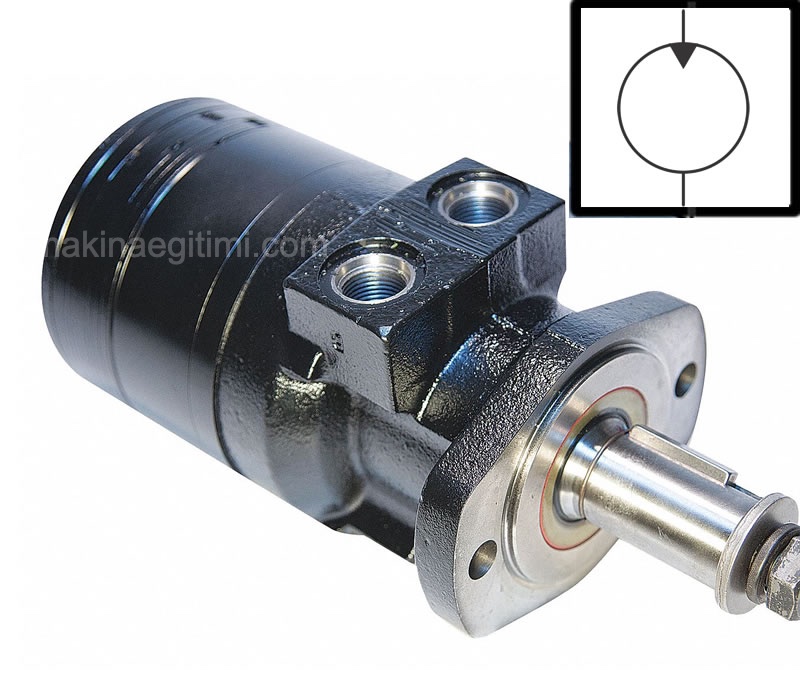
Hydraulic Motors
In terms of how they operate, hydraulic motors work the opposite way to hydraulic pumps. Unlike hydraulic pumps, in motors the pressurized fluid enters and rotary motion is produced as a result.
Directional control valves are used to make hydraulic motors turn in the reverse direction.
Hydraulic Connection and Sealing Components
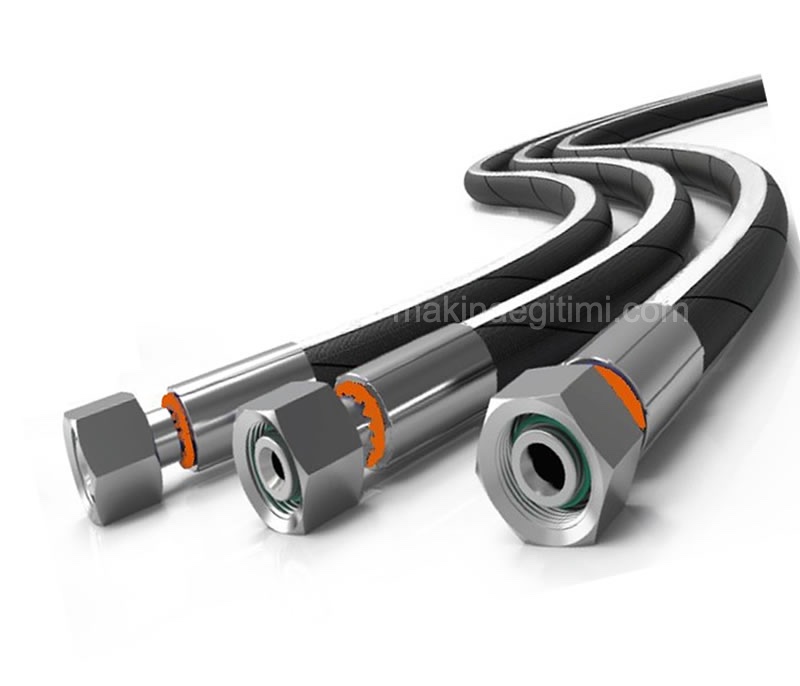
Connection components: these are circuit components that connect the hydraulic circuit’s components to each other and carry the pressurized fluid between them.
These are: pipes, hoses, and fittings.
Sealing components, on the other hand, are usually ring-shaped components made of thermoplastic, used to prevent fluid leaks.
Related Posts