
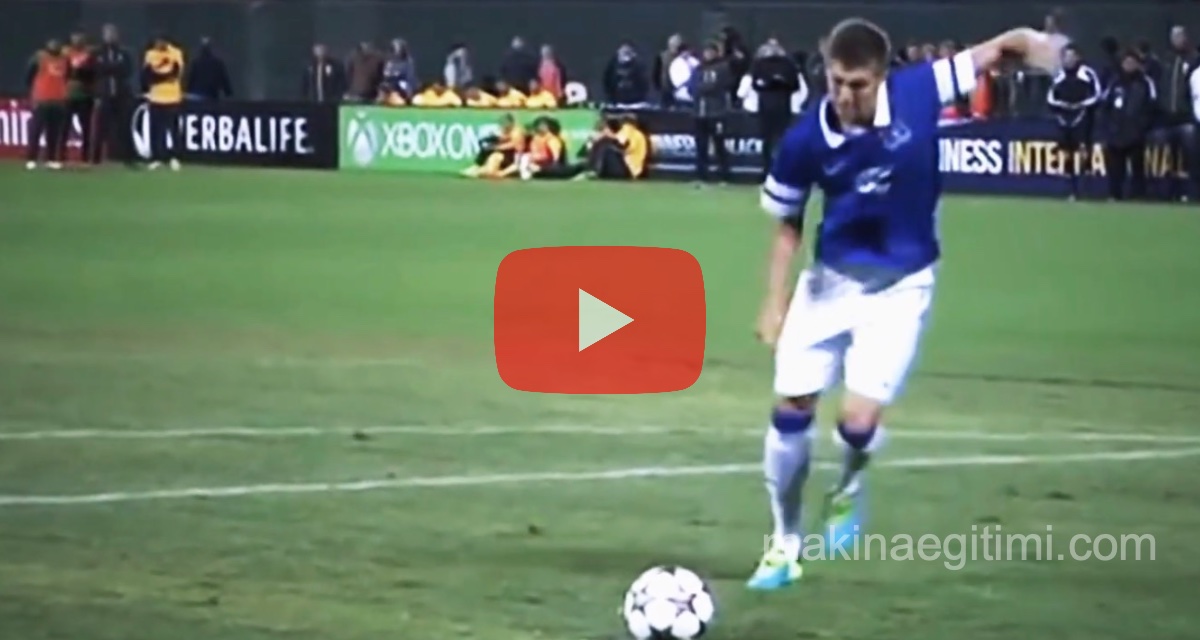
In the Euro 1976 final, played in 1976, West Germany faced Czechoslovakia. Czechoslovak footballer Antonin Panenka took perhaps the biggest risk possible in a European Championship final, attempting a style of penalty kick that had never before been tried—or perhaps never dared—in such an important tournament.
At the time, there were two separate Germanys. The team known as West Germany was full of legendary players: Maier, Franz Beckenbauer, Breitner, Dieter Müller, and others.
In the final, if he scores, the Czechs win the cup. Panenka approaches the ball, lifts his foot as if he’s about to strike hard, waits a beat, German goalkeeper Maier dives, and Panenka simply chips the ball gently over the diving keeper and into the net for the goal.
What Is a Panenka Penalty?
Since that day, this technique—now known in football literature as the Panenka penalty—has been tried by many players in various matches. Some have failed miserably (because this technique is very risky), while others have pulled off successful penalty kicks with it. In fact, the Panenka penalty has a great advantage. In penalty kicks, many goalkeepers dive randomly to the left or right, and by chance alone they sometimes manage a save that way. When this technique is executed correctly, the goalkeeper has no chance of saving it. Having already committed to diving left or right, all he can do is watch the ball sail gently over him.
But as we said, it’s also risky. If you don’t execute the technique correctly in the heat of the moment, there’s a danger the goalkeeper will sense it and simply stay put. Or, in trying to chip it over him, you might drop the ball right into his arms. And if you misjudge the amount of loft, there’s also a chance the ball hits the crossbar.
Origin of the Name
The kick is named after Czechoslovak footballer Antonín Panenka, who used this technique in the 1976 European Championship final.
Technical Principle
While the goalkeeper typically dives to one side, the ball is chipped softly toward the center, into the space the goalkeeper has left behind.
Risk Factor
Because the shot looks easy, it’s attempted often, but if the goalkeeper doesn’t move, or times his reaction to the ball correctly, it can be saved easily.
The Best Panenka Penalties
In Turkish football too, there have been players who successfully tried this technique in matches—Galatasaray’s Hakan Şükür and Beşiktaş’s Pascal Nouma, for example.
In the video below, we watch some goals scored by taking on this risk with the Panenka penalty technique. When a player uses this technique, he proves his class in the eyes of the spectators, while leaving the goalkeeper in an absurd position. In penalty kicks, most people don’t really expect goalkeepers to make a save anyway. Statistically, a goalkeeper saving a penalty is already a low-probability event. So a goalkeeper doesn’t get much criticism after conceding a goal like this. But if the penalty taker misses the shot—especially in an important match—he can end up in a situation where everyone mocks and criticizes him.
Frequently Asked Questions
The technique was first used by Czechoslovak footballer Antonin Panenka in the 1976 European Championship final. Instead of striking the ball hard, he chipped it softly over the goalkeeper.
If the goalkeeper stays in place, he can save the ball easily, since the shot is slow rather than powerful. That’s why the technique is only considered safe when the taker is confident the goalkeeper will commit to diving early.
Related Posts
 The Miracle of Istanbul: Football History’s Most Incredible Comeback
  The Jaw-Dropping Dribbles That Send Football Crowds Wild
  Lionel Messi’s Legendary Body Feints
  The Story of Muhammad Ali: From a Stolen Bicycle to Sportsman of the Century
  Michael Jordan: The Story of Basketball’s Greatest Name
  Why Is Kenya So Successful at Long-Distance Running?
  The ‘Mosts’ of Olympic History
  Who Is Eric the Eel? The Funniest Moment in Olympic Swimming History