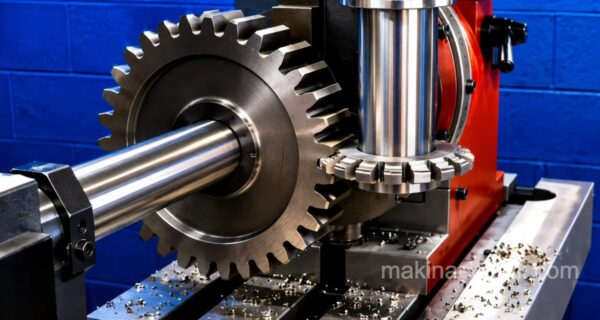
Cutting fluids (coolants) are used especially in machine tools used in machine manufacturing, in machining production — the process of giving a metal part the desired shape by removing chips from the workpiece with special cutting tools.
Why Is Cutting Fluid Used?

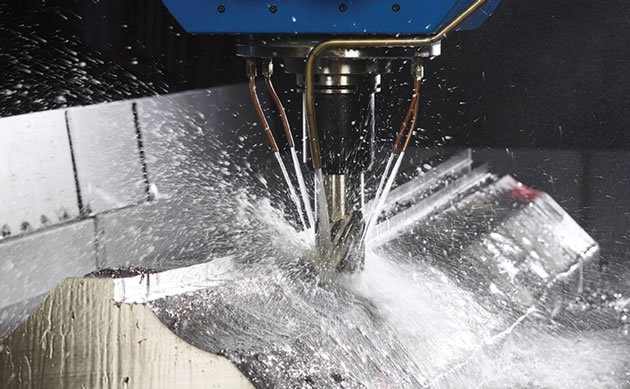
Heat is generated during machining on machine tools such as lathes, milling machines, planers, drill presses, saws, and grinders. Cutting fluids are used as an auxiliary liquid during these operations to reduce the harmful effects of the heat generated, to extend cutting tool life, and to increase efficiency. Cutting fluid (or coolant) extends tool life and helps achieve good surface quality.
What Should an Ideal Cutting Fluid Be Like?
A good cutting fluid should have the following qualities:
Reducing friction and thereby the heat generated as a result of friction,
Preventing the chip removed from boiling,
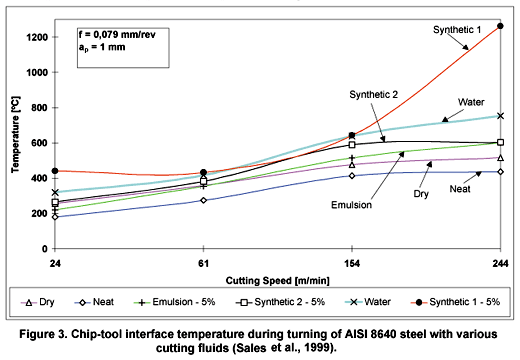
Ensuring the desired ideal results are achieved by directly reducing the heat generated and allowing the chip to easily move away from the surface being worked on.
For it to fulfill these duties, a cutting fluid needs to have three properties.
• Lubricating property,
• Resistance to chip boiling,
• Cooling property.
Antifreeze Mixing Ratio
Standard coolant is generally made from a mixture of 50% antifreeze and 50% distilled water.
Raising the Boiling Point
Additives in cutting fluid raise the boiling point of the water, preventing overheating.
Anti-Corrosion Additives
Cutting fluids contain special additives that protect the metal parts inside the machine against rusting and corrosion.
What Are Cutting Fluids Made Of?
Cutting fluids generally contain countless substances in their composition, such as mineral oils, animal and vegetable oils or their acids, soaps, synthetic detergents, active or neutral solid fillers, chemical additives used for various purposes, waxes, resins, and water.
Types of Cutting Fluid
The roughly 200 cutting fluids used today for various cooling purposes can be grouped into two main categories.
• Neat (non-water-miscible) cutting fluids, used without being mixed with water.
• Water-miscible cutting fluids, used mixed with water.
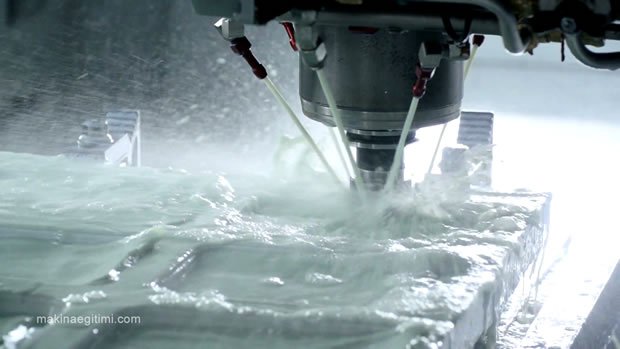
Neat Cutting Fluids (Without Water)
Semi-automatic and fully automatic machines have many different machine components together with the areas where cutting fluid is applied. Due to the machine’s design, applying cutting fluid on such machines completely separately from the enclosed gear systems is difficult.
For this reason, in many machines, neat (non-water-miscible) cutting fluids are used because water degrades the machine’s lubricating oil and has corrosive effects. A well-chosen neat cutting fluid is thus used both to lubricate the machine and to dissipate the heat generated during machining.
Two main groups of oils are used to make neat cutting fluids. One is mineral oils obtained from petroleum, the other is oils obtained from plants and animals. In addition, various additives other than water are added to these oils depending on the desired purpose, creating fluids with new properties. In line with all this, the types of neat cutting fluids are as follows;
• Pure mineral oils,
• Pure organic (fatty) oils,
• Organic and mineral oil blends,
• EP (extreme-pressure) oils,
• Multi-purpose oils.
Cutting Fluids Used Mixed with Water
The most economical fluid we can use as a cutting fluid is water. In terms of economy, nothing can take the place of water. However, using water also has the drawback of causing corrosion. In machining, the cutting fluid is expected to perform both a cooling and a lubricating function. For this reason, cutting fluids are prepared using substances that eliminate water’s corrosive effect. For this, fluids that are miscible in water are used.
Soluble Cutting Oil
They mix with water in the form of tiny droplets. Soluble cutting oils are used extensively in machining. The appearance of the mixture is milky.
The quality of the cutting fluid depends on the size of the oil droplets when the mineral oil is mixed into the water. The oil droplets should be as small as possible. This way, the fluid retains its properties for a long time.
To get the oil droplets to the desired size, soluble oil manufacturers add liquid soap (soft soap), or chemicals that serve as a soap substitute, into the mixture.

Soluble cutting oil doesn’t dissolve in water. It remains in the water as tiny droplets. For this reason, it performs both a fairly good cooling and a normal lubricating function. The oil droplets dispersed in the water adhere to surfaces, providing lubrication and preventing rust.

Soluble Cutting Oil Mixing Ratio
Preparing soluble cutting oil is a commonly asked question. What should the oil-to-water ratio be? This ratio varies from 1% to 20% depending on the intended use. As the oil ratio in the mixture increases, the lubricating property increases. At the opposite ratios, the cooling property increases, but protection against rust decreases.
Why Does Soluble Cutting Oil Lose Its Ideal Properties Over Time?
As the metal chips that stick to the soluble oil used during machining are removed, they carry away oil droplets with them. This is because the oil droplets adhere to the metal chips. Water drips off the chips and returns to the cooling system, but the oil remains on the chips. This causes a reduction of oil in the mixture. This situation causes soluble cutting oils in continuous use to lose their properties over time. For this reason, it’s beneficial to periodically measure the mixture and add oil as needed.
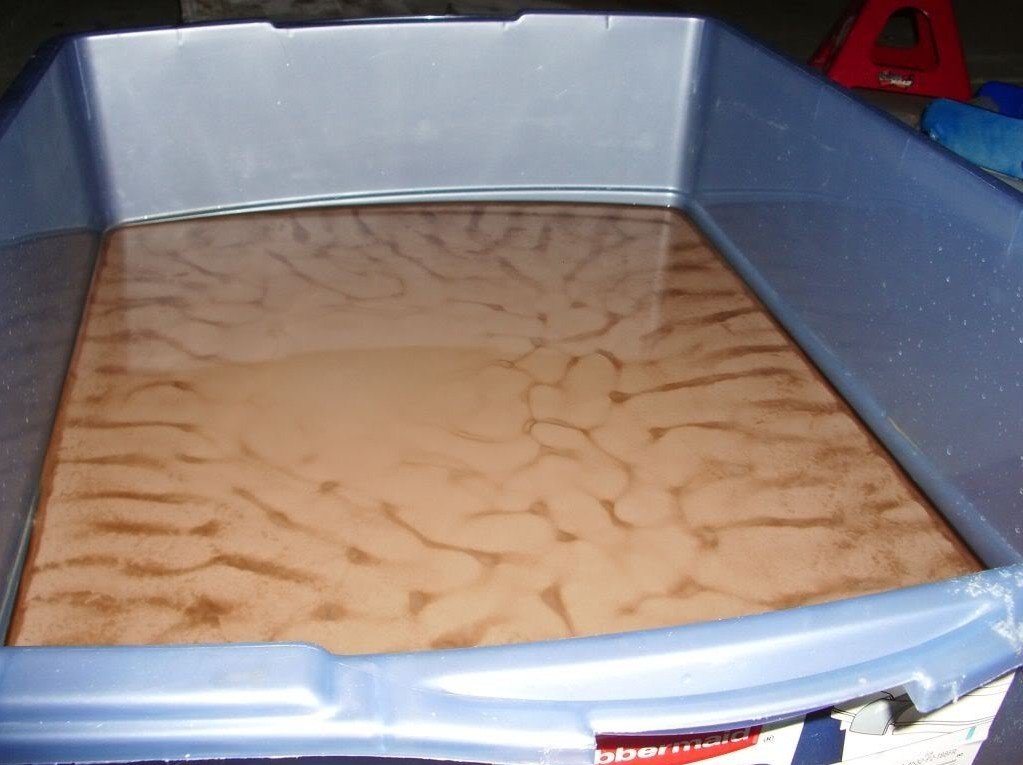
Another problem with cooling using soluble cutting oil is water loss. In work done especially in hot environments, the water in the mixture evaporating and decreasing due to heat causes a problem. This time, the cooling function will decrease. To avoid this problem, based on the results of measurements taken, as much water as needed is added to the mixture.
Types of Soluble Cutting Oil
The cutting fluids (soluble oils) used today, which mix with water in the form of tiny droplets, can be grouped into three main categories;
• General-purpose oils: for turning, milling, drilling, and cutting operations, for grinding operations,
• Oils that can be used with hard water,
• Heavy-duty oils.
Cutting Fluids That Mix Homogeneously with Water
In recent years, the group whose use as cutting fluid has been increasing consists of chemical substances that mix homogeneously with water. Also called aqueous solutions, these chemical substances are in concentrated form with rust-inhibiting additives. Some of these are;
• Sodium nitrate,
• Inorganic salts such as sodium borate,
• Water-soluble detergents,
• Amines,
• Polyglycol,
• Potassium carbonate,
• Soda,
• Borax, etc.
These are dissolved in water to make a cutting fluid. This type of cutting fluid cannot be said to be a good lubricant. Poor lubrication reduces cutting tool life. It increases the roughness of the machined surface.
Despite their poor lubricating properties, they stand out with excellent cooling properties. So why and in what situations are these types of cutting fluids preferred? They’re used in operations where carbide and ceramic tools suitable for removing chips at high speeds are used.
Such tools are wear-resistant but require strong cooling. On the other hand, this group of cutting fluids can be comfortably used on metals other than iron alloys that have no risk of rusting. It keeps machines and tools clean. The smoke seen with other cutting fluids is not seen with fluids in this group.
Related Questions
QUESTION: What should an ideal cutting fluid be like?
ANSWER:
-Reducing friction and thereby the heat generated as a result of friction,
-Preventing the chip removed from boiling,
QUESTION: What are the 3 basic properties a cutting fluid must have?
ANSWER:
-Lubricating property,
– Resistance to chip boiling,
– Cooling property.
Related Questions
A fluid that only cools cannot reduce friction, while a fluid that only lubricates cannot remove the generated heat fast enough. Having both properties together prevents both tool wear and overheating at the same time.
The high temperature at the cutting zone can cause the fluid to evaporate and lose its effect in that area. A boiling-resistant fluid continues its cooling function even at the highest temperatures, continuing to protect the tool and the workpiece.
Related Posts