

Dear readers, today we’ll answer the question “Who was Dostoevsky?” by telling the story of Fyodor Mikhailovich Dostoevsky, one of world literature’s most profound analysts of the human soul. This is the story of a man who was pardoned at the last minute before a firing squad, who lost his fortune at the gambling table, who battled epileptic seizures, and who, despite all of it, poured the darkest corners of the human soul onto the page.
Dostoevsky’s Childhood: A Difficult Life That Began in Moscow
Dostoevsky’s life story begins on November 11, 1821, in Moscow. He was born in staff housing on the grounds of a hospital. His father, Mikhail, was a doctor at the Mariinsky Hospital, founded for the poor. As young Fyodor played in the hospital grounds, he encountered patients from the very bottom of society; the scenes of suffering and poverty he witnessed at such an early age formed the foundation of his literary world.
His mother, Maria, died of tuberculosis when Dostoevsky was just sixteen. Around the same time, his father was killed by peasants; although this was never fully proven, it left a deep trauma in the young writer’s life. These two losses shook the sense of authority and security in his family to its foundations.
From Engineering to Literature
At his family’s wishes, he enrolled in the Military Engineering School in St. Petersburg, but he was far more interested in literature than in mathematics and technical subjects. After finishing school and serving briefly in the army, he resigned and devoted himself entirely to writing.
His first novel, “Poor Folk,” published in 1846, caused a great stir in literary circles. The famous critic of the era, Belinsky, hailed the young writer as “a new Gogol.” But the works he wrote after this early success failed to draw the attention he’d hoped for, and Dostoevsky fell out of favor in literary circles for a time.
Why Was Dostoevsky Sentenced to Death?
The year 1849 became a turning point that would change Dostoevsky’s life forever. He was arrested for joining a group of intellectuals known as the Petrashevsky Circle, who discussed banned books. He was accused of conspiring against the Tsarist regime and sentenced to death.
On December 22, 1849, he was brought before a firing squad at Semyonovsky Square along with the other prisoners. As the soldiers raised their rifles, a messenger arrived at the last moment and announced that the Tsar had commuted the sentence. This scene left a mark on Dostoevsky’s memory that would never fade; years later, he would recount this experience almost exactly in his novel “The Idiot.”
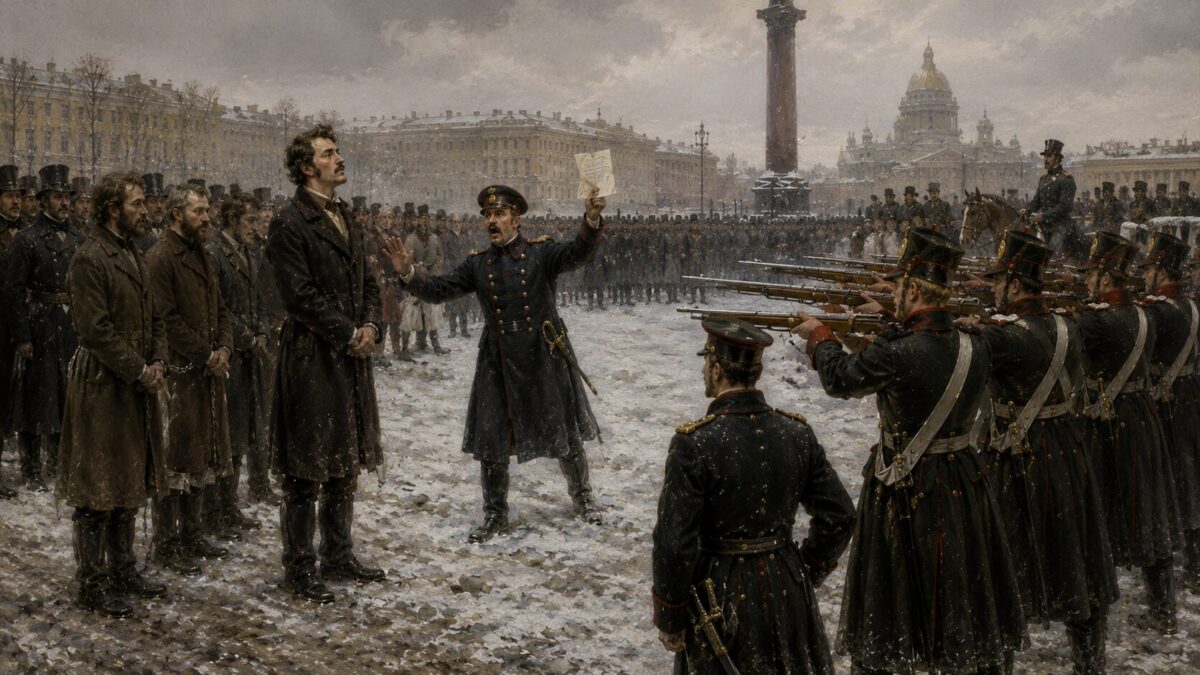
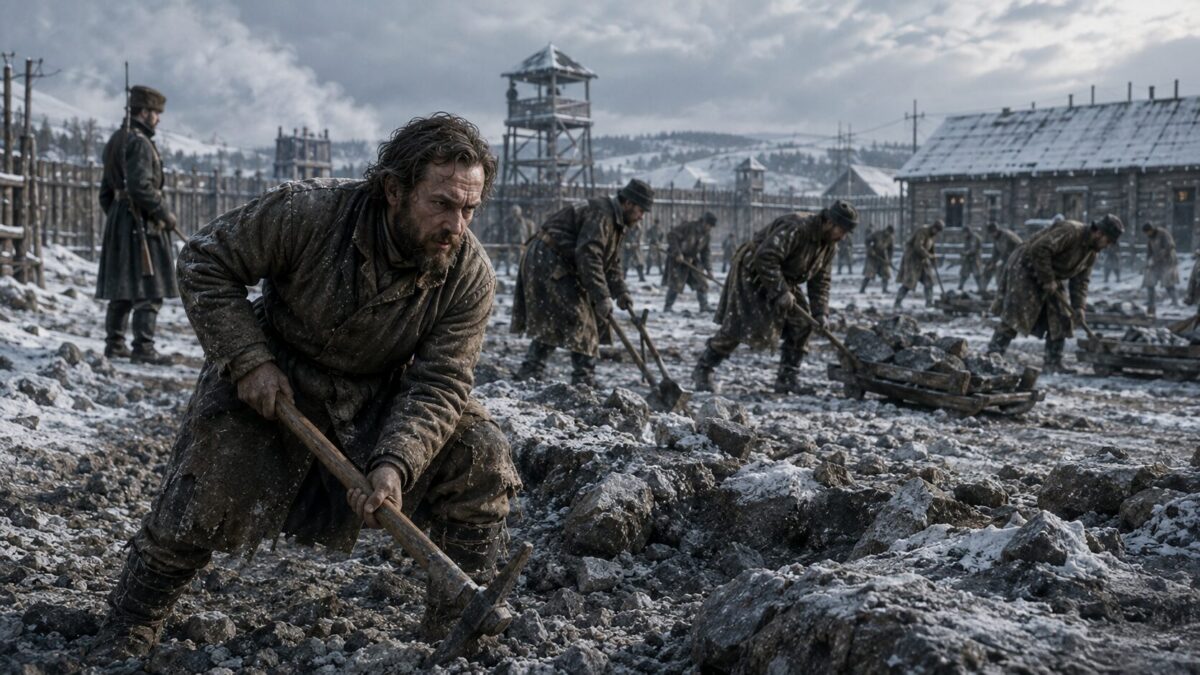
The death sentence was commuted to four years of exile in Siberia, followed by compulsory military service. His years at the labor camp in Omsk wore him down physically but transformed him spiritually. There he lived shoulder to shoulder with ordinary Russians, murderers, and thieves, deepening his observations of human nature.
Epilepsy, Gambling, and Rebirth
When he returned from Siberia, he was no longer the old Dostoevsky. He struggled with both epileptic seizures and a growing gambling addiction. He lost every penny he won at the roulette table, and these losses dragged him into a constant cycle of debt.
He later masterfully explored this obsession in his novel “The Gambler“; in fact, to meet the deadline set by his publisher, he completed this novel in just twenty-six days with the help of a young stenographer, Anna Snitkina. Anna soon became his second wife, and for the rest of his life she helped him get both his writing career and his finances back on track.
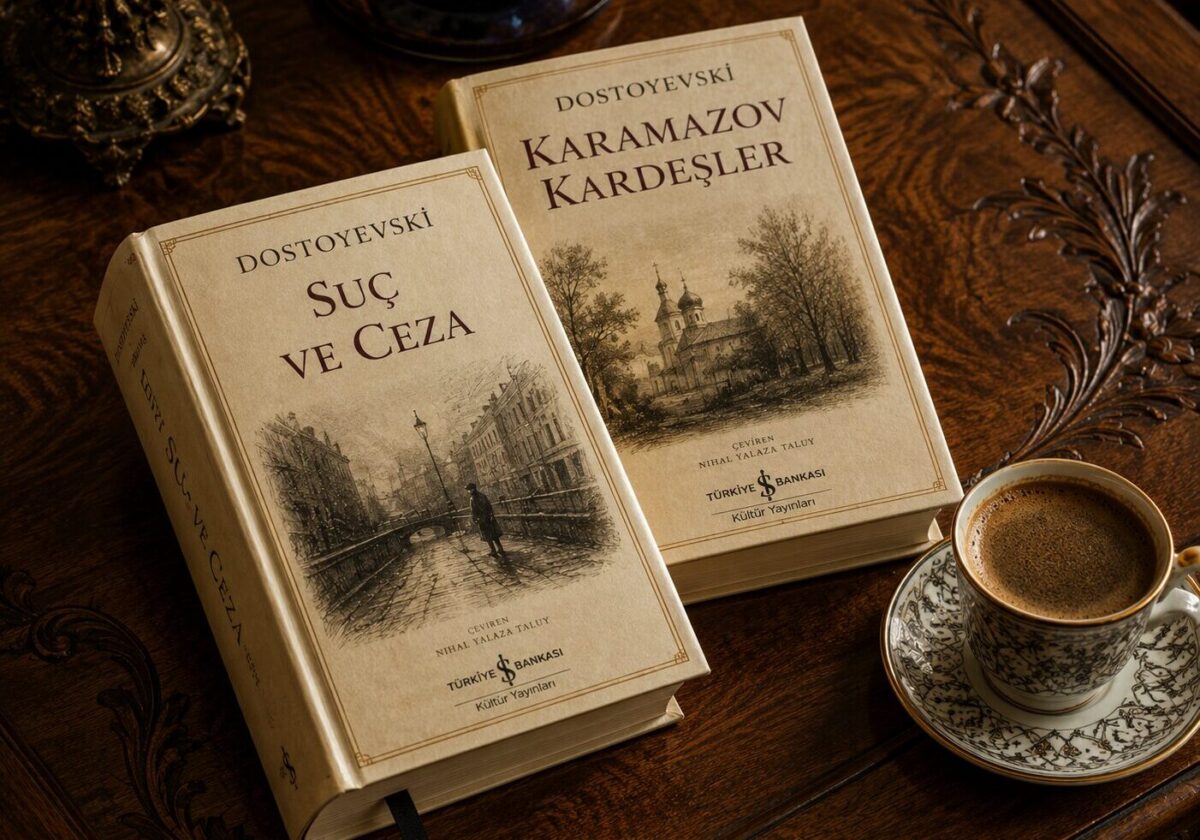
The 1860s and 1870s were Dostoevsky’s most productive period. What are considered Dostoevsky’s finest works — “Notes from Underground,” “Crime and Punishment,” “The Idiot,” “Demons,” and his final great work, “The Brothers Karamazov” — were all written during these years. He explored themes such as crime, conscience, faith, free will, and the dark sides of the human soul with such depth in these novels that, in the following century, thinkers from Freud to Nietzsche, from Sartre to Jordan Peterson, drew on his work.
When Did Dostoevsky Die? His Final Years and Legacy
In the final period of his life, he had largely left his financial troubles behind and become one of Russia’s most respected writers. Shortly after completing “The Brothers Karamazov” in 1880, he died of a pulmonary hemorrhage on January 28, 1881. Nearly thirty thousand people attended the funeral of the writer known for “Crime and Punishment” — an unprecedented crowd for Russia at the time.
Dostoevsky’s legacy remains vibrant today. His novels are taught not only in literature courses but also in psychology and philosophy curricula. Canadian psychologist Jordan Peterson’s frequent references to “Crime and Punishment” in his popular lectures are proof of just how relevant the author remains two centuries later. Turkish directors such as Zeki Demirkubuz have also adapted “Notes from Underground” for Turkey, carrying Dostoevsky’s influence into domestic cinema.
Frequently Asked Questions
He was sentenced to death for joining a group of intellectuals called the Petrashevsky Circle, who discussed banned books, and for being accused of conspiring against the Tsarist regime. The sentence was commuted to exile in Siberia at the last moment.
“The Brothers Karamazov” is generally regarded as his final and most mature work, though “Crime and Punishment” has been his most widely read and most frequently referenced novel worldwide.
Yes, his works have been brought into Turkish by numerous publishers, most notably İletişim Yayınları, Can Yayınları, and Türkiye İş Bankası Kültür Yayınları.
He was born on November 11, 1821, in Moscow, and died of a pulmonary hemorrhage on January 28, 1881, in St. Petersburg, at the age of 59.
He is generally regarded as part of Russian realism, but with his focus on human psychology and existential questions, he is also considered one of the forerunners of existentialism.
Related Posts
 Two Poets Who Lived the Fate They Wrote: Pushkin and Lermontov
 Master of the Short Sentence: The Life Story of Ernest Hemingway
 When Fiction Becomes Reality: 6 Novels That Predicted the Future
 Learning to Think: Beginner’s Books on Philosophy
 How to Start Writing a Book? Advice Backed by Science
 From Book to Big Screen: How Was The Lord of the Rings Adapted?
 From a Novel to a Number One: The Story of the Song Wuthering Heights
 In the Shadow of Revolution: 5 Books About the French Revolution