
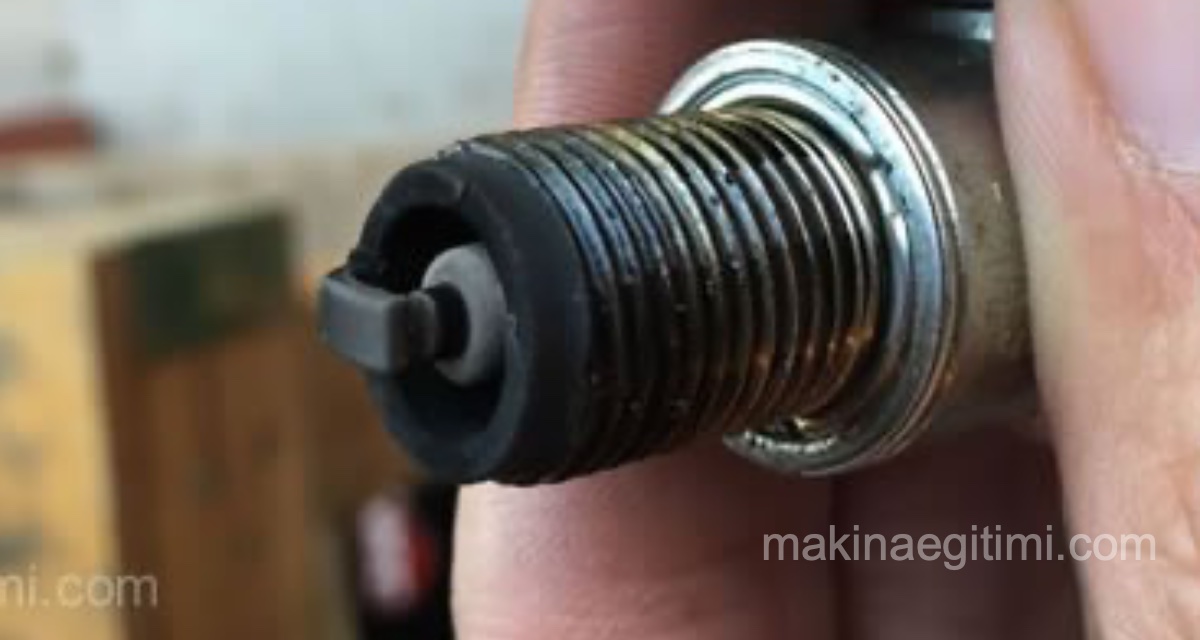
In our engine knowledge section, this article covers spark plug oil fouling. We’ll look for answers to questions like: what causes it, what are the symptoms, and how can you tell a spark plug is oil-fouled?
Spark Plug Oil Fouling
We know that the spark plug’s job in a vehicle’s engine is to provide ignition. Even though spark plugs are small parts, considering that a serious spark plug fault can leave your car unable to start, their importance is undeniable.
If your vehicle’s spark plugs are getting oil-fouled, this can lead to problems that shorten your vehicle’s lifespan, and more importantly, it can cause unwanted situations on the road and accidents resulting in loss of life or property — so it needs to be taken seriously.
Effect of Worn Piston Rings
Worn piston rings can let oil leak into the combustion chamber and foul the spark plug electrodes.
Valve Seal Failure
Valve stem seals that harden over time can leak oil down the valve stems, causing spark plug fouling.
Overly Rich Fuel Mixture
An excessively rich fuel-air mixture can cause black carbon buildup on the spark plug and ignition problems.
Causes of Spark Plug Oil Fouling
If you remove a spark plug and find liquid oil on it, this indicates there’s a problem with the engine. So why does a spark plug get oil-fouled?
The causes of spark plug oil fouling can include:
Oil from the lubrication system may be passing into the combustion chamber.
Due to worn valve guides or worn valve seals, oil may be leaking from the cylinder head into the cylinder.
Due to worn piston rings (or worn pistons/cylinders), oil may be leaking up from the crankcase below. If this is the case, you should definitely take your vehicle to an authorized service center.
For the related article, SEE: Piston Ring Wear in the Engine

If the spark plug of a two-stroke gasoline engine gets oil-fouled (for example, on a motorcycle), this can be caused by adding too much oil to the fuel mix. Or it could mean the oil in the fuel has settled to the bottom and that oil-laden fuel has been burned in the engine. If excessive smoke is coming from the exhaust, it means the engine is burning oil.
Symptoms of Spark Plug Oil Fouling
So how can you tell if your vehicle has oil-fouled spark plugs? The symptoms of spark plug oil fouling can include:
The engine misfires and loses performance. This happens because fouling prevents the spark plug from producing a spark, or only a very weak one.

For our article on engine misfiring, SEE: Engine Misfiring.
What Does Spark Plug Oil Fouling Cause?
If spark plug oil fouling isn’t addressed, it leads to unwanted problems in your vehicle like increased fuel consumption and dropping engine oil level. As the engine oil level drops, your car’s engine wears out quickly, and in some cases the engine can seize up.
Related Questions
When piston rings wear out, they can no longer properly seal against oil from the crankcase leaking into the combustion chamber. The leaking oil fouls the spark plug’s electrodes during combustion, weakening spark formation.
The excess fuel in the mixture can’t burn completely, and the unburned portion builds up on the spark plug as carbon (soot). This buildup weakens the spark between the electrodes, causing ignition problems.
Related Posts
 Blue Smoke from the Exhaust and Its Causes
  How Is a Diesel Particulate Filter Cleaned
  Seasonal Vehicle Battery Maintenance: Why and How
  How to Repair a Rear Window Defroster
  What Happens If a Timing Belt Breaks? Breakage and Tooth-Skipping
  What Is an Intake Manifold? Its Job, and Diagnosing a Fault
  Spark Plug Lifespan. How Do You Know When Its Time to Replace It?
  White Smoke Coming from the Exhaust and Its Causes