Close Menu
  • MAKİNELER ve İMALAT
    • Tools & Equipment
    • Computer-Aided Drawing
    • CAD/CAM Education
    • CNC Machine Programming
    • Casting Technologies
    • Electrical & Electronics Technologies
    • Hydraulics & Pneumatics
    • Manufacturing Processes
    • Manufacturing Technologies
    • Occupational Safety
    • Mold & Die Design
    • Solid Modeling
    • Welding Technology
    • Machine Elements
    • Mechanical Trade Drawing
    • Materials Science
    • Automotive & Vehicle Technologies
    • Robotics Technologies
    • Health Technologies
    • Defense & Aerospace Technologies
    • Descriptive Geometry
    • Technical Drawing
    • Software & Hardware Technologies
    • Innovative Manufacturing Methods
  • TEKNOLOJİ ve YAŞAM
    • OTOMOBİLLER ve TAŞIT
      • Vehicle & Engine Knowledge
      • Safe Driving
      • Sürüş Destek Sistemleri
    • Genel Kültür
      • Movies & TV Shows
      • Görsel ve Grafik Sanat
      • Books & Literature
      • Music
      • Sports
      • History
      • History of Technology
    • GÜNDELİK YAŞAM TEKNOLOJİLERİ
    • Hobbies & Entertainment
    • Internet Technologies
    • Health
    • Mobile Technologies
Makine Eğitimi
  • Machines & Manufacturing
    Machine Elements
    Hydraulics & Pneumatics
    Technical Drawing
    Computer-Aided Design & Manufacturing
    Basic Manufacturing Processes
    Manufacturing Processes
    Industry Technologies
    Other Technical Courses
    Motion & Power Transmission
    Simple Machines
    Chains & Sprockets
    Shafts & Journals
    Gears
    Cams
    Couplings
    Belts & Pulleys
    Springs
    Bearings
    Keys
    Fastening Joining
    Retaining Rings
    Screws, Bolts & Nuts
    Cotter Pins
    Flanges
    Welding
    Rivets
    Pins & Bolts
    Washers
    Calculators
    Gear Ratio Calculator
    Spring Constant Calculator
    Belt Pulley Ratio Calculator
    Other Machine Elements
    Slides & Linear Guides
    Brakes
    Flywheels
    Clamps
    Shock Absorbers
    Gaskets & O-Rings
    Seals & Sealing Elements
    Hydraulics
    Introduction to Hydraulics & Principles
    Hydraulic Systems & Applications
    Accumulators
    Filters
    Motors
    Pumps
    Valves
    Pneumatics
    Introduction to Pneumatics & Principles
    Pneumatic Systems & Applications
    Pneumatic Circuit Components
    Valves
    Cylinders
    Silencers
    Motors
    Compressors
    Dryers
    Conditioning Units
    Common Topics & Maintenance
    Hydraulic & Pneumatic Maintenance
    Study Notes, Exams & Tests
    Technical Drawing
    Introduction to Technical Drawing
    Geometric Drawings
    Perspective & Projection
    Orthographic Views
    Dimensioning
    Sectioning
    Assembly & Detail Drawings
    Tolerances
    Surface Finish Symbols
    Mechanical Engineering Drawing
    Screws, Bolts & Nuts
    Pulley Drawings
    Gear Drawings
    Shafts & Journals
    Bearing Drawings
    Pins & Bolts
    Spring Drawings
    Welds in Technical Drawing
    Washers
    Cotter Pins
    Technical Drawing Exercises
    Mechanical Drawing Exercises
    Gear Exercises
    View Extraction Exercises
    Pulley Exercises
    Pin & Bolt Exercises
    Threaded Fastening Exercises
    Descriptive Geometry
    Computer-Aided Drawing
    AutoCAD Drawing Lessons
    Solid Modeling & Animation
    Solid Model Drawing Files
    Solid Model Assembly Examples
    Solid Model Drawing Lessons
    3D CAD Software Reviews
    Solid Modeling Exercises
    CNC Programming
    CAM
    Measurement & Inspection
    Dial Indicators
    Calipers
    Gauges
    Micrometers
    Materials Science
    Steels
    Cast Iron
    Aluminum
    Plastics
    Material Testing & Hardness Measurement
    Occupational Safety
    Workshop Safety
    Safety When Working With Electricity
    Machine Safety Rules
    Hand Operations
    Filing
    Marking
    Cutting Operations
    Reaming
    Tapping
    Threading With a Die
    Drill Bit Sharpening
    Working With Machines
    Basic Turning Operations
    Basic Milling Operations
    Shaper Machine
    Machining
    Turning
    Milling
    Grinding
    Innovative Manufacturing Methods
    EDM (Electrical Discharge Machining)
    Laser Machining
    Waterjet Machining
    3D Printing
    3D Scanners
    Welding
    Rolling
    Casting
    Mold & Die Design
    Mechanical & Hydraulic Presses
    Blanking & Piercing Dies
    Bending Dies
    Drawing Dies
    Plastic Injection Molds
    Extrusion Dies
    Compound Dies
    Progressive Dies
    Blow Molds
    Spinning Dies
    Spray Molds
    Manufacturing of Machine Parts
    Automotive & Vehicle Technologies
    Motor Vehicle Manufacturing
    Raw Material Production
    History of Technology
    Health & Medical Technologies
    Defense & Aerospace
    Robotics Technologies
    Software & Hardware Technologies
    Mechanics - Strength of Materials
    Physics Topics
  • Technology & Life
    Hobbies & Entertainment
    Sports
    Music
    Vehicle & Engine Knowledge
    Vehicle Maintenance & Repair
    Safe Driving
    Driver Assistance Systems
    History
    Movies & TV Shows
    Books & Literature
    Computers & Internet
    Computer Tips
    Software Reviews
    Hardware & Peripherals
    Practical & Safe Internet Use
    Visual & Graphic Art
    Mobile Technologies
    Travel
    Science
    Health
    First Aid Knowledge
    Everyday Technologies
Makine Eğitimi
Home»Vehicle Maintenance & Repair»How Is Spark Plug Cleaning Done. Ways to Clean Spark Plugs
29 August 2026

How Is Spark Plug Cleaning Done. Ways to Clean Spark Plugs

How Is Spark Plug Cleaning Done. Ways to Clean Spark Plugs

In this article, we’ll give detailed information about spark plug cleaning. For those wondering how spark plug cleaning is done, we’ll cover methods of cleaning spark plugs, cleaning with a spark plug cleaning machine, and cleaning without a machine.

  • Spark Plug Cleaning
    • When should spark plugs be checked for cleanliness?
  • Methods of Cleaning Spark Plugs
  • How Is Spark Plug Cleaning Done
  • Related Questions

The spark plug’s job is to transmit the high voltage generated by the ignition coil to the combustion chamber, and to ignite the compressed fuel-air mixture via an electric spark between its electrodes.

Spark Plug Cleaning

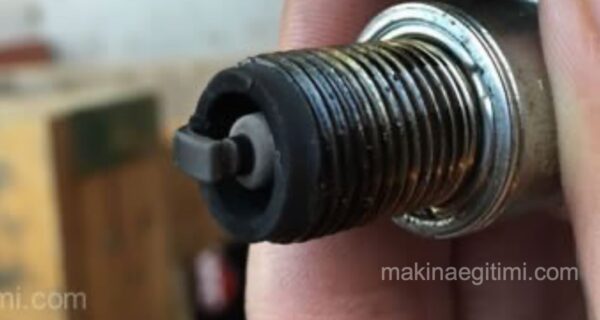
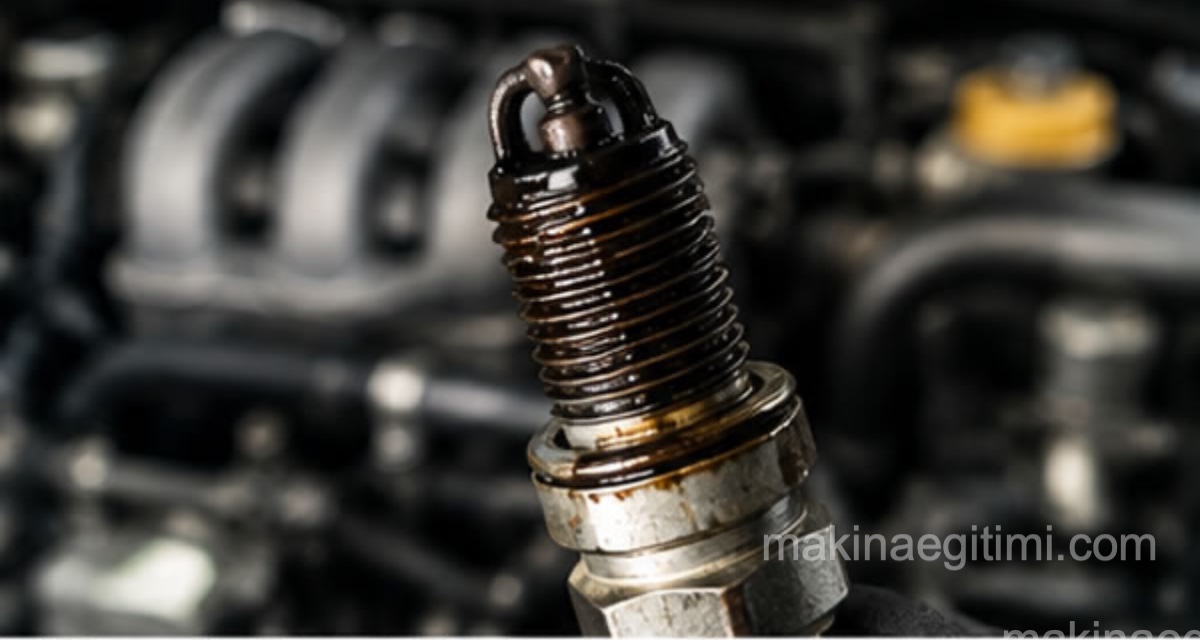
Spark plug cleaning is important for your vehicle’s engine to fire properly. Over time, problems such as oil fouling occur on spark plugs, and the plug can no longer perform its ignition function properly.

For our article on spark plug oil fouling, see: Spark Plug Oil Fouling. Causes and Symptoms of Spark Plug Oil Fouling

When should spark plugs be checked for cleanliness?

Spark plugs should be checked:
When you have your engine’s ignition timing adjusted,
When you have an engine test done,
When you buy a used vehicle.

The service life of a spark plug is 10,000 km. Newer-type spark plugs (platinum-tipped or iridium) have a much longer service life. Spark plug service lives of up to 80,000-100,000 km are possible.

A spark plug that has been dropped or cleaned should always be checked, and its gap should be measured. A spark plug with cracks or chips in its porcelain insulator should not be used.

spark plug check feeler gauge
Checking the spark plug gap with a feeler gauge

What should the spark plug gap be? How is this gap adjusted?
The spark plug gap should be set according to the manufacturer’s catalog value. Generally, the spark plug gap is about 0.8-1 mm. The gap is measured and checked with the help of a feeler gauge.

Cause of Carbon Buildup


Black carbon buildup on spark plugs is generally caused by a rich fuel mixture or the use of low-quality fuel.

Wire Brush Risk


Cleaning a spark plug with a wire brush can cause microscopic damage to the electrode surface, harming ignition performance.

Replacement Recommendation


For standard spark plugs, it’s recommended to replace them at a certain mileage (usually 20,000-30,000 km) rather than clean them.

Methods of Cleaning Spark Plugs

cleaning a spark plug with a spark plug cleaning machine
Spark plug cleaning machine

What are spark plugs cleaned with, and how?
Spark plugs are cleaned in a spark plug cleaning machine by blasting compressed air and abrasive grit. If you don’t have a spark plug cleaning machine, it’s done through manual cleaning, the details of which we explain below.

How Is Spark Plug Cleaning Done

Above, you can see a video about spark plug cleaning. The video covers the details we’ll explain below.

how is spark plug cleaning done

If there’s excessive carbon buildup, a propane torch can be used for spark plug cleaning

The spark plug is held upright so debris falls away.
If there’s excessive carbon deposit on the spark plugs, the deposits can be burned off with a propane torch or something similar. The plug’s electrode is cleaned of carbon deposits with fine sandpaper.
Never bend the ground electrode — the spark plug gap must not be disturbed.

cleaning a spark plug with a brush
Cleaning a spark plug with a wire brush

Another method besides burning is cleaning the deposits with a brush. The fouled areas are cleaned with a clean toothbrush or a wire brush.

cleaning a spark plug with cleaning fluid
Using cleaning fluid to clean a spark plug

Spark plugs can be cleaned with spark plug cleaning fluid, or if you don’t have that, with injector (carburetor) cleaning fluid, or with alcohol or gasoline, or with brake-parts cleaner spray (widely available in industrial supply shops), again using a clean toothbrush.

how spark plug cleaning is done
Drying after spark plug cleaning

After the deposits are cleaned off, the plug is wiped with a clean, dry cloth. If you have one, it can be dried with a hair dryer. Again, if you have access to one, air from a compressor can also be used.

Related Questions

The layer of oil on the spark plug weakens or entirely prevents the spark that needs to form between the electrodes. This leads to the fuel-air mixture not igniting properly, and as a result, the engine running weakly or roughly.

These materials withstand much higher temperature and wear than the metal used in standard spark plugs. This durability makes the electrode tip erode more slowly, allowing the plug to keep doing its job for far more kilometers.

Related Posts

Driver checking under the hood after car fails to start Car Cranks But Won’t Start: What Could Be the Cause? Signs, Causes and Effects of Piston Ring Wear Piston Ring Wear in an Engine Spark Plug Lifespan. How Do You Know When Its Time to Replace It? Spark Plug Lifespan. How Do You Know When Its Time to Replace It? Amortisör arızası nasıl anlaşılır How to Tell a Shock Absorber Has a Fault. Shock Absorber Fault Diagnosis Engine Misfire Problem and Its Causes Why Does an Engine Misfire? Engine Misfire Problem Motor Yağı Seçimi Nasıl yapılır How to Choose Engine Oil Motordan Gelen Vuruntu Sesi Inspection and Replacement Times for Vehicle Parts Motor çalışmıyorsa Muhtemel Sebepler If the Engine Won’t Start, the Reason. Reasons the Engine Won’t Start

Share. Facebook Twitter WhatsApp Tumblr Email Telegram Copy Link

Leave A Reply Cancel Reply

Why Is Kenya So Successful at Long-Distance Running?
Spark Plug Lifespan. How Do You Know When Its Time to Replace It?
  • Contact
  • Terms of Service
  • Privacy & Cookie Policy

Type above and press Enter to search. Press Esc to cancel.