

Learn how all the parts on the machine operate. Learn the machine’s control system and how it works.
Report abnormal sounds from machines, oil leaks, excessive pressure readings on the manometer, and abnormal movements in cylinders or motors to the relevant personnel.
Wear protective work clothing when working around rotating parts.
Use safety glasses while working to protect your eyes from flying metal fragments or fluid that could spray from high-pressure pipes/hoses.
While working, use the relevant machine’s protective guards, tools, and safe working methods.
Before performing maintenance, inspection, or repair on a machine, first flip the switch that supplies its electrical current, and cut the power.
Don’t put yourself or the machine at risk by rushing or performing repair and maintenance work in a hurry.
Don’t operate the hydraulic system carelessly. This can lead to very high shocks and sudden impacts, damaging hydraulic circuit components and causing significant material and non-material losses.
Before beginning maintenance, find out which valve produces forward or backward movements in the machine. It could pinch and crush you.
Note down any important points you notice during your work that could save time during maintenance and repair, and share this information with your colleagues to help prevent accidents.
Pressure Check
Before working on hydraulic systems, confirm the pressure reading on the manometer is within the manufacturer’s limits.
Personal Protective Equipment
Hydraulic/pneumatic maintenance personnel must always wear safety glasses, gloves, and appropriate work clothing.
Lockout-Tagout (LOTO)
Before maintenance, system pressure must be released, and the energy source disabled using a lockout-tagout (LOTO) procedure.
Related Questions
If the power isn’t cut, the machine could start unexpectedly during maintenance. This creates a risk of the person working among the moving parts getting pinched or injured.
A sudden, uncontrolled start-up can create high-pressure shock waves in the system. These shocks strain pipes, hoses, and valves, damaging the equipment and potentially causing fluid to spray out.
Related Posts
 Occupational Health and Safety in Welding Work
  Safe Forklift Use. Forklift Safety Rules
  Occupational Safety on Press Machines
  What Is Personal Protective Equipment (PPE)? What Are Its Types?
 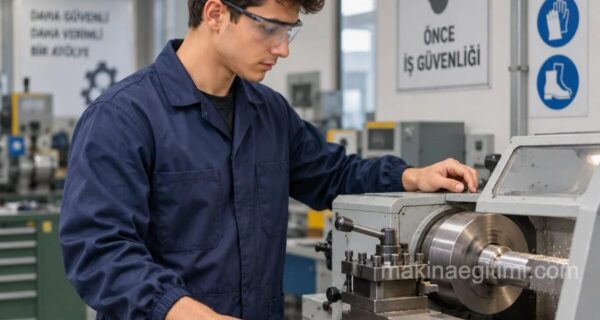 Safety Rules for Working on a Lathe
  Workplace Safety and Misuse of Hand Tools
  Occupational Safety When Working With Electricity
  5S Management in Workshops and Factories