
Close Menu
  • MAKİNELER ve İMALAT
    • Tools & Equipment
    • Computer-Aided Drawing
    • CAD/CAM Education
    • CNC Machine Programming
    • Casting Technologies
    • Electrical & Electronics Technologies
    • Hydraulics & Pneumatics
    • Manufacturing Processes
    • Manufacturing Technologies
    • Occupational Safety
    • Mold & Die Design
    • Solid Modeling
    • Welding Technology
    • Machine Elements
    • Mechanical Trade Drawing
    • Materials Science
    • Automotive & Vehicle Technologies
    • Robotics Technologies
    • Health Technologies
    • Defense & Aerospace Technologies
    • Descriptive Geometry
    • Technical Drawing
    • Software & Hardware Technologies
    • Innovative Manufacturing Methods
  • TEKNOLOJİ ve YAŞAM
    • OTOMOBİLLER ve TAŞIT
      • Vehicle & Engine Knowledge
      • Safe Driving
      • Sürüş Destek Sistemleri
    • Genel Kültür
      • Movies & TV Shows
      • Görsel ve Grafik Sanat
      • Books & Literature
      • Music
      • Sports
      • History
      • History of Technology
    • GÜNDELİK YAŞAM TEKNOLOJİLERİ
    • Hobbies & Entertainment
    • Internet Technologies
    • Health
    • Mobile Technologies
Makine Eğitimi
  • Machines & Manufacturing
    Machine Elements
    Hydraulics & Pneumatics
    Technical Drawing
    Computer-Aided Design & Manufacturing
    Basic Manufacturing Processes
    Manufacturing Processes
    Industry Technologies
    Other Technical Courses
    Motion & Power Transmission
    Simple Machines
    Chains & Sprockets
    Shafts & Journals
    Gears
    Cams
    Couplings
    Belts & Pulleys
    Springs
    Bearings
    Keys
    Fastening Joining
    Retaining Rings
    Screws, Bolts & Nuts
    Cotter Pins
    Flanges
    Welding
    Rivets
    Pins & Bolts
    Washers
    Calculators
    Gear Ratio Calculator
    Spring Constant Calculator
    Belt Pulley Ratio Calculator
    Other Machine Elements
    Slides & Linear Guides
    Brakes
    Flywheels
    Clamps
    Shock Absorbers
    Gaskets & O-Rings
    Seals & Sealing Elements
    Hydraulics
    Introduction to Hydraulics & Principles
    Hydraulic Systems & Applications
    Accumulators
    Filters
    Motors
    Pumps
    Valves
    Pneumatics
    Introduction to Pneumatics & Principles
    Pneumatic Systems & Applications
    Pneumatic Circuit Components
    Valves
    Cylinders
    Silencers
    Motors
    Compressors
    Dryers
    Conditioning Units
    Common Topics & Maintenance
    Hydraulic & Pneumatic Maintenance
    Study Notes, Exams & Tests
    Technical Drawing
    Introduction to Technical Drawing
    Geometric Drawings
    Perspective & Projection
    Orthographic Views
    Dimensioning
    Sectioning
    Assembly & Detail Drawings
    Tolerances
    Surface Finish Symbols
    Mechanical Engineering Drawing
    Screws, Bolts & Nuts
    Pulley Drawings
    Gear Drawings
    Shafts & Journals
    Bearing Drawings
    Pins & Bolts
    Spring Drawings
    Welds in Technical Drawing
    Washers
    Cotter Pins
    Technical Drawing Exercises
    Mechanical Drawing Exercises
    Gear Exercises
    View Extraction Exercises
    Pulley Exercises
    Pin & Bolt Exercises
    Threaded Fastening Exercises
    Descriptive Geometry
    Computer-Aided Drawing
    AutoCAD Drawing Lessons
    Solid Modeling & Animation
    Solid Model Drawing Files
    Solid Model Assembly Examples
    Solid Model Drawing Lessons
    3D CAD Software Reviews
    Solid Modeling Exercises
    CNC Programming
    CAM
    Measurement & Inspection
    Dial Indicators
    Calipers
    Gauges
    Micrometers
    Materials Science
    Steels
    Cast Iron
    Aluminum
    Plastics
    Material Testing & Hardness Measurement
    Occupational Safety
    Workshop Safety
    Safety When Working With Electricity
    Machine Safety Rules
    Hand Operations
    Filing
    Marking
    Cutting Operations
    Reaming
    Tapping
    Threading With a Die
    Drill Bit Sharpening
    Working With Machines
    Basic Turning Operations
    Basic Milling Operations
    Shaper Machine
    Machining
    Turning
    Milling
    Grinding
    Innovative Manufacturing Methods
    EDM (Electrical Discharge Machining)
    Laser Machining
    Waterjet Machining
    3D Printing
    3D Scanners
    Welding
    Rolling
    Casting
    Mold & Die Design
    Mechanical & Hydraulic Presses
    Blanking & Piercing Dies
    Bending Dies
    Drawing Dies
    Plastic Injection Molds
    Extrusion Dies
    Compound Dies
    Progressive Dies
    Blow Molds
    Spinning Dies
    Spray Molds
    Manufacturing of Machine Parts
    Automotive & Vehicle Technologies
    Motor Vehicle Manufacturing
    Raw Material Production
    History of Technology
    Health & Medical Technologies
    Defense & Aerospace
    Robotics Technologies
    Software & Hardware Technologies
    Mechanics - Strength of Materials
    Physics Topics
  • Technology & Life
    Hobbies & Entertainment
    Sports
    Music
    Vehicle & Engine Knowledge
    Vehicle Maintenance & Repair
    Safe Driving
    Driver Assistance Systems
    History
    Movies & TV Shows
    Books & Literature
    Computers & Internet
    Computer Tips
    Software Reviews
    Hardware & Peripherals
    Practical & Safe Internet Use
    Visual & Graphic Art
    Mobile Technologies
    Travel
    Science
    Health
    First Aid Knowledge
    Everyday Technologies
Makine Eğitimi
Home»Vehicle Maintenance & Repair»Ways to Tell If Your Car Battery Is Dead
29 August 2026

Ways to Tell If Your Car Battery Is Dead

Ways to Tell If Your Car Battery Is Dead

There are many reasons this can happen. First, it may simply be old. Experts say the average lifespan of a car battery can reach up to five years in ideal conditions. If your vehicle’s battery is older than that, it may be living out its last days before dying.

  • Things that shorten a battery’s lifespan
  • If your battery drains frequently
    • Why doesn’t the battery charge?
  • If You Frequently Have Starting Trouble
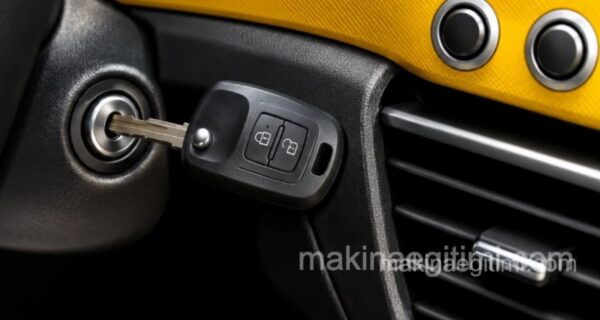
    • If you hear nothing when you turn the ignition key
    • You can hear the starter motor when you turn the ignition key, but the engine won’t start.
  • If Accessories Aren’t Working Properly
  • If There’s a Rotten Egg Smell Coming From Your Vehicle
  • Your Battery Tester Says It’s Dead
  • Related Questions

Things that shorten a battery’s lifespan

  • You leave your vehicle’s sound system or interior lights on for a long time.
  • Your alternator is faulty.
  • You bought a low-quality battery.
  • You’re a complete accessory addict.
  • You’re charging the battery incorrectly.

If the engine doesn’t start when you crank it, or if accessories don’t work or work poorly, the cause can sometimes be corrosion, scaling, or damaged cables on the wires connected to the battery terminals. Make sure this isn’t the case. In the video we’ve shared below, you can see how a damaged and corroded cable affects battery performance.

There are some signs that will tell you whether your battery’s lifespan is over; the trick here is to see whether many, or all, of these signs match your situation. The more of the signs described below that apply to you, the closer your battery is to dying. Here are the signs to watch for:

If your battery drains frequently

Under normal conditions, starting your vehicle will drain the battery slightly, but the alternator (alternator) will recharge it during driving. If you need to charge the battery every 3-5 days or more often, you may suspect the battery is starting to reach the end of its life.

Likewise, if the battery dies within 15-30 minutes while the engine is off and the radio or an accessory is running, this is also one of the signs that the battery’s lifespan is over.

Why doesn’t the battery charge?

If the battery keeps draining even while your vehicle is being driven, this could point to a fault in the alternator, which is responsible for charging the battery.

Your vehicle isn’t charging the battery even though you’re driving it. At first glance, an alternator fault might be suspected, but sometimes corroded (rusted) battery connections can prevent the charging system from filling the battery during driving. In this case, your alternator may not actually be faulty.

Terminal Corrosion


The white/green corrosion layer that forms on battery terminals can block the flow of electricity and cause starting problems.

Average Battery Life


A standard car battery generally lasts between 3-5 years, depending on usage conditions.

Charging System Check


A battery that keeps draining may point to an alternator fault rather than a battery problem.

If You Frequently Have Starting Trouble

When your vehicle’s battery dies, the most obvious sign is that the engine won’t start. Especially in cold weather, it becoming very difficult to start the car after long periods of not running is also a sign.

If you hear nothing when you turn the ignition key

If you hear absolutely nothing when you turn the ignition key, this is a good indication the starter motor isn’t getting power. Combined with other clues, like your headlights not working properly, a dead battery is a fairly likely culprit.

You can hear the starter motor when you turn the ignition key, but the engine won’t start.

You probably already know the sound your vehicle makes when you turn the key. So you may notice subtle changes in that sound that indicate something’s wrong with your vehicle.

Try turning the ignition. Normally you hear the sound of the starter motor running. But when the battery is dead, you’ll only hear a clicking sound.

If Accessories Aren’t Working Properly

The interior lights, dashboard lamp, low-beam headlights, or radio don’t work even though the switch is on when you turn the key. Or they keep turning off on their own.

Check your radio, dashboard lights, automatic doors and windows, headlights, wipers, lights, and speakers. Aren’t they working? These accessories need power — that is, the vehicle’s battery — to operate, so if they don’t work (or work dimmer and weaker than normal), a dead battery may be the culprit.

Focus on your car’s horn first, not the lights. Horns use far more power than your vehicle’s headlights. When the horn doesn’t work, the vehicle’s battery is about to die, or has already died.

If the lights and/or accessories dim or flicker when you press the gas pedal while your vehicle is moving, this is also one of the signs.

If There’s a Rotten Egg Smell Coming From Your Vehicle

Do you smell something bad? Like rotten eggs? That smell is sulfuric acid. Most traditional car batteries are filled with a mixture of sulfuric acid and water. As the battery approaches the end of its life, some of the acid and water evaporate, causing the battery to overheat. This produces that unpleasant smell resembling rotten eggs.

Your Battery Tester Says It’s Dead

If you’re experiencing a few of all these signs, the best and most reliable way to confirm your suspicions is to use a good battery tester and find out whether the battery is dead. This is the most accurate way to know whether your battery still has hope.

Vehicle charging systems normally settle at around 14 volts, and car batteries will generally read around 13 volts when fully and recently charged. Keeping this in mind, normal car batteries are considered “fully discharged” at 10.5 volts, which is only about 80 percent.

If the battery ultimately turns out not to be dead, you might suspect the ignition switch, the solenoid, the starter motor, or things like corroded battery terminals or a loosely connected battery cable. The only way to diagnose this kind of problem is to rule out each of these possibilities one by one.

Related Questions

While the engine isn’t running, these devices continuously drain the battery, and the battery has no chance to recharge itself. These repeated deep discharges wear down the battery’s chemical structure and shorten its lifespan.

Corrosion weakens the electrical connection between the battery and the cable. This weak connection can prevent enough current from reaching the starter motor, making it harder for the vehicle to start.

Related Posts

Alternator faults header image Alternator (Charging Dynamo) Faults White Smoke Coming from the Exhaust and Its Causes White Smoke Coming from the Exhaust and Its Causes Changing Spark Plugs. How Is a Spark Plug Change Done? Changing Spark Plugs. How Is a Spark Plug Change Done? Spark Plug Oil Fouling: Causes and Symptoms Spark Plug Oil Fouling: Causes and Symptoms Driver checking under the hood after car fails to start Car Cranks But Won’t Start: What Could Be the Cause? Spark Plug Faults and Their Causes Spark Plug Faults and Their Causes What Does the Noise from the Valves Mean? What Does the Noise from the Valves Mean? 5 Tips for Cleaning Pet Hair 5 Tips for Cleaning Pet Hair
Share. Facebook Twitter WhatsApp Tumblr Email Telegram Copy Link

Leave A Reply Cancel Reply

The Battle of Gallipoli: How One Front Changed a Nation’s Fate
The Black Death: How Did a Pandemic Bring About the End of the Middle Ages?
  • Contact
  • Terms of Service
  • Privacy & Cookie Policy

Type above and press Enter to search. Press Esc to cancel.