
📑 Table of Contents:
Vehicle Dashboard Panel Symbols
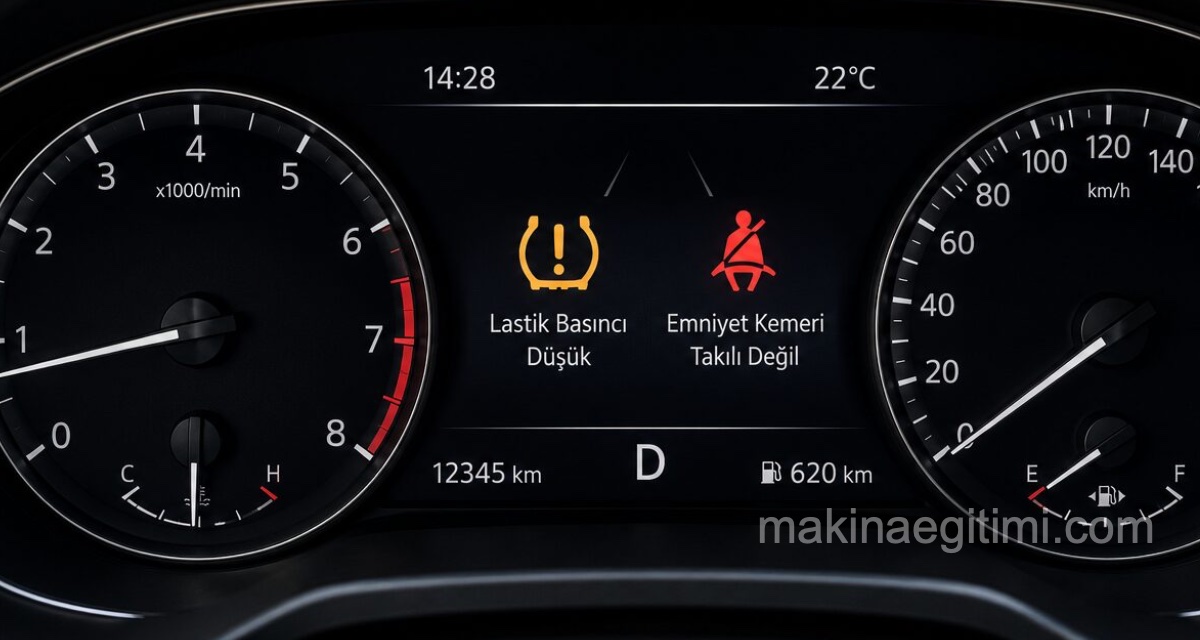
Vehicle dashboard panel symbols are important warning systems that inform the driver about the vehicle’s operating condition and give advance notice of potential malfunctions. These symbols, which light up when you turn on the ignition or while the vehicle is in motion, provide information about many components such as the engine, brake system, battery, oil pressure, tire pressure and electronic safety systems. While some warning lights are purely informational, warning lights that light up red in particular may require you to stop the vehicle safely.
DETAYLARINI MERAK ETTİĞİNİZ ÖGEYE TIKLAYIN

DETAYLARINI MERAK ETTİĞİNİZ ÖGEYE TIKLAYIN
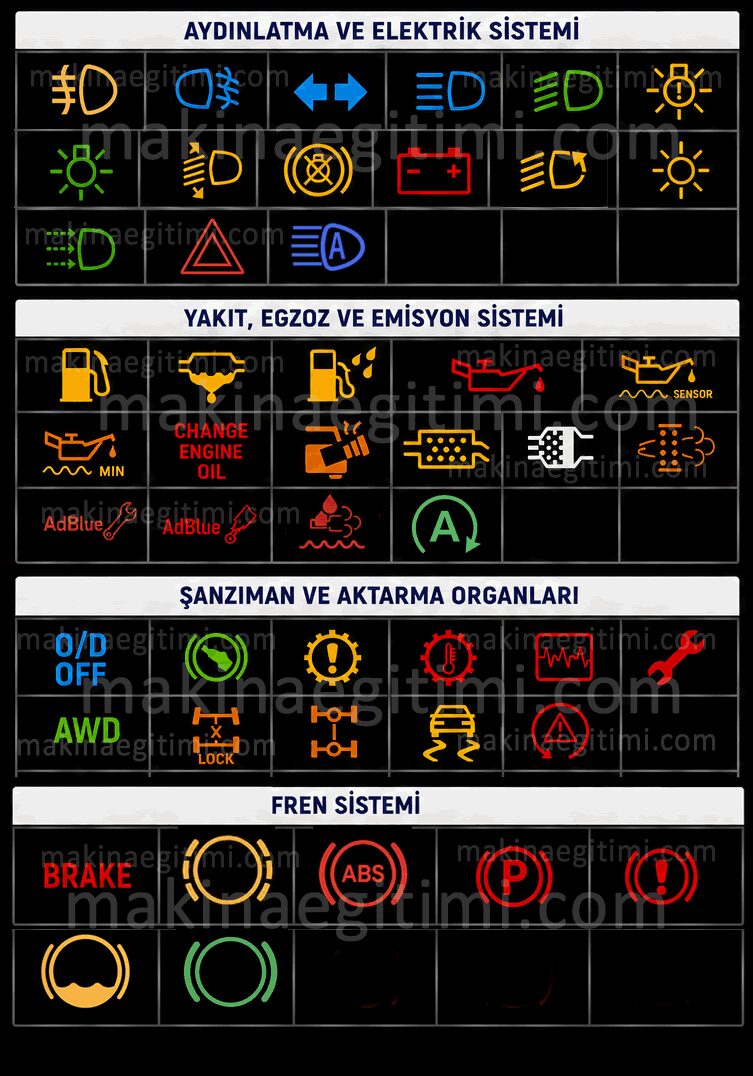
In this comprehensive guide, you can review vehicle dashboard panel symbols and their meanings with images, and learn what the engine malfunction light, ABS light, ESP light, battery warning light, oil pressure light, temperature gauge and all other car warning lights mean. You can also find practical information about when each warning light comes on, whether you can continue driving, and the first checks you should make.
Although dashboard designs vary slightly between vehicle manufacturers, most of the symbols used comply with international standards. For this reason, the information here serves as a general reference for cars, light commercial vehicles and many different makes and models.
What Do the Colors of the Warning Lights Mean?
🟥 Red: Stop the vehicle in a safe place and check the problem.
🟨 Yellow/Orange: You can continue driving, but have it checked at the first opportunity.
🟩 Green: The system is active or operating normally.
🔵 Blue: Informational purposes only (for example, high beam).
Engine and Engine Management System Warning Lights
Engine warning lights notify the driver of malfunctions related to the engine’s operation, performance and electronic engine management system. In this section, you can find the meanings of dashboard symbols related to engine failure, overheating, oil pressure, the injection system and engine performance.
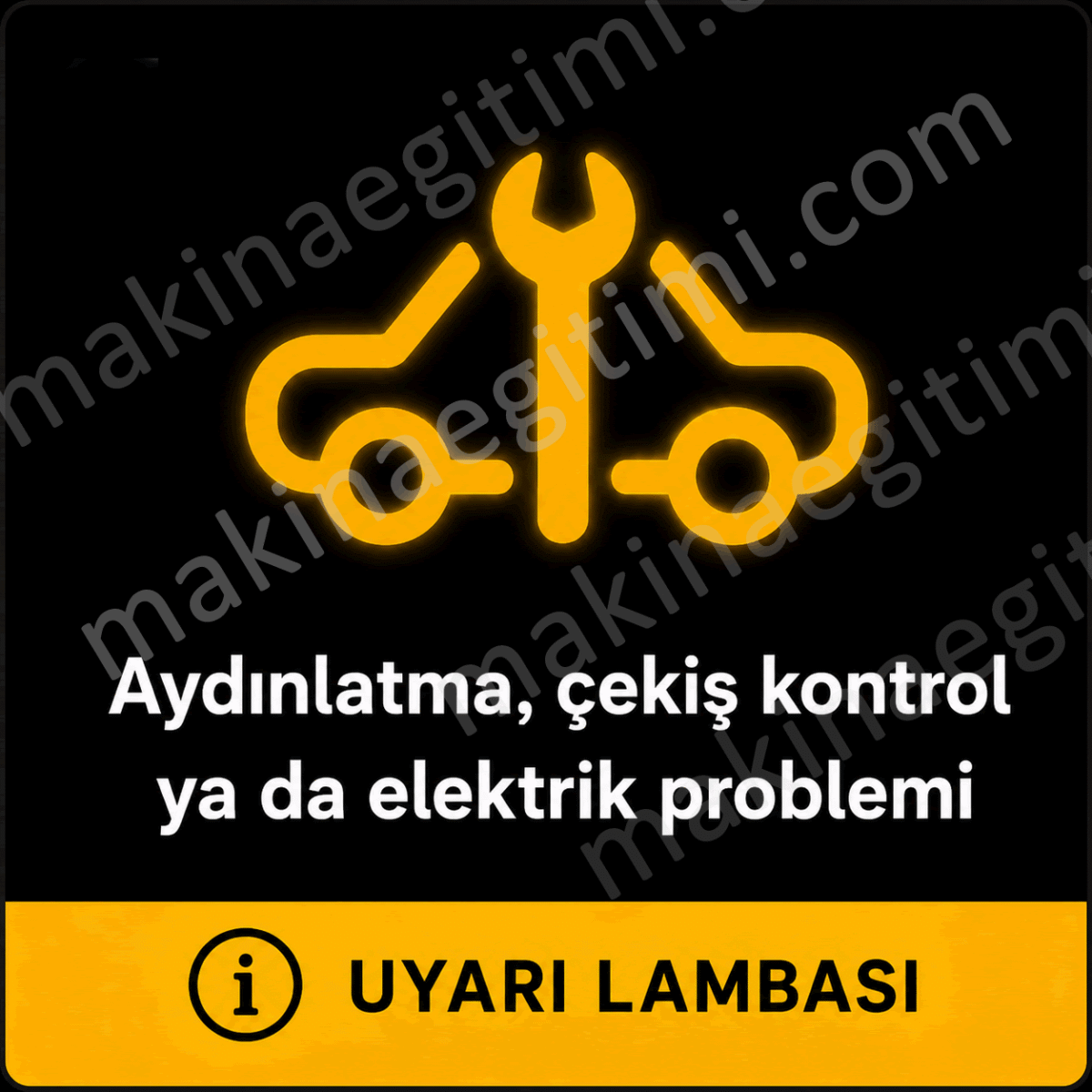
System Fault Warning Light
Meaning: A general warning light indicating that a fault has been detected in one of the vehicle’s electronic control systems.
Possible Causes
- Electrical system fault
- Traction control system fault
- Lighting system fault
- Sensor or control unit fault
What To Do
Check the other warnings on the dashboard. Connect the vehicle to a diagnostic scanner. If the problem persists, visit a service center.
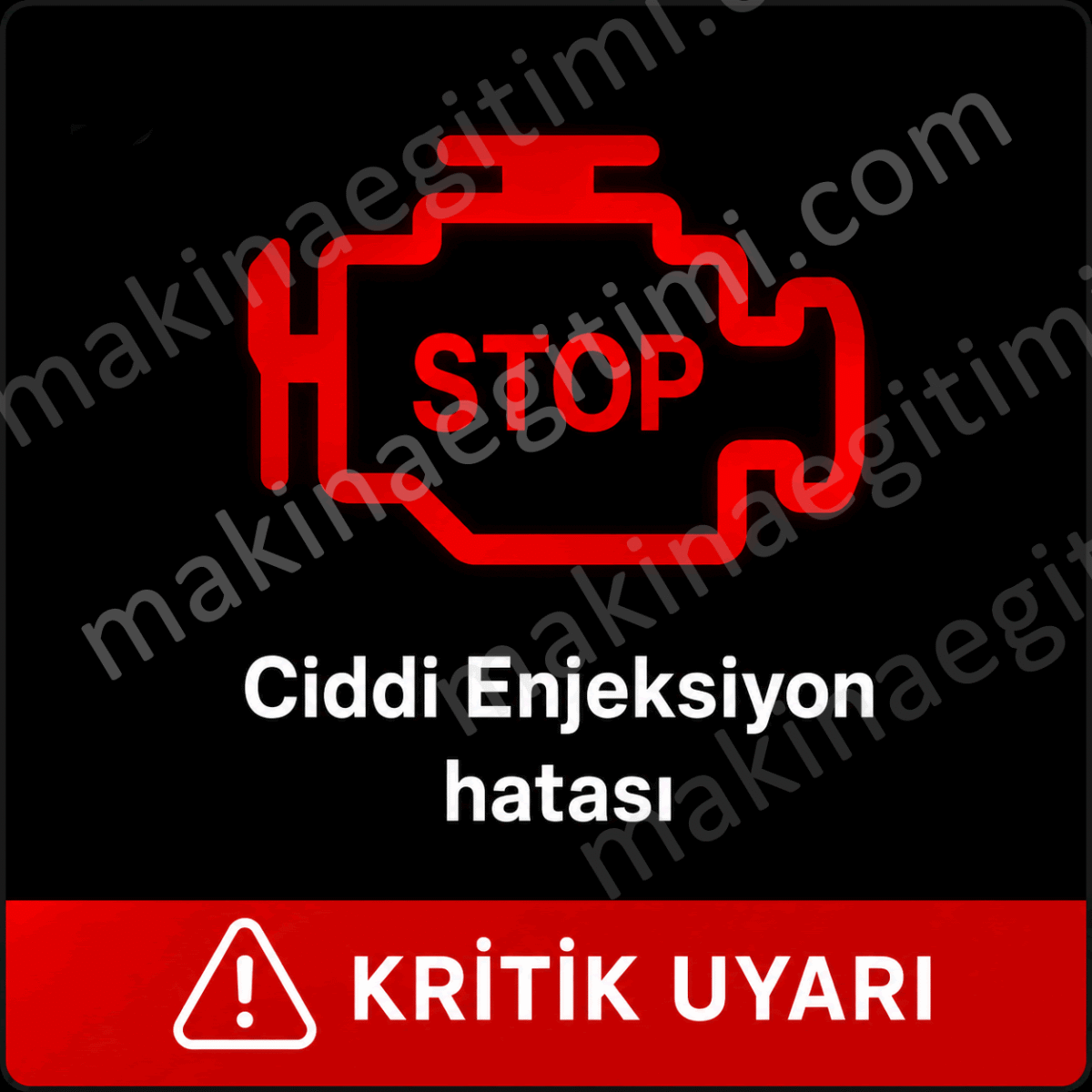
Severe Injection Fault
Meaning: This warning light comes on to protect the engine when a serious fault is detected in the fuel injection system.
Possible Causes
- Injector fault
- Fuel pump fault
- Low fuel pressure
- ECU fault
- Fuel system fault
What To Do
Stop the vehicle in a safe place. Do not push the engine. It is recommended that you have the vehicle towed to a service center.
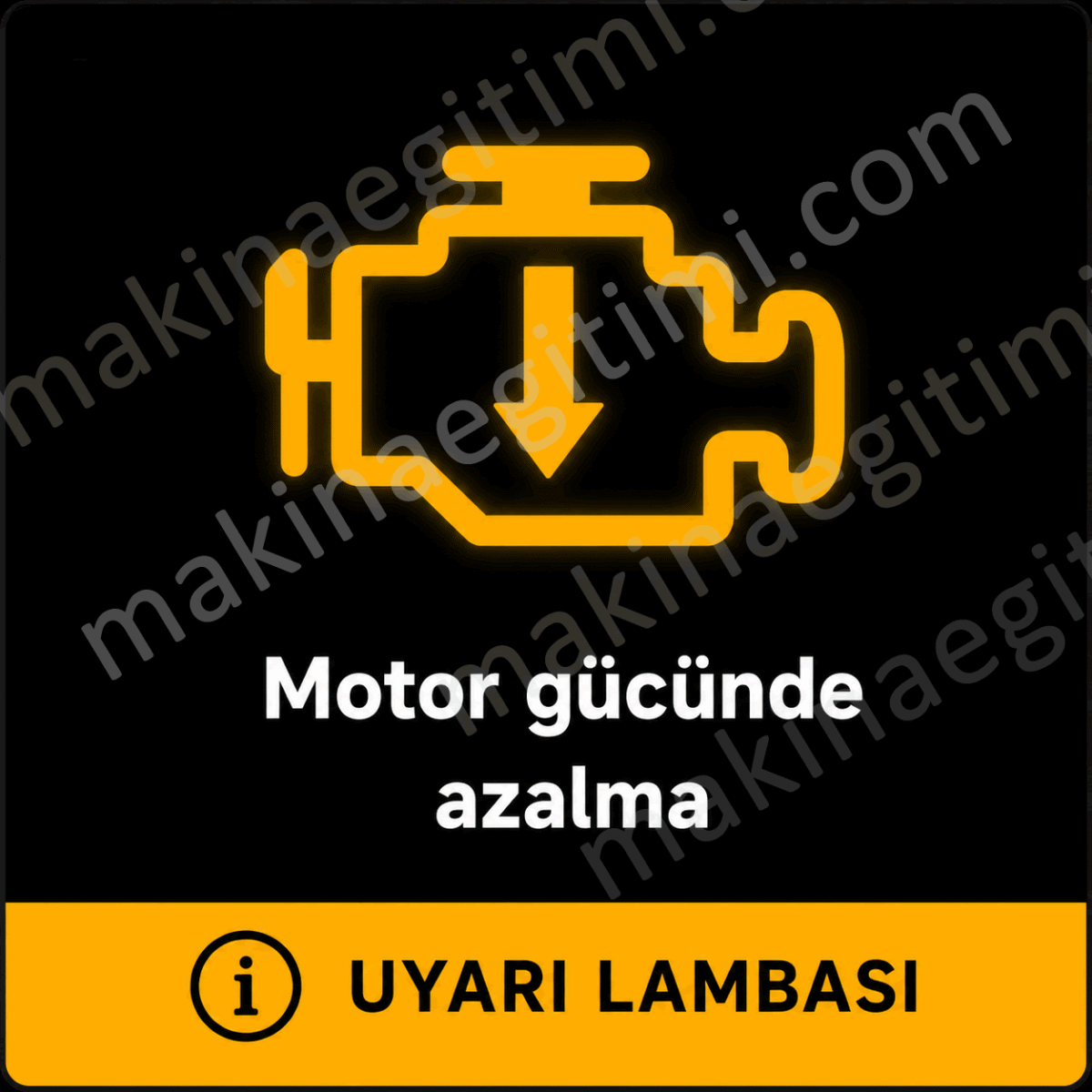
Reduced Engine Power Light
Meaning: This warning light comes on when the engine management system limits engine power to prevent a fault.
Possible Causes
- Turbo system fault
- Throttle body fault
- Fuel supply problem
- Sensor fault
- ECU protection mode
What To Do
Drive the vehicle without pushing it. Have a diagnostic check performed as soon as possible. Avoid driving that would strain engine performance.

Catalytic Converter System Fault
Meaning: Indicates that the catalytic converter in the exhaust emission system has lost efficiency or developed a fault.
Possible Causes
- Low coolant Radiator fault Thermostat fault Water pump fault Cooling fan not working
What to do?
Do not drive the vehicle under heavy load for extended periods. Have a diagnostic check performed. The emission system should be inspected.

Glow Plug Warning Light
Meaning: Indicates that the glow plugs in diesel engines are active, or that there is a fault in the system.
Possible Causes
- Glow plug fault
- Relay fault
- Electrical connection problem
- Engine control system fault
What To Do?
Wait for the light to go out before starting the engine. If the light does not go out or flashes, visit a service center. Do not ignore the fault.
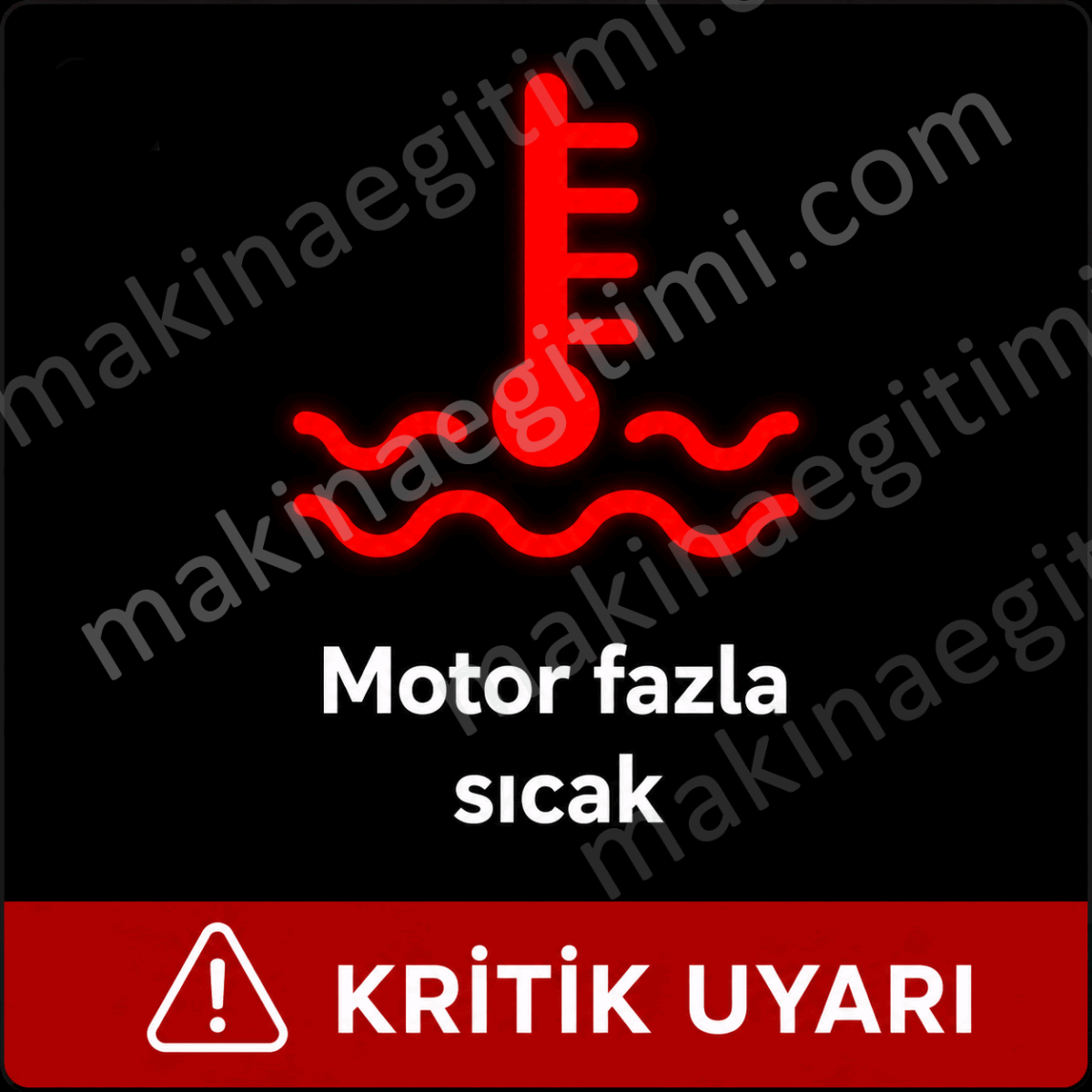
Engine Overheating Warning Light
Meaning: This warning light comes on when the engine coolant temperature is excessive.
Possible Causes
- Low coolant level
- Radiator fault
- Thermostat fault
- Water pump fault
- Cooling fan not working
What To Do
Stop the vehicle in a safe place. Wait for the engine to cool down. Check the coolant level. If overheating persists, visit a service center.

Engine Fault Light
Meaning: The engine control unit turns on this warning light when it detects a fault in the engine.
Possible Causes
- Ignition system fault
- Oxygen sensor fault
- Injector problem Fuel system fault
- Emission system fault
What To Do
If the light is on steadily, you can carefully drive to a service center. If it is flashing, the vehicle should not be driven. OBD fault codes should be read with a diagnostic scanner.

Press the Brake Pedal to Start the Engine
Meaning: Indicates that in vehicles with automatic transmission, the brake pedal must be pressed to start the engine.
What To Do?
Press the brake pedal. Then start the engine. If the warning persists, have the brake light switch checked.

Air Filter Warning Light
Meaning: Indicates that the engine air filter is dirty, clogged, or needs to be replaced.
Possible Causes
- Dirty air filter
- Clogged filter element
- Prolonged lack of maintenance
What To Do
Check the air filter. Replace the filter if necessary. Do not skip scheduled maintenance.
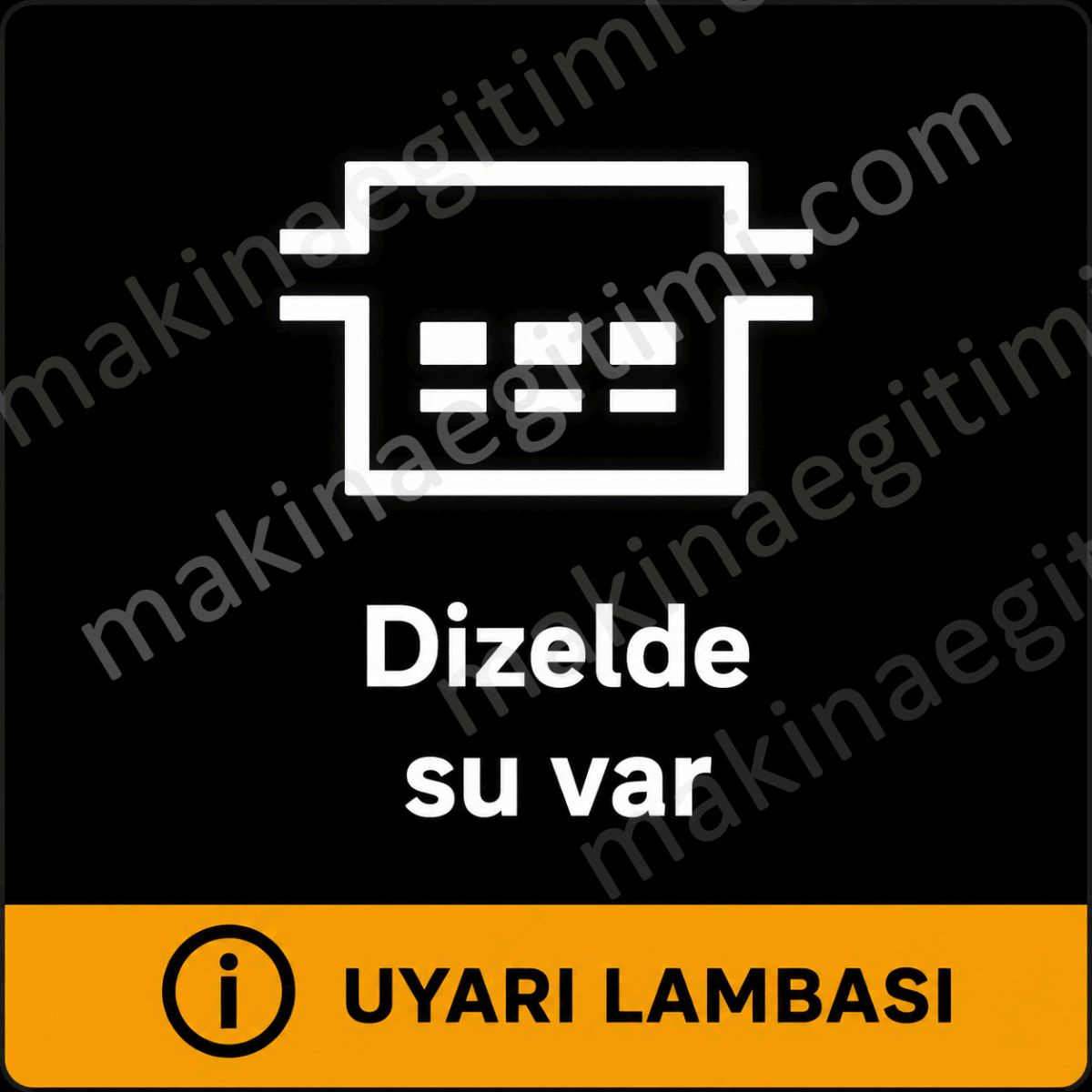
Water in Fuel Filter Warning Light
Meaning: Indicates that water has accumulated in the diesel fuel filter and needs to be drained.
Possible Causes:
Water accumulation in the fuel filter. Use of low-quality fuel. Water entering the fuel system
What To Do?
Drain the water from the fuel filter. Have the fuel filter checked. If the problem persists, visit a service center
Lighting and Electrical System Warning Lights
The lighting system warning lights on the vehicle dashboard indicate the operating status or possible faults of headlights, fog lights, daytime running lights (DRL), adaptive headlight systems and other lighting equipment, as well as faults that may occur in the vehicle’s battery, alternator, charging system and electrical circuits. These symbols allow the driver to notice lighting system issues early and continue driving safely.

Front Fog Light On
Meaning: An informational light indicating that the front fog lights are on.
Recommendations: Use in foggy conditions or when visibility is low. Do not leave it on unnecessarily.
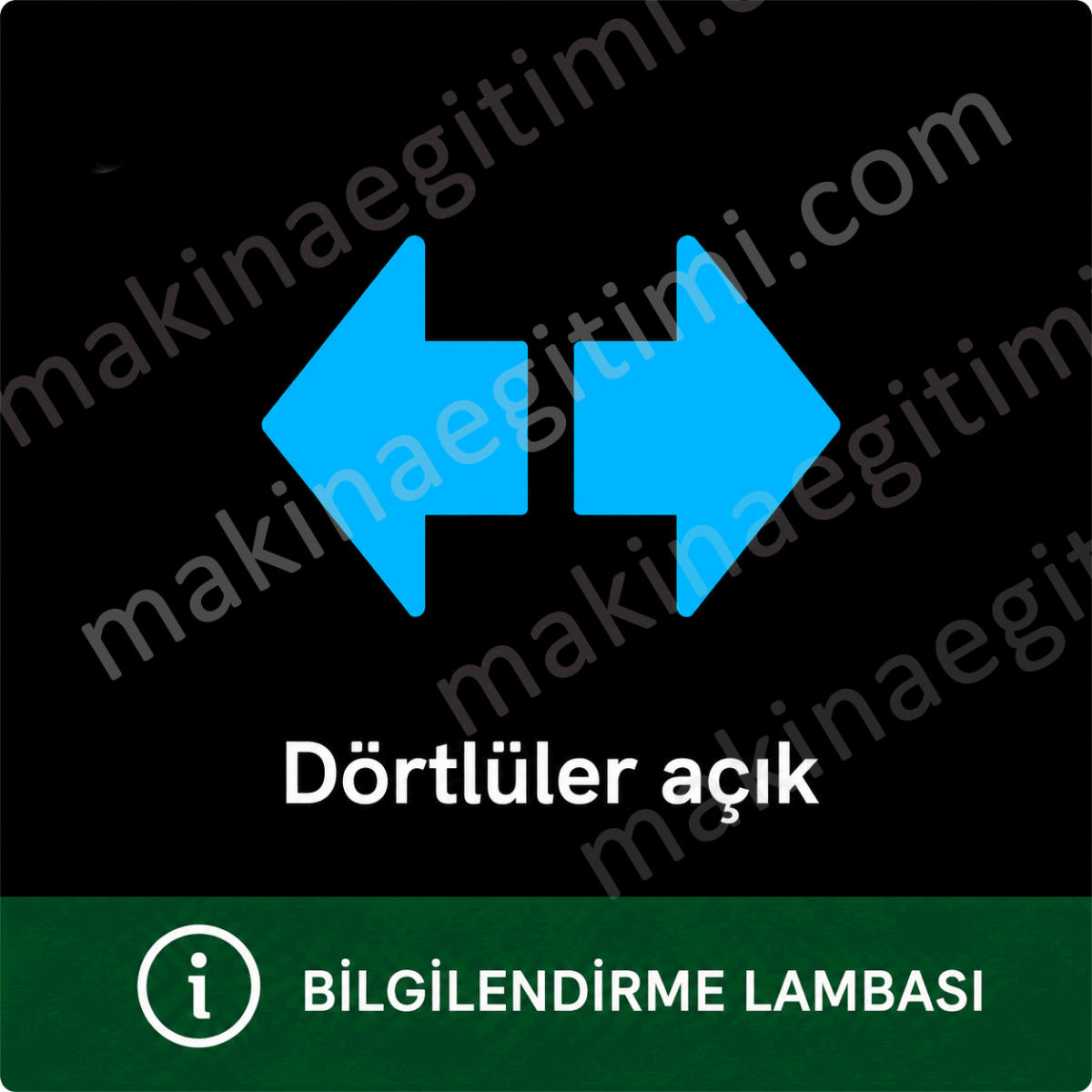
Hazard Lights On
Meaning: An informational light indicating that the hazard flashers are active.
Recommendations: Use in emergencies. Remember to turn it off when you are done.

Low Beams On
Meaning: An informational light indicating that the low beam headlights are on.

Exterior Lighting System Warning Light
Meaning: Indicates that there may be a fault in the low beam, turn signal, brake light or another exterior lighting element.
Possible Causes
- Bulb fault
- Fuse fault
- Electrical connection problem
- LED module fault
What To Do?
Check all exterior lights. Replace any faulty bulb. If the problem persists, have the electrical system checked
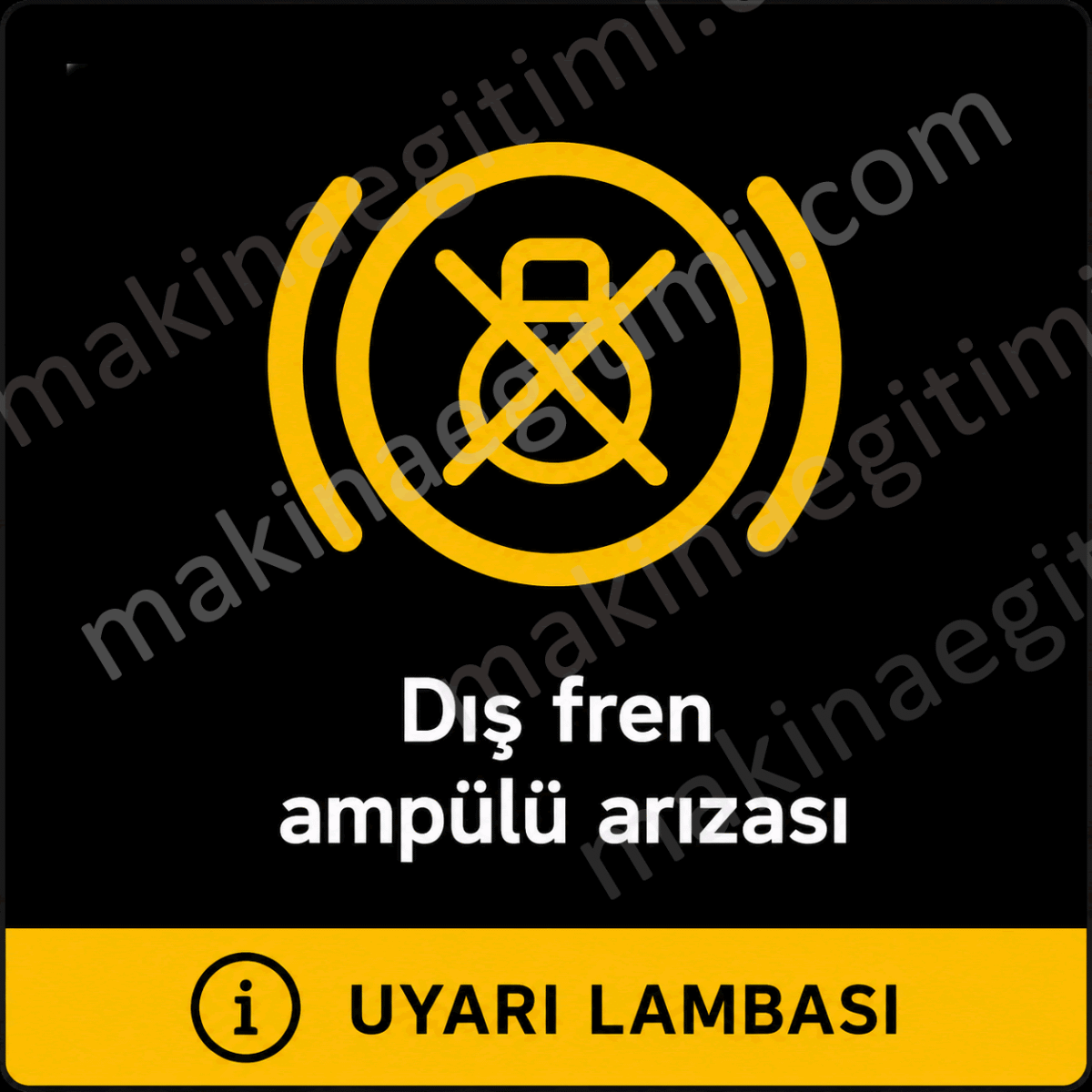
Warning Light Indicating a Brake Light Bulb Fault
Meaning: Indicates that one of the brake lights is not working or is faulty.
Possible Causes
- Brake bulb fault
- LED brake light fault
- Fuse fault
- Electrical connection problem
What To Do?
Check whether the rear brake lights are working. Replace the faulty bulb. If there is a problem in the LED light assembly, have it checked at a service center. If the warning does not go out, check the wiring and fuses.

Adaptive Headlight System Warning Light
Meaning: Indicates that there is a fault in the adaptive headlight system or that the system has been deactivated.
Possible Causes
- Headlight leveling motor fault
- Headlight level sensor fault
- Electrical connection problem
- Control module fault
What To Do?
Be careful when driving at night. Have the adaptive headlight system checked. Do not use the system until the fault is resolved.
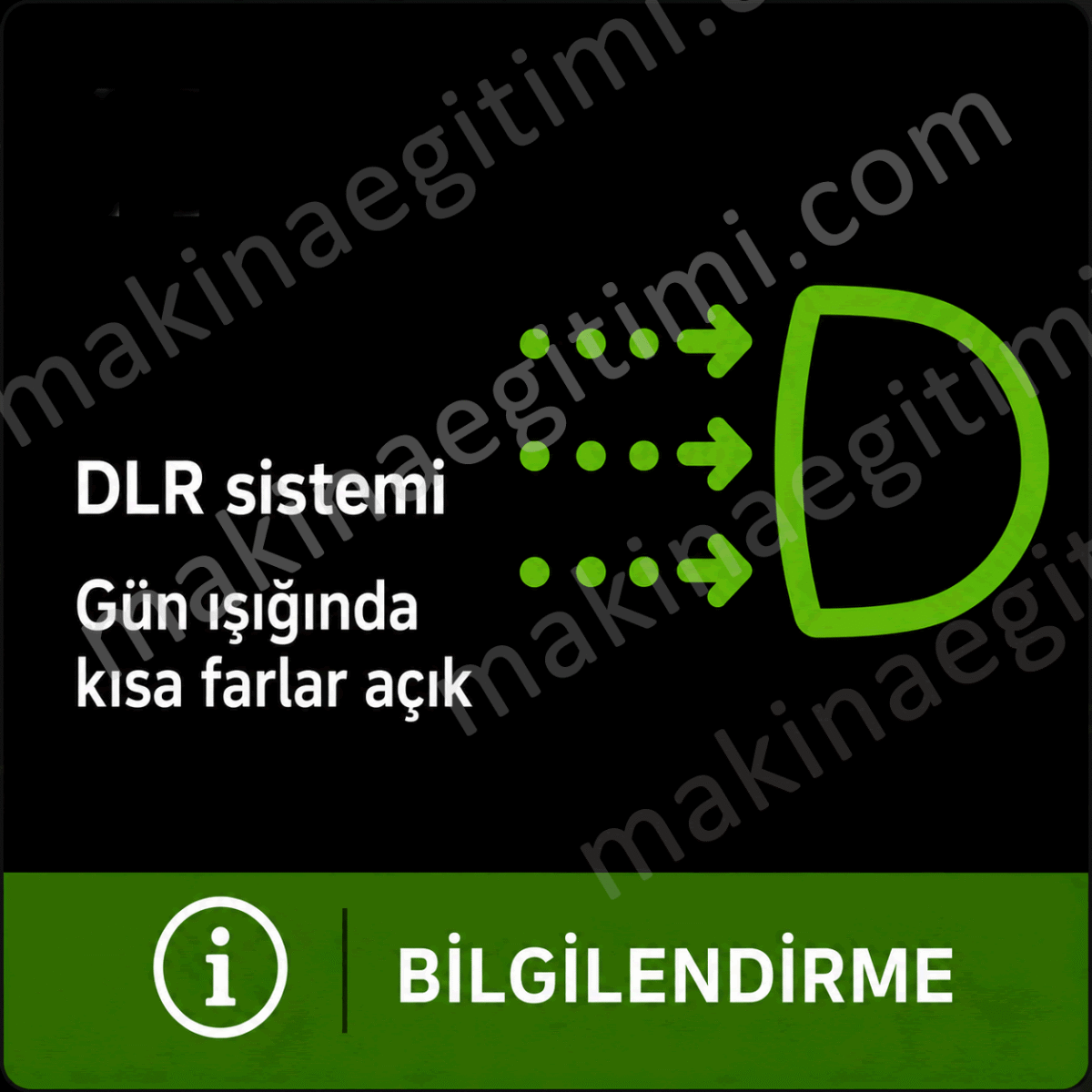
Daytime Running Light (DRL) Informational Light
Meaning: An informational light indicating that the daytime running lights (DRL) are active.
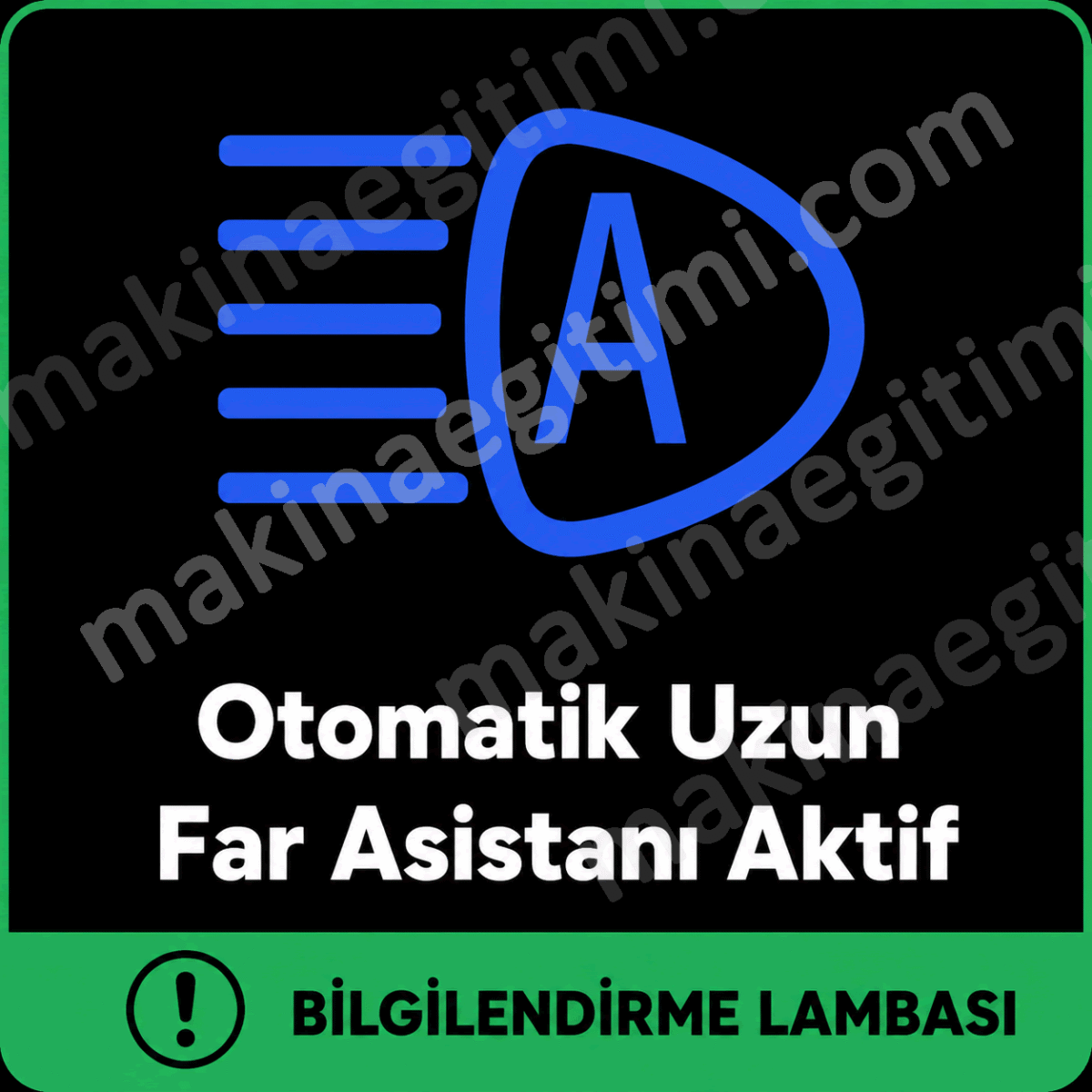
Automatic High Beam Assist Active
Meaning: The High Beam Assist system is active. The system automatically switches the high beams on and off by detecting traffic and road conditions.
You do not need to do anything. The system is operating normally. You can also manually control the high beams if needed.
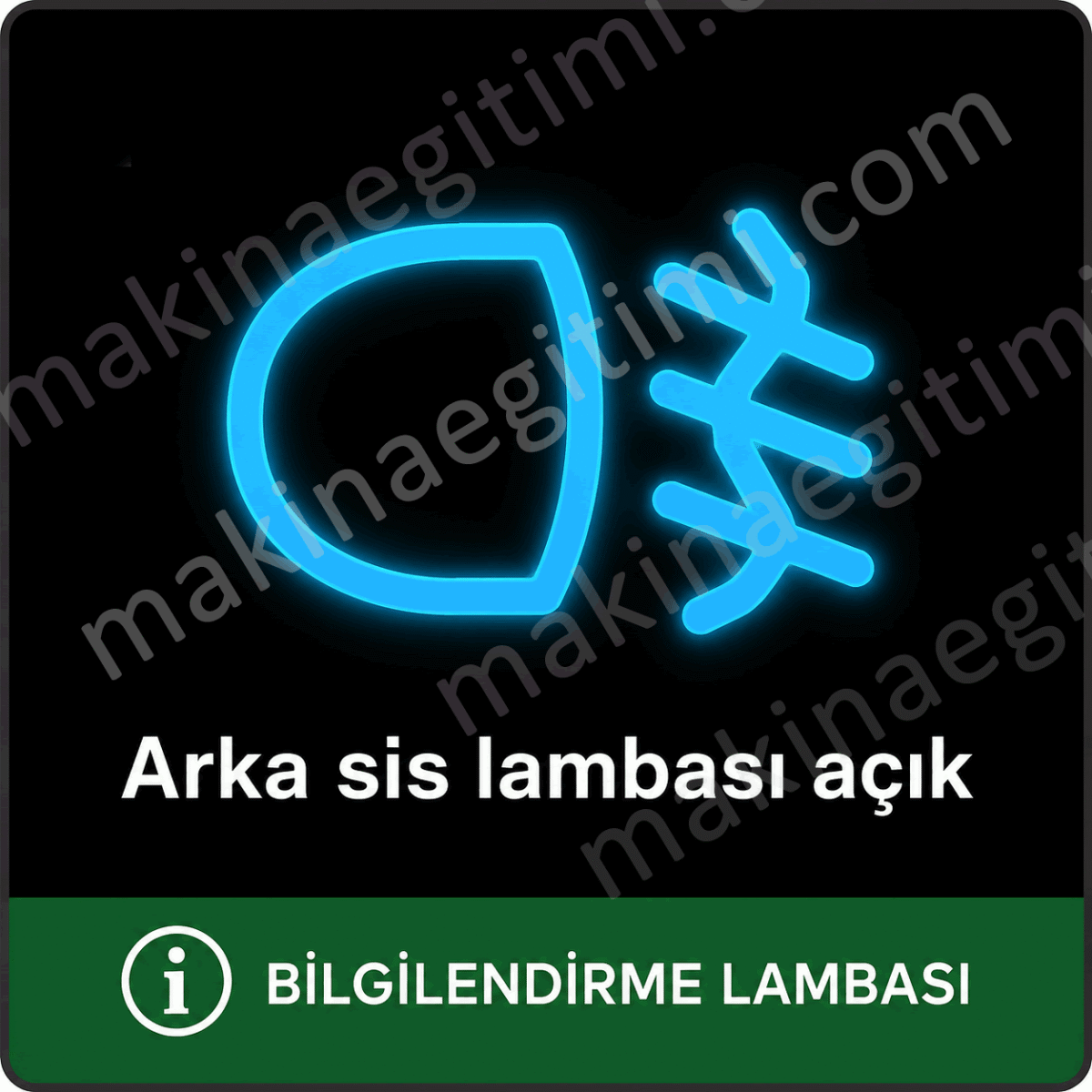
Rear Fog Light On
Meaning: An informational light indicating that the rear fog light is on.
Recommendations: Use in heavy fog, snow or heavy rain. Turn it off once visibility returns to normal.

High Beams On
Meaning: An informational light indicating that the high beams are on.
Recommendations: Switch to low beams when an oncoming vehicle approaches. Do not use high beams in residential areas.

Bulb Fault Warning Light
Meaning: Indicates a fault in the vehicle’s parking light, brake light, license plate light or interior lighting system.
Possible Causes
- Bulb fault
- Fuse fault
- Wiring problem
- Socket connection problem
What To Do?
Check the faulty light. Replace the bulb if necessary. Have the electrical connections checked.
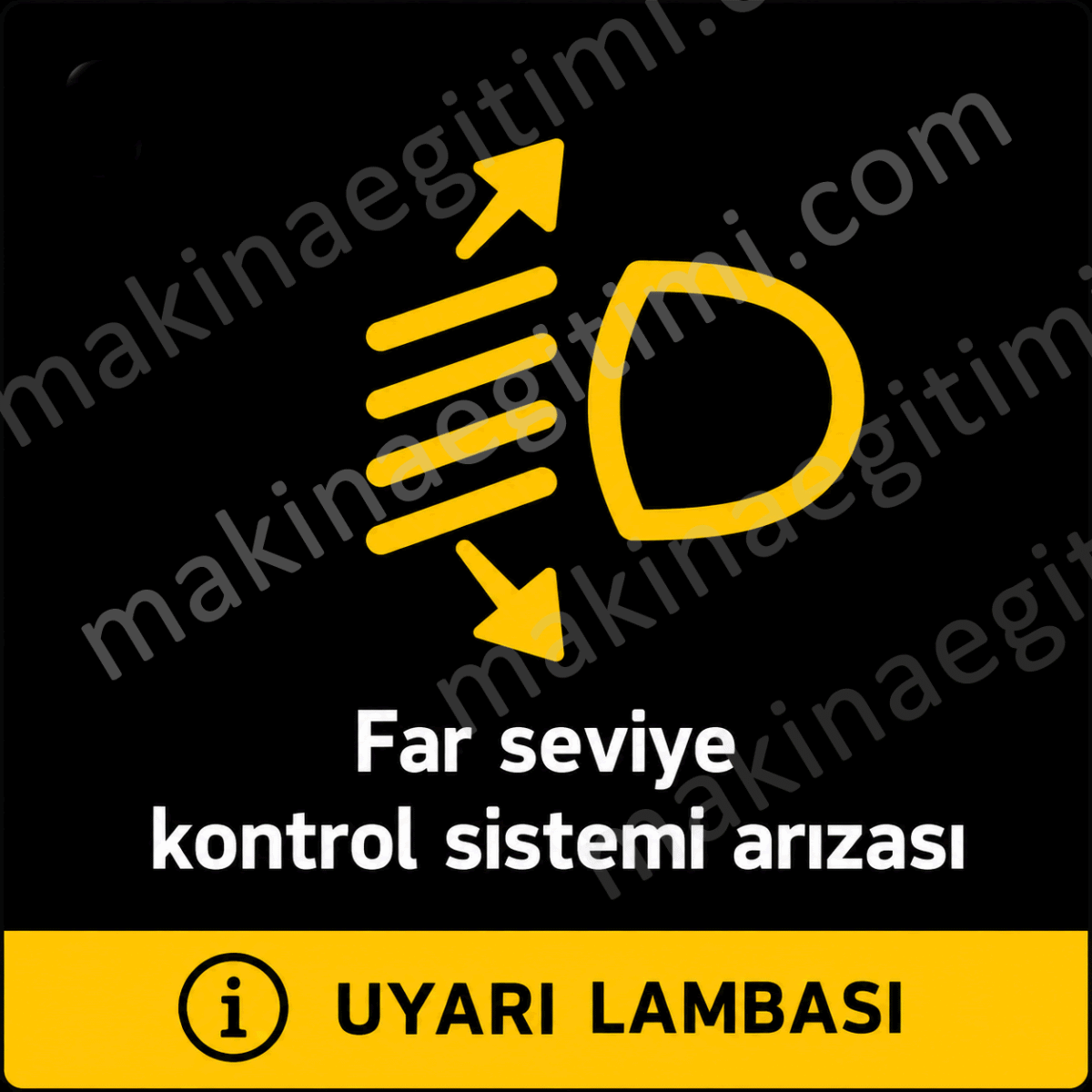
Headlight Level Control System Fault
Meaning: Indicates a fault in the headlight height adjustment system.
Possible Causes
- Headlight level sensor fault
- Leveling motor fault
- Electrical connection problem
- Control module fault
What To Do?
Be careful when driving at night. Have the headlight leveling system checked. Monitor headlight alignment until the fault is resolved

Battery Charging System Warning Light
Meaning: Indicates a fault in the battery charging system or alternator, and that the battery is not being charged sufficiently.
Possible Causes
- Alternator fault
- Drive belt broken or loose
- Battery fault
- Electrical connection problem
What To Do?
Reduce electrical usage. Stop the vehicle in a safe place. Have the charging system checked as soon as possible.

Exterior Lighting Fault Warning Light
Meaning: Indicates that one of the vehicle’s exterior lights is not working properly.
Possible Causes
- Bulb fault
- LED module fault
- Fuse fault
- Electrical connection problem
What To Do?
Check all exterior lights. Replace the faulty bulb. If the problem persists, have the electrical system checked.

Hazard Warning Lights On
Meaning: Indicates that the vehicle’s hazard warning lights are active. All turn signals flash simultaneously.
Possible Causes
- The hazard flasher button has been pressed.
- The vehicle has automatically activated the hazard lights in emergency mode.
- In some vehicles, the system may automatically turn on the hazard lights after sudden braking.
What To Do?
If you are using them for an emergency or safety reason, no action is needed. If they are on unnecessarily, turn them off by pressing the hazard flasher button. If the warning does not go off despite turning it off, the flasher button or electrical system should be checked.
Fuel, Exhaust and Emission System Warning Lights
This section covers dashboard symbols related to the fuel system, exhaust system and emission control. You can learn the meanings of the fuel level, DPF (particulate filter), AdBlue, catalytic converter and exhaust emission system warning lights, and under what conditions they come on.

Low Fuel Warning Light
Meaning: Indicates that the fuel level is low and the tank needs to be filled soon. The light is yellow when fuel is running low, turning red as it nears empty. After it lights up yellow, you can typically still drive another 20 to 40 km.
What To Do?
Refuel as soon as possible. Do not wait for the fuel to run out completely.

Water in Fuel Filter Warning Light
Meaning: Indicates that water has accumulated in the diesel fuel filter and needs to be drained.
Possible Causes
- Water accumulation in the fuel filter
- Use of low-quality fuel
- Water entering the fuel system
What To Do?
Have the water drained from the fuel filter. Have the fuel filter checked. Prefer reliable fuel stations.
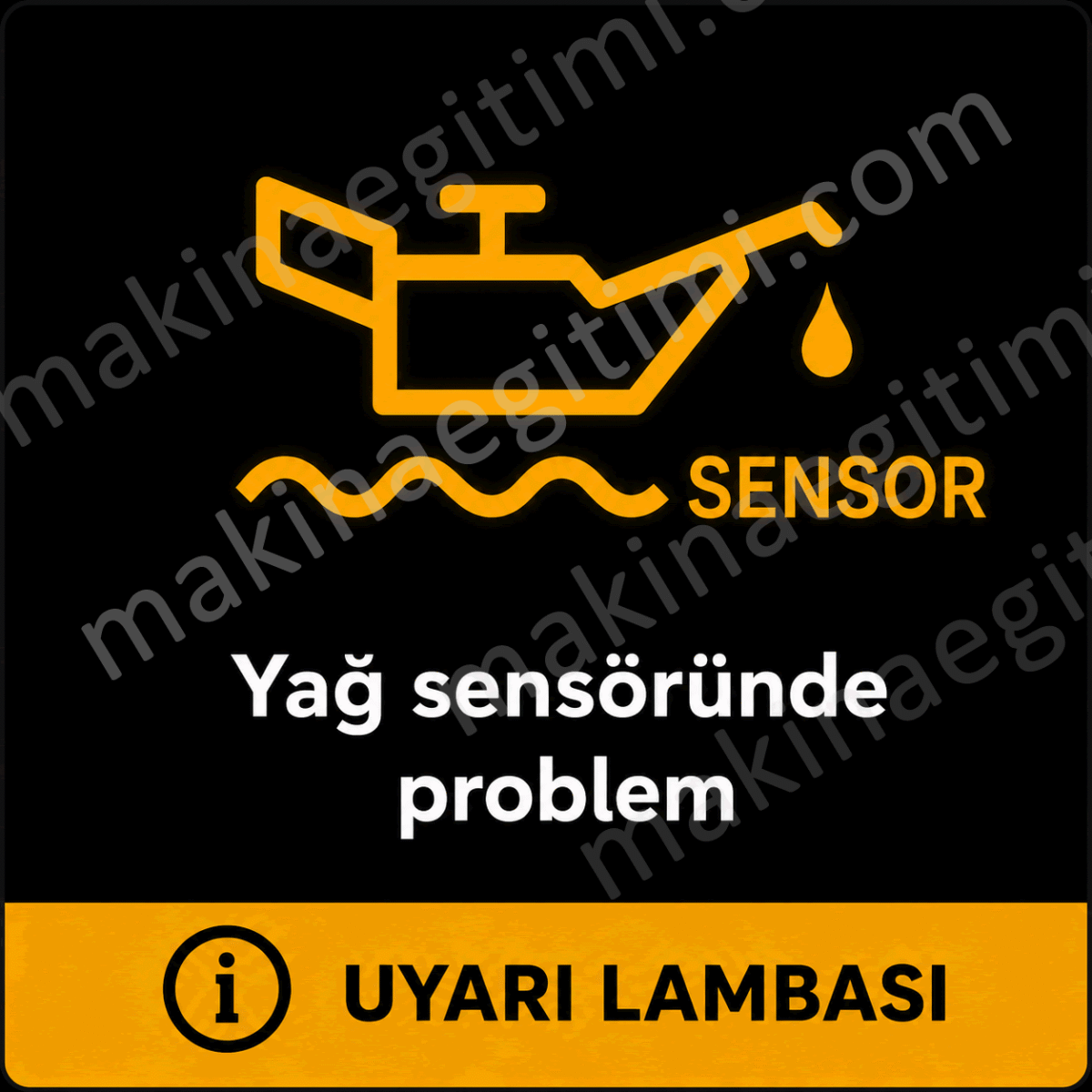
Engine Oil Sensor Warning Light
Meaning: Indicates a fault in the engine oil level or oil pressure sensor.
Possible Causes
- Oil level sensor fault
- Electrical connection problem
- Sensor wiring damage
- Control unit fault
What To Do?
Manually check the engine oil level. Have the sensor system checked. If the warning persists, visit a service center.

Engine Oil Change Warning Light
Meaning: Indicates that the engine oil has reached the end of its service life and it is time for an oil change.
Possible Causes
- Engine oil low
- Oil leak
- Excessive oil consumption
- Overdue maintenance
What To Do?
Stop the vehicle in a safe place. Check the engine oil level. Add the appropriate engine oil if needed. Do not drive the vehicle if the warning persists.

DPF Clogged Warning Light
Meaning: Indicates that soot has accumulated in the diesel particulate filter (DPF) and it needs to be cleaned.
Possible Causes
- Particulate filter full
- Continuous short-distance driving
- Regeneration process could not complete
- Exhaust emission system fault
What To Do?
Allow regeneration to complete under suitable road conditions. If the warning does not go out, visit a service center. Have the DPF cleaned or checked.
Related Article: How to Clean a Diesel Particulate Filter

Diesel Particulate Filter Warning Light
Meaning: Indicates a fault in the Diesel Particulate Filter (DPF) system, or that the filter is severely clogged. The exhaust emission system may not work normally and engine performance may drop.
Possible Causes
- The DPF filter may be severely clogged.
- The regeneration process could not be completed.
- The DPF pressure sensor may be faulty.
- A fault may have occurred in the exhaust emission system.
What To Do?
If possible, follow the DPF regeneration instructions in the vehicle’s owner’s manual. If the warning does not go out, have the vehicle checked at a service center. Do not drive the vehicle for an extended period with this warning on.
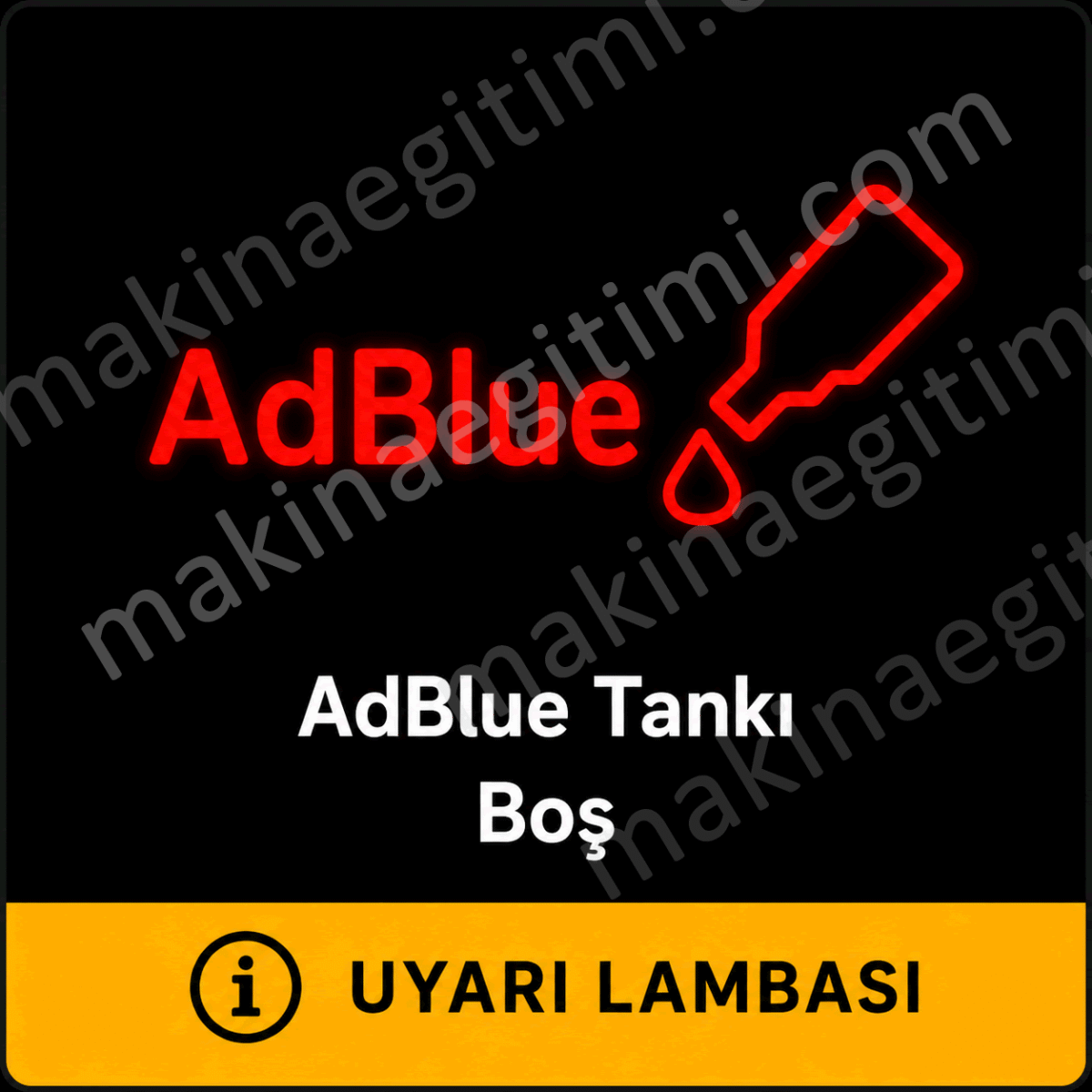
General AdBlue System Warning Light
Meaning: Indicates that the fluid in the AdBlue tank is low and needs to be refilled soon
What To Do?
The AdBlue level should be checked. If necessary, ISO 22241-compliant AdBlue should be added. It should not be neglected for a long time.
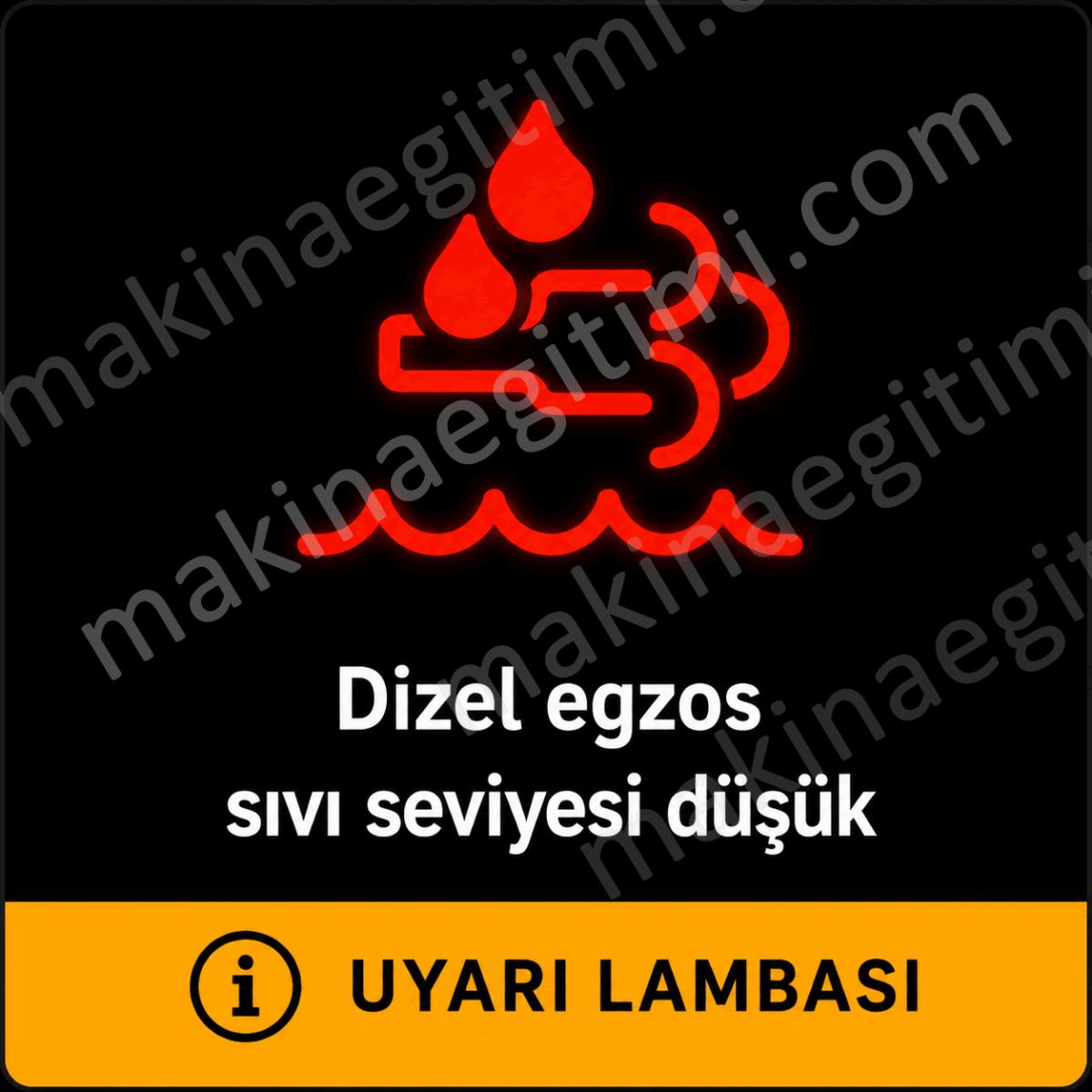
AdBlue Quality, Dosage or SCR Emission System Fault Light
Meaning: This symbol mostly indicates an SCR emission system fault. It generally requires a service check. This light often comes on together with the engine fault light.
Possible Causes:
- AdBlue quality is poor or the wrong fluid was added.
- The AdBlue injector is faulty.
- The SCR catalyst is inefficient.
- The NOx sensor is faulty.
- The AdBlue pump is not working.
- The heating system is faulty.
- AdBlue injection is not occurring.
What To Do?
- Check the AdBlue level and add appropriate AdBlue if necessary.
- Review the warning message on the dashboard.
- If the warning does not go out, have the vehicle checked with an OBD scanner.
- Do not delay the fault for a long time; otherwise you may encounter a performance limitation or a restart lockout.

Fuel Filter Fault Warning Light
Meaning: Indicates that the engine fuel filter is dirty, clogged, or faulty.
Possible Causes
- Fuel filter clogged
- Use of low-quality fuel
- Dirt buildup in the fuel system
- Filter maintenance overdue
What To Do?
Have the fuel filter checked. Replace the filter if necessary. Have the fuel system serviced.

Low Engine Oil Level Warning Light
Meaning: Indicates that the engine oil level has dropped below the safe operating limit.
Possible Causes
- Engine oil low
- Oil leak
- Excessive oil consumption
- Overdue maintenance
WHAT TO DO?
Stop the vehicle in a safe place. Check the engine oil level. Add the appropriate engine oil if needed. Do not drive the vehicle if the warning persists.
Related Article: How to Check Engine Oil
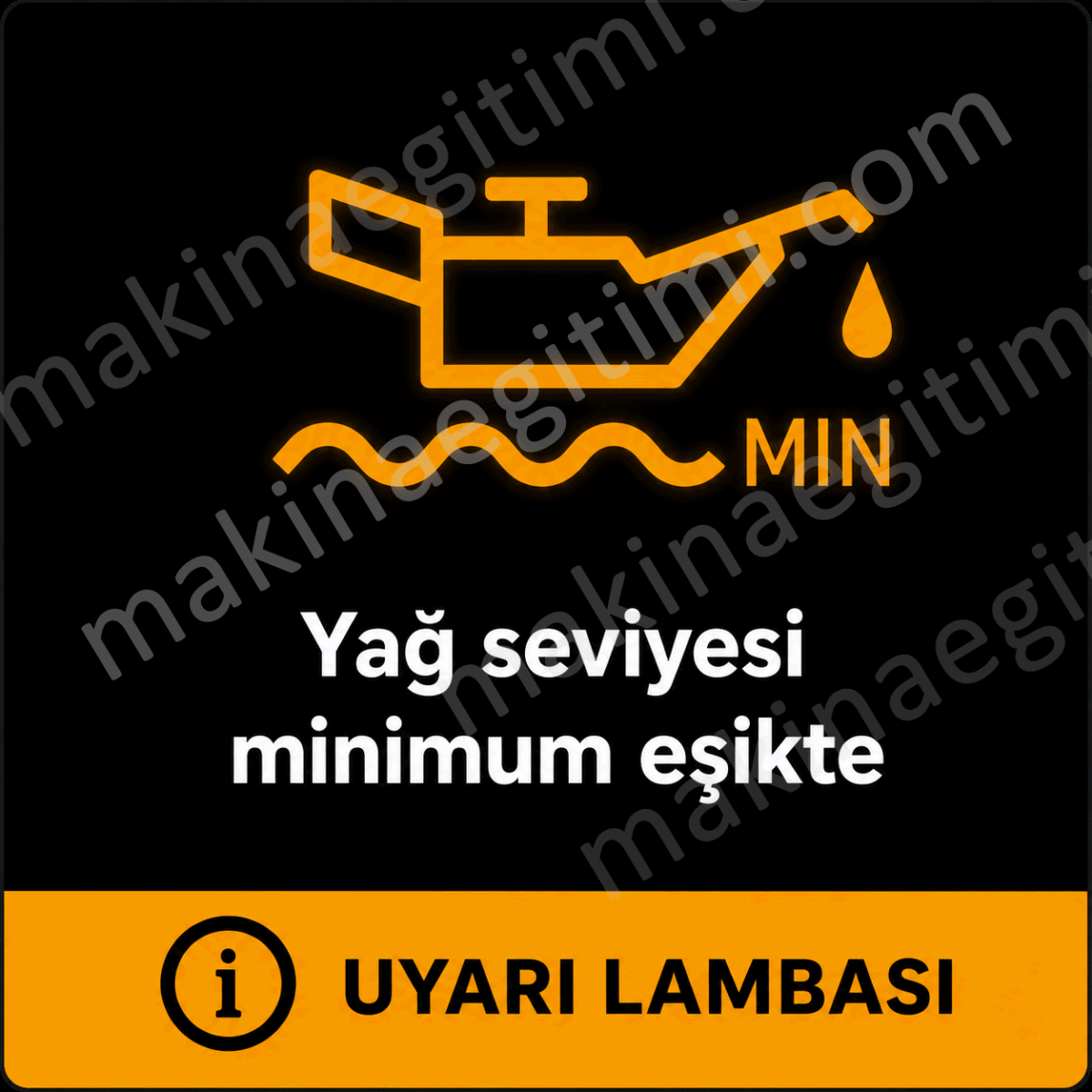
Engine Oil at Minimum Level Warning Light
Meaning: Indicates that the engine oil level is at the minimum limit and oil needs to be added soon.
Possible Causes
- Engine oil reduced
- Normal oil consumption
- Minor oil leak
What To Do?
Check the engine oil level. Add the appropriate engine oil if necessary. Monitor the oil level regularly.

Fuel Cap Open Warning Light
Meaning: Indicates that the fuel filler cap is not fully closed or properly locked.
Possible Causes
- Fuel cap loose
- Fuel cap left open
- Cap seal damaged
- Leak in the EVAP system
What To Do?
Close the fuel cap tightly. Check the seal. If the warning persists, have the EVAP system checked.
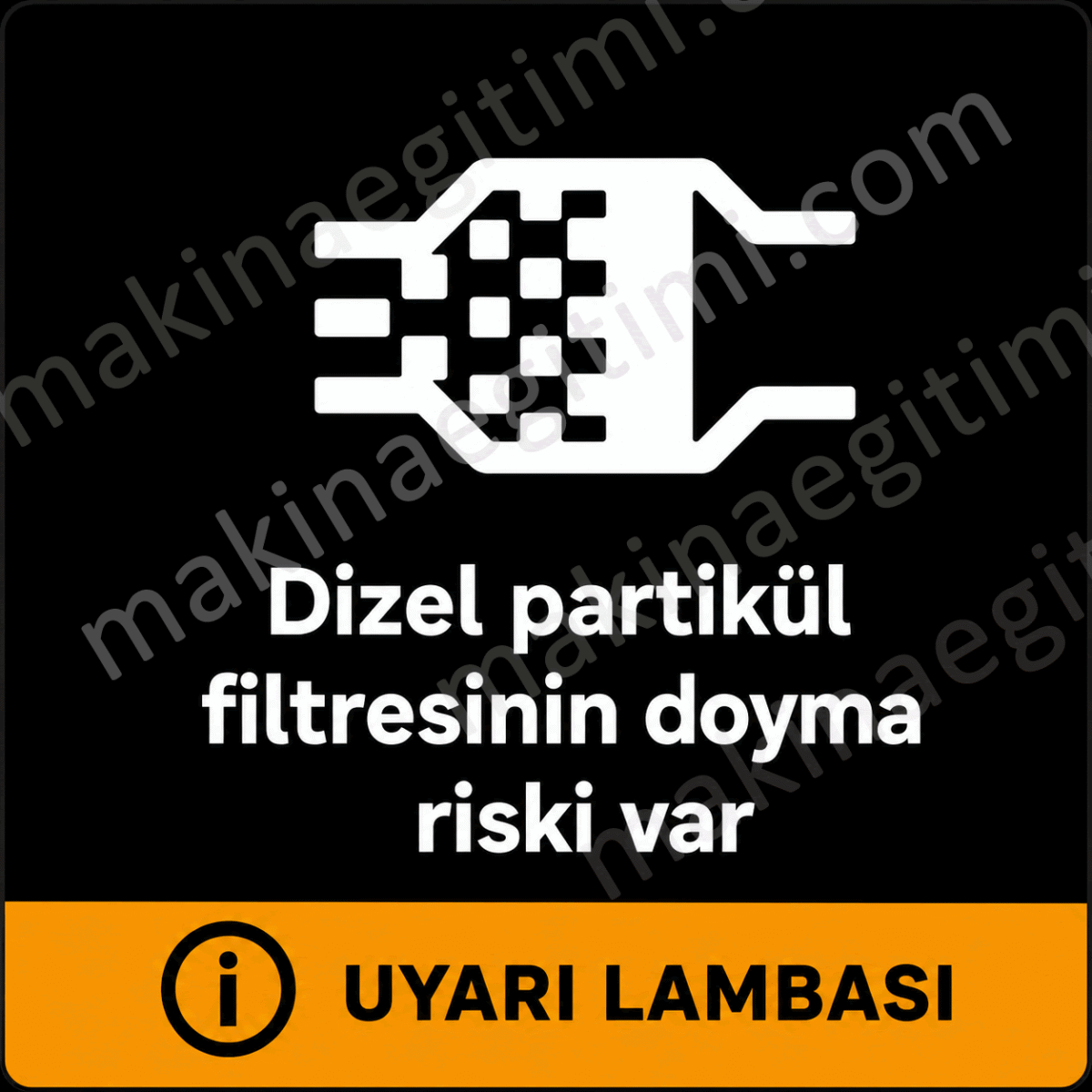
DPF Saturation Risk Warning Light
Meaning: Indicates that the diesel particulate filter is nearing full capacity and regeneration is needed soon.
Possible Causes
- Soot buildup in the particulate filter
- Prolonged low-rpm driving
- Regeneration could not be completed
What To Do?
Perform the regeneration process as recommended by the manufacturer. If the warning persists, visit a service center. Do not let the DPF become completely clogged.

AdBlue System Fault Warning Light
Meaning: Indicates that a fault has been detected in the AdBlue (SCR) system and the emission control system is not working properly.
Possible Causes
- AdBlue pump fault
- SCR system fault
- NOx sensor fault
- AdBlue injector fault
- Electrical connection problem
What To Do?
Have a diagnostic check performed. Check the AdBlue level. If the warning persists, have the system checked at a service center.

Start/Stop System Active
Meaning: The Smart Start/Stop system is active. When the vehicle stops, the engine has been automatically shut off to save fuel and reduce emissions.
Possible Causes
- The Start/Stop system has been activated.
- The vehicle has come to a complete stop.
- The system has temporarily stopped the engine.
- The Start/Stop system is operating normally.
What To Do?
You do not need to do anything. The engine will restart automatically when you release the brake pedal (automatic transmission) or press the clutch (manual transmission). If you do not want to use the Start/Stop feature, you can turn the system off using the relevant button.
Brake System Warning Lights
Brake system warning lights are among the most important dashboard symbols in terms of driving safety. In this section, you can find the meanings of warning lights related to brake fluid, the ABS system, the electronic parking brake, brake pads and other brake system components, as well as the checks you should make.

Brake Fluid Warning Light
Meaning: Indicates that the brake fluid level has dropped or that there is a problem with the hydraulic brake system.
Possible Causes
- Low brake fluid level
- Leak in the brake system
- Worn brake pads
- Master brake cylinder fault
What To Do?
Check the brake fluid level. Do not drive the vehicle if there is a decrease in brake performance. Have the brake system checked as soon as possible.
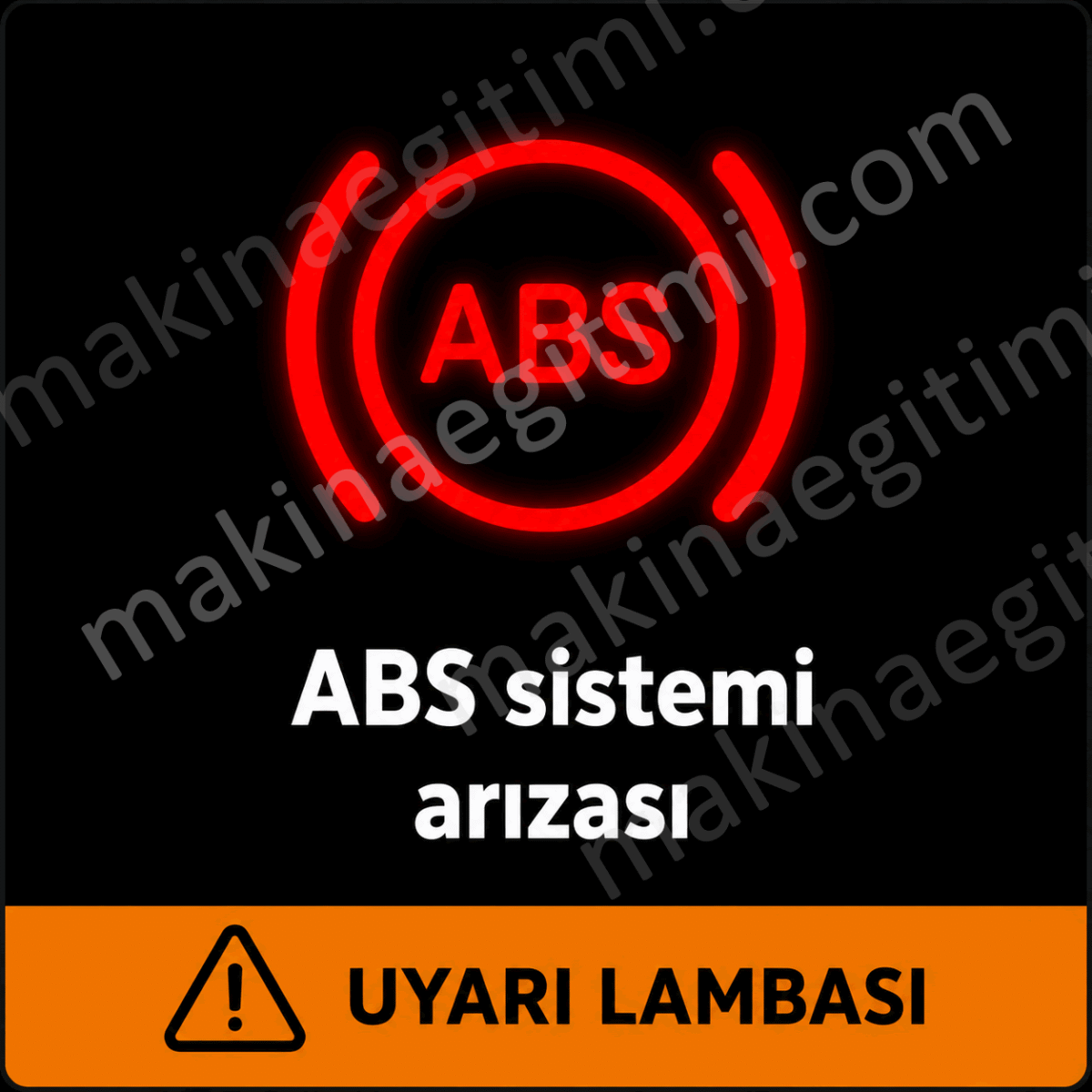
ABS System Fault Warning Light
Meaning: This warning light comes on when the Anti-lock Braking System (ABS) is deactivated or a fault occurs in the system.
Possible Causes
- ABS sensor fault
- ABS control module fault
- Wheel speed sensor fault
- Electrical connection problem
What To Do?
Drive the vehicle carefully. The wheels may lock up during hard braking. Have the ABS system checked as soon as possible.
Note: The normal brake system usually continues to work; however, ABS assistance may be unavailable.
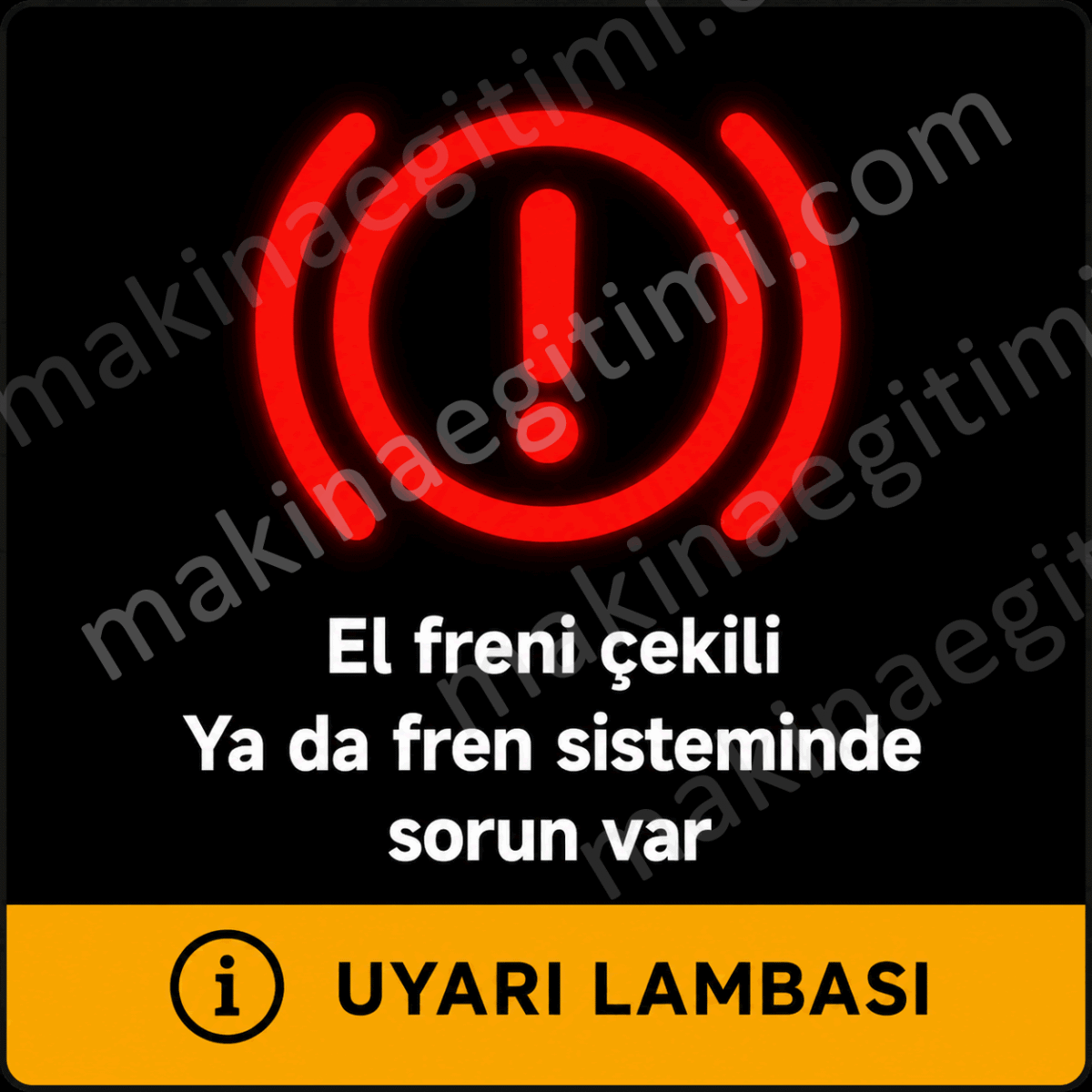
Brake System Warning Light
Meaning: Indicates that the parking brake is engaged, or that there is a fault in the brake system that could affect safety.
Possible Causes
- Parking brake engaged
- Low brake fluid level
- Brake system fault
- Electronic brake system fault
What To Do?
First, check that the parking brake is fully released. If the light does not go out, check the brake fluid level. If there is an issue with brake performance, do not drive the vehicle. Have the brake system checked as soon as possible.

Brake Hold System Active Light
Meaning: The Brake Hold system is active. When the vehicle stops, it maintains brake pressure to prevent the vehicle from moving even if you release the brake pedal.
If you see this light on your dashboard, no action is required. The system will automatically release the brake when you press the accelerator. If you do not want to use the Brake Hold feature, you can turn it off with its button.
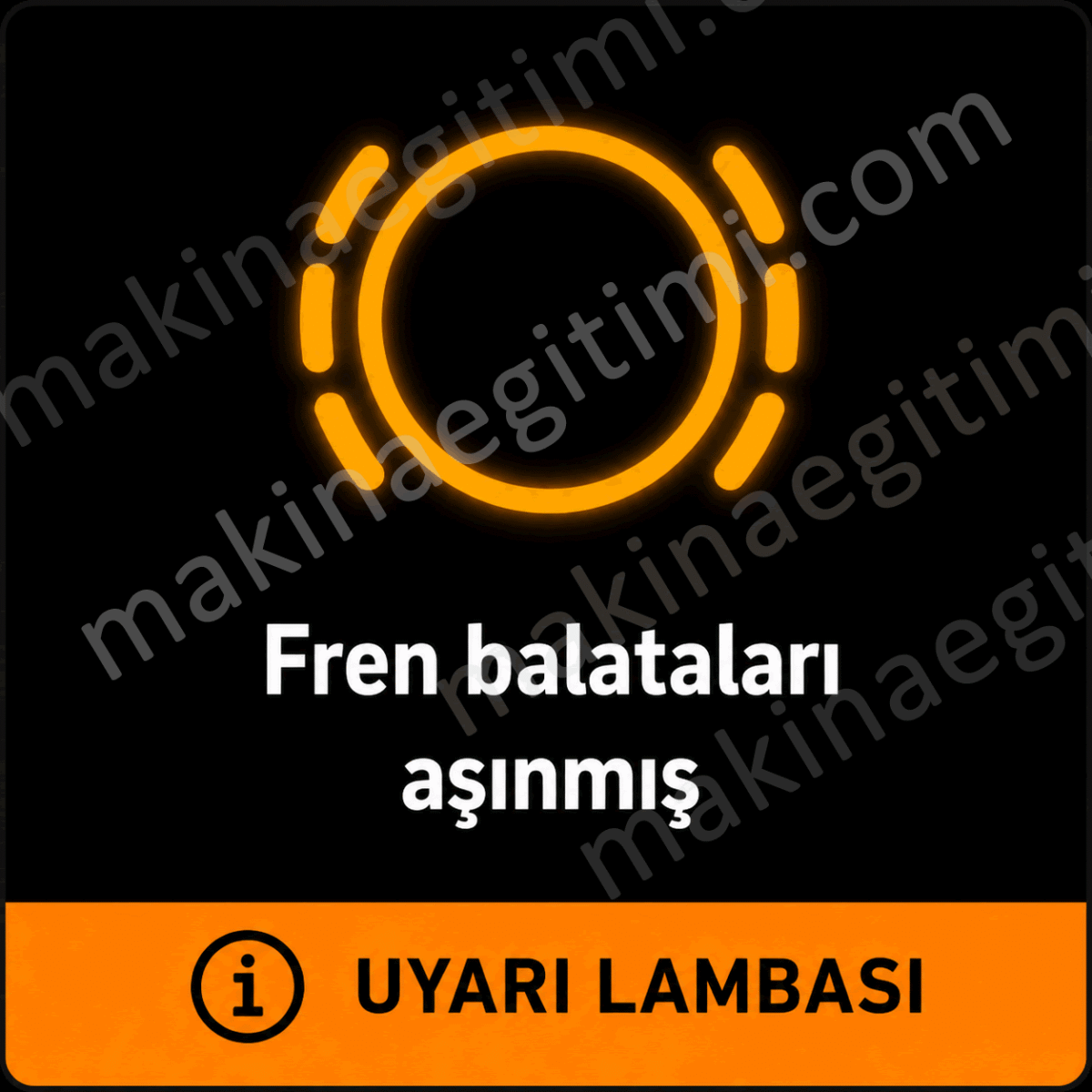
Brake Pad Wear Warning Light
Meaning: Indicates that the brake pads have reached their wear limit and need to be replaced.
Possible Causes
- Brake pads worn
- Wear sensor triggered
- Heavy brake use
What To Do?
Have the brake pads checked. Replace the pads if necessary. It is recommended to also have the brake discs checked.
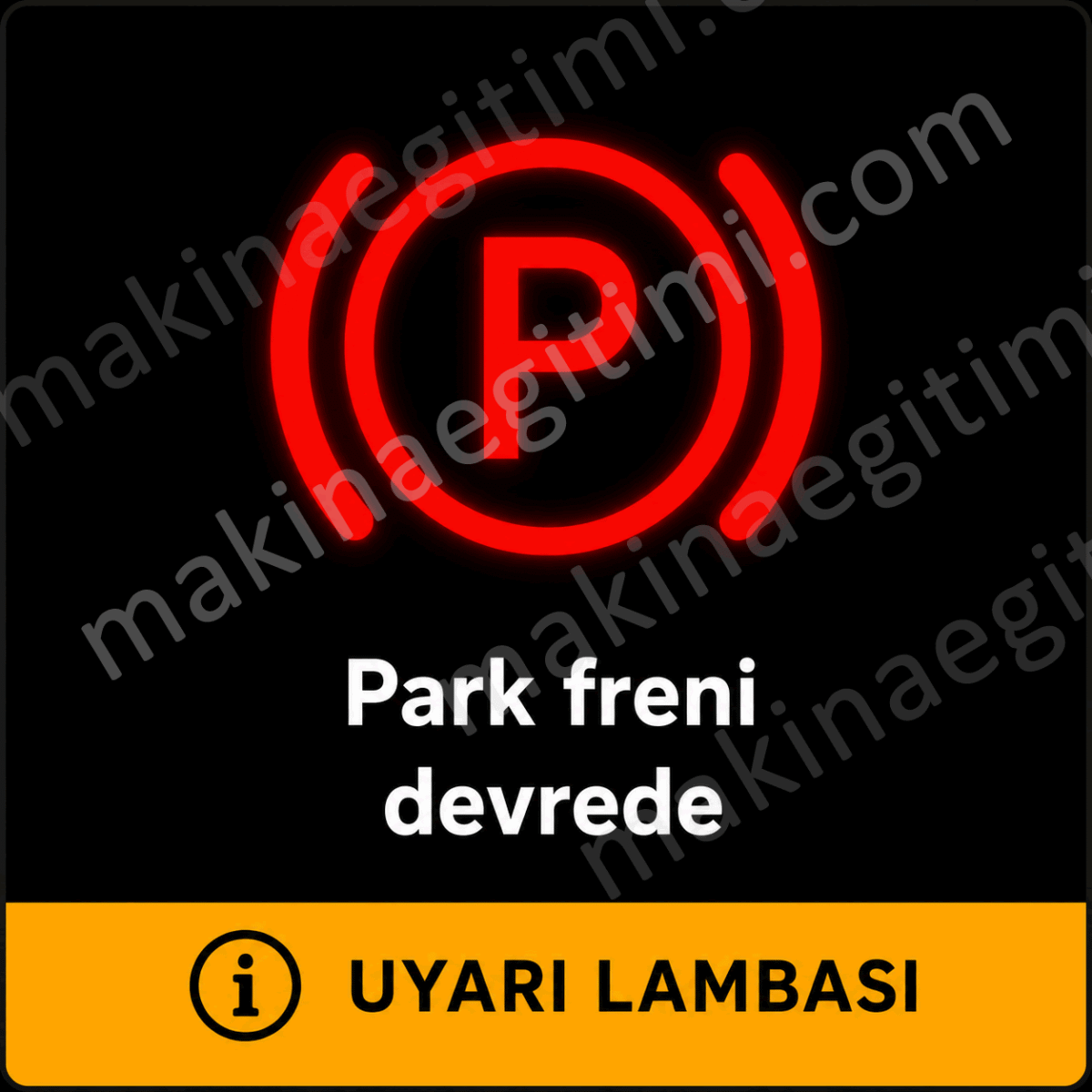
Parking Brake Informational Light
Meaning: An informational light indicating that the parking brake (handbrake) is engaged.
Possible Causes
Parking brake engaged. Electronic parking brake active. The system is operating normally
What To Do?
Release the parking brake before moving off. If the light does not go out after the parking brake is released, have the system checked.

Low Brake Fluid Level Warning Light
Meaning: The brake fluid level has approached the minimum level, or a problem related to hydraulic brake fluid has been detected in the brake system. Brake performance may be adversely affected.
Possible Causes
The brake fluid level has dropped. The fluid level has decreased due to worn brake pads. There is a hydraulic leak in the brake system. A fault has occurred in the brake fluid sensor.
What To Do?
Check the brake fluid level as soon as possible. If the hydraulic level is low, top it up with the appropriate type of brake fluid. If you suspect a leak, do not drive the vehicle and contact a service center. If the brake pedal feels soft or brake performance has decreased, stop the vehicle safely and get technical assistance.
Tire, Steering and Suspension System Warning Lights
This section explains the dashboard symbols related to tire pressure, the steering system and the suspension system. You can review the warning lights that indicate faults that may occur in TPMS (Tire Pressure Monitoring System), power steering, adaptive suspension and similar systems.

Steering System Warning Light
Meaning: Indicates a fault in the power steering assist system, and that steering may feel stiffer than normal.
Possible Causes
- Power steering assist system fault
- Low hydraulic fluid level
- Electric power steering system fault
- Sensor or control unit fault
What To Do?
Check whether the steering is working normally. Drive the vehicle carefully. Have the steering system checked as soon as possible.
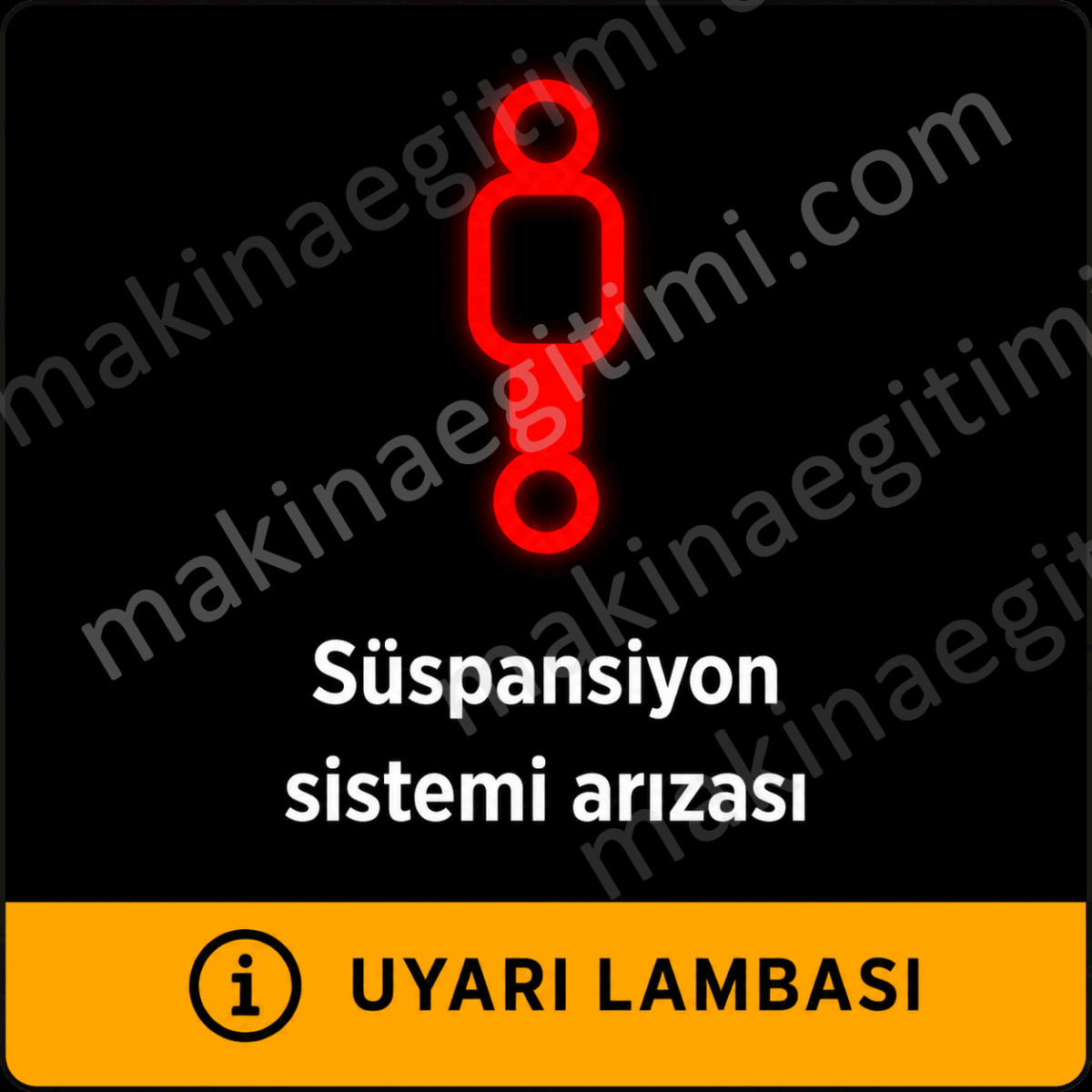
Suspension System Warning Light
Meaning: Indicates that a fault has been detected in the suspension system, and that ride comfort or road holding may be affected.
Possible Causes
- Suspension sensor fault
- Shock absorber fault
- Electronic suspension system fault
- Control module fault
What To Do?
Drive the vehicle carefully. Have the suspension system checked. Avoid harsh driving until the fault is resolved.
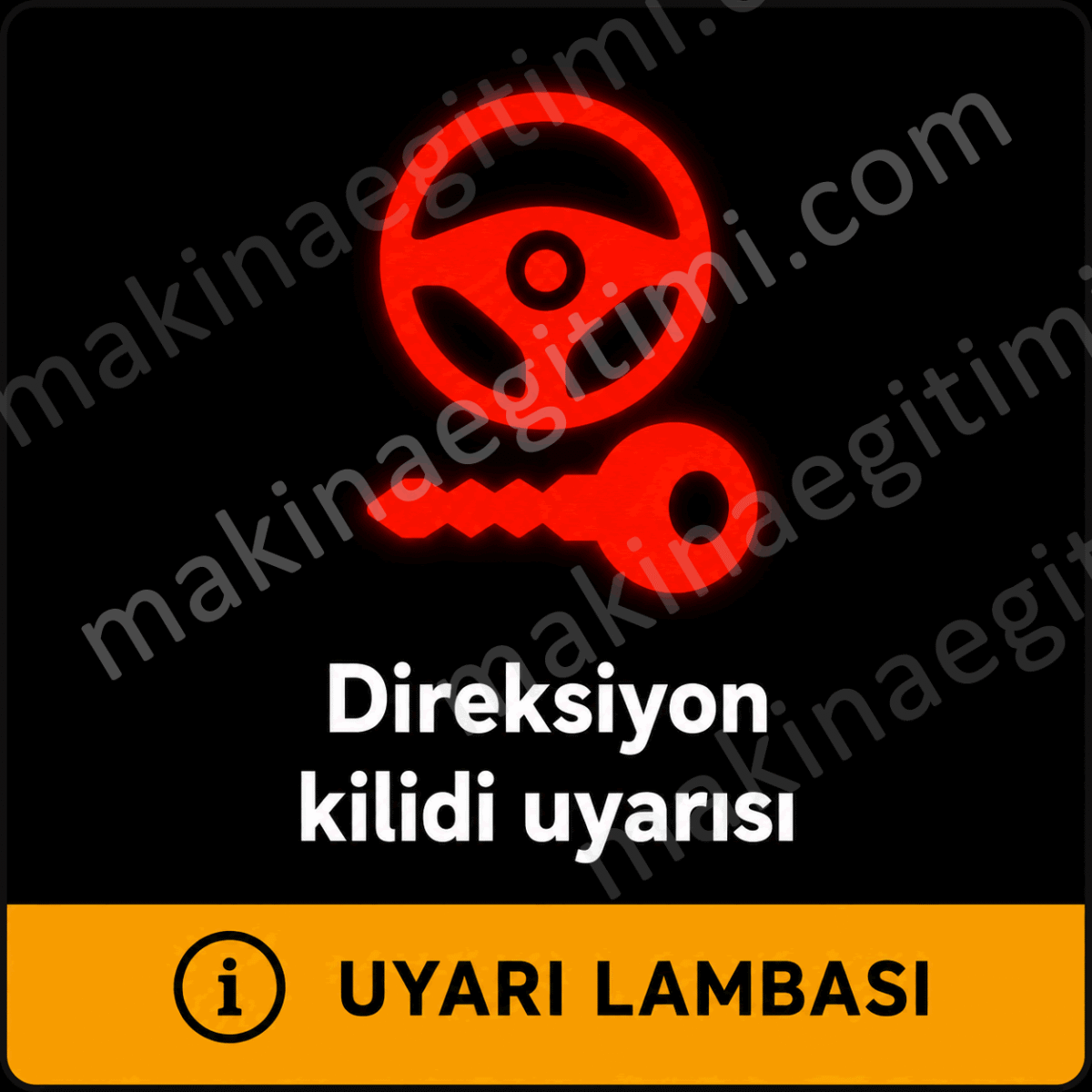
Steering Lock Warning Light
Meaning: Indicates a fault in the electronic steering lock system, or that the steering lock has not engaged.
Possible Causes
- Steering lock fault
- Key detection problem
- Low battery voltage
- Electronic system fault
What To Do?
Try restarting the vehicle. Make sure the key is properly detected. If the warning persists, have the steering lock system checked.

Air Suspension Warning Light
Meaning: Indicates a fault in the air suspension system, or that the system is not working normally.
Possible Causes
- Air spring fault
- Compressor fault
- Level sensor fault
- Air leak
What To Do?
Avoid driving the vehicle at high speed. Have the suspension system checked. If the fault persists, visit a service center.
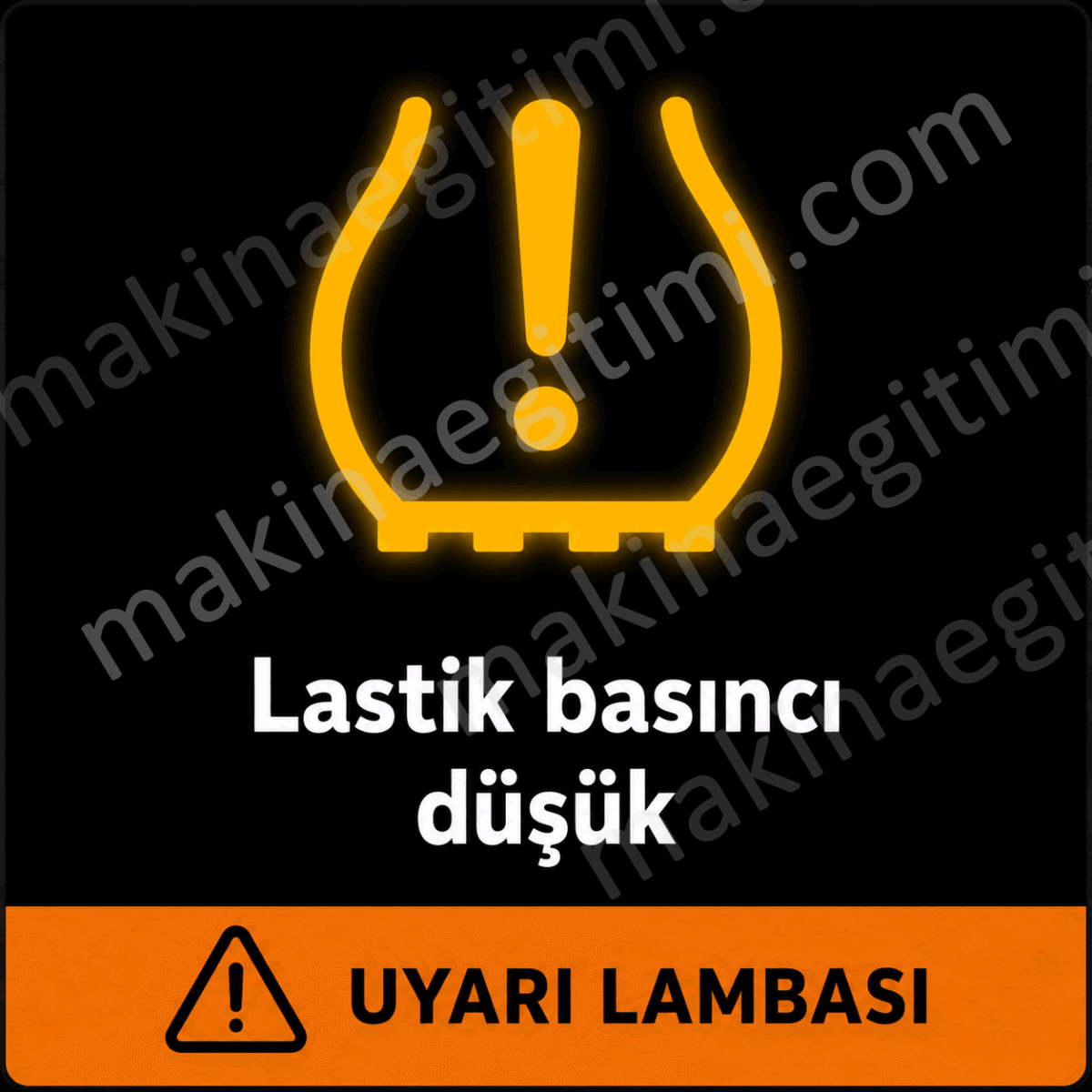
Tire Pressure Warning Light
Meaning: Indicates that one or more tires have air pressure below the recommended value.
Possible Causes
- Low tire pressure
- Air leak in a tire
- Seasonal temperature change
- TPMS sensor fault
What To Do?
Check the pressure of all tires. Inflate the low-pressure tire to the recommended value. If the warning persists, have the TPMS system checked.
Transmission and Drivetrain
Transmission and drivetrain warning lights notify the driver of faults and informational messages related to the automatic transmission, gearbox, overdrive (O/D), AWD (all-wheel drive), the Traction Control System and the power transmission system. In this section, you can find the meanings, possible causes and what to do for dashboard symbols related to automatic transmission, transmission temperature, O/D OFF and drivetrain systems, as well as ESP, ASR, AWD, 4WD and other driving assistance systems found in modern vehicles.
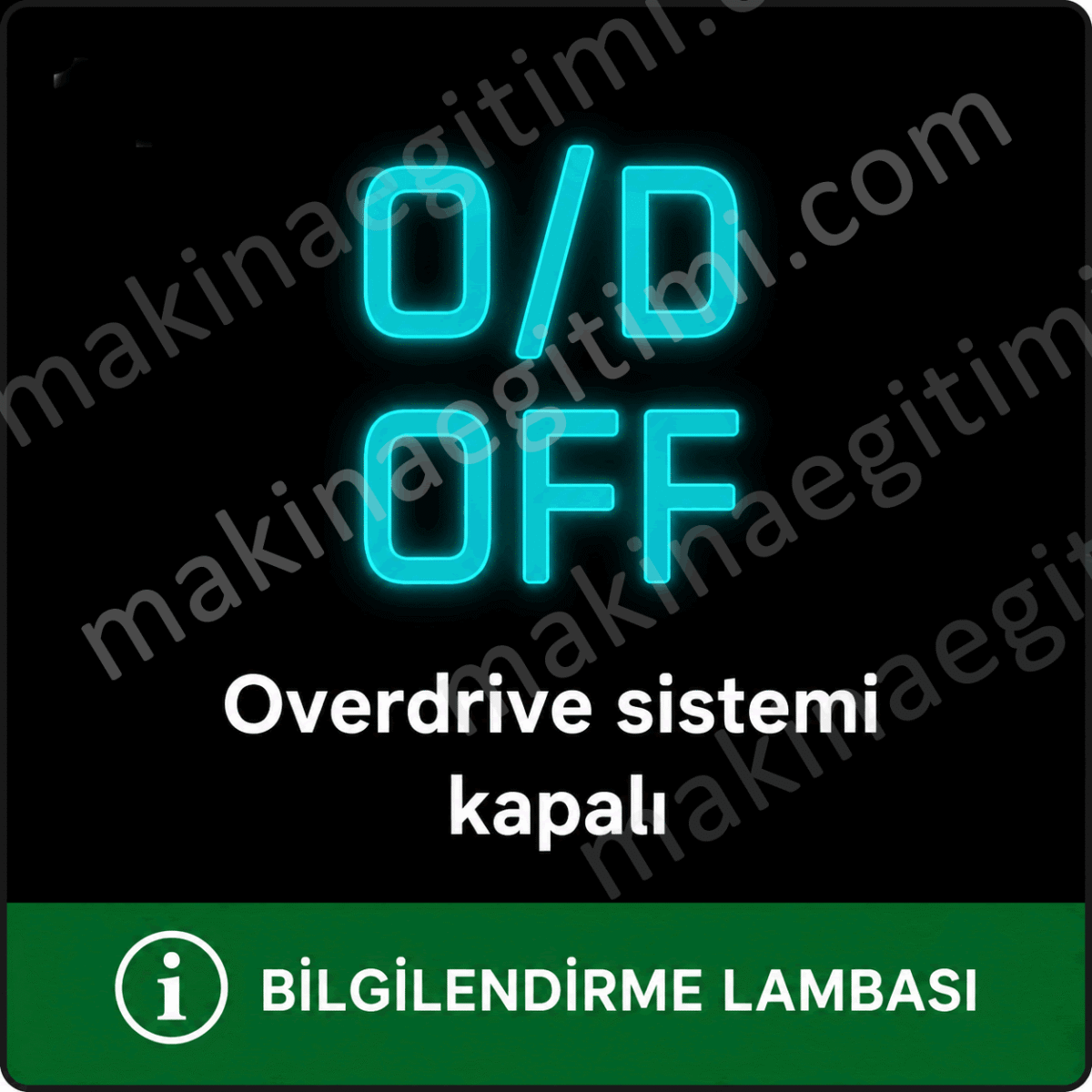
Overdrive (O/D) OFF Informational Light
Meaning: Indicates that the Overdrive (top gear) function of the automatic transmission has been disabled.
Possible Causes
- The O/D OFF button has been pressed.
- The transmission is not in normal operating mode.
What To Do?
Re-enable the O/D function for normal driving. Use it when needed for downhill driving or towing.

Automatic Transmission Warning Light
Meaning: Indicates that a fault has been detected in the automatic transmission system.
Possible Causes
- Transmission control module fault
- Gear sensor fault
- Hydraulic pressure problem
- Electronic system fault
What To Do?
Drive the vehicle without forcing it. Check the gear shifts. Have the transmission system checked as soon as possible.

Injection / Transmission Warning Light
Meaning: Indicates that a fault has been detected in the engine injection system or the automatic transmission control system.
Possible Causes
- Injection system fault
- Transmission control module fault
- Sensor fault
- Electronic control system problem
What To Do?
Connect the vehicle to a diagnostic scanner. If there is reduced performance, do not push the vehicle. Visit a service center as soon as possible.

AWD Informational Light
Meaning: An informational light indicating that the all-wheel drive (AWD) system is engaged and power is being delivered to all four wheels.
Possible Causes
The AWD system has engaged. Traction has been automatically adjusted according to road conditions. The system is operating normally.

AWD System Warning Light
Meaning: Indicates that a fault has been detected in the all-wheel drive (AWD) system and it is not working normally.
Possible Causes
- AWD control module fault
- Differential fault
- Sensor or electrical connection problem
What To Do?
Avoid driving the vehicle under high load. Have the AWD system checked. If the warning persists, visit a service center.

ESP Warning Light
Meaning: Indicates that a fault has been detected in the ESP (Electronic Stability Program) or traction control system. The system may not be able to perform its function of preventing the vehicle from skidding and improving road grip when needed.
Why Does the ESP Light Come On?
- ESP system fault
- Wheel speed sensor fault
- Steering angle sensor fault
- Brake system or electronic control unit problem
What To Do?
Drive the vehicle carefully. Avoid sudden acceleration and sharp turns. Have the system checked as soon as possible. If the warning comes on together with other brake lights, take the vehicle to a service center.
📁 RELATED ARTICLE: What Is the ESP System?
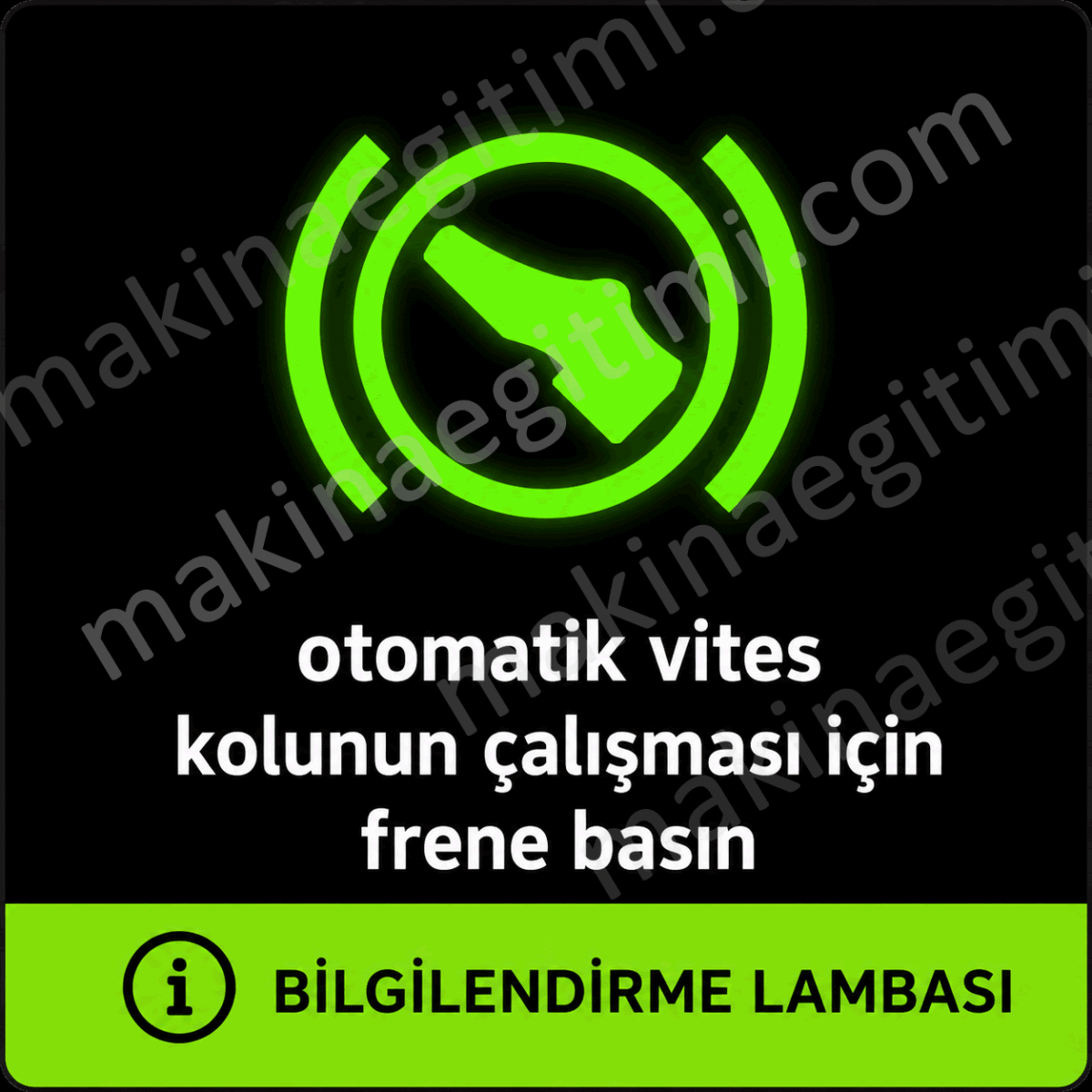
Press Brake Informational Light
Meaning: Indicates that the brake pedal must be pressed to move the automatic gear lever or start the engine.
Possible Causes
The brake pedal has not been pressed. The gear safety system is engaged.
What To Do?
Press the brake pedal. Then move the gear lever or start the engine.
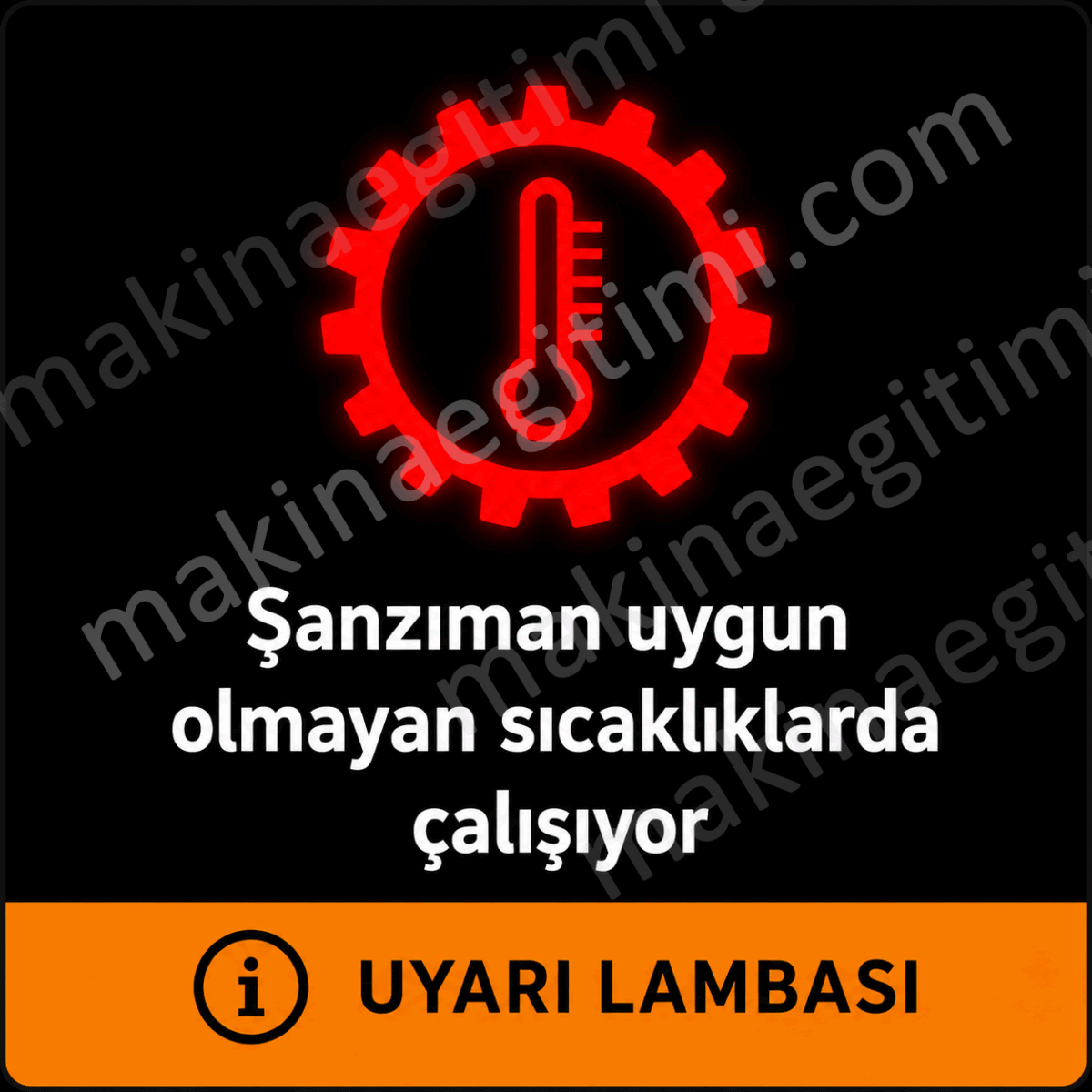
Transmission Temperature Warning Light
Meaning: Indicates that the transmission fluid or the transmission system has exceeded its normal operating temperature.
Possible Causes
- Transmission overheated
- Low transmission fluid level
- Driving under heavy load
- Cooling system fault
What To Do?
Stop the vehicle in a safe place. Wait for the transmission to cool down. If the warning persists, have the transmission system checked.

AWD System Warning Light
Meaning: Indicates a fault in the all-wheel drive (AWD) or power transmission system.
Possible Causes
- AWD system fault
- Differential fault
- Mechanical problem in the drivetrain
- Electronic control system fault
What To Do?
Do not drive the vehicle under high load. Have the AWD system checked. If the warning persists, visit a service center.
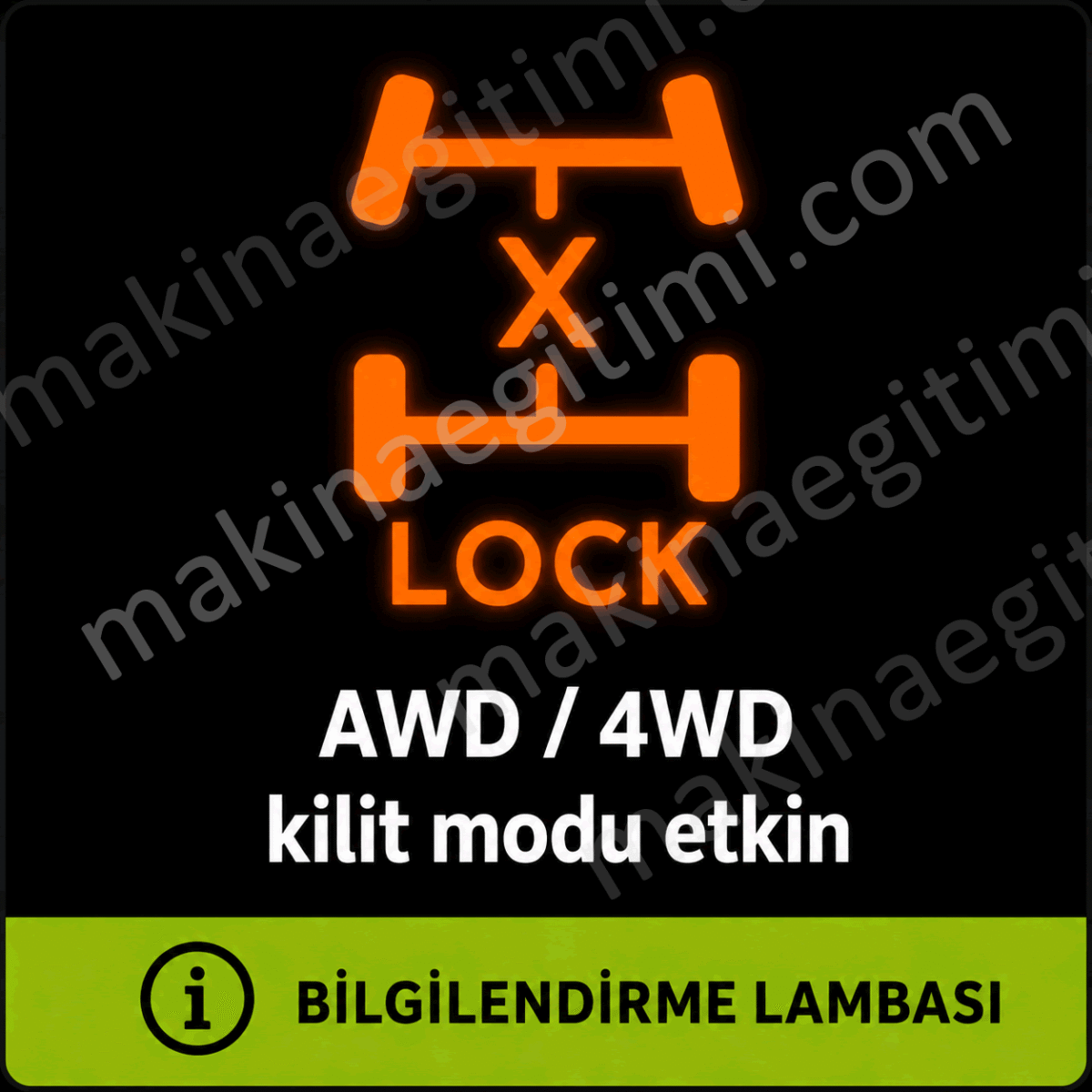
AWD Lock Mode Informational Light
Meaning: Indicates that AWD / 4WD lock mode (LOCK) is active and traction power is being distributed evenly between the front and rear axles.
Possible Causes
4WD LOCK mode has been activated. The system has been put into lock mode for difficult road conditions.
What To Do?
Use only on slippery, muddy or off-road conditions. Disable lock mode on normal paved roads
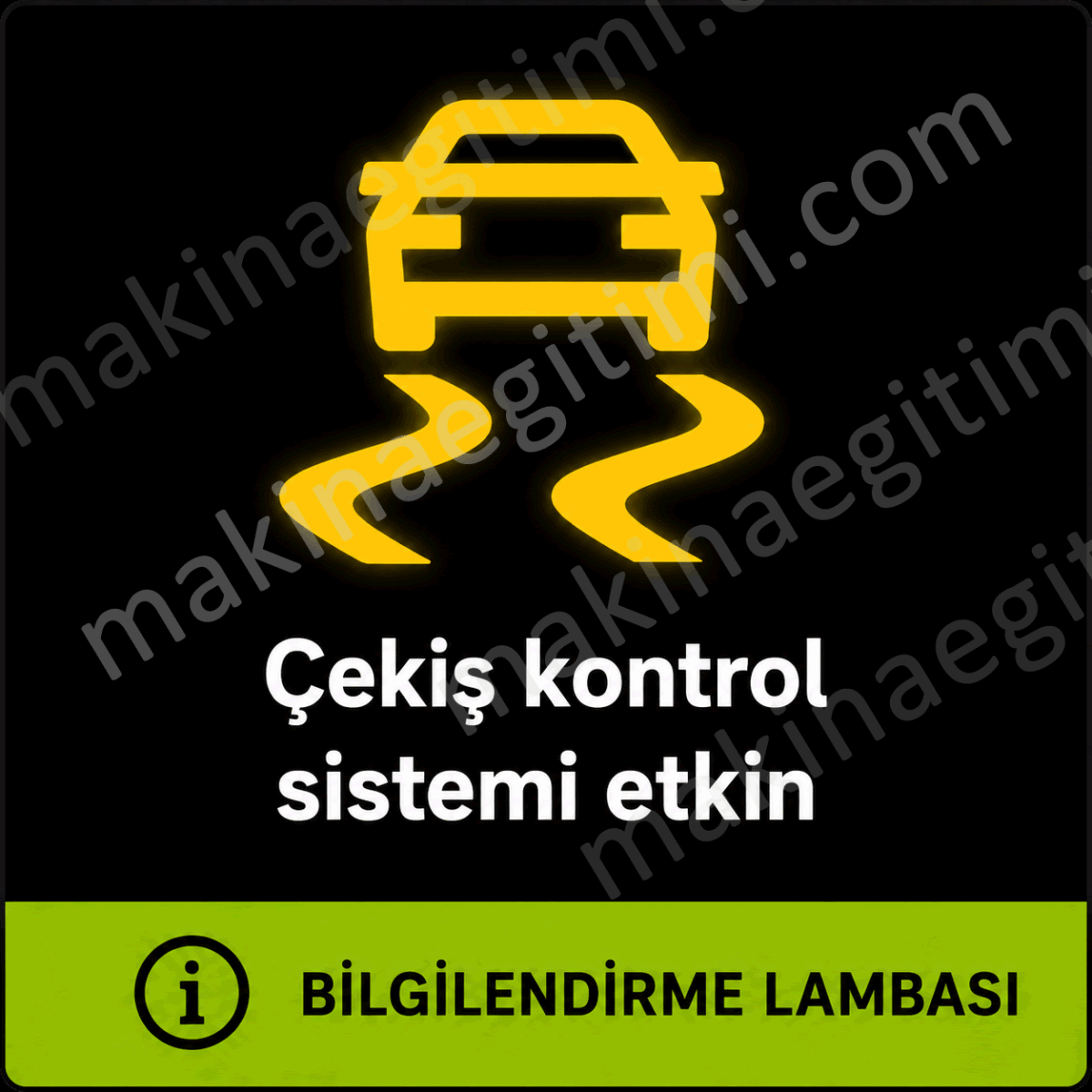
Traction Control System Active Light
Meaning: Indicates that the Traction Control System (TCS/ASR) is active and is automatically controlling engine power and braking as needed to prevent wheel spin on slippery surfaces.
Related articles:
What Is the TCS System?
Why Does the TCS Light Come On
Safety and Driver Assistance Systems
This section explains dashboard symbols for airbags, seat belts, Cruise Control, the lane keeping system, blind spot warning, collision avoidance systems and other safety equipment. These warnings are of great importance for the safety of both the driver and the passengers.

Following Distance Warning Light
Meaning: Indicates that the safe following distance to the vehicle ahead is insufficient.
What To Do?
Reduce your speed. Increase your following distance. Be alert for sudden braking.

Lane Keeping System Informational Light
Meaning: An informational light indicating that the lane keeping or lane departure protection system is active.

Forward Collision Warning Light
Meaning: Indicates that the Forward Collision Warning (FCW) system has detected a risk of collision with the vehicle ahead and is alerting the driver.
What To Do
Reduce your speed. Maintain a safe following distance. Brake if necessary to avoid the risk of collision.
RELATED ARTICLE: What Is the FCW System

Door Open Warning Light
Meaning: Indicates that one of the vehicle’s doors is not fully closed.
What To Do
Check all doors. Fully close the open door. If the warning persists, have the door sensor checked.

Airbag Disabled Informational Light
Meaning: An informational light indicating that the airbag (SRS) system, or the front passenger airbag, has been deactivated.
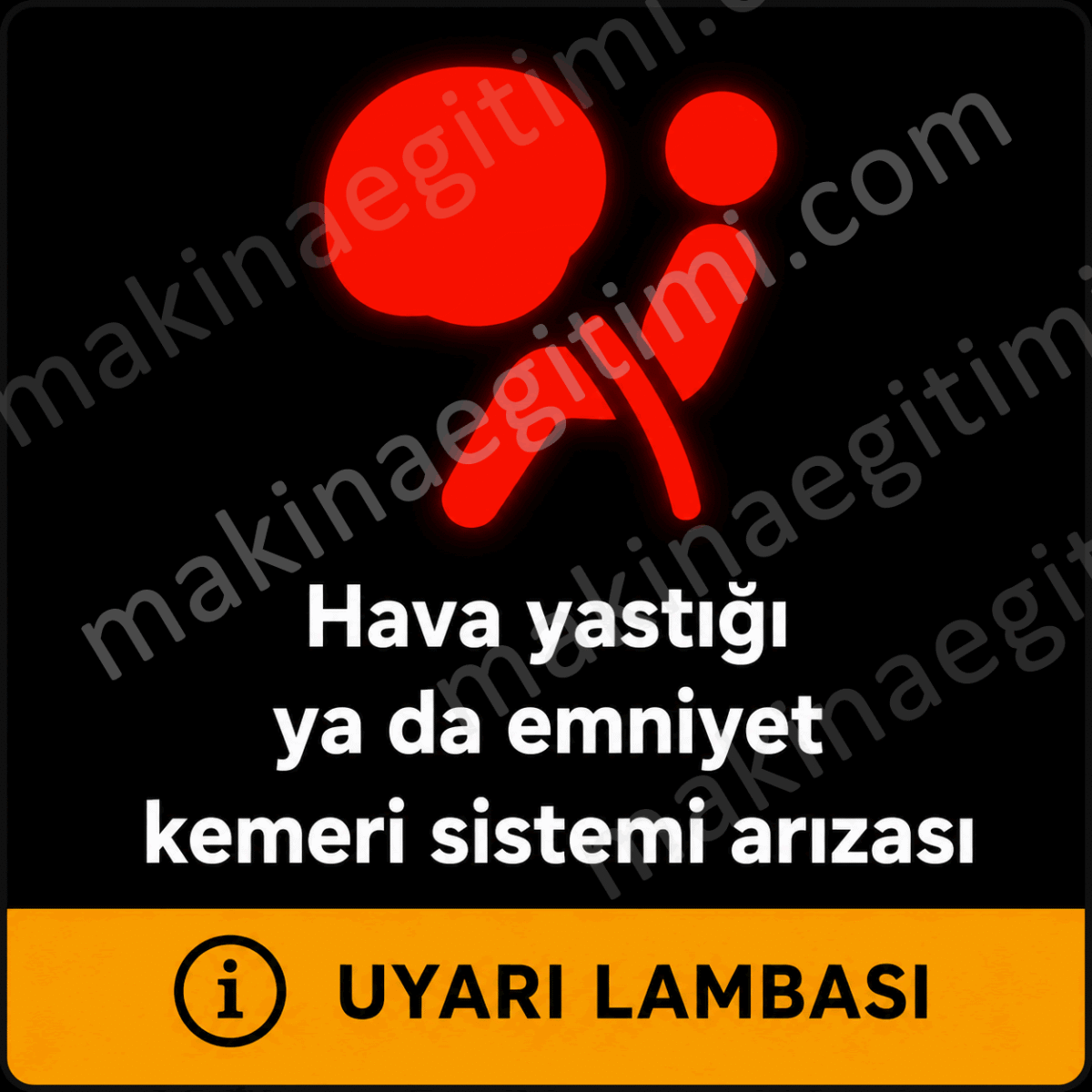
Airbag Warning Light
Meaning: Indicates a fault in the airbag (SRS) or seat belt pretensioner system.
What To Do?
Have the airbag system checked. Do not ignore the warning. Visit an authorized service center as soon as possible.
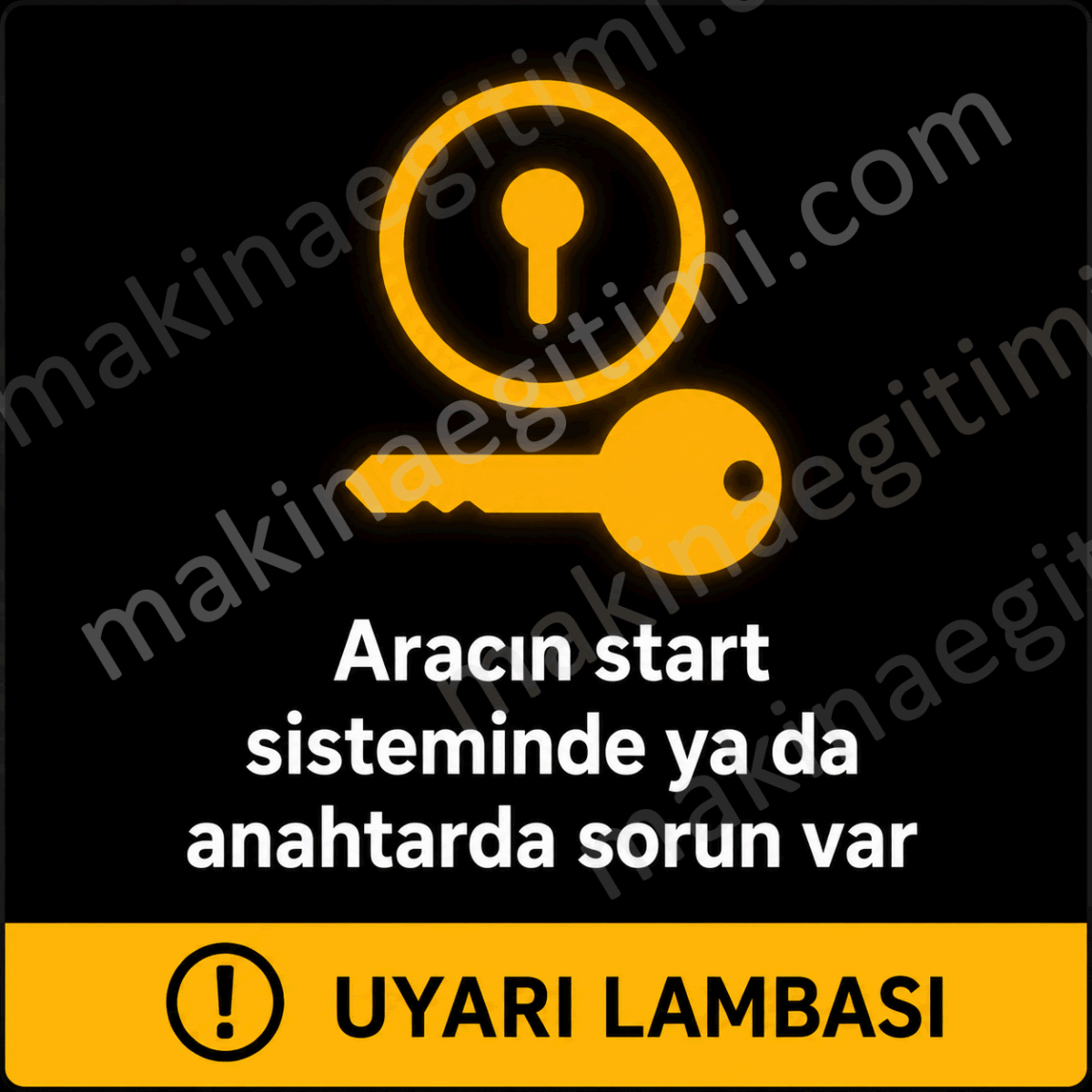
Start System and Smart Key Warning Light
Meaning: Indicates that a problem has been detected with the Smart Key, Keyless Start, or engine starting system. The vehicle may not detect the key, or the engine may not start normally.
Possible Causes
- The key battery may be weak.
- The smart key may not be detected by the vehicle.
- The Start/Stop button may be faulty.
- An electronic fault may have occurred in the keyless entry and start system.
What To Do?
Make sure the key is inside the vehicle. Check or replace the key battery. Try starting the vehicle with a spare key. If the warning persists, have the system checked at an authorized service center.

Hood Open Warning Light
Meaning: Indicates that the hood is not fully closed or latched.
What To Do
Make sure the hood is completely closed. Check the latch mechanism. If the warning persists, have the hood latch or sensor checked.

Cruise Control Informational Light
Meaning: An informational light indicating that Cruise Control is active and the set speed is being maintained. The system may disengage when you press the brake or clutch pedal.

Hill Descent Control Informational Light
Meaning: An informational light indicating that the Hill Descent Control (HDC) system is active, automatically controlling the vehicle’s speed on steep downhill sections for a safer descent.
RELATED ARTICLE: What Is the HDC System?

Rear Spoiler System Fault
Meaning: A fault has been detected in the rear spoiler (rear wing) system. The active spoiler may not open and close normally.
Why Does It Come On?
A fault has occurred in the rear spoiler mechanism. The electric spoiler motor is not working. The position sensor or control system has thrown an error. The spoiler mechanism may be jammed.
What To Do?
You can drive the vehicle normally, but be careful at high speeds. Check for any foreign object obstructing the spoiler’s movement. If the warning persists, have the system checked at an authorized service center.
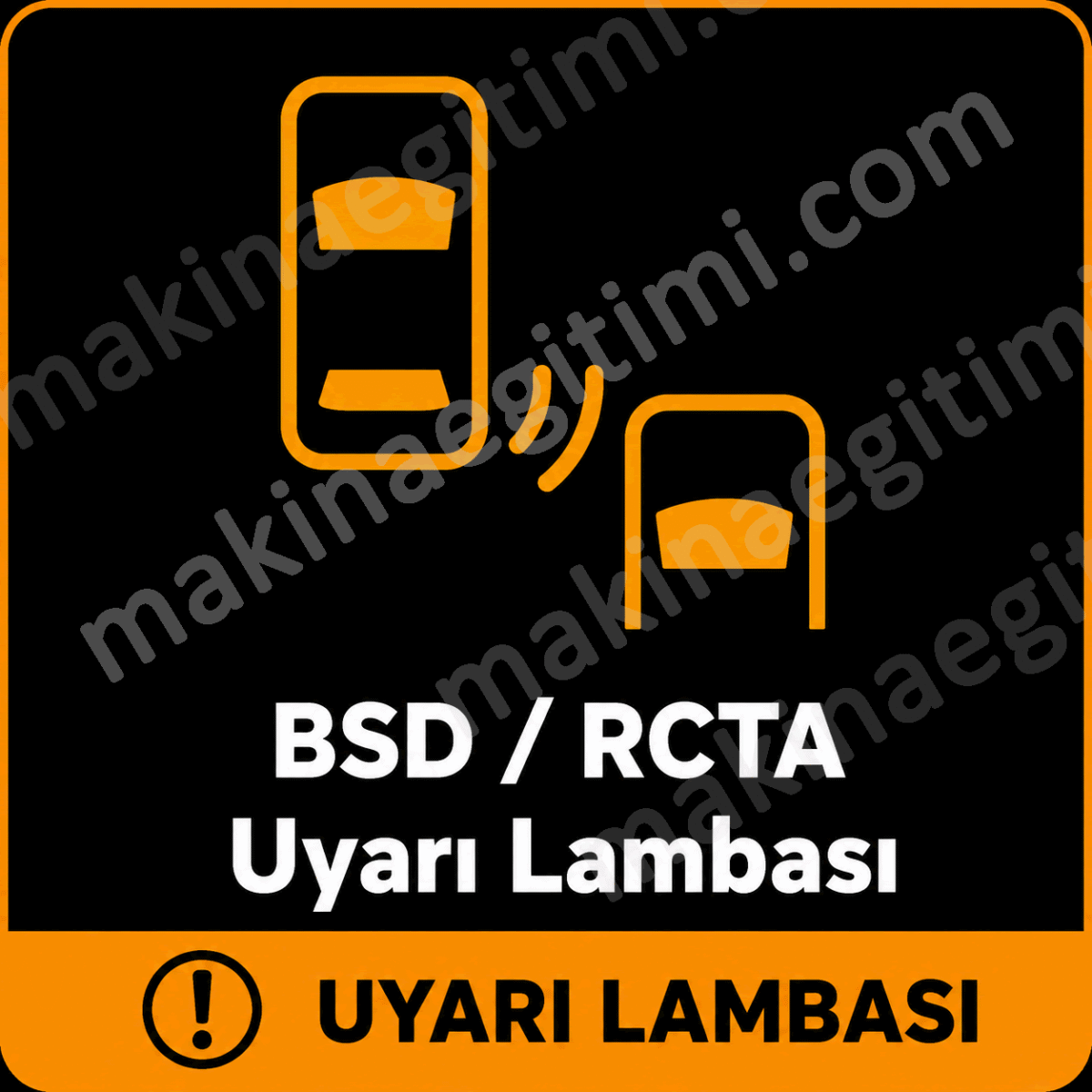
BSD / RCTA Warning Light
Meaning: The Blind Spot Detection (BSD) system or the Rear Cross Traffic Alert (RCTA) system has been disabled, is temporarily unavailable, or a fault has been detected in the system.
Why Does It Come On?
A fault has occurred in the BSD or RCTA system. The radar sensors are dirty or covered with snow or mud. The sensors’ field of view is obstructed. The system may have been turned off by the driver.
Note: In some vehicles this symbol only comes on when there is a system problem, while in other models it may also be used to indicate that the BSD/RCTA system is active or temporarily unavailable. Its meaning may vary slightly by manufacturer.
What To Do?
Clean the bumper areas where the radar sensors are located. Make sure the system is turned on in the settings. If the warning persists, have the vehicle checked at an authorized service center.
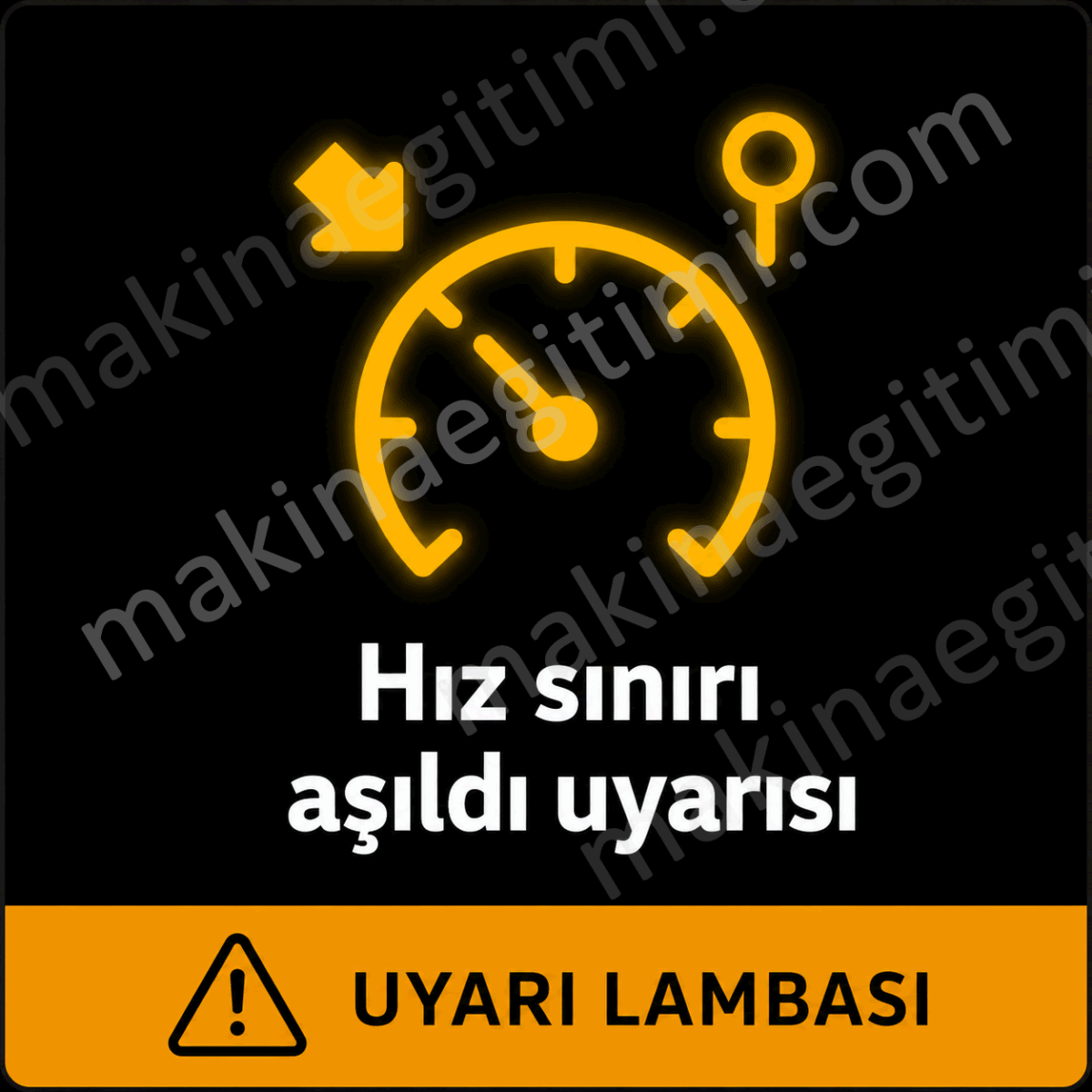
Speed Limit Warning Light
Meaning: The vehicle turns on this light to warn the driver when the set speed limit is exceeded.
What To Do?
Reduce your speed to a safe level. Continue driving at a speed compliant with traffic rules.

Lane Violation Warning Light
Meaning: Indicates that a lane change was made without signaling, or that the vehicle has unintentionally left its lane.
What To Do?
Use your signal when changing lanes. Keep careful control of the steering. Check the lane keeping system.
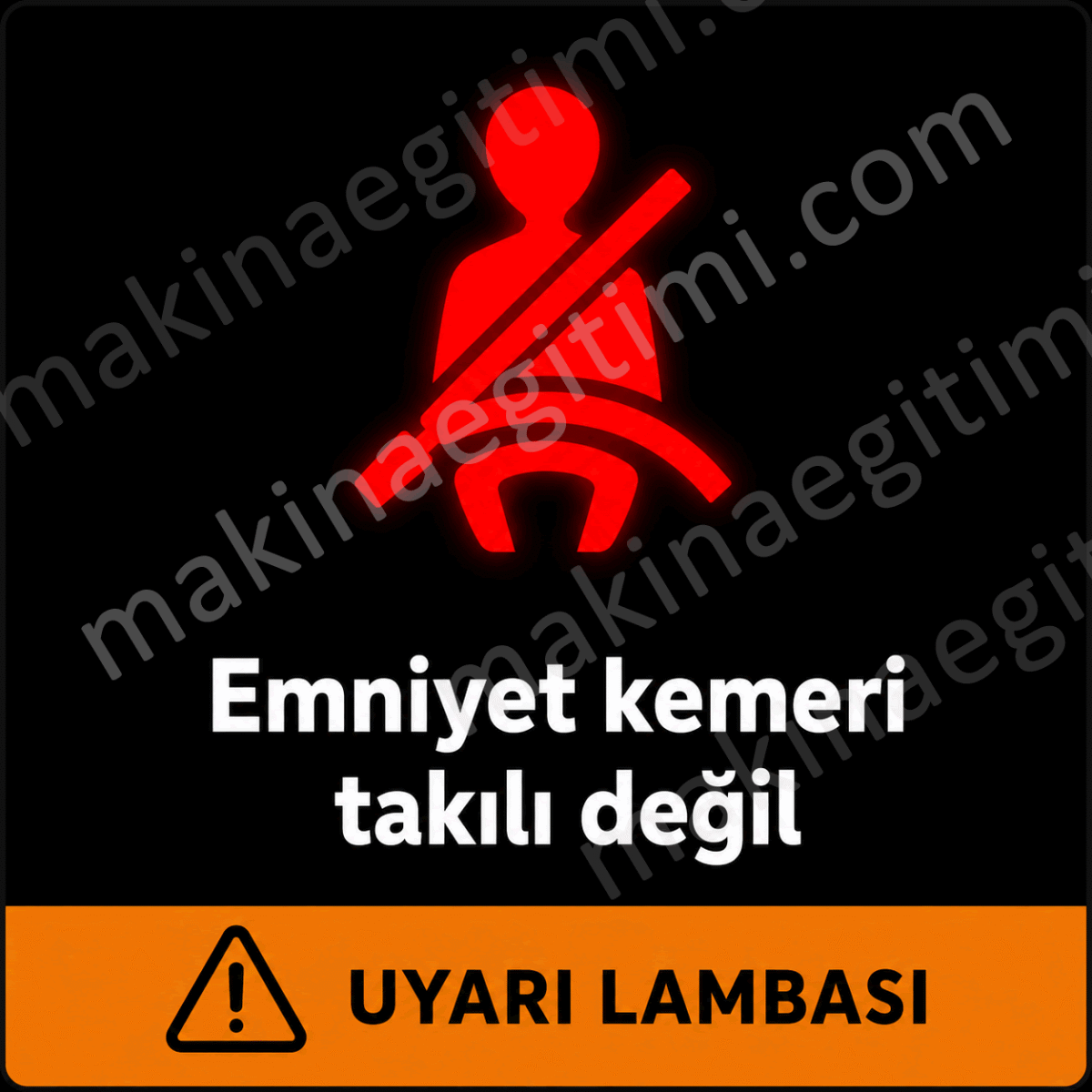
Seat Belt Warning Light
Meaning: Indicates that the driver or one of the passengers has not fastened their seat belt.
What To Do?
Fasten your seat belt. Check that all passengers are wearing their belts. If the warning persists, have the sensor checked.
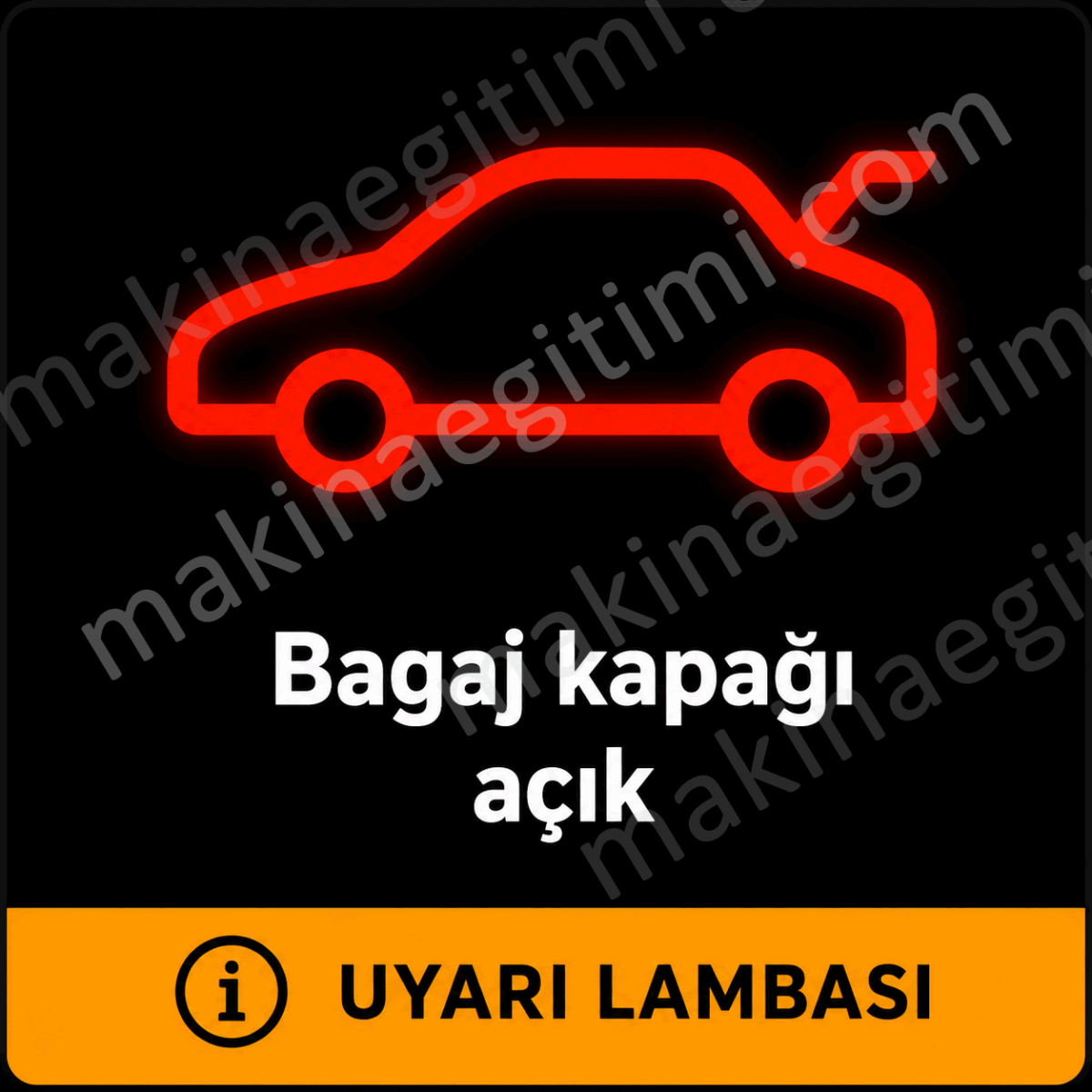
Trunk Lid Open Warning Light
Meaning: Indicates that the trunk lid is not fully closed or latched.
What To Do?
Close the trunk lid completely. Make sure it is latched. If the warning persists, have the latch mechanism checked.
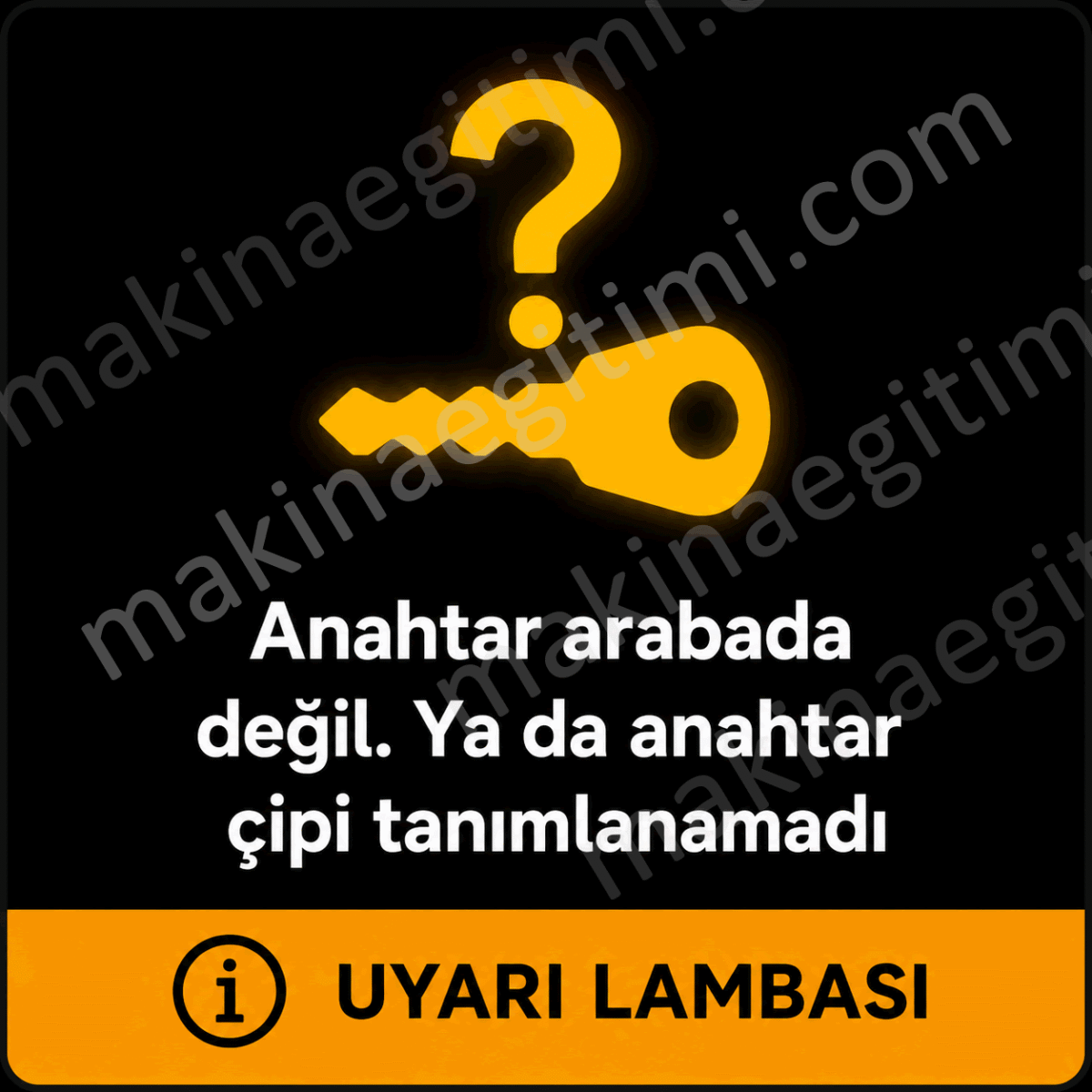
Smart Key Warning Light
Meaning: Indicates that the smart key is not being detected by the vehicle, or that there is a problem with the key system.
Possible Causes
- The key is not inside the vehicle.
- The key battery is weak.
- The key cannot be identified.
- Keyless entry system fault.
What To Do?
Make sure the key is inside the vehicle. Check the key battery. If the warning persists, try the spare key.

Smart Key Battery Warning Light
Meaning: Indicates that the battery level of the smart key (key fob) is low and needs to be replaced soon. If the battery runs out completely, the keyless entry and start system may not work properly.
Possible Causes
- The key battery’s life has decreased.
- The key has been in use for a long time.
- The battery voltage has dropped to an insufficient level.
What To Do?
Replace the key battery as soon as possible. Use the spare key if necessary. After replacing the battery, verify that the warning has gone out.
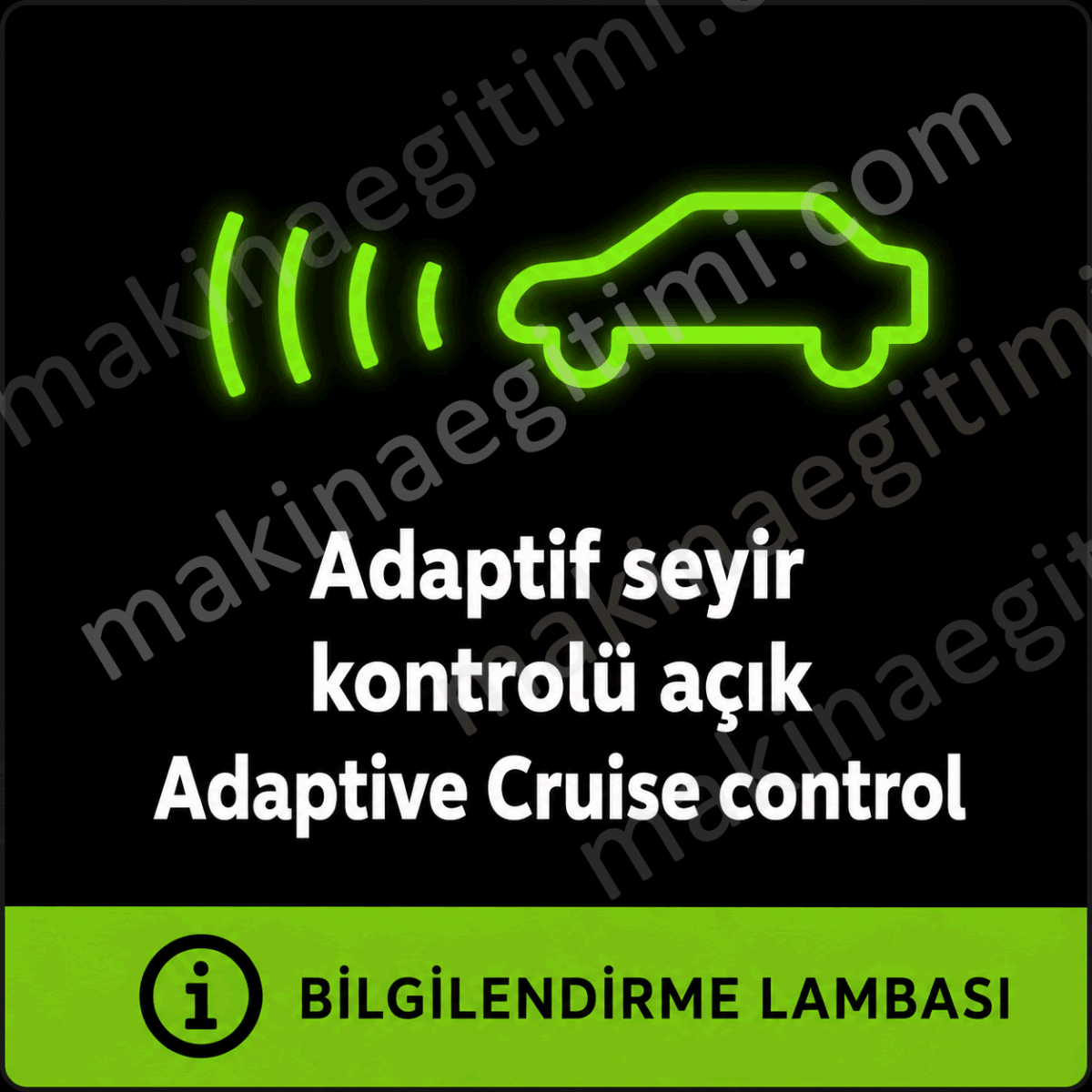
Adaptive Cruise Control Informational Light
Meaning: Indicates that the adaptive cruise control system is active and speed is being automatically adjusted based on the vehicle ahead.
Detailed Information: Adaptive Cruise Control
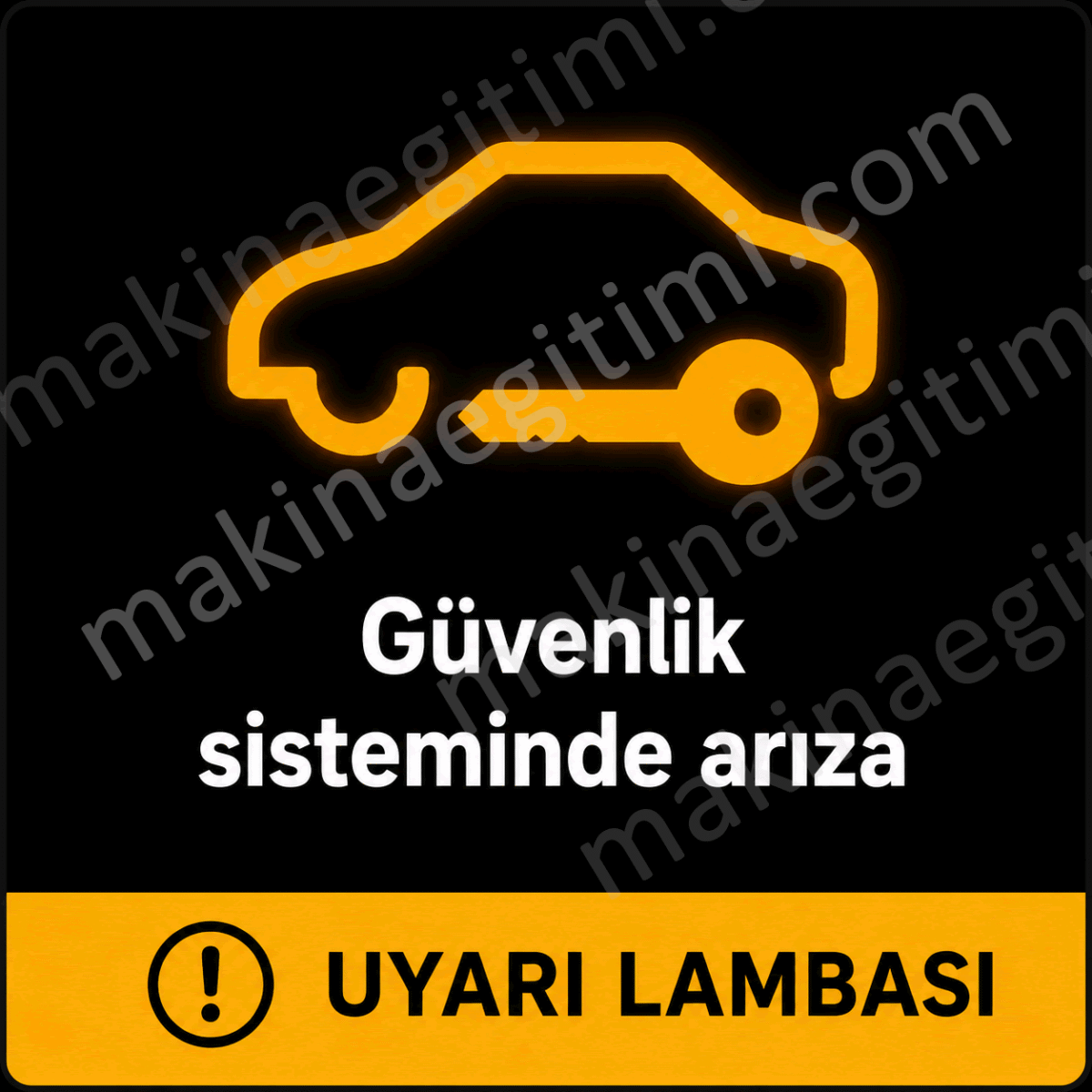
Vehicle Security System Warning Light
Meaning: Indicates that a fault has been detected in the vehicle security system (immobilizer) or the smart key verification system. In this case, the vehicle may not recognize the key, or engine start may be prevented.
Possible Causes
- Immobilizer system fault
- Smart key not detected
- Key code cannot be verified
- Security system electronic fault
What To Do?
Make sure the key is detected by the vehicle. Try starting the vehicle with the spare key. Check the key battery.
If the warning persists, have the security system checked at an authorized service center.
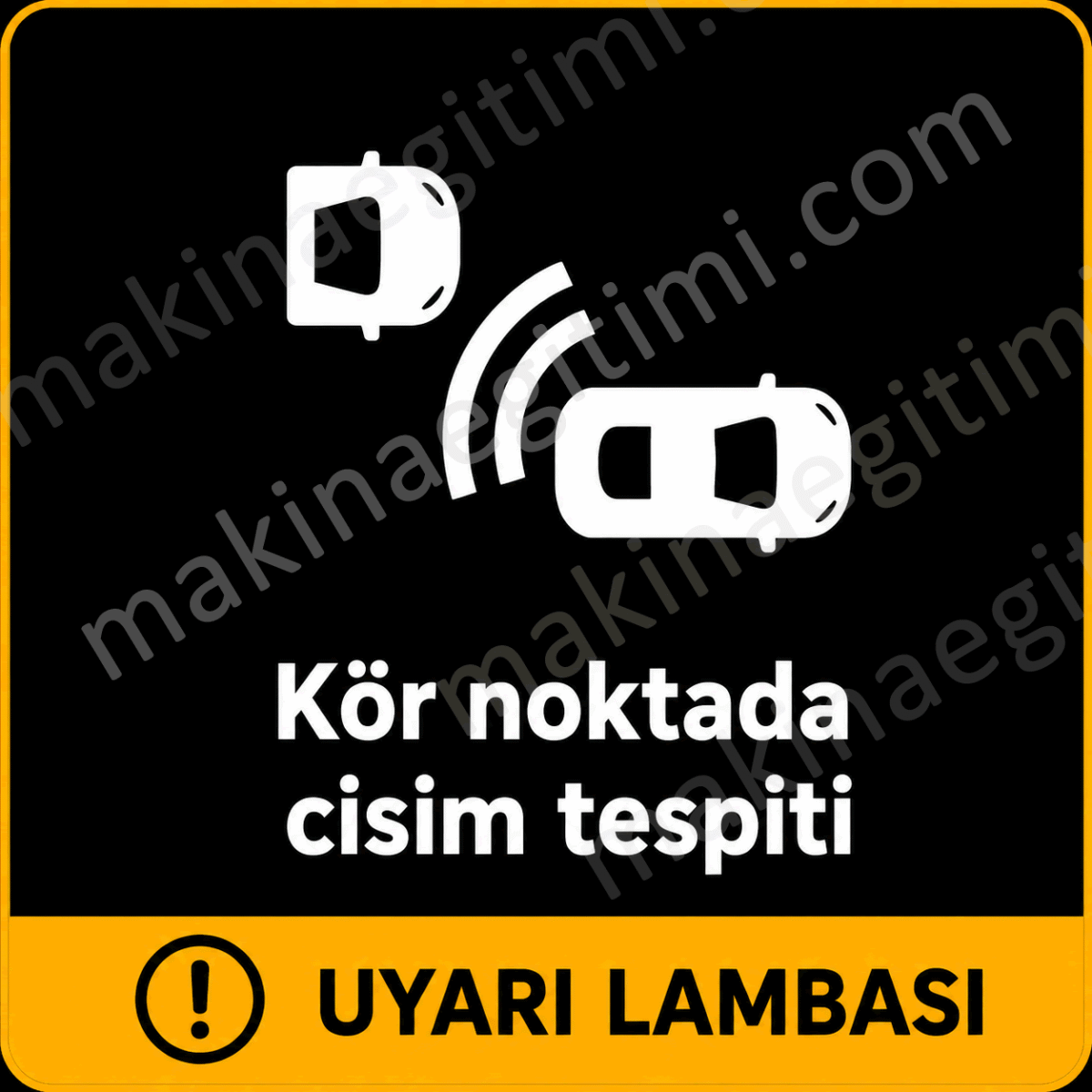
Blind Spot Warning Light
Meaning: Indicates that the Blind Spot Monitoring (BSM) system has detected a vehicle or object in the blind spot the driver cannot see.
Possible Causes
- There is another vehicle in the blind spot.
- An approaching vehicle has been detected in the adjacent lane.
- The blind spot monitoring system is alerting the driver.
What To Do?
Check your mirrors before changing lanes. Perform a shoulder check for the blind spot. Do not change lanes while the warning is active.

Child Lock Safety Status Light
Meaning: Indicates whether the child safety lock system in the vehicle is on or off. When the lock is active, the rear doors cannot be opened from the inside.
Left symbol: Child safety lock engaged (locked)
Right symbol: Child safety lock disabled (unlocked)

Lane Departure Warning Light
Meaning: The lane keeping system alerts the driver when the vehicle begins to leave its lane without signaling.
Why Does It Come On?
- The vehicle is leaving its lane without signaling.
- The lane keeping system has detected an unintended lane change.
- The system is issuing a warning to direct the driver’s attention back to the road.
What To Do?
Straighten the steering and return to your lane. If you intend to change lanes, use your signal. If the warning repeats frequently, consider taking a break due to possible distraction or fatigue.
Driving Information and Comfort Indicators
The informational indicators in this section provide information about the vehicle’s active driving modes and comfort systems. You can find the meanings of dashboard symbols for the ECO mode, park assist system, automatic parking assistant and similar systems in this section.

Winter Mode Informational Light
Meaning: Indicates that the vehicle’s winter mode (Snow Mode) is active and driving settings have been changed for safer driving on slippery surfaces.
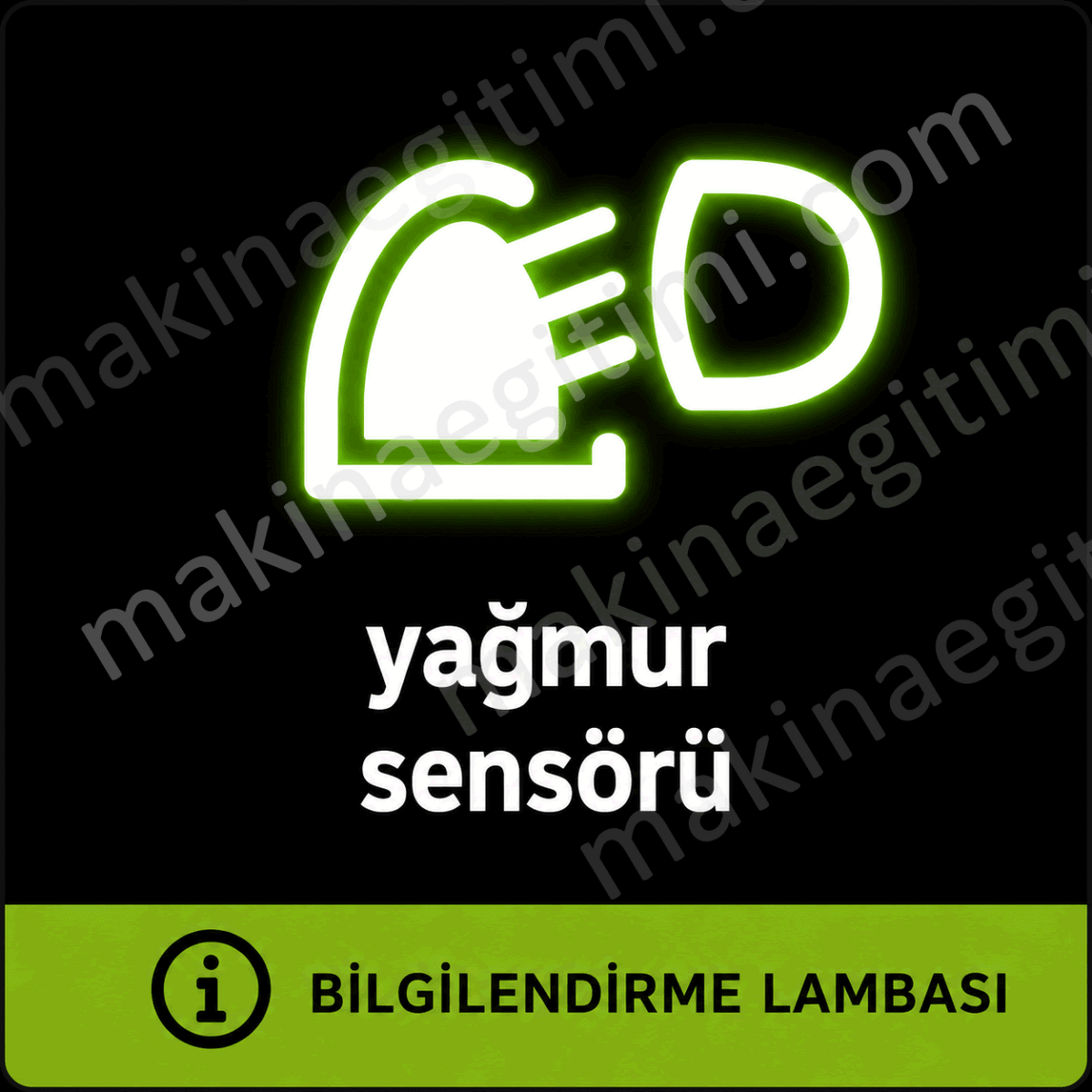
Headlight Rain Sensor Informational Light
Meaning: Indicates that the automatic headlight system, operating with the rain sensor, is active.

Windshield Defrost Informational Light
Meaning: Indicates that the windshield defogging and defrosting system is active.

Automatic Wiper Informational Light
Meaning: Indicates that the automatic wiper system is active and the wipers will operate automatically based on rain intensity.

Park Assist System Informational Light
Meaning: Indicates that the park assist system is active and is helping the driver by detecting surrounding obstacles while parking.

ECO Driving Mode Informational Light
Meaning: Indicates that Economical Driving (ECO) mode is active and the engine and transmission settings have been optimized to reduce fuel consumption.

Driver Fatigue Warning Light
Meaning: Indicates that the driver fatigue detection system has detected signs of distraction or fatigue in the driving behavior and recommends taking a break.
Possible Causes
The vehicle has been driven continuously for a long period. Signs of fatigue have been detected from steering movements. The driver’s attention has been assessed as reduced.
What To Do
Take a break in a safe place. Continue driving after resting. If the warning repeats frequently, avoid driving for extended periods.

Outside Temperature Informational Light
Meaning: Indicates that the outside air temperature is low and that careful driving is needed due to the risk of ice.
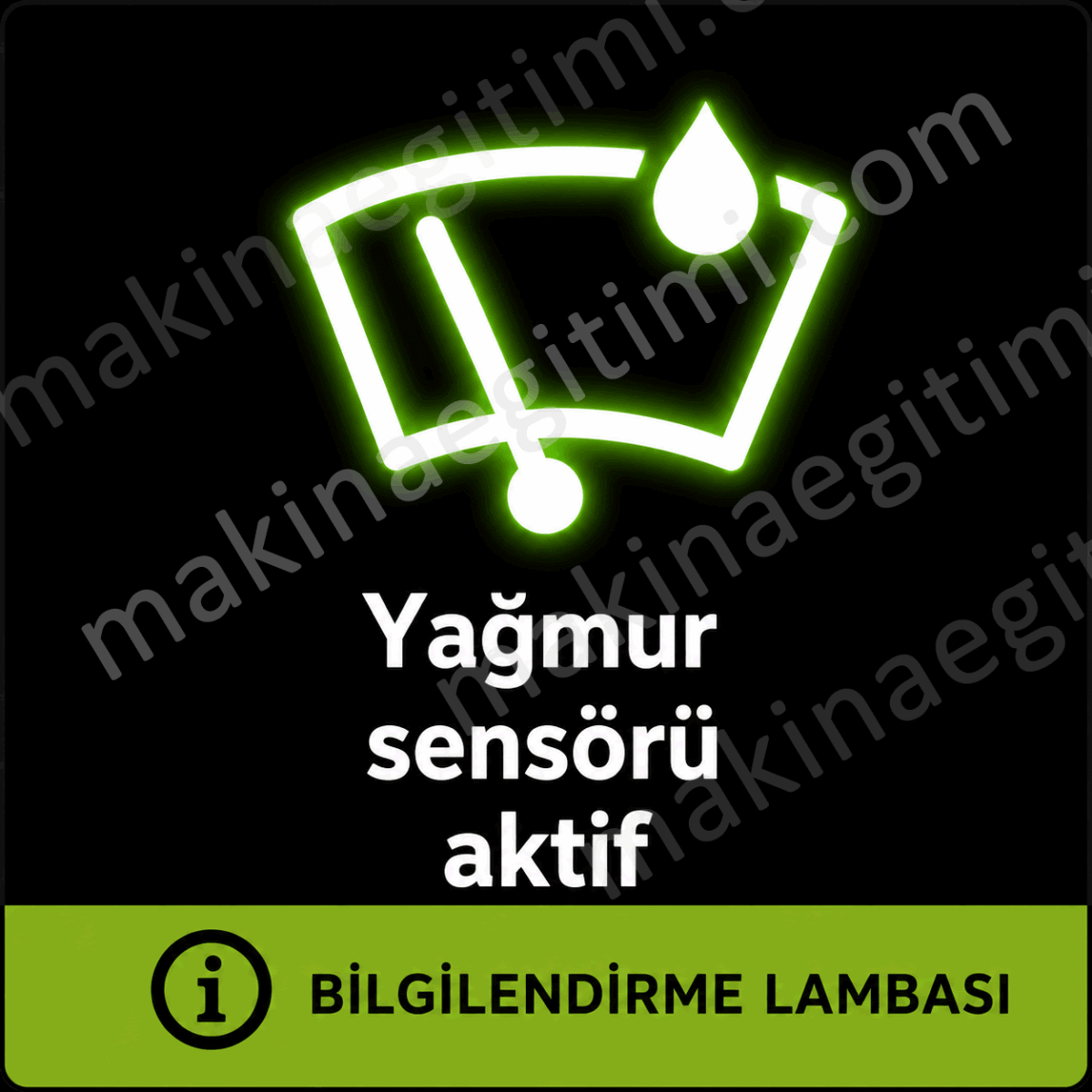
Rain Sensor Informational Light
Meaning: Indicates that the rain sensor is active and the windshield wipers will operate automatically based on precipitation.
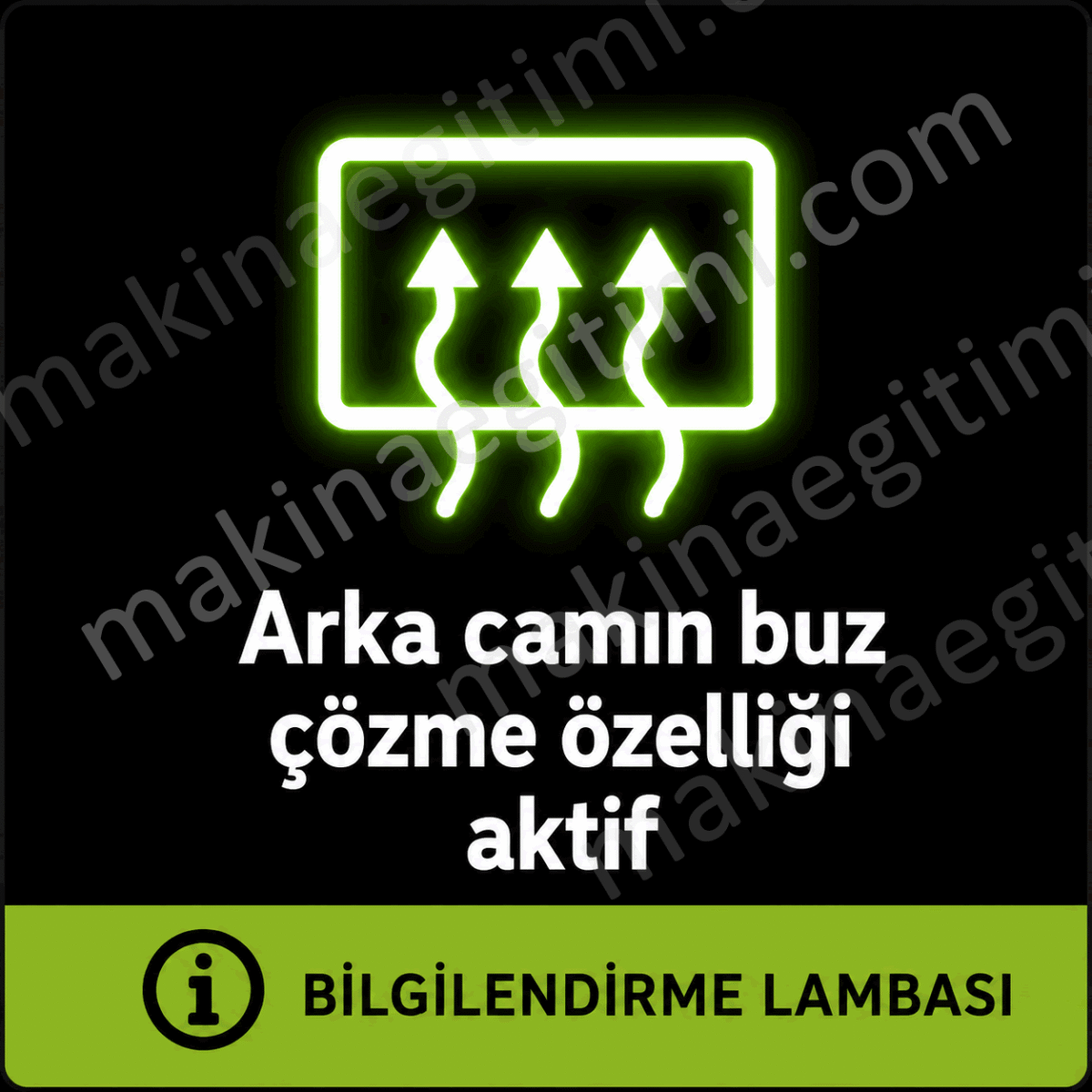
Rear Window Heating Element Informational Light
Meaning: Indicates that the rear window heating element is engaged and fog or ice on the window is being cleared.
Related Topic: How to Repair a Rear Window Heating Element

Washer Fluid Level Warning Light
Meaning: Indicates that the windshield washer fluid level is low or the reservoir is empty. The washer fluid reservoir needs to be refilled with the appropriate fluid.

Park Assist Pilot Informational Light
Meaning: Indicates that the automatic Park Assist system is active and is helping with the parking maneuver by supporting the vehicle’s steering control.

Interior Ventilation System Informational Light
Meaning: An informational light indicating that the vehicle’s interior ventilation system or fan is running and air is being blown into the cabin.
Frequently Asked Questions
Related Questions
If the warning light is on steadily, you can drive carefully and have it checked as soon as possible; if it is flashing, you should stop immediately, as this indicates a serious problem, such as an ignition fault that could damage the engine.
There can be many reasons the engine fault light comes on. These include airflow problems to the engine, faulty sensors, overheating, ignition faults, clogged fuel injectors or fuel pump, catalytic converter or DPF-related issues, or an electrical fault. Consult a mechanic as soon as possible.
If the warning light is on steadily, you can drive carefully and have it checked as soon as possible; if it is flashing, you should stop immediately, as this indicates a serious problem, such as an ignition fault that could damage the engine.
Since this is a less serious warning light, you can continue driving, but you should see a mechanic as soon as possible. Issues may include fuel system problems, clogged filters, electrical faults, or insufficient airflow to the engine.
Red warning lights. For example, the engine oil pressure, engine temperature symbol, brake system, and battery light are the most serious and generally require immediate action to prevent damage and danger.
Warning lights usually reset automatically once the problem is fixed, but in some cases a manual reset via an OBD-II scanner or the vehicle’s settings may be needed; please check your vehicle’s owner’s manual.
Pull over immediately, turn off the engine and let it cool down; check the coolant level and avoid driving further until the problem is resolved.
It is normal for the ABS light to come on briefly and go out shortly after when the vehicle is started; if it stays on, there is a problem with the anti-lock braking system.
In this article, we covered vehicle dashboard panel symbols and their meanings. Most modern motor vehicles have these warning lights as standard equipment. Of course, depending on your vehicle’s class and model year, some warning symbols may not be present in your vehicle. Car warning lights and symbols are designed for safe driving and long-term reliable use.
It is very important to pay attention to key warning signals and remember what they mean. Some symbols and warning lights that should never be ignored are: Engine Oil Pressure, Engine Temperature, Battery Charge, Brake System, ABS, Airbag, a Flashing Engine Fault Light, and Power Steering. Understanding your vehicle’s engine sound and listening to your engine and transmission system will help you take good care of your vehicle in the long run.
This content was prepared by an automotive technology instructor.
Sources:
SAE, Bosch, Toyota, Volkswagen, Hyundai service manuals
Related Posts
 Steering Wheel Grip and Turning Techniques
  Why Is It Dangerous to Rest Your Feet on the Dashboard?
  What Is a Forklift. What Are the Types of Forklifts
  Traffic Regulatory Signs and Their Meanings. Restriction and Command Signs
  How to Drive a Manual Transmission Car
  How Is a Tire Changed? Changing a Vehicle Tire
  Traffic Signs and Their Meanings. Warning Signs
  Definitions Related to Traffic, Highways, and Vehicles