

In the early 1960s, in Liverpool, a small port city in England, four young men dreamed of being something more than an ordinary garage band. No one could have predicted that a few years later, these four names would be greeted by screaming crowds at airports around the world, would fundamentally change the music industry, and would give rise to a global frenzy called “Beatlemania.”
Those four names were John Lennon, Paul McCartney, George Harrison, and Ringo Starr — The Beatles.
In this article, we’ll explore the band’s story, from their humble beginnings in Liverpool to their worldwide impact and eventual breakup.
A Beginning in Liverpool: From The Quarrymen to The Beatles
The story began in 1957 with a skiffle group called The Quarrymen, founded by John Lennon. That same year, young Paul McCartney, who met Lennon at a church event, joined the group shortly afterward; McCartney’s friend George Harrison joined the group a year later. After a few name changes, the group adopted the name “The Beatles” in 1960; this name was a play on words combining “beetle” with a nod to the era’s popular “beat” music.
The band’s early years were spent playing long, exhausting sets in nightclubs in Hamburg, Germany. This period essentially forged the still-inexperienced band in terms of stage performance. In 1962, drummer Pete Best was replaced by Ringo Starr, and the band arrived at the four-piece lineup we know today.
Brian Epstein and the Cavern Club: A Manager’s Vision
One of the people who changed the band’s fate was Brian Epstein, the owner of a record shop in Liverpool. After watching the band at Liverpool’s famous Cavern Club in 1961, Epstein recognized their potential and became their manager.
Epstein reshaped the band’s image (neat suits instead of leather jackets) and their stage discipline, turning them into a format that could appeal to a mass audience. With their 1962 signing to EMI’s Parlophone label and the release of “Love Me Do” that same year, the band began to gain recognition across the UK.
Beatlemania: A Worldwide Frenzy
With “She Loves You” and “I Want to Hold Your Hand,” released in 1963, the band reached unprecedented popularity in the UK; the press began using the term “Beatlemania” to describe this frenzy. The band’s arrival in the US in February 1964 and their performance on The Ed Sullivan Show carried this frenzy across the Atlantic as well; the show is estimated to have been watched by around 73 million Americans, corresponding to a significant portion of the country’s population.
On April 4, 1964, The Beatles simultaneously occupied the top five spots on the Billboard Hot 100 chart; this record had never been broken by any artist up to that point, and it’s still regarded today as an achievement that’s difficult to surpass.
Musical Maturation: From Touring to the Studio
“Yesterday,” released in 1965, was an important sign of the band’s musical maturation; this simple ballad, performed by Paul McCartney with only a string quartet, showed how far the band had moved from its rock’n roll roots. In 1966 the band stopped performing live and turned all of their energy toward studio work. Albums released during this period, such as Revolver and Sgt. Pepper’s Lonely Hearts Club Band, reflected an experimental approach that pushed the boundaries of popular music.
“Strawberry Fields Forever,” released in 1967 and written by Lennon drawing on his childhood memories, was one of the pioneering examples of the psychedelic rock movement. During this period, the band brought many innovations into popular music, from Indian instruments like the sitar to studio effects.
The End of an Era: Rift and Breakup
From 1968 onward, creative and personal tensions within the band began to grow. “Hey Jude,” released during this period and written by Paul McCartney to comfort Lennon’s son Julian, became one of the band’s most beloved ballads. However, business relationships within the band grew increasingly difficult, particularly following the management vacuum left by Epstein’s sudden death in 1967 and the growing personal disagreements among the members.
“Here Comes the Sun,” written by George Harrison on the 1969 Abbey Road album, was a pure, hope-filled work the band could still produce despite this tense period. However, the “Let It Be” single and the album of the same name, released in 1970, coincided with the band’s official breakup; with McCartney announcing his departure in April 1970, a shared journey of nearly a decade came to an end.
Why Did the Band Break Up?
There’s no single reason for the band’s breakup; many factors came together. After Brian Epstein’s death in 1967, the band faced a gap in business management.
There was disagreement among the members over choosing a new manager; McCartney opposed Allen Klein’s management while the other members supported him. In addition, each member’s desire to develop their own musical vision independently, and the fatigue created by years of an intense work pace, also contributed to the process.
Yoko Ono’s entrance into Lennon’s life was also a frequently discussed element in the press of the time, but the band’s own members repeatedly emphasized in later years that the breakup was based on far more complex and multifaceted reasons.
Hear The Beatles’ Sound (8 YouTube Recommendations)
If you’d like to listen through the band’s journey, from their simple beginnings in Liverpool to their experimental studio era, here are eight recommendations:
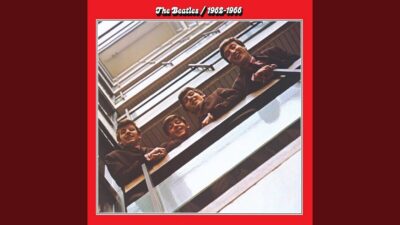
Love Me Do (Mono Version / Remastered 2009)

She Loves You (Remastered 2009)
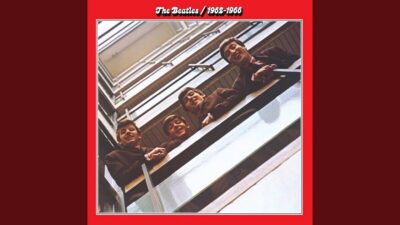
I Want To Hold Your Hand (Remastered 2009)

Yesterday (Remastered 2009)
- The Beatles – Love Me Do (1962, first single)
- The Beatles – She Loves You (1963, the start of Beatlemania)
- The Beatles – I Want to Hold Your Hand (1963, breakthrough in the US)
- The Beatles – Yesterday (1965, musical maturation)

Strawberry Fields Forever (Remastered 2009)
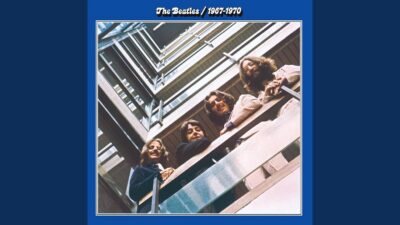
Hey Jude (Remastered 2009)

The Beatles – The Beatles – Here Comes The Sun (Official Music Video) [2019 Mix]

Let It Be (Remastered 2009)
- The Beatles – Strawberry Fields Forever (1967, psychedelic era)
- The Beatles – Hey Jude (1968)
- The Beatles – Here Comes the Sun (1969, George Harrison’s signature)
- The Beatles – Let It Be (1970, the band’s farewell single)
Listening through these eight tracks in order, you’ll clearly notice how the band evolved from a simple rock’n roll format into complex studio artistry in just eight years.
After the Breakup: Solo Careers and Losses
After the band broke up, all four members achieved success in their own solo careers; Lennon’s “Imagine,” McCartney’s continued career with Wings, Harrison’s “My Sweet Lord,” and Starr’s own albums all showed that each of them left a strong legacy as an independent artist as well.
However, the band’s story took on an even sadder dimension with two great losses: John Lennon was murdered in New York in 1980; George Harrison died of lung cancer in 2001. Today, McCartney and Starr remain the only two members still carrying on the band’s legacy.
The Beatles’ Legacy: How It Reached Today
The Beatles permanently changed popular music, not just through the records they sold, but through their studio techniques, their approach to album concepts, and their songwriting. Still holding the title of best-selling music group in the world today, The Beatles influenced nearly every musician who came after them in one way or another. This makes them, even more than sixty years after their formation, the most influential and most discussed band in popular music.
Frequently Asked Questions
The Beatles emerged in Liverpool, England, out of the evolution of a group called The Quarrymen, founded by John Lennon in 1957, and took on their current name in 1960.
The band was made up of John Lennon, Paul McCartney, George Harrison, and Ringo Starr; Starr joined the band in 1962, replacing drummer Pete Best.
Beatlemania is a term used by the press to describe the intense, global adoration for The Beatles during 1963-1964.
The band’s breakup, which took place in 1970, resulted from the combination of many factors, including management disputes after the death of their manager Brian Epstein, personal and musical disagreements among the members, and each member’s desire for an independent career.
Two of the four original members, Paul McCartney and Ringo Starr, are still alive; John Lennon died in 1980, and George Harrison died in 2001.
Related Posts
 The Most Famous Film Scores and Their Composers: Themes That Shaped Cinema History
 The Life Story of Elvis Presley: The Journey of the King of Rock’n Roll
 The Birth and Golden Age of Jazz: From New Orleans to the World
 What Is the Difference Between Classical Guitar and Acoustic Guitar?
 Music Terms: Tempo, Harmony, Chord, Syncopation and More
 The Birth and Golden Age of Rock ‘n’ Roll: From Memphis to the World
 The History of the Guitar: The Journey from Its Origins to the Electric Guitar
 The Birth and Golden Age of Reggae: From Jamaica to the World