
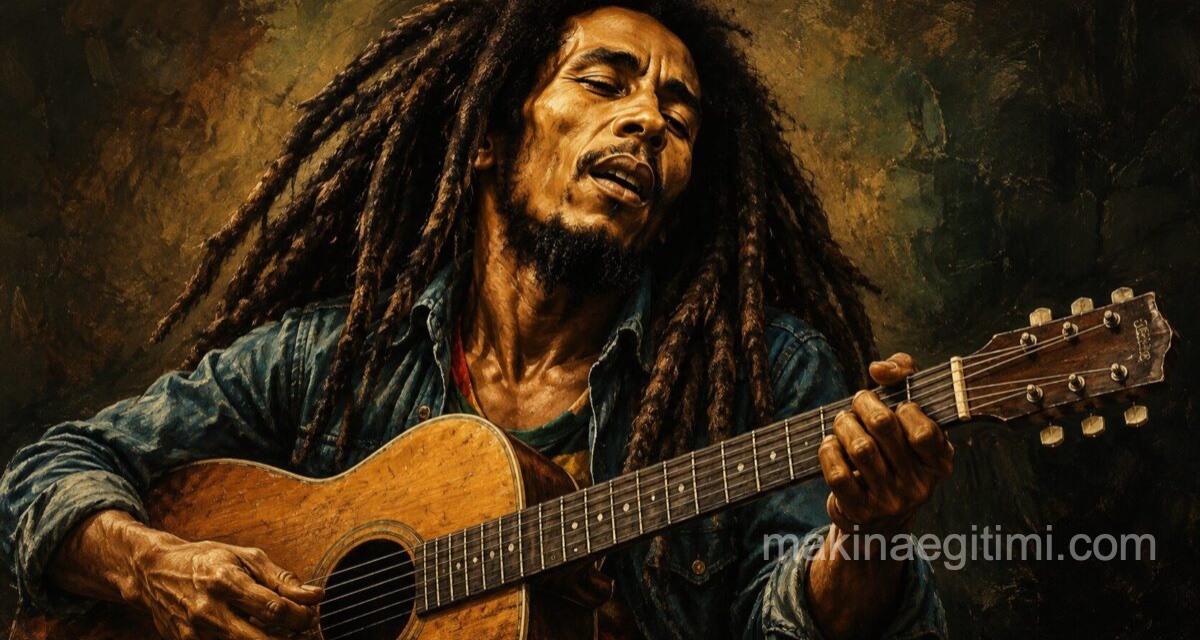
Can a musical movement that sweeps the entire world be born on a small Caribbean island? The story of reggae proves exactly that. Taking shape in the streets of poor neighborhoods in 1960s Jamaica, this music quickly grew from being just a genre into an identity, a philosophy, and a call for peace. No matter which corner of the world you travel to today, hearing that characteristic “offbeat” guitar chink instantly brings to mind a sunny beach and a relaxed tempo.
In this article, we’ll explore reggae’s birth from its ska and rocksteady roots, its golden age, and the legendary names who left their mark on this music.
How Was Reggae Born? From Ska to Rocksteady to Reggae
Reggae’s roots go back to ska music, which emerged in Jamaica in the late 1950s. Ska was born from a mix of American rhythm & blues with Caribbean mento and calypso traditions; it resembled a fast-paced, cheerful dance. In the mid-1960s, whether due to the summer heat or a shift in the social mood, musicians began slowing the tempo down; this gave birth to a subgenre called rocksteady, which was more restrained and gave more weight to the bass guitar.
Around 1968, the tempo loosened up a bit more and the guitar’s “offbeat” technique (playing the chord exactly opposite the beat) became more pronounced, giving rise to the reggae sound we know today. One of the most important examples of this transitional period was Desmond Dekker’s 1968 track “Israelites”; this song was one of the first major hits to carry reggae beyond Jamaica’s borders and to the top of the UK pop charts.

Meeting Rastafari: The Spirit of the Music
Reggae’s development became intertwined with the Rastafari faith and lifestyle movement, which was gaining strength in Jamaica during the same period. Rastafari advocated a return to African roots, an anti-colonial consciousness, and a spiritual philosophy of life.
Reggae musicians carried this movement’s values into their lyrics; equality, resistance, unity, and spirituality became reggae’s core themes. This transformed reggae from being just music to dance to into a carrier of a message.
The Golden Age: The 1970s and the Bob Marley Phenomenon
The 1970s were reggae’s true golden age. During this period, Bob Marley & The Wailers turned the genre into a phenomenon recognized worldwide. Marley’s 1973 track “Get Up, Stand Up,” co-written with Peter Tosh, voiced a call for social justice directly and powerfully. “No Woman, No Cry,” released in 1974, became a beloved classic around the world, capturing both everyday hardship in Jamaica and hope.

During this period, Marley’s former bandmates were also shining in their own solo careers. Peter Tosh took both a personal and a bold political stand with “Legalize It,” released in 1976, defending the Rastafari culture’s herbal tradition. Jimmy Cliff, meanwhile, became the man who brought reggae to the movie screen through the 1972 film The Harder They Come, in which he starred, and its title theme; this film played a role in reggae’s worldwide recognition nearly as significant as Marley’s.
A Curious Detail: What Is the “One Drop” Rhythm?
One of reggae’s most recognizable features is the rhythm pattern called “one drop.” While traditional Western music typically emphasizes the first beat (the downbeat), reggae drummers deliberately leave the first beat empty and shift the emphasis to the third beat.
This small but powerful change gives reggae its characteristic “laid-back,” relaxed, and swaying feel. One of the pioneers of this technique was Carlton Barrett, who was also Bob Marley’s drummer; Barrett’s approach became something of a textbook for the next generation of reggae drummers.
Toots and the Maytals: The Origin of the Word “Reggae”
An interesting detail: although the exact origin of the word “reggae” isn’t entirely clear, the track Toots and the Maytals released in 1968, “Do the Reggay,” is thought to have played a major role in popularizing the term. The band’s lead singer, Frederick “Toots” Hibbert, said he was inspired by a Jamaican slang expression meaning “ordinary, everyday.”
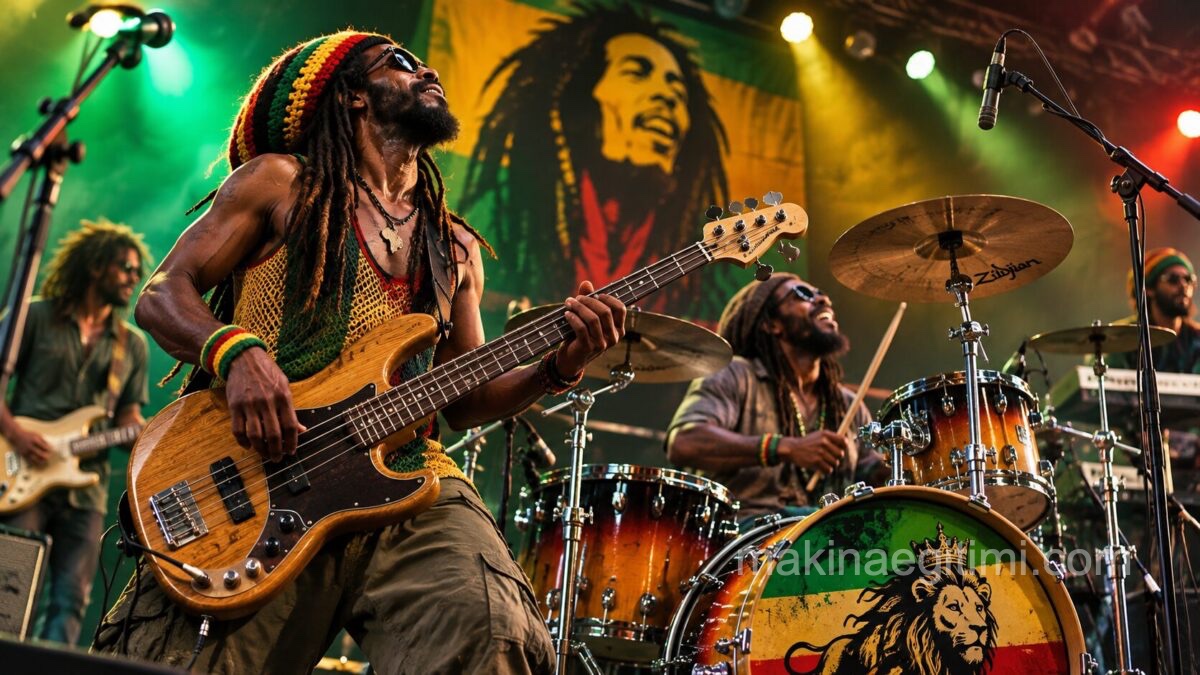
“Pressure Drop,” which the band released a year later, was widely acclaimed both inside and outside Jamaica, and later became part of the soundtrack for The Harder They Come.
Discover Reggae by Ear (8 YouTube Recommendations)
If you’d like to listen through reggae’s journey, from its birth out of ska to Bob Marley’s worldwide impact, here are eight recommendations:
- Desmond Dekker & The Aces – Israelites (1968, the transition from ska to reggae)
- Toots and the Maytals – Pressure Drop (1969)
- Jimmy Cliff – The Harder They Come (1972)
- Bob Marley & The Wailers – Get Up, Stand Up (1973)

Desmond Dekker & The Aces – "Israelites" (Official Audio)

The Maytals 'Pressure Drop' (official audio)
The Harder They Come (From "The Harder They Come" Soundtrack)

Bob Marley & The Wailers – Get Up, Stand Up (Audio)
- Bob Marley & The Wailers – No Woman, No Cry (1974)
- Peter Tosh – Legalize It (1976)
- Bob Marley & The Wailers – One Love / People Get Ready (1977)
- UB40 – Red Red Wine (1983, reggae’s move into the mainstream)
Bob Marley – No Woman No Cry Official Audio

Peter Tosh – Legalize It (Audio)

Bob Marley & The Wailers – One Love / People Get Ready (Audio)

UB40 – Red Red Wine (Official Video HD Remastered)
Listening through these eight tracks in order, you’ll clearly notice how reggae evolved from ska’s fast energy into its own distinctive, relaxed, and thoughtful tempo.
Reggae’s Legacy: How It Reached Today
From the 1980s onward, reggae evolved into more electronic, faster-paced subgenres like dancehall; but it also deeply influenced punk, hip hop, and pop music.
From The Clash to No Doubt, from Sean Paul to Rihanna, many artists have drawn on reggae’s characteristic rhythm throughout their careers. Today, reggae lives on not just as a music genre, but as a universal symbol of peace, unity, and a worldwide call for resistance.
Frequently Asked Questions
Reggae was born in Jamaica in the late 1960s, through the evolution of the ska and rocksteady genres.
The 1970s are generally considered reggae’s golden age; this is the period when Bob Marley & The Wailers turned the genre into a phenomenon recognized worldwide.
Bob Marley, Peter Tosh, Jimmy Cliff, Toots and the Maytals, and Desmond Dekker are counted among the most important names of reggae’s golden age.
Reggae’s development is intertwined with the Rastafari faith and lifestyle movement; many reggae songs address the movement’s themes of equality, resistance, and spirituality.
One drop is a rhythm pattern unique to reggae; the first beat, normally emphasized in traditional music, is deliberately left empty and the emphasis shifts to the third beat, creating a characteristic “swaying” feel.
Related Posts
 The History of the Guitar: The Journey from Its Origins to the Electric Guitar
  The Life Story of Elvis Presley: The Journey of the King of Rock’n Roll
  The Most Famous Film Scores and Their Composers: Themes That Shaped Cinema History
  Music Terms: Tempo, Harmony, Chord, Syncopation and More
  What Is Classical Music? Periods, Great Composers and History
  What Is the Difference Between Classical Guitar and Acoustic Guitar?
  The Birth and Golden Age of Rock ‘n’ Roll: From Memphis to the World
  The Birth and Golden Age of Jazz: From New Orleans to the World