
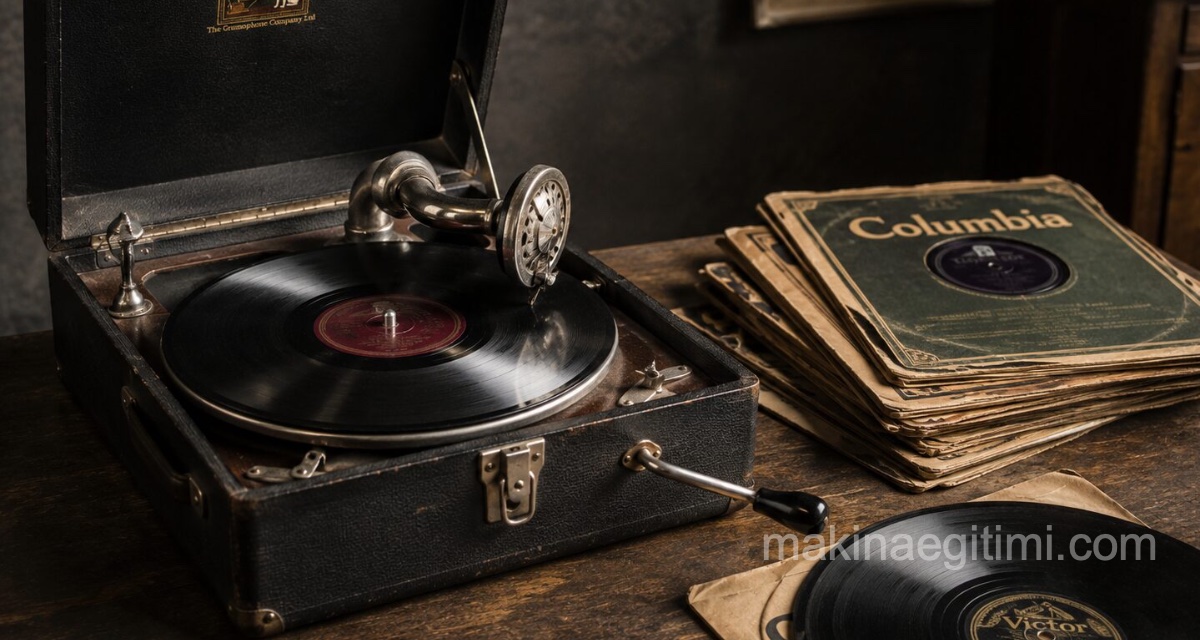
Picture this: the early 1900s, a port city in the American South, on the banks of the Mississippi River. The streets are crowded, the docks are bustling, the taverns are full. And right in the middle of this chaos, two very different worlds — the rhythms of a community of African descent and the harmonic sensibilities of Europe — blending together. This is exactly where jazz was born, in the noisy streets of New Orleans. No single composer invented it, and no school taught it. Jazz was an improvised rebellion — a way of bending the rules, of expressing pain and joy at the same time.
In this article, we’re taking you on a journey: a story that stretches from the streets where jazz was born, to the glamorous nightclubs where big orchestras took the stage, all the way to the legendary tracks we still listen to today.
How Was Jazz Born? A Music from Slavery to Freedom
The roots of jazz actually reach back into a far more painful history. The work songs, church hymns (gospel), and blues of people brought to America as slaves from Africa formed the cornerstones of jazz. When this music met European march music and instruments like the piano and clarinet in New Orleans, something completely new emerged: music built on improvisation and syncopation (shifted rhythm), a little different with every performance.

An interesting detail: New Orleans’ entertainment district known as “Storyville” was one of the places where jazz first took root. Musicians there played in bars, brothels, and street parades, earning money while shaping this new sound. When Storyville was shut down in 1917, many musicians migrated to cities like Chicago and New York — and jazz spread across America right along with them.
The Golden Age: The 1920s and the “Jazz Age”
The 1920s were a true explosion for jazz in America. Writer F. Scott Fitzgerald was so taken with the era that he coined the term “Jazz Age” to describe it. As postwar society loosened up, and radio and the record industry grew, jazz was no longer just a street music of the South — it had become a national phenomenon.
Two cities stood out during this period:

- Chicago: The new stop for New Orleans musicians who migrated north. A faster, more energetic style of jazz developed here.
- New York (Harlem): The big band era began on the stages of legendary clubs like the Cotton Club.
Women also held a powerful place on this stage — singers who blended blues and jazz in particular were among the era’s most listened-to artists.
Legends of the Era: Who Became Famous, and For What?

Louis Armstrong — Perhaps the most recognizable face of jazz. Raised in a poor neighborhood of New Orleans, Armstrong turned jazz into an art of improvised solos through his virtuosity on the trumpet and his gravelly, warm voice. “What a Wonderful World” and “West End Blues” are among his signature tracks.
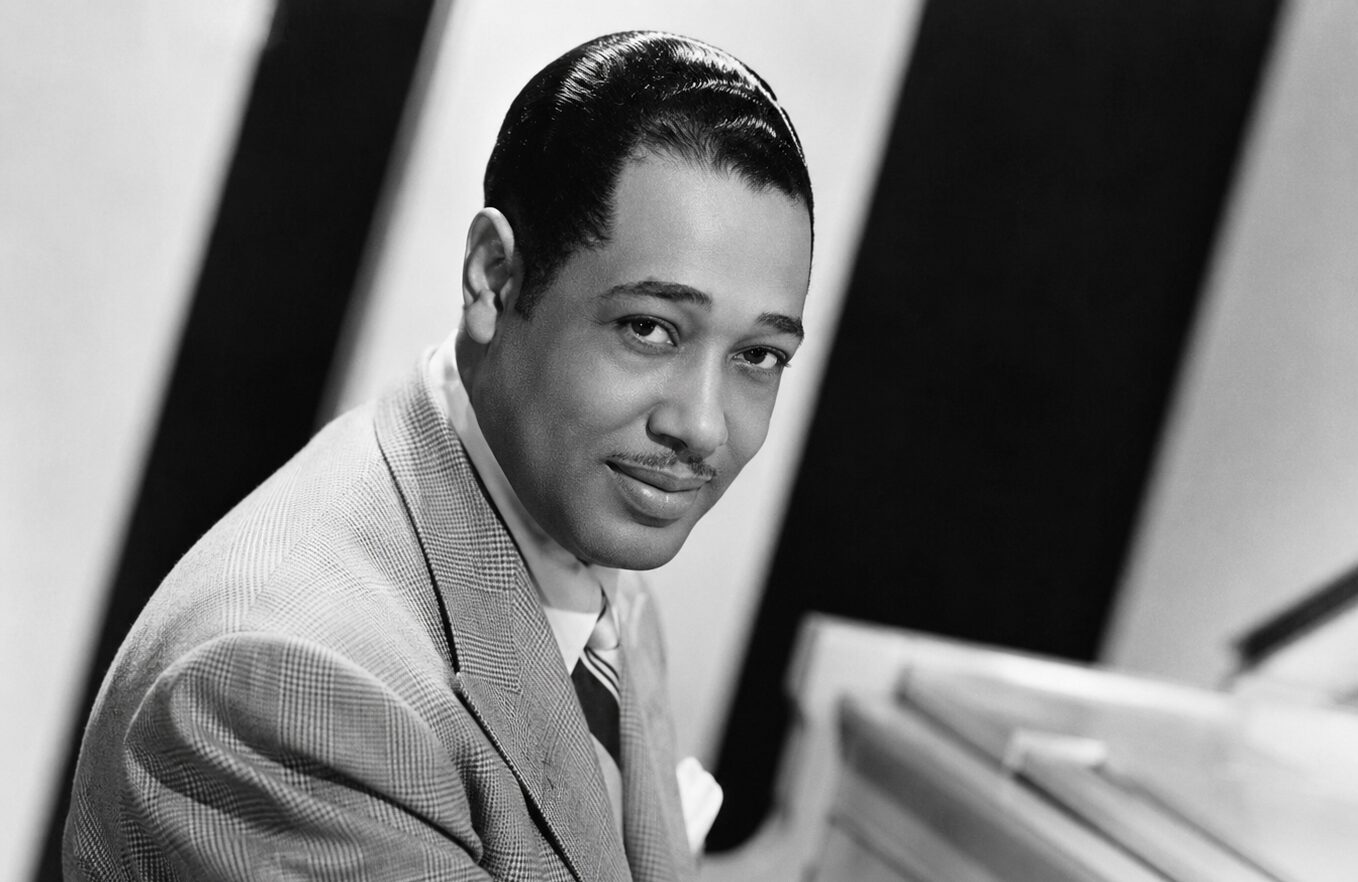
Duke Ellington — Considered the architect of the big band era. Through his leadership of the orchestra at the Cotton Club, he brought a symphonic elegance to jazz. His piece “Take the A Train” is still regarded today almost as jazz’s own anthem.

Bessie Smith — Nicknamed the “Empress of the Blues,” Smith was an artist whose powerful voice could convey both pain and pride at once. “Downhearted Blues” made her a star overnight.

Jelly Roll Morton — A colorful character who billed himself as “the man who invented jazz.” Even if that claim was exaggerated, he holds an important place in music history as one of the first composers to put jazz down in written notation.
A Curious Detail: Where Does the Word “Jazz” Come From?
Nobody’s entirely sure, actually. The word is thought to derive from “jasm,” a slang term of the era meaning “energy, excitement.” According to some sources, it was initially used to describe a kind of enthusiasm rather than music itself — as in “that man’s got jazz in his game.” Over time, this energetic word became the name for the very music that carried that same energy.
The Legacy of Jazz: How Did It Reach Us Today?
Even after the golden age of the 1920s ended, jazz didn’t stop there. It kept reinventing itself through subgenres like bebop in the 1940s, cool jazz in the 1950s, and fusion afterward. You can still hear traces of jazz today in film scores, in advertisements, even woven into modern pop songs. This makes jazz the sound not just of one era, but of a timeless language.
Here are a few examples; listen through the list below from start to finish, and you’ll clearly hear how, over 100 years, jazz went from a street music to the dizzying speed of bebop, the calm of cool jazz, the electronic energy of fusion, and finally the elegance of a modern film score.
8 Golden-Age Tracks You Should Listen to Today
The best way to really feel jazz is to listen to it. Here are a few recommendations to get started:
In particular, the way Cab Calloway had the audience singing his “Hi-de-hi-de-hi-de-ho” call-and-response back to him throughout the show, and the sheer energy of Benny Goodman’s 1938 Carnegie Hall concert, make it clear just how much jazz had become a full-blown stage spectacle by that era.
1- Charlie Parker – Ko-Ko (1945, the birth of bebop)
2- Miles Davis – So What (1959, cool jazz / modal jazz)
3- Dave Brubeck Quartet – Take Five (1959, cool jazz)
Ko-Ko
Miles Davis – So What (Audio) (Official Audio)
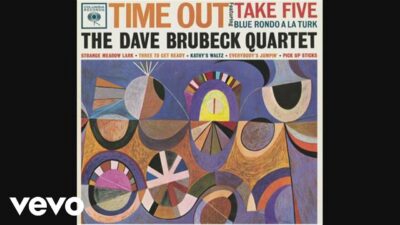
Dave Brubeck, The Dave Brubeck Quartet – Take Five (Audio)

Miles Davis – Bitches Brew (Audio) ft. John McLaughlin, Wayne Shorter, Chick Corea, Joe Zawinul
Herbie Hancock – Rockit (Official Video)

Robert Glasper Experiment – Afro Blue (Feat. Erykah Badu)

Mia & Sebastian's Theme
4- Miles Davis – Bitches Brew (1970, the start of jazz fusion)
5- Herbie Hancock – Rockit (1983, where jazz-funk meets scratch culture)
6- Robert Glasper Experiment ft. Erykah Badu – Afro Blue (2012, jazz meeting modern R&B)
7- Mia & Sebastian’s Theme, from La La Land (2016, jazz’s reflection on the modern-day screen)
Frequently Asked Questions
Jazz was born in the early 20th century in New Orleans, Louisiana, in the U.S., through the blending of musical traditions of African origin with European musical sensibilities.
The 1920s are generally considered jazz’s golden age (the Jazz Age), though the influence of the big-band era continued into the 1930s and 1940s.
Louis Armstrong, Duke Ellington, Bessie Smith, and Jelly Roll Morton are counted among the most important names of jazz’s golden age.
Louis Armstrong’s “West End Blues” and Duke Ellington’s “Take the A Train” are ideal starting points for jazz newcomers.
Although the word’s exact origin isn’t known for certain, it’s thought to derive from a slang term of the era meaning “energy and excitement.”
Related Posts
 What Is the Difference Between Classical Guitar and Acoustic Guitar?
  Music Terms: Tempo, Harmony, Chord, Syncopation and More
  What Is Classical Music? Periods, Great Composers and History
  The Most Famous Film Scores and Their Composers: Themes That Shaped Cinema History
  The History of the Guitar: The Journey from Its Origins to the Electric Guitar
  The Birth and Golden Age of Reggae: From Jamaica to the World
  The Life Story of Michael Jackson: The Legendary Journey of the King of Pop
  The Life Story of Elvis Presley: The Journey of the King of Rock’n Roll