
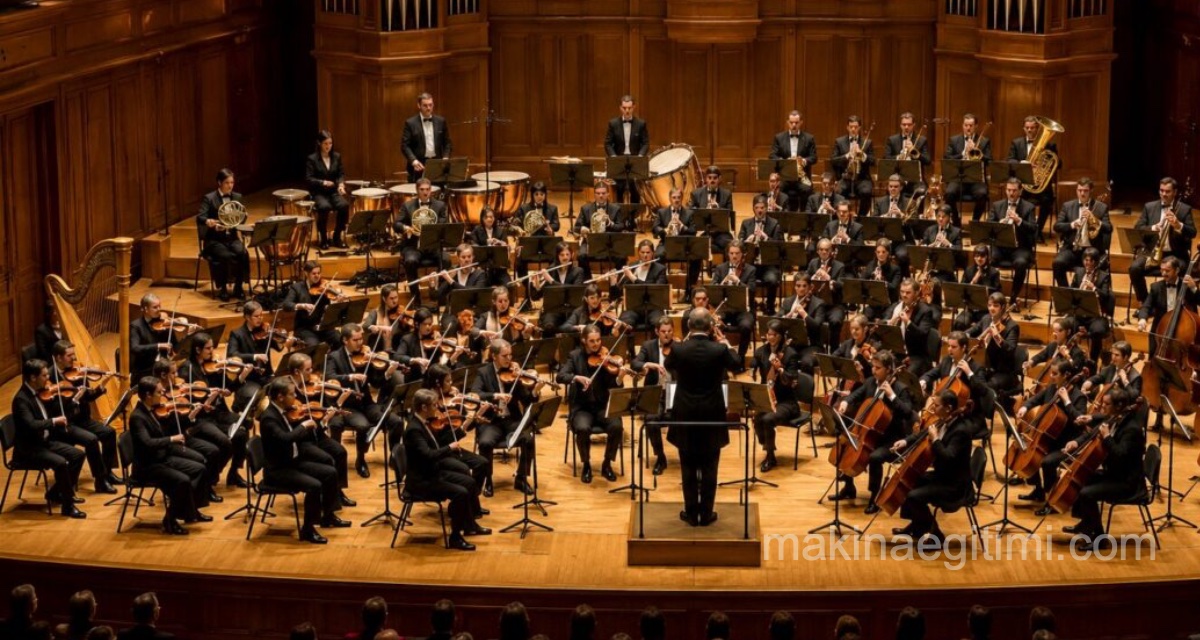
Today, when we say “classical music,” most of us picture stuffy concert halls, orchestra members in tailcoats, and maybe a slightly “boring” image. But in reality, classical music was, for centuries, the most exciting art form of its time, written to express love, war, grief, and joy. Every composer whose name we know today was an innovator in their own era; some clashed with the Church, some knocked on the doors of the nobility, and some wrote history’s most powerful symphonies despite going deaf.
In this article, we’ll explore together how classical music was born in church choirs, its evolution from the Baroque to the Romantic period, and the great names who left their mark on this journey.
Origins: From Church Music to Polyphony
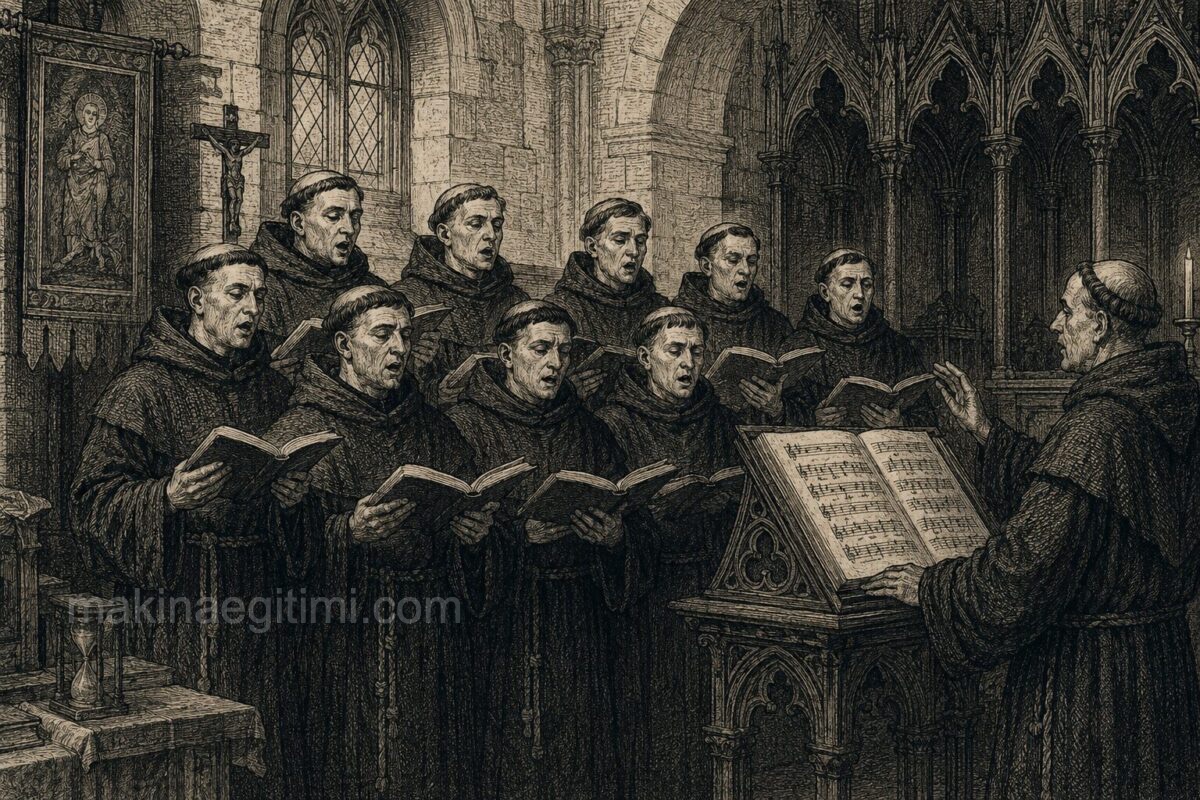
The roots of Western classical music lie in medieval church music. In this era, music consisted of simple, single-voice Gregorian chants. But starting in the 9th and 10th centuries, musicians began combining multiple melodic lines at once; this development, known as “polyphony,” marked the beginning of the revolution that would form the foundation of today’s understanding of harmony.
During the Renaissance (roughly 1400 to 1600), this polyphonic structure fully matured; choirs could now weave together four, five, or even more interlocking vocal lines. This period was when the first seeds of the complex, layered structure we know as classical music today were sown.
The Baroque Period (1600-1750): Ornamentation and Dramatic Contrasts
The Baroque period was one of the first golden ages of classical music. Music of this era was known for elaborate ornamentation, dramatic contrasts in volume (sudden shifts between loud and soft), and intricate counterpoint. The two greatest names of this period were Johann Sebastian Bach and Antonio Vivaldi.
Bach was known throughout his life mainly as a humble musician who played the organ and led choirs in church; after his death, he was nearly forgotten. But roughly 80 years later, the composer Felix Mendelssohn brought his works back into the light, and today Bach is regarded as one of the most influential figures in music history.
Vivaldi, meanwhile, trained as a priest in Italy, but earned his true fame with his violin concertos titled The Four Seasons; this work was an early example of “programmatic music,” imitating the sounds of nature through music.
The Classical Period (1750-1820): Balance and Elegance
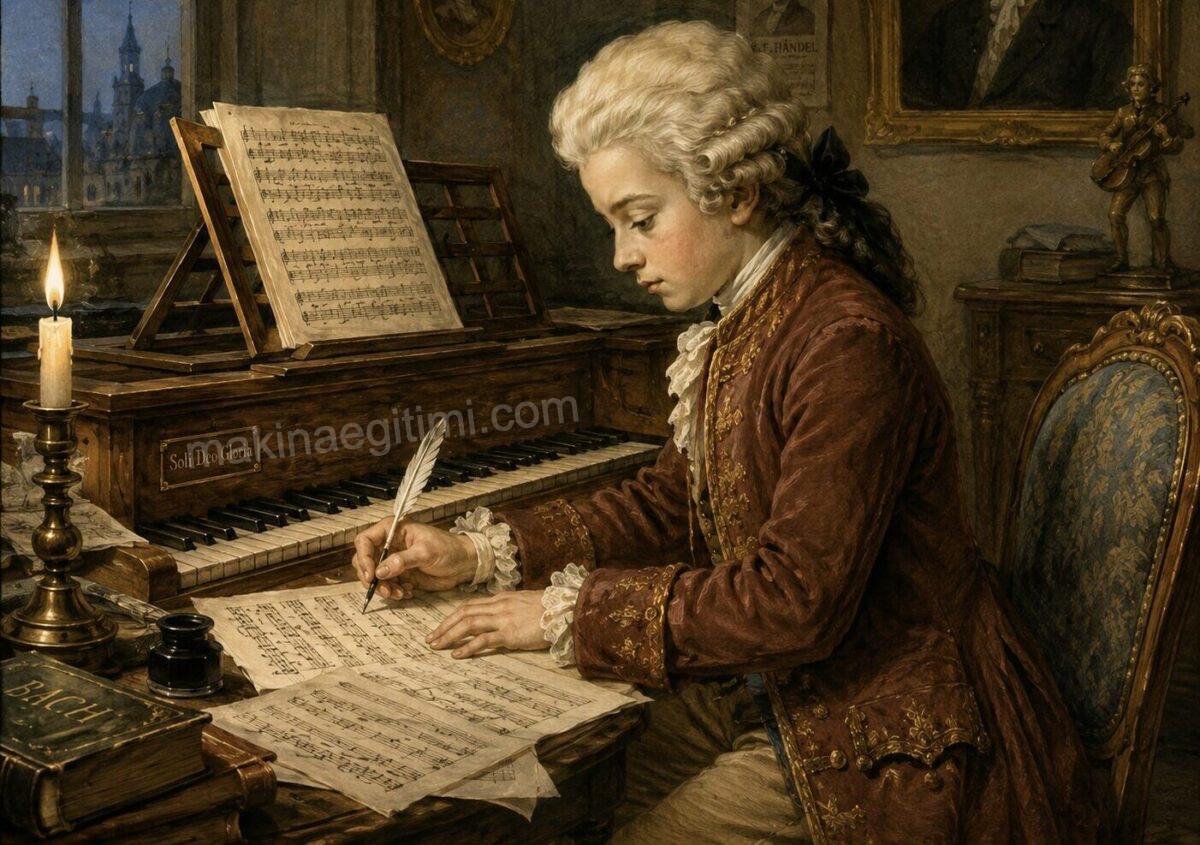
Following the dense ornamentation of the Baroque, the Classical period embraced a simpler, more balanced, and more “transparent” approach to music. The symbolic figures of this period were Wolfgang Amadeus Mozart and Ludwig van Beethoven.
Mozart was a child prodigy who began composing at just five years old, fitting more than 600 works into his short 35-year life. Beethoven, on the other hand, is considered the bridge from the Classical period to the Romantic period; although he began losing his hearing in the middle of his career, he composed his most powerful symphonies after that point. The famous four-note opening motif of his 5th Symphony (often interpreted as “fate knocking at the door”) remains one of the most recognizable musical phrases in the world today.
The Romantic Period (1820-1900): The Peak of Emotion
The Romantic period was shaped by the idea that music should express not just elegance, but intense personal emotion. During this period, orchestras grew larger and works became longer and more dramatic. Frédéric Chopin was known for the gentle, melancholic nocturnes he wrote for piano, while Pyotr Ilyich Tchaikovsky brought music together with theater through ballet works such as Swan Lake.
An interesting detail: Chopin didn’t particularly enjoy performing on stage, preferring small, intimate salon gatherings over crowded concert halls. This introverted character clearly shows through in the fragile, poignant tone of his works.
A New Sound at the End of the Century: Impressionism
At the end of the nineteenth century, the French composer Claude Debussy began to bend the traditional rules of harmony in classical music. Inspired by the Impressionist movement in painting, he focused less on clear melodies and more on creating atmosphere and color.
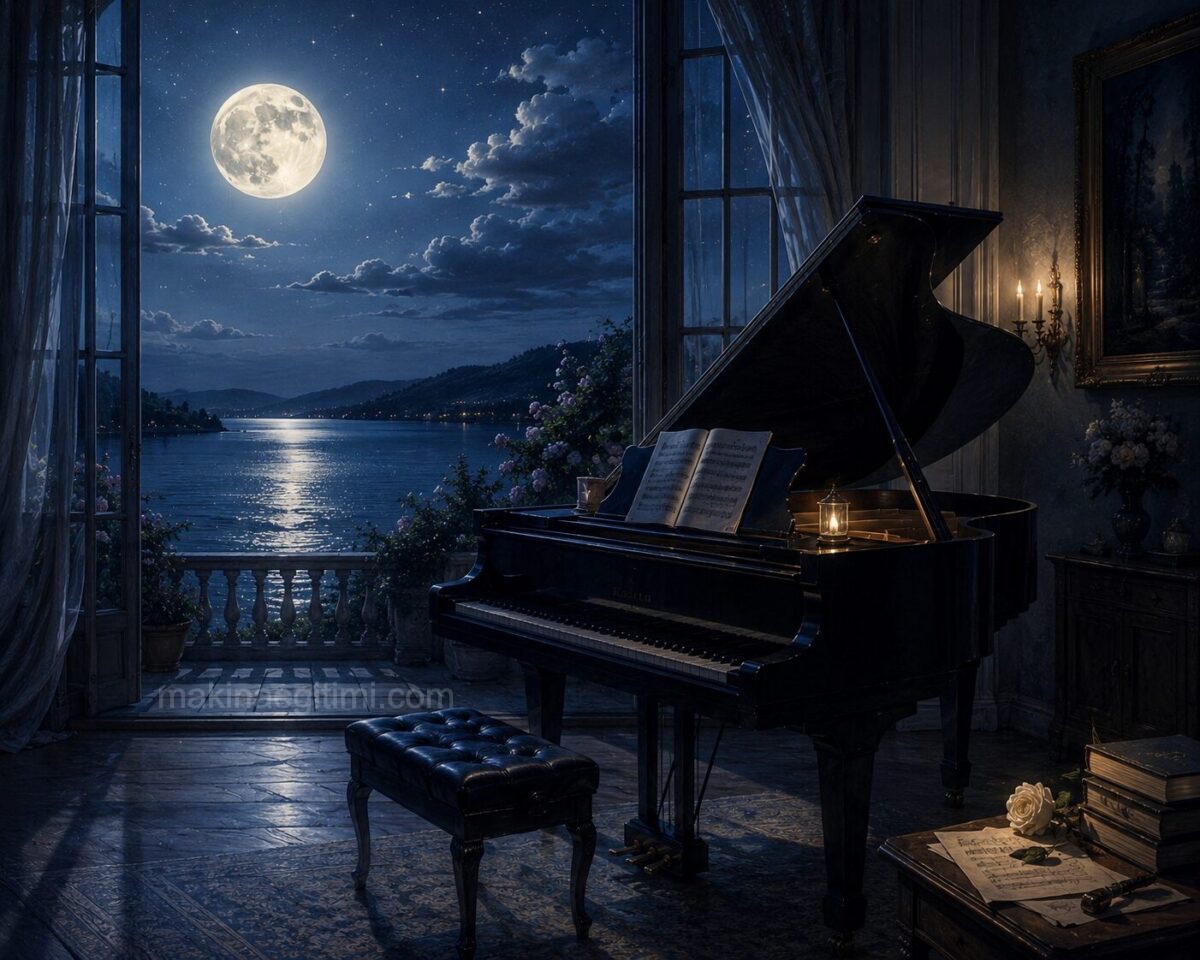
Clair de Lune (Moonlight), one of the most beloved examples of this new approach, conveys, in an almost visual way, how moonlight spreads through a room.
A Curious Detail: What Does the Term “Classical Music” Actually Mean?
In fact, the term “classical music” is used as a broad umbrella term that covers not just the “Classical period” of 1750-1820, but the entire tradition of Western art music stretching from the Middle Ages to the 20th century. So in everyday language, both a Bach piece and a Debussy piece are referred to as “classical music,” even though for musicologists these two belong to completely different periods and styles.
Discover Classical Music by Ear (8 YouTube Recommendations)
The best way to truly feel the different periods of classical music is to listen to it. Here are eight recommendations spanning from the Baroque to Impressionism:
- Johann Sebastian Bach – Toccata and Fugue in D Minor (Baroque)
- George Frideric Handel – Messiah: Hallelujah Chorus (Baroque)
- Antonio Vivaldi – The Four Seasons: Spring (Baroque)
- Wolfgang Amadeus Mozart – Eine kleine Nachtmusik (Classical period)
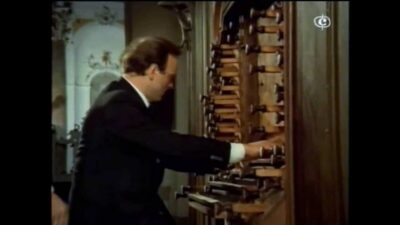
J.S Bach – Toccata and Fugue in D Minor – Best Version
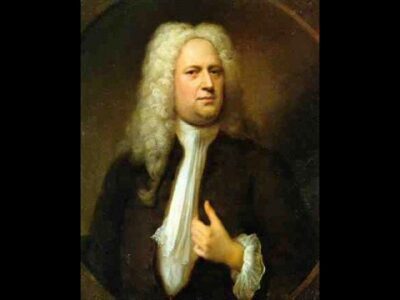
Händel Messiah – Hallelujah Chorus
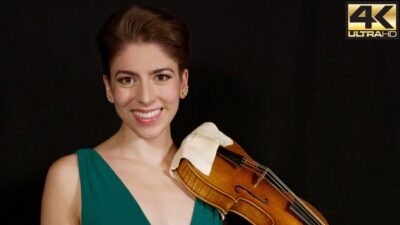
Vivaldi Four Seasons: Spring (La Primavera), Allegro, Alana Youssefian & Voices of Music RV 269 4K
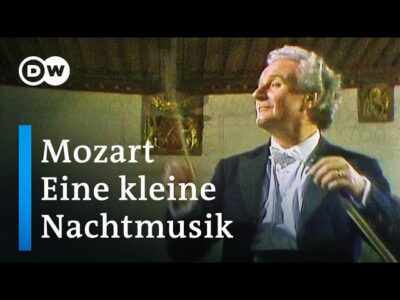
Mozart: Eine kleine Nachtmusik | Sir Colin Davis & Members of the Bavarian Radio Symphony Orchestra
- Ludwig van Beethoven – Symphony No. 5, 1st Movement (Transition from Classical to Romantic)
- Frédéric Chopin – Nocturne, Op. 9 No. 2 (Romantic)
- Pyotr Ilyich Tchaikovsky – Swan Lake: Swan Theme (Romantic)
- Claude Debussy – Clair de Lune (Impressionism)
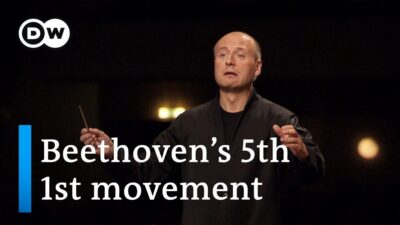
Beethoven: Symphony No. 5, 1st movement | Paavo Järvi and the Deutsche Kammerphilharmonie Bremen

Lang Lang – Chopin: Nocturne No. 2 in E-Flat Major, Op. 9 No. 2

Tchaikovsky – Swan Lake (Swan Theme)
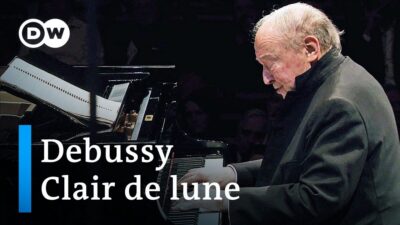
Debussy: Clair de lune | Menahem Pressler, piano
When you listen to these eight pieces in order, you’ll clearly notice just how different the sound of this same Western musical tradition became over roughly three hundred years. This journey, from the ornate precision of the Baroque to the passionate emotion of the Romantic, and on to Debussy’s misty atmosphere, shows that classical music is anything but a “monotonous” genre.
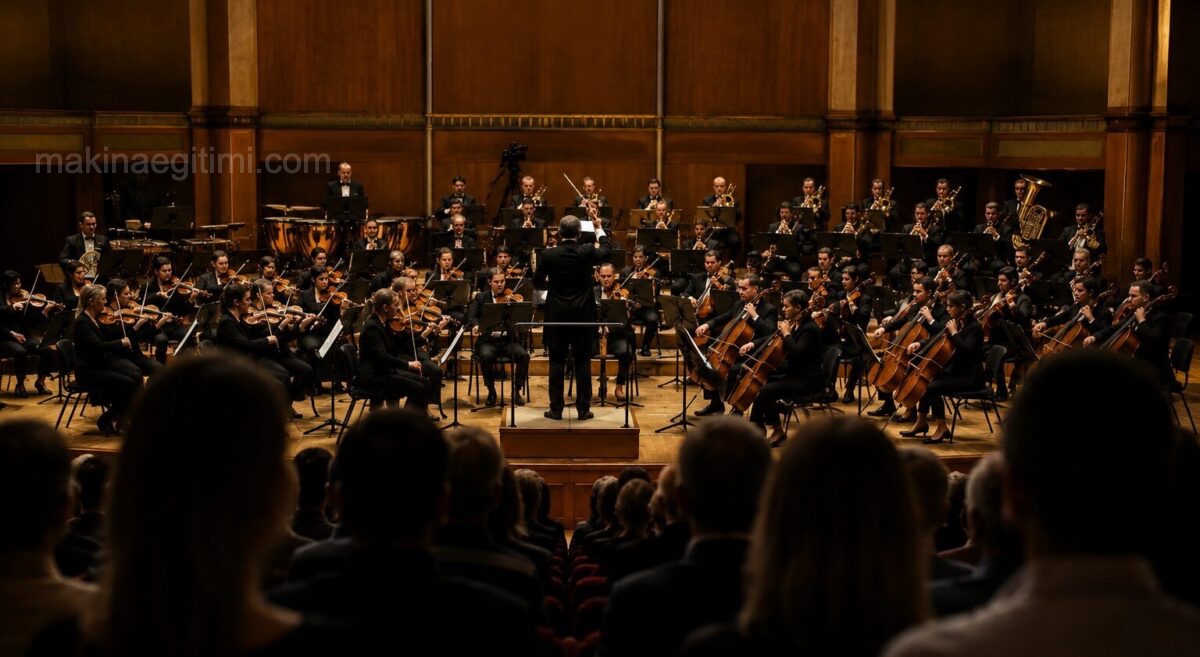
The Legacy of Classical Music: How It Reached Today
Even centuries later, classical music turns up almost everywhere, from film scores to video games, advertisements to modern pop productions. Beethoven’s symphonic drama remains one of the greatest sources of inspiration for today’s film composers, while Debussy’s atmospheric approach can still be felt at the roots of ambient and film music. This makes classical music, despite the “old” connotation in its name, a language that never really goes out of date.
Frequently Asked Questions
Classical music is generally classified into the Medieval, Renaissance, Baroque (1600-1750), Classical (1750-1820), Romantic (1820-1900), and post-20th-century modern periods.
Johann Sebastian Bach, Wolfgang Amadeus Mozart, Ludwig van Beethoven, Frédéric Chopin, and Pyotr Ilyich Tchaikovsky are among the most widely known composers in the history of classical music.
The Baroque period is known for its dense ornamentation and dramatic contrasts in volume, while the Classical period embraced a simpler, more balanced, and more transparent approach to music.
Works such as Mozart’s “Eine kleine Nachtmusik” and Vivaldi’s “The Four Seasons” are ideal starting points for newcomers to classical music, thanks to their memorable melodies.
Beethoven built a bridge between the balanced structure of the Classical period and the intense emotionality of the Romantic period, composing some of history’s most powerful symphonies despite losing his hearing.
Related Posts
 The Life Story of Elvis Presley: The Journey of the King of Rock’n Roll
 The Life Story of Michael Jackson: The Legendary Journey of the King of Pop
 Beethoven’s Battle With Deafness: An Incredible Story of Perseverance
 The History of the Piano: A 300-Year-Old Sound Born from a Hammer
 The Birth and Golden Age of Rock ‘n’ Roll: From Memphis to the World
 Music Terms: Tempo, Harmony, Chord, Syncopation and More
 The Birth and Golden Age of Jazz: From New Orleans to the World
 The Most Famous Film Scores and Their Composers: Themes That Shaped Cinema History