
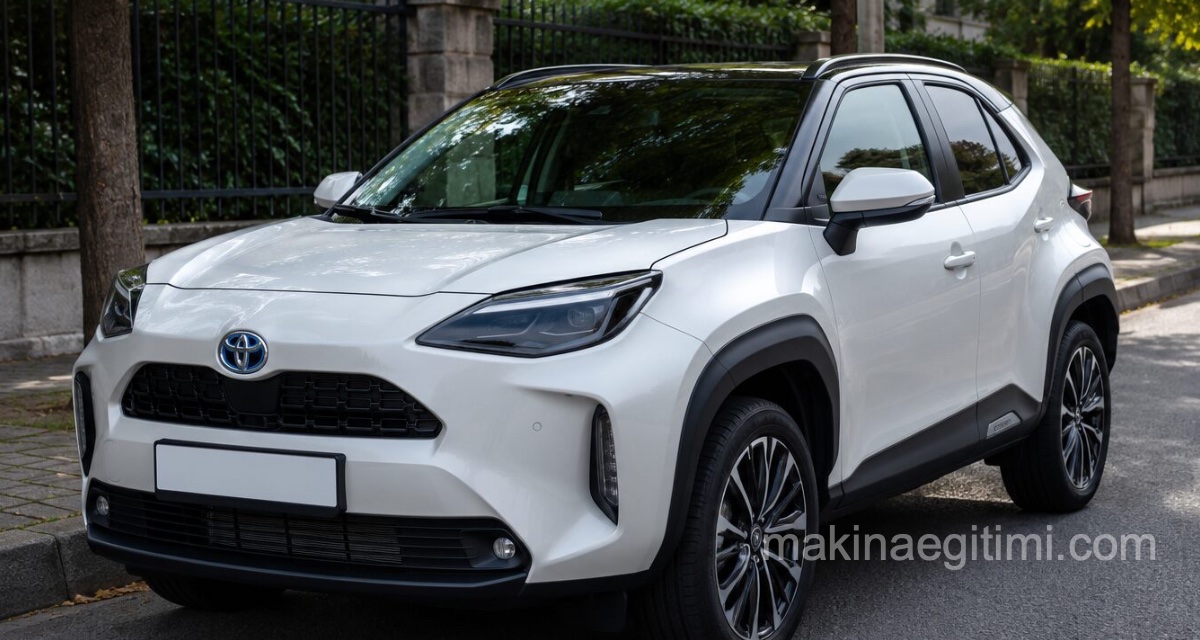
One of the topics that drivers buying a new car are most curious about is the break-in period. Even though manufacturing technology today is far more advanced than it used to be, driving a new vehicle carefully during its first kilometers still helps both the engine and other mechanical parts last longer.
So what is the break-in period, is it actually necessary, and how should a new vehicle be driven?
What Is the Break-In Period?
Break-in is a controlled-use process applied so that newly manufactured engine and moving parts can settle into their most efficient operating condition by adapting to one another.
Even though the pistons, rings, cylinder surfaces, bearings, crankshaft, and other moving parts inside the engine are manufactured with high precision at the factory, they achieve a perfect fit with each other during initial use. For this reason, it’s recommended not to put excessive strain on the engine during the first kilometers.
Break-in matters not just for the engine, but for many other components too, such as the brake system, clutch, tires, and transmission.
How Is a Vehicle Broken In?
Recommendations can vary by manufacturer. The most accurate information is always found in the vehicle’s owner’s manual. That said, here are the generally accepted break-in rules:

- Drive carefully for the first 1,000-1,500 km. The engine shouldn’t be run at high RPM continuously during this period.
- Don’t drive at a constant speed for long stretches. For example, instead of cruising at a constant 120 km/h on the highway for hours, vary your speed from time to time. Having the engine run under different loads helps the parts settle in more evenly.
- Don’t push the engine to high RPM. For gasoline vehicles, staying within 2,500-3,500 RPM when possible is ideal. For diesel vehicles, 2,000-3,000 RPM is more appropriate. Regularly hitting the redline isn’t recommended during the break-in period.
- Avoid sudden acceleration. Full-throttle starts, hard acceleration, and high-performance driving shouldn’t be your go-to during the first kilometers.
- Don’t overwork the engine unnecessarily. Especially on steep hills, while carrying a heavy load, or while towing a trailer, the engine ends up under more load than normal.
- Don’t push into high RPM before the engine is fully warmed up. Cold engine oil is less fluid. For this reason, you shouldn’t rev to high RPM before the engine reaches operating temperature.
How Do You “Break In” a New Car’s Engine?
The phrase “breaking in the engine,” commonly used colloquially, actually refers to this same break-in process. There’s no special trick to it.
The correct approach is;
- not straining the engine,
- varying the RPM range,
- not running excessively high RPM,
- and getting regular maintenance done
— that’s really all there is to it.
The old idea that “you break in the engine by driving flat out” isn’t correct for today’s engines. Since modern engines are built to precise tolerances, controlled use is much healthier for them.
Which Engines Need a Break-In Period?
Break-in isn’t just relevant for cars.
Whether it’s a gasoline or diesel vehicle, a motorcycle, or even a marine engine or a generator engine, every internal combustion engine needs a break-in period. Whatever the vehicle type, almost every newly manufactured internal combustion engine goes through this process.
Electric cars, on the other hand, don’t have a break-in period in the traditional sense. That’s because electric motors don’t have parts that operate through friction, like pistons, rings, and cylinders.
What Should You Watch Out For During the Break-In Period?
It’s recommended you avoid the following mistakes when driving your new vehicle:
- Constantly using full throttle
- Pushing the engine into the redline
- Driving at a constant speed for long periods
- Revving high while the engine is cold
- Braking abruptly
- Accelerating hard from a stop
- Carrying heavy loads or towing a trailer
- Testing unnecessary performance limits
Is an Oil Change Needed After the Break-In Period?
On older vehicles, an early oil change after the break-in period used to be common practice. Today, though, many manufacturers no longer see this as necessary, and specify the maintenance intervals in the owner’s manual.
For this reason, following the manufacturer’s recommended maintenance schedule is the right approach. Before changing your maintenance interval on your own, you should get advice from an authorized service center.
Typical Break-In Distance
Most manufacturers recommend keeping engine RPM limited and avoiding sudden acceleration for the first 1,000-1,500 km.
Cylinder Surface Seating
During break-in, microscopic surface irregularities between the piston rings and cylinder wall wear into a matching fit.
First Oil Change
The first oil change after break-in is usually recommended earlier than the standard interval (e.g. at 5,000 km) to clear out metal particles.
Do Parts Other Than the Engine Also Need to Break In?
Many drivers assume break-in is only necessary for the engine. In reality, many parts of a new vehicle go through their own settling process during initial use.
Tire Break-In
New tires can have a thin, slick layer on their surface left over from manufacturing.
For the first 300-500 km, you should avoid sudden braking, sharp turns, and aggressive acceleration. By the end of this period, the tires fully conform to the road surface and reach maximum grip.
Brake Pad Break-In
New brake pads need a certain amount of use before they can make full contact with the discs. For the first 300-500 km, you shouldn’t brake hard, should avoid sudden stops, and shouldn’t let the brakes overheat.
This lets the pad and disc surfaces reach a perfect fit with each other.
Clutch System Break-In
The new clutch disc and pressure plate also achieve a surface fit during initial use.
For roughly the first 500-1,000 km;
you should avoid riding the clutch, unnecessary wheelspin, and hard, high-RPM starts. Driving this way extends the clutch’s lifespan.
Transmission and Differential Break-In
Gear surfaces also settle into each other during the first kilometers. For this reason;
sudden acceleration, hard gear shifts, and prolonged full-load use aren’t recommended during the first kilometers.

During this period, the engine, transmission, clutch, brake system, and tires all settle into each other and reach their most efficient operating condition.
In summary, break-in is a mindful driving process applied during a new vehicle’s first kilometers.
Not overworking the vehicle during the first kilometers, driving it across varied RPM ranges, and following the manufacturer’s recommendations all help extend the engine’s life and let the vehicle run more trouble-free for years to come. Keep in mind: the care you give a new vehicle pays off later, in the form of lower maintenance costs and safer driving.
Frequently Asked Questions
Even though parts like the pistons, rings, and bearings are manufactured with precision at the factory, they achieve their final fit with each other during the first kilometers. If the engine is strained excessively during this period, the parts can wear unevenly, which negatively affects the engine’s long-term performance.
No. Parts like the brake system, clutch, tires, and transmission also go through their own settling process during the first kilometers. So break-in covers the vehicle’s entire set of moving mechanical systems, not just the engine.
Related Posts
 Spark Plug Faults and Their Causes
  White Smoke Coming from the Exhaust and Its Causes
  How Is Car Window Fogging Prevented
  Car Exhaust System Maintenance Tips
  If the Engine Won’t Start, the Reason. Reasons the Engine Won’t Start
  Why Does an Engine Develop an Oil Leak?
  Camshaft Failures. Causes and Prevention
  When Should the Timing Belt Be Replaced