

A marathon runner’s plate and a weightlifter’s plate can look like they belong to two different planets. Every sport demands something completely different from the body; some athletes need endurance for hours, while others need explosive power for just a few seconds.
These different demands fundamentally reshape athletes’ nutrition and training disciplines. In this article, we take a look into the nutritional world of athletes from very different sports.
Marathon Runners: The Kings of Carbohydrates
For long-distance runners, the biggest enemy is what’s known as “hitting the wall” — the moment when the body’s glycogen stores (energy stored in the muscles and liver) run out. That’s why marathon runners turn to a strategy called “carb loading” in the days before a race.
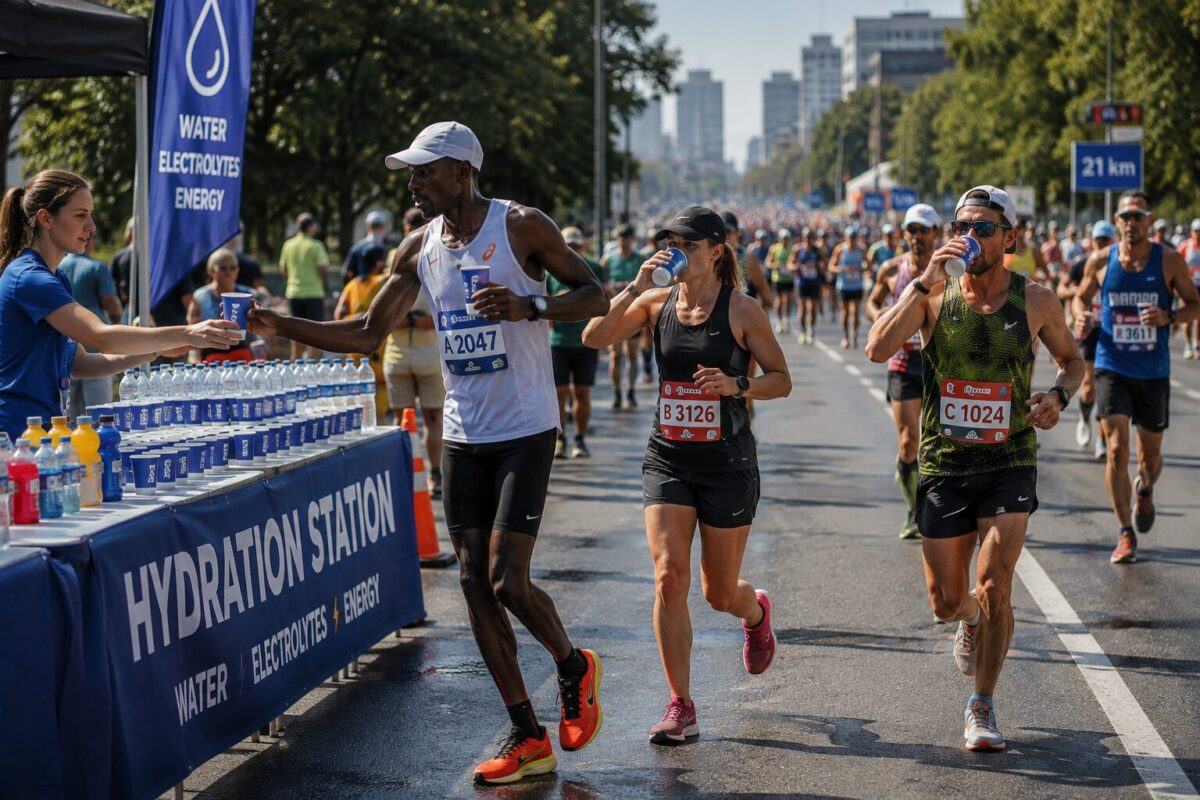
During this period, they significantly increase the proportion of carbohydrate-heavy foods like pasta, rice, and bread in their diet. The goal is to fill the muscles’ glycogen stores as much as possible for race day. During the race itself, they keep replenishing those stores with energy gels and isotonic drinks.
Weightlifters and Strength Athletes: Protein and a Calorie Surplus
In disciplines like weightlifting and strength training, nutrition follows a completely different logic. These athletes usually aim to take in more than their daily caloric needs in order to increase muscle mass and maximize strength — an approach known in sports science as a “calorie surplus.”
Their diets keep protein intake noticeably high to support muscle repair and growth. Athletes preparing for weight-class competitions sometimes go through the opposite process, following short, tightly controlled eating periods before a competition in order to reach a specific weight.
Sumo Wrestlers: A Culture of Deliberate Weight Gain
In Japanese sumo wrestling, nutrition is perhaps one of the most unusual examples among all sports. Sumo athletes deliberately follow a high-calorie diet in order to gain a physical advantage over their opponents.

At the center of this diet is a traditional stew called chanko nabe, in which meat, fish, tofu, and vegetables are simmered together. Athletes typically train in the morning on an empty stomach — a tradition thought to slow the body’s metabolism, contributing to a larger portion of the calories eaten afterward being stored as fat. This eating culture is part of a highly disciplined, rule-bound lifestyle unique to the sumo world.
Swimmers: Michael Phelps’s Legendary (and Exaggerated) Diet
In high-energy-expenditure sports like swimming, athletes’ daily caloric needs can be far higher than those of an average person. One of the most talked-about examples of this belongs to legendary swimmer Michael Phelps.
During the 2008 Beijing Olympics, reports that Phelps consumed 12,000 calories a day went viral around the world; details like a breakfast of three fried-egg sandwiches, an omelet, three slices of French toast, and three chocolate-chip pancakes became tabloid fodder.
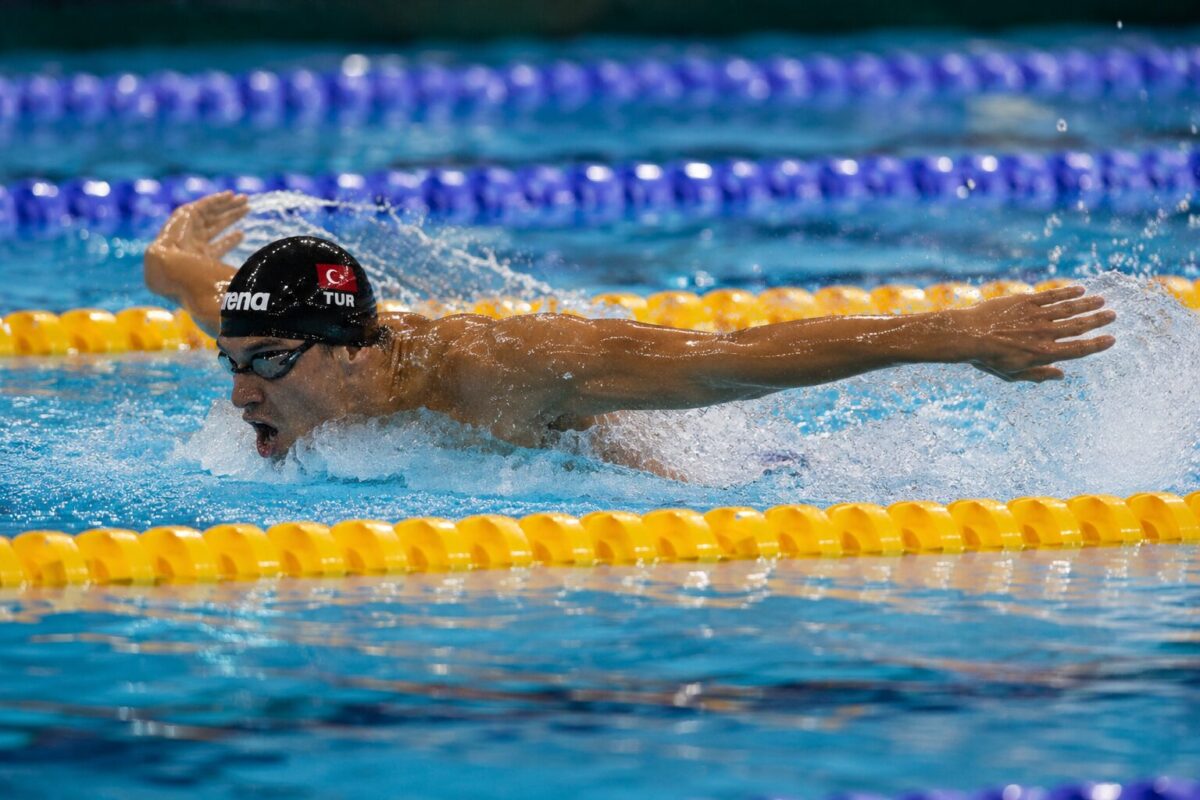
However, Phelps later revealed in his autobiography that the figure had been exaggerated, and that his actual daily intake was between 8,000 and 10,000 calories. Even so, that number is still four to five times an average adult’s daily needs; up to 80 kilometers of swimming training a week, plus additional weight training, explains such an enormous energy requirement.
Cyclists: A Sport Where Fluid Intake Limits Are Pushed to the Extreme
In multi-day cycling races like the Tour de France, athletes’ energy and fluid needs reach extraordinary levels. It’s noted that cyclists can consume up to 6 liters of fluid during a single stage of a race.
This is necessary to replace the fluid lost through sweat in hot weather. To meet their energy needs during a race, cyclists fuel up with energy bars, easily digestible fruits like bananas, and specialized carbohydrate drinks. In some top-level stages, daily energy expenditure is known to reach 6,000-7,000 calories.
Gymnasts: A Delicate Balancing Act
In sports like gymnastics, where body weight directly affects performance, nutrition is managed with much more precise planning. Athletes need to take in enough energy for strength and flexibility, while also maintaining a body composition that supports performance.
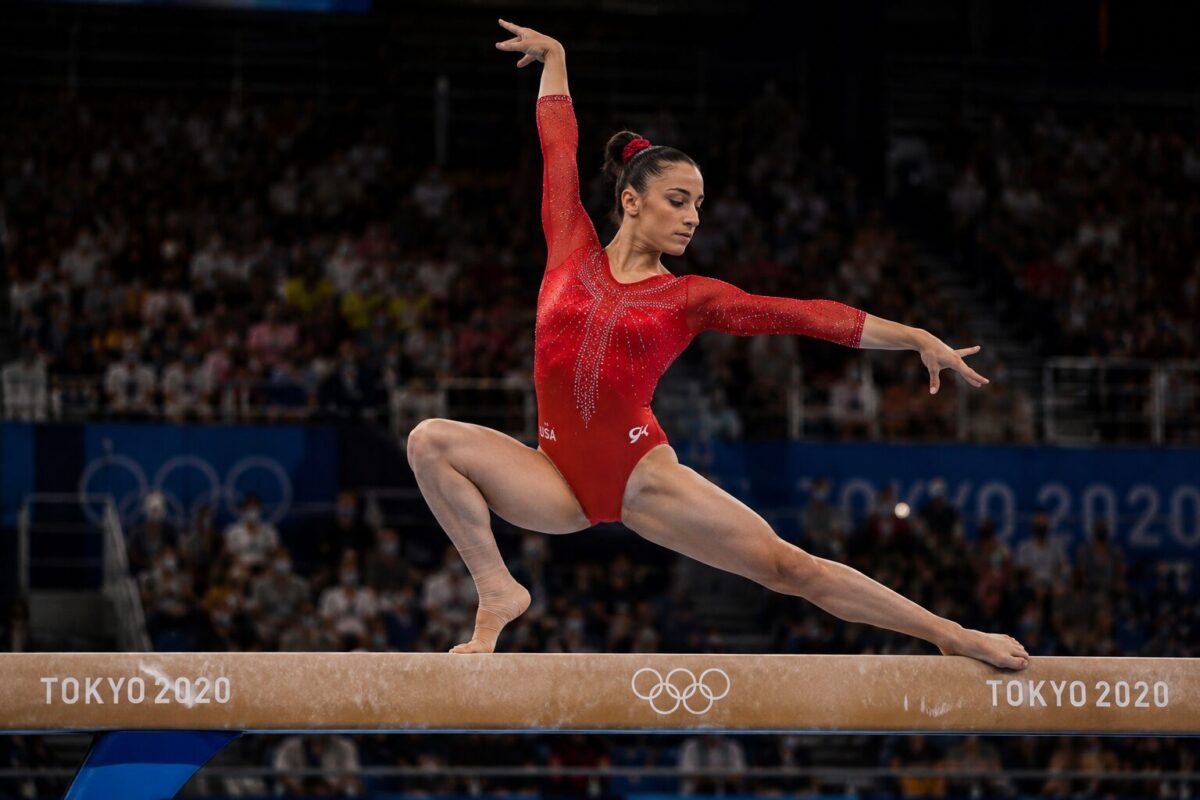
Maintaining this balance is carried out through highly individualized programs under the close supervision of professional sports nutritionists; this delicate balance makes gymnastics one of the disciplines approached with the most care in the sports science community when it comes to nutrition.
Why Do Some Athletes Eat Right After Training?
There’s a concept in sports science called the “post-workout window.” Nutrients consumed within the 30-60 minutes immediately after intense training are thought to be especially effective for muscle repair and replenishing glycogen stores.
That’s why many elite athletes always keep a quickly digestible snack or drink in their gym bag. This simple habit has become an almost universal ritual in professional sports culture.
One Common Thread: Individualized Planning
While these examples show just how large the nutritional differences between sports can be, they all share one thing in common: none of it is random.
At the elite level, nutrition is carefully planned by sports dietitians based on the athlete’s discipline, body composition, training load, and competition schedule. So for anyone looking to model their diet after an athlete’s, the right approach is to consult a specialist suited to their own goals and health condition.
Frequently Asked Questions
No, that figure was exaggerated; Phelps himself disputed the claim, stating his actual daily intake was between 8,000 and 10,000 calories.
Sumo wrestlers deliberately follow a high-calorie diet in order to gain a physical advantage over their opponents; it’s part of the sport’s unique, disciplined tradition.
Carb loading is a strategy in which long-distance runners eat a carbohydrate-heavy diet in the days before a race to maximize glycogen stores in their muscles.
In multi-day races like the Tour de France, cyclists can consume up to 6 liters of fluid over the course of a stage in hot conditions.
Every sport demands a different energy system and set of physical traits from the body, so nutrition programs are specifically planned around the athlete’s discipline, training load, and performance goals.
Nutrients consumed within the 30-60 minutes immediately after intense training are thought to be especially effective for muscle repair and replenishing glycogen stores. That’s why many elite athletes always keep a quickly digestible snack or drink in their gym bag.
Related Posts
 Who Is Eric the Eel? The Funniest Moment in Olympic Swimming History
 Lionel Messi’s Legendary Body Feints
 The Story of the Term Hat-trick: A Sports Legend Born from a Hat
 What Is a Panenka Penalty? The Best Panenka Penalties
 The Jaw-Dropping Dribbles That Send Football Crowds Wild
 The ‘Mosts’ of Olympic History
 The Miracle of Istanbul: Football History’s Most Incredible Comeback
 The Story of Muhammad Ali: From a Stolen Bicycle to Sportsman of the Century