
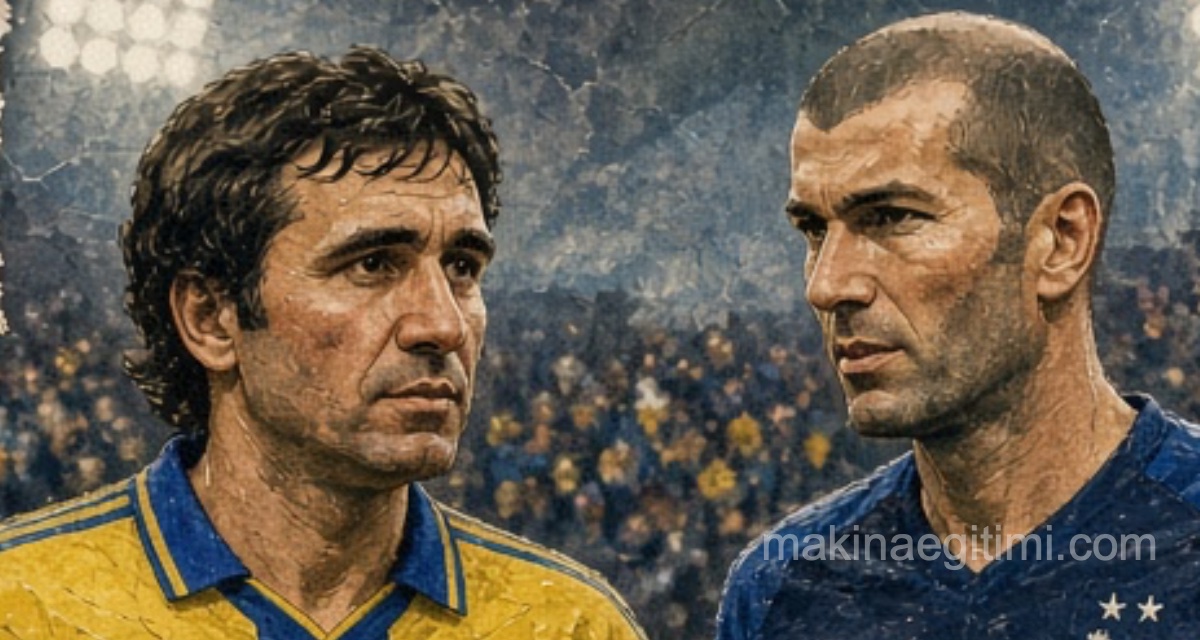

This is one of the debates that has raged among football fans for years: “Who was better, Hagi or Zidane?” Both names are counted among the most talented playmakers of their generations; both are known for the elegance of their touch, their vision, and their performances in big matches.
However, there are also notable differences between them in terms of the scale of their careers, the competitive level of the leagues they played in, and the titles they won. In this article, we compare the two legends from various angles, leaving the final verdict up to you.
Career Journeys: Different Geographies, Different Peaks
Gheorghe Hagi, who began his career in Constanța, Romania, stepped onto football’s most prestigious stages after winning three league titles with Steaua București. One of the few footballers to have worn the shirts of both Real Madrid and Barcelona, Hagi reached the peak of his career at Galatasaray, which he joined in 1996. There, he won four consecutive league titles and, in 2000, made history by leading Galatasaray to become the first Turkish club to win a major UEFA trophy (the UEFA Cup).

Zinedine Zidane, meanwhile, began his career at France’s Cannes club, and after standout performances at Bordeaux, transferred to Italian giants Juventus. Winning two Serie A titles at Juventus, Zidane then joined Real Madrid in 2001, breaking the world transfer record of the time. There, he became a defining figure of the club’s “Galácticos” era and won another Champions League title.
National Team Success: One Final, One Quarterfinal
One of the clearest differences in this comparison emerges in their success with their national teams. Hagi led the Romanian national team to the quarterfinals of the 1994 World Cup; this is considered one of the most successful international performances in Romanian football history. However, Romania was unable to advance further in that tournament.

Zidane’s national team career, on the other hand, presents a far more brilliant picture. Leading France to victory at the 1998 World Cup, Zidane was the chief hero of that triumph with the two headed goals he scored in the final. Two years later, he led France to victory again at the 2000 European Championship, becoming one of the rare players to win two consecutive major international tournaments.
Individual Awards: A Comparison by the Numbers
The gap is also clear in terms of individual awards. Hagi received six Ballon d’Or nominations over the course of his career; his best finish was fourth place in 1994. On the other hand, he was named “Footballer of the Year” by the Romanian Football Federation a record seven times, and in 2003 he was declared Romania’s “Golden Player” by UEFA.
Zidane, meanwhile, won the Ballon d’Or in 1998 and was named FIFA World Player of the Year three times (1998, 2000, 2003); this makes him one of the most officially decorated players of his era.
Unforgettable Moments: Two Different Stages
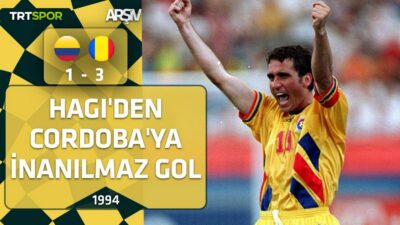
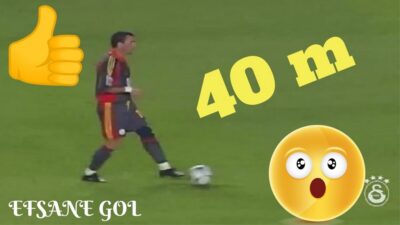
Both players have moments etched into memory over the course of their careers. Hagi’s magnificent long-range goal from midfield against Colombia at the 1994 World Cup is still remembered today as one of the finest goals in tournament history. His long-range strike against Monaco during his time at Galatasaray became similarly legendary.
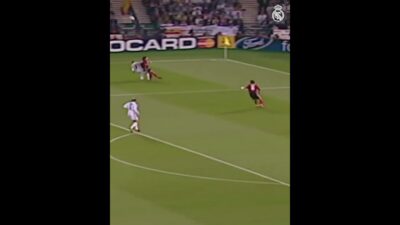
Zidane’s most unforgettable moment is the goal he scored against Bayer Leverkusen in the 2002 Champions League final, volleying a dropping ball out of the air into the net off his chest. This goal is regarded as one of the finest goals in Champions League final history.
However, Zidane’s career was also overshadowed by the headbutt he delivered to Italian footballer Materazzi in the 2006 World Cup final; this incident led to him being sent off with a red card and France losing the final, and it became one of the most talked-about incidents in football history.

Style of Play: Similar Roles, Different Nuances
Although both players occupied the classic “number 10” playmaker role, some differences stand out in their styles. Hagi was a player who cut in from the wing, standing out mainly through the magic of his left foot, his long passes, and his long-range shooting ability; through this style, he proved the nickname “Maradona of the Carpathians” was well deserved time and again throughout his career.
Zidane, meanwhile, was known more for his ball control, balance, and vision of the pitch; his game was built more on elegance and timing than on power.
A Curious Detail: How Does Zidane’s Coaching Career Differ from Hagi’s?
Both men moved into coaching after retiring as players, but their paths diverged here as well. Zidane continued his playing-career success into coaching, winning three consecutive Champions League titles with Real Madrid between 2016 and 2018.
Hagi, meanwhile, took charge of teams such as Galatasaray, Bursaspor, and the academy club he founded himself, Viitorul Constanța; through the football academy he dedicated to developing young talent in Romania in particular, he made a lasting contribution to his country’s youth football system.
Conclusion: You Decide Who Was Better
Looking purely at numerical achievements, the major titles Zidane won — the World Cup, the European Championship, and the Champions League — set him apart statistically.
However, the concept of “the best” in football debates isn’t measured by trophies alone; Hagi’s level of individual talent, the performances he displayed especially during his time at Galatasaray, and the level he reached despite the limited resources of Romanian football, are found by many fans and experts to be at least as impressive as Zidane.
In the end, comparisons like this will always remain, in part, a subjective debate shaped by personal taste and which team you supported during which era.
Frequently Asked Questions
Both played the classic playmaker (number 10) position; Hagi also occasionally took on a role cutting in from the wing, while Zidane directed play more from the central midfield area.
Zidane won the Ballon d’Or once (1998) over the course of his career; he was also named FIFA World Player of the Year three times.
Hagi’s greatest club achievement was leading Galatasaray, in 2000, to become the first Turkish club to win a major UEFA trophy (the UEFA Cup).
Zidane led France to victory at the 1998 World Cup, and two years later led them to victory again at the 2000 European Championship.
Yes, their careers largely overlapped; both were active at the highest level of European football from the mid-1990s to the early 2000s.
Related Posts
 The Jaw-Dropping Dribbles That Send Football Crowds Wild
  Lionel Messi’s Legendary Body Feints
  Who Is Eric the Eel? The Funniest Moment in Olympic Swimming History
  The Story of the Term Hat-trick: A Sports Legend Born from a Hat
  The Story of Muhammad Ali: From a Stolen Bicycle to Sportsman of the Century
  How Do Athletes Eat? Nutrition Disciplines Across Different Sports
  Why Is Kenya So Successful at Long-Distance Running?
  What Is a Panenka Penalty? The Best Panenka Penalties