
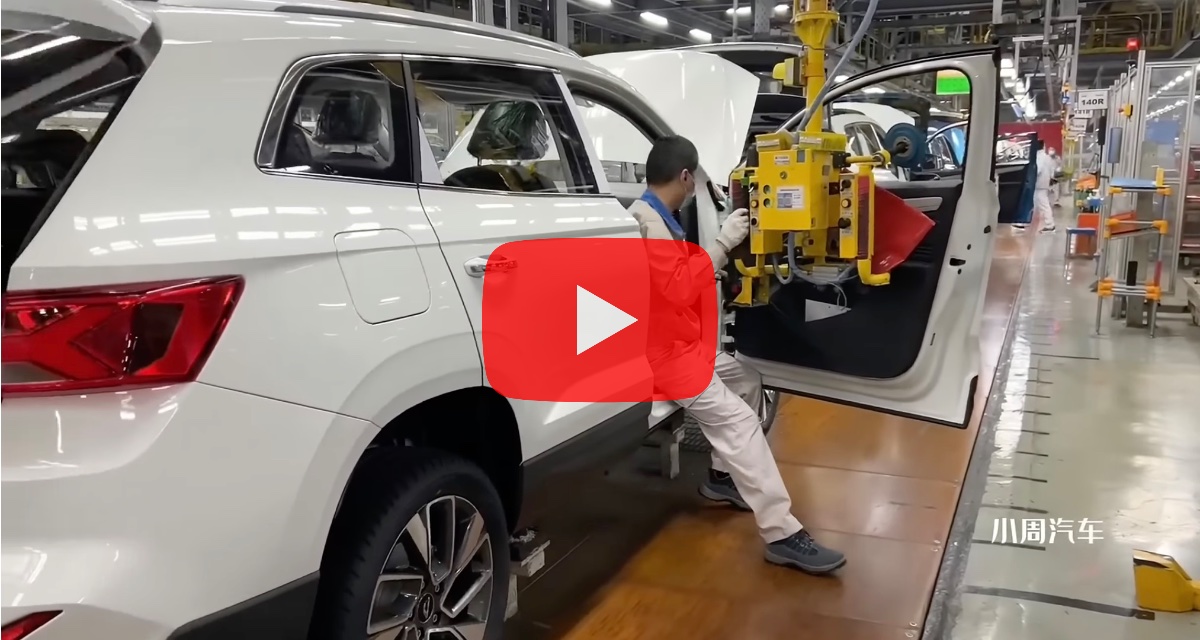
The complete manufacturing process of the Jetta VS5 in China shows all the main steps, from body stamping and welding to painting, final assembly, and quality control, while highlighting the role of advanced automation, robotics, and skilled labor.
Body Stamping
Sheet metal parts are shaped in a single stroke by hydraulic presses with capacities of several thousand tons, with a precision of ±0.1 mm.
Robotic Welding Ratio
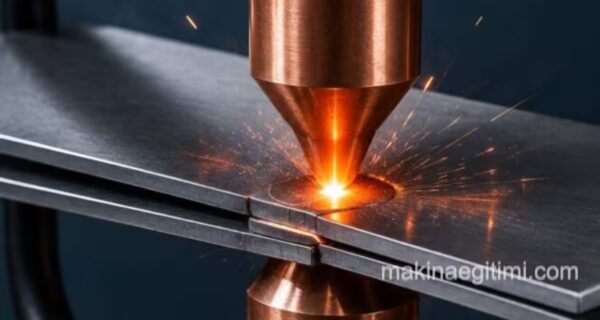
In modern Chinese automotive plants, more than 90% of the body welding line is carried out by robots.
Quality Control
After final assembly, vehicles are shipped only after passing a water-tightness test, a dynamometer test, and a painted-surface inspection.
In China, the Jetta VS5 is generally sold in a price range of approximately 9,900–15,900 US dollars, 8,400–14,700 euros, or roughly 7,300–12,800 British pounds, depending on trim level and market conditions.
Frequently Asked Questions
Proper fit between parts like doors and body panels, sealing, and the vehicle’s appearance all depend on this precision. If the stamping tolerance grows, gaps or misalignments occur between parts during welding, which harms both aesthetics and water-tightness.
Robots perform the same weld point with the same angle and force every time, eliminating quality variation from vehicle to vehicle. Achieving this consistency by hand welding is both harder and slower.
A small assembly error in the body or glass seals might not be visible on the production line. The vehicle is sprayed like rain in a special rig to check for any hidden leak before delivery.
Related Posts
 Plastic Injection Molding
 The Best 3D Scanners of 2022 – Buying Guide
 Applications of Lasers
 Transfer Molding and Transfer Molding Dies
 What Is Honing? How Is It Done? Where Is It Used?
 How Is a Splined Shaft Made? Splined Shaft Manufacturing
 How Is a Zippo Lighter Made? Zippo Manufacturing and Assembly
 What Is Spot Welding. How Is It Done?