
Close Menu
  • MAKİNELER ve İMALAT
    • Tools & Equipment
    • Computer-Aided Drawing
    • CAD/CAM Education
    • CNC Machine Programming
    • Casting Technologies
    • Electrical & Electronics Technologies
    • Hydraulics & Pneumatics
    • Manufacturing Processes
    • Manufacturing Technologies
    • Occupational Safety
    • Mold & Die Design
    • Solid Modeling
    • Welding Technology
    • Machine Elements
    • Mechanical Trade Drawing
    • Materials Science
    • Automotive & Vehicle Technologies
    • Robotics Technologies
    • Health Technologies
    • Defense & Aerospace Technologies
    • Descriptive Geometry
    • Technical Drawing
    • Software & Hardware Technologies
    • Innovative Manufacturing Methods
  • TEKNOLOJİ ve YAŞAM
    • OTOMOBİLLER ve TAŞIT
      • Vehicle & Engine Knowledge
      • Safe Driving
      • Sürüş Destek Sistemleri
    • Genel Kültür
      • Movies & TV Shows
      • Görsel ve Grafik Sanat
      • Books & Literature
      • Music
      • Sports
      • History
      • History of Technology
    • GÜNDELİK YAŞAM TEKNOLOJİLERİ
    • Hobbies & Entertainment
    • Internet Technologies
    • Health
    • Mobile Technologies
Makine Eğitimi
  • Machines & Manufacturing
    Machine Elements
    Hydraulics & Pneumatics
    Technical Drawing
    Computer-Aided Design & Manufacturing
    Basic Manufacturing Processes
    Manufacturing Processes
    Industry Technologies
    Other Technical Courses
    Motion & Power Transmission
    Simple Machines
    Chains & Sprockets
    Shafts & Journals
    Gears
    Cams
    Couplings
    Belts & Pulleys
    Springs
    Bearings
    Keys
    Fastening Joining
    Retaining Rings
    Screws, Bolts & Nuts
    Cotter Pins
    Flanges
    Welding
    Rivets
    Pins & Bolts
    Washers
    Calculators
    Gear Ratio Calculator
    Spring Constant Calculator
    Belt Pulley Ratio Calculator
    Other Machine Elements
    Slides & Linear Guides
    Brakes
    Flywheels
    Clamps
    Shock Absorbers
    Gaskets & O-Rings
    Seals & Sealing Elements
    Hydraulics
    Introduction to Hydraulics & Principles
    Hydraulic Systems & Applications
    Accumulators
    Filters
    Motors
    Pumps
    Valves
    Pneumatics
    Introduction to Pneumatics & Principles
    Pneumatic Systems & Applications
    Pneumatic Circuit Components
    Valves
    Cylinders
    Silencers
    Motors
    Compressors
    Dryers
    Conditioning Units
    Common Topics & Maintenance
    Hydraulic & Pneumatic Maintenance
    Study Notes, Exams & Tests
    Technical Drawing
    Introduction to Technical Drawing
    Geometric Drawings
    Perspective & Projection
    Orthographic Views
    Dimensioning
    Sectioning
    Assembly & Detail Drawings
    Tolerances
    Surface Finish Symbols
    Mechanical Engineering Drawing
    Screws, Bolts & Nuts
    Pulley Drawings
    Gear Drawings
    Shafts & Journals
    Bearing Drawings
    Pins & Bolts
    Spring Drawings
    Welds in Technical Drawing
    Washers
    Cotter Pins
    Technical Drawing Exercises
    Mechanical Drawing Exercises
    Gear Exercises
    View Extraction Exercises
    Pulley Exercises
    Pin & Bolt Exercises
    Threaded Fastening Exercises
    Descriptive Geometry
    Computer-Aided Drawing
    AutoCAD Drawing Lessons
    Solid Modeling & Animation
    Solid Model Drawing Files
    Solid Model Assembly Examples
    Solid Model Drawing Lessons
    3D CAD Software Reviews
    Solid Modeling Exercises
    CNC Programming
    CAM
    Measurement & Inspection
    Dial Indicators
    Calipers
    Gauges
    Micrometers
    Materials Science
    Steels
    Cast Iron
    Aluminum
    Plastics
    Material Testing & Hardness Measurement
    Occupational Safety
    Workshop Safety
    Safety When Working With Electricity
    Machine Safety Rules
    Hand Operations
    Filing
    Marking
    Cutting Operations
    Reaming
    Tapping
    Threading With a Die
    Drill Bit Sharpening
    Working With Machines
    Basic Turning Operations
    Basic Milling Operations
    Shaper Machine
    Machining
    Turning
    Milling
    Grinding
    Innovative Manufacturing Methods
    EDM (Electrical Discharge Machining)
    Laser Machining
    Waterjet Machining
    3D Printing
    3D Scanners
    Welding
    Rolling
    Casting
    Mold & Die Design
    Mechanical & Hydraulic Presses
    Blanking & Piercing Dies
    Bending Dies
    Drawing Dies
    Plastic Injection Molds
    Extrusion Dies
    Compound Dies
    Progressive Dies
    Blow Molds
    Spinning Dies
    Spray Molds
    Manufacturing of Machine Parts
    Automotive & Vehicle Technologies
    Motor Vehicle Manufacturing
    Raw Material Production
    History of Technology
    Health & Medical Technologies
    Defense & Aerospace
    Robotics Technologies
    Software & Hardware Technologies
    Mechanics - Strength of Materials
    Physics Topics
  • Technology & Life
    Hobbies & Entertainment
    Sports
    Music
    Vehicle & Engine Knowledge
    Vehicle Maintenance & Repair
    Safe Driving
    Driver Assistance Systems
    History
    Movies & TV Shows
    Books & Literature
    Computers & Internet
    Computer Tips
    Software Reviews
    Hardware & Peripherals
    Practical & Safe Internet Use
    Visual & Graphic Art
    Mobile Technologies
    Travel
    Science
    Health
    First Aid Knowledge
    Everyday Technologies
Makine Eğitimi
Home»Vehicle Maintenance & Repair»Let’s Get to Know the Fluids Used in Vehicles
30 August 2026

Let’s Get to Know the Fluids Used in Vehicles

what engine oil looks like, what color it is

You found a puddle of fluid under your car. You’re wondering: what is it? Could this leak point to a serious, even dangerous, problem?

    • Engine Oil
    • Brake Fluid
    • Transmission Fluid
    • Antifreeze
    • Water
    • Fuel
    • Windshield Washer Fluid
  • Related Questions

Your car uses fluids to do all sorts of things, and these fluids occasionally leak out of the vehicle. Knowing what different fluids look like, feel like to the touch, and smell like can come in handy when you find a puddle of fluid in your garage and want to know what it means.

Engine Oil

Your car uses oils to lubricate metal parts so they can move against each other without friction. Oil can be made from petroleum or produced synthetically. Engine oil’s color varies by manufacturer and type.

Clean engine oil is usually skin-toned or light brown. Heavy gear oil is darker and as thick as honey. Used engine oil darkens with the residue left in the engine after fuel combustion. To the touch, oil is very slippery, and it smells of sulfur or burnt popcorn.

A car leaking oil will eventually break down, since the metal components will move while rubbing against each other.

what engine oil looks like, what color it is
Engine Oil

Oil leaks can be caused by failed engine or axle seals, a blockage in the engine’s ventilation, a loose oil filter or drain plug, or even oil spilled on the engine while topping it up.

If you find oil, try to find the source of the leak. If the leak is from the engine, check your oil level. If the level is fine and the leak is small, you can have the vehicle checked by a professional. If the leak is large, or if your engine’s oil has dropped significantly because of it, have the car towed to a mechanic.

used engine oil
Used engine oil

Brake Fluid

Hydraulic fluid is used to operate the brakes, and sometimes power steering. Hydraulic fluid is designed to be compressed to generate high pressure to operate various devices.

Brake fluid is clear or light amber in color and has the consistency of water, but it’s slippery like oil. It smells similar to baby oil.

If you find brake fluid under your car, don’t drive it. Leaking brakes are dangerous. Have your car towed to a mechanic.

brake fluid - hydraulic fluid. what brake fluid looks like, what color it is
Brake fluid

Transmission Fluid

Transmission and transaxle fluids work both like oils and like hydraulic fluids. They lubricate metal parts and can be pressurized like hydraulic fluids to operate the transmission during gear shifts. In power steering systems, they’re sometimes used in place of hydraulic fluids.

Transmission fluids are usually dyed so they can be distinguished from other fluids. Most often they’re dyed red, but some manufacturers use other colors. The bright color is the easiest way to identify transmission fluids. They’re oily but generally thinner than oils, and have a burnt smell.

what transmission fluid looks like, its color
Transmission fluid

If you find transmission fluid, locate the leak and determine whether it’s caused by overfilling. A very small leak can be driven to a mechanic. If it’s a large leak, don’t drive the car.

Antifreeze

Antifreeze, or coolant, is mixed with water and is designed to remove heat from your engine. It also prevents the water in your cooling system from freezing and expanding in a way that could crack the metal and damage the engine.

Antifreeze is usually neon yellow or green. It has a very sweet smell. It feels slippery to the touch, like soapy water.

An antifreeze leak means a gasket has failed, or the engine has overheated and the coolant has been forced out of the system. Since hot coolant expands, the system builds pressure, so be careful when checking a hot engine for leaks — the coolant can scald you.

what color is antifreeze, what does it look like
Antifreeze can be yellow or green.

If coolant is coming out of the overflow tank, your engine is probably running too hot, and you need to have it checked by a mechanic. If it’s a very slow leak, check around the hoses and fittings for dripping. If you have a high-pressure leak flowing out of an area due to corrosion or a failed gasket, have your car towed to a mechanic.

Water

Water can drip from your car for many reasons, most of them harmless. Most often, dripping water comes from condensation off the air conditioner. Water can also condense in the exhaust system and get blown out of the tailpipes before the exhaust gets hot enough to evaporate it. Water can also collect in areas after washing or driving in wet conditions, and later drain out as it’s dislodged.

You should be concerned if your engine cooling system is leaking water, as it could mean there’s no antifreeze in the system. If water is coming from the transmission or another system, it means there’s a leak letting water in. This needs to be checked, since water can lead to rust.

Fuel

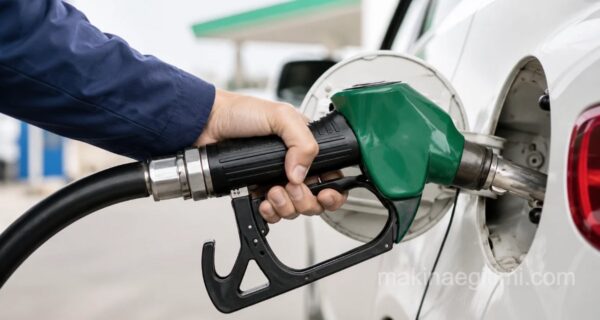
Today, the most common fuels are gasoline and diesel. Fuels have the consistency of water and can range from clear to amber in color depending on the fuel’s grade and refinement. Diesel fuel has a slightly oily feel.

Fuels are known for their strong smell, which is a good indicator of a fuel leak. Biofuels can smell like cooking oil or burnt popcorn, depending on what they’re made from.

what diesel fuel looks like, its color
Diesel
what gasoline looks like, its color
Gasoline

If you find a fuel leak that isn’t caused by overfilling the tank, don’t drive the car. Fuel leaks are very dangerous and potentially explosive. If you find a fuel leak on your car, call a mechanic.

Windshield Washer Fluid

Windshield washer fluid is usually blue, though some manufacturers use other colors to differentiate their products. Most of these fluids are good for de-icing down to a certain temperature, and some help remove stubborn residue from your windshield. Washer fluid has a water-like consistency and can have a mild cleaner or sweet smell.

Leaking washer fluid is nothing to panic about. While running the system dry for too long isn’t a great idea, your car will keep running even if it runs out. You can have the leak fixed whenever you like.

car windshield washer fluid
Windshield washer fluid

Engine Oil Change Interval


Synthetic engine oils are usually changed every 10,000-15,000 km, while mineral oils are changed every 5,000-7,500 km.

Antifreeze Mixing Ratio


Coolant is usually prepared as a 50% antifreeze / 50% water mix; this ratio lowers the freezing point to around -37°C.

Brake Fluid Moisture Absorption


Brake fluid is hygroscopic (it absorbs moisture), so it’s usually recommended to be replaced every 2 years.

Related Questions

Clean engine oil is usually light brown, while used oil is darker and slick; it feels slippery to the touch and can have a burnt smell. Its color and consistency help distinguish it from other vehicle fluids like coolant or brake fluid.

Oil allows metal parts to move against each other without friction. If the oil level drops due to a leak, the parts start rubbing against each other, and this can lead to serious engine damage over time.

Related Posts

Egzozdan Siyah Duman Çıkması ve Sebepleri Black Smoke from the Exhaust and Its Causes How to Clean Leather Seats. What Should Leather Seats Be Cleaned With? How to Clean Leather Seats. What Should Leather Seats Be Cleaned With? New car break-in period guide If You Just Bought a New Vehicle, Read This. What Is the Break-In Period? causes that increase fuel consumption, using the wrong engine oil 13 Factors That Increase Fuel Consumption in Vehicles vehicle exhaust system Car Exhaust System Maintenance Tips Vehicle ignition system components diagram What Is a Vehicle Ignition System, How Does It Work? What Are Its Failures? How to Save Fuel in Vehicles How to Save Fuel in Vehicles acid-based cleaners Acid-Based Cleaners and Their Properties
Share. Facebook Twitter WhatsApp Tumblr Email Telegram Copy Link

Leave A Reply Cancel Reply

What Is a Panenka Penalty? The Best Panenka Penalties
How to Start Writing a Book? Advice Backed by Science
  • Contact
  • Terms of Service
  • Privacy & Cookie Policy

Type above and press Enter to search. Press Esc to cancel.