
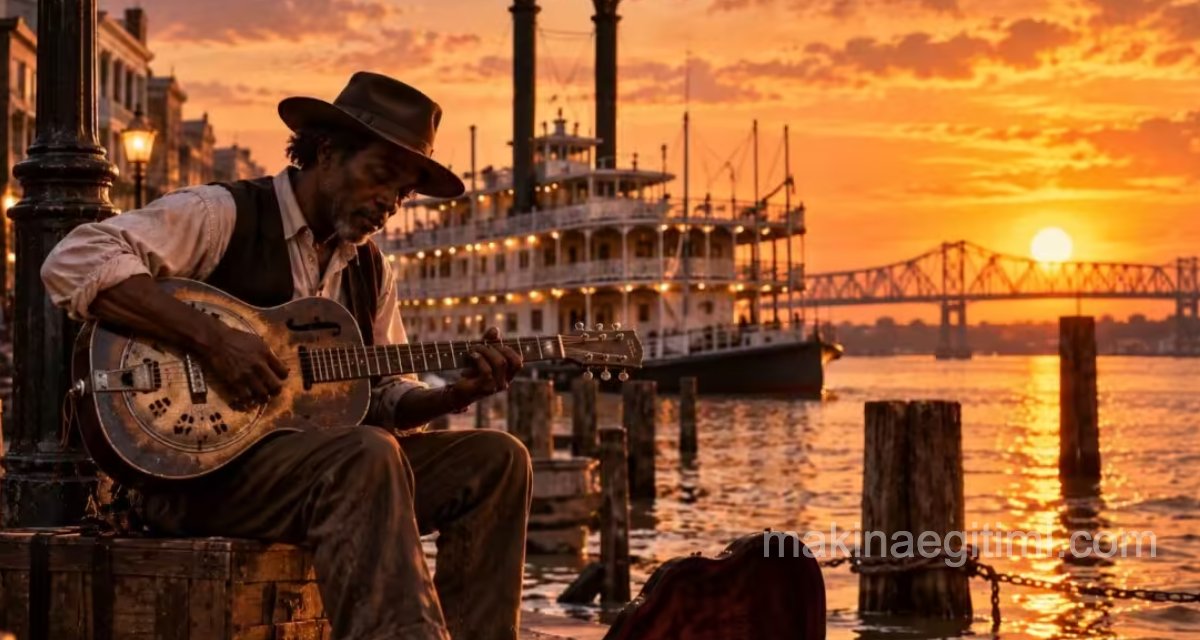
Some genres of music are born for entertainment, whilst others are born out of the struggle for survival. The blues is one of the most powerful examples of the latter. Originating at the end of the 19th century to express the pain, hopes and daily struggles of African Americans working in the cotton fields of the American South, this music has, over time, evolved into one of the world’s most influential musical genres. From jazz to rock ’n’ roll and hip hop, you can trace the roots of the blues in almost every modern music genre.
In this article, we will explore the journey of the blues, from its origins in the Mississippi Delta to the electric stages of Chicago, and discover the legendary figures who left their mark on the genre.
How Did the Blues Come About? From the Fields to the Notes
The roots of the blues lie in the work songs, spirituals and the African call-and-response tradition of the Africans brought to America as slaves. Towards the end of the 19th century, particularly in the Mississippi Delta region, these traditions merged to create a new and highly personal form of music known as the ‘blues’.
The structure of the blues was simple yet deeply moving: it was generally based on a twelve-bar pattern (the twelve-bar blues) and utilised sounds known as ‘blue notes’—notes that deviated slightly from the standard notes of Western music theory and carried a melancholic tone. These notes gave the blues its characteristic sense of melancholy, yet at the same time, resilience.
The Birthplace of the Legend: Robert Johnson and the Legend of the Crossroads
One of the most enigmatic figures in the history of the blues is, without a doubt, Robert Johnson. His 1936 recording of ‘Cross Road Blues’ has, over time, become the stuff of legend.
According to rumour, Johnson had made a pact with the devil at a crossroads at midnight to gain his guitar skills. This story draws more on American Southern folklore than on historical fact, but the musical legacy Johnson managed to leave behind in his short life (he died aged just 27) is still regarded today as one of the cornerstones of the blues.
Migration to Chicago: The Blues Goes Electric
In the 1940s and 1950s, during a period known as the Great Migration, millions of African Americans moved from the agricultural regions of the South to the industrial cities of the North. Along with this migration, the blues reached cities such as Chicago, where it underwent a profound transformation.
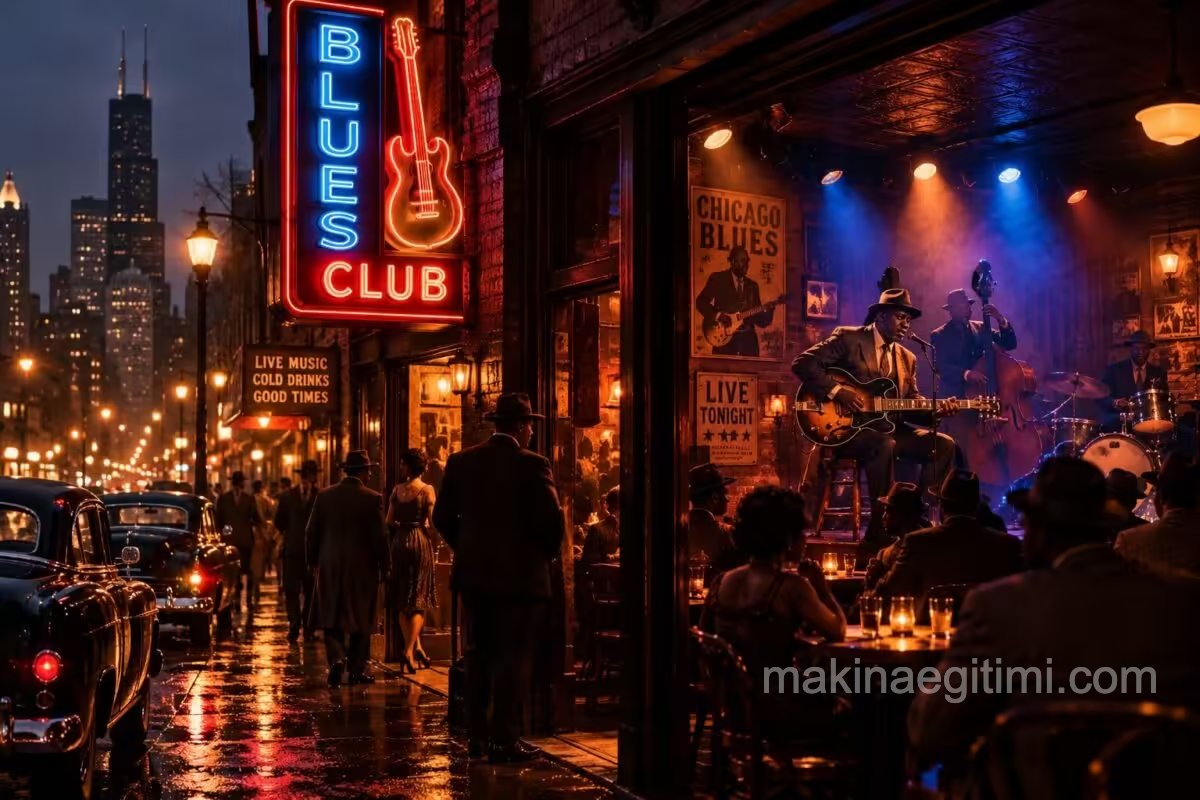
Muddy Waters combined the acoustic Delta blues tradition with the electric guitar to create a more powerful and rhythmic sub-genre known as ‘Chicago blues’. His 1954 release, ‘Hoochie Coochie Man’, became one of the best-known examples of this new sound. During the same period, Howlin’ Wolf brought an almost eerie intensity to the blues with his deep, resonant voice; his track “Smokestack Lightning”, with its hypnotic rhythm inspired by train whistles, is one of the pieces that best captures this intensity.
Other Voices of the Golden Age: Women and the New Generation
During the golden age of the blues, female voices were also exceptionally powerful. Etta James showcased an elegant voice that blended blues, soul and pop with her 1960 release ‘At Last’; this song remains one of the most frequently played tracks at weddings to this day. John Lee Hooker, meanwhile, brought a distinct flavour to the genre with tracks such as ‘Boom Boom’, featuring his unique, almost spoken-word-style guitar playing.
![Muddy Waters - Hoochie Coochie Man [1954]](https://www.makinaegitimi.com/wp-content/uploads/2026/09/yt-TIxFr2HMx6Y-scaled.jpg)
Muddy Waters – Hoochie Coochie Man [1954]
Smokestack Lightning
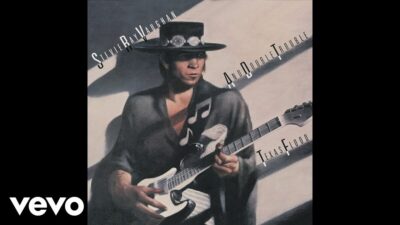
Stevie Ray Vaughan & Double Trouble – Pride and Joy (Official Audio)
In the 1960s and 1970s, the blues expanded even further with a new generation of guitarists. With his 1983 release ‘Pride and Joy’, Stevie Ray Vaughan fused the blues tradition with the energy of modern rock, helping the genre reach a younger audience.
An Interesting Detail: Where Does the Name ‘Blues’ Come From?
The origin of the word ‘blues’ lies in the expression ‘blue devils’, which has been used in English since the 17th century; this expression was used to describe a state of melancholy and sadness. Over time, this phrase was shortened to ‘the blues’ and, by the end of the 19th century, it had come to be adopted to describe this new genre of music developed by African-American musicians.
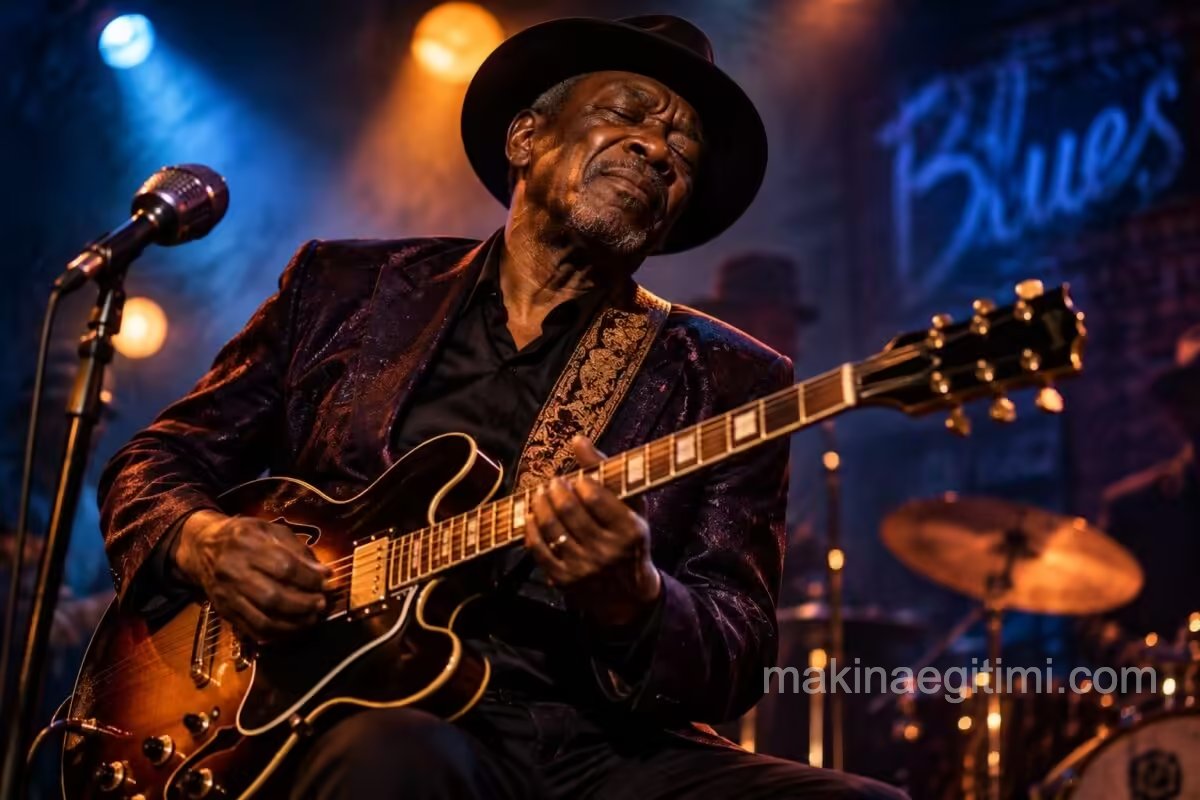
Even today, the expression ‘to get the blues’ is still used in everyday language to describe a melancholy state of mind.
Discover the Blues by Listening
If you’d like to explore the journey of the blues from its roots in the Mississippi Delta to the electric stages of Chicago, here are four suggestions:
- Etta James – At Last (1960, where blues meets soul)
- John Lee Hooker – Boom Boom (1962)

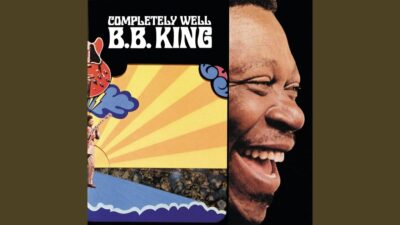
- B.B. King – The Thrill Is Gone (1969)
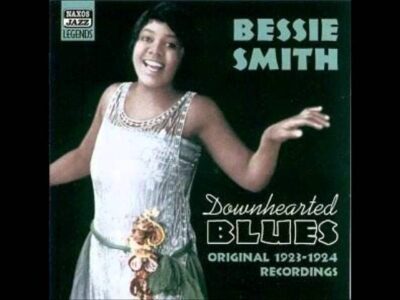
- Bessie Smith – Downhearted Blues (1923, early classic blues)
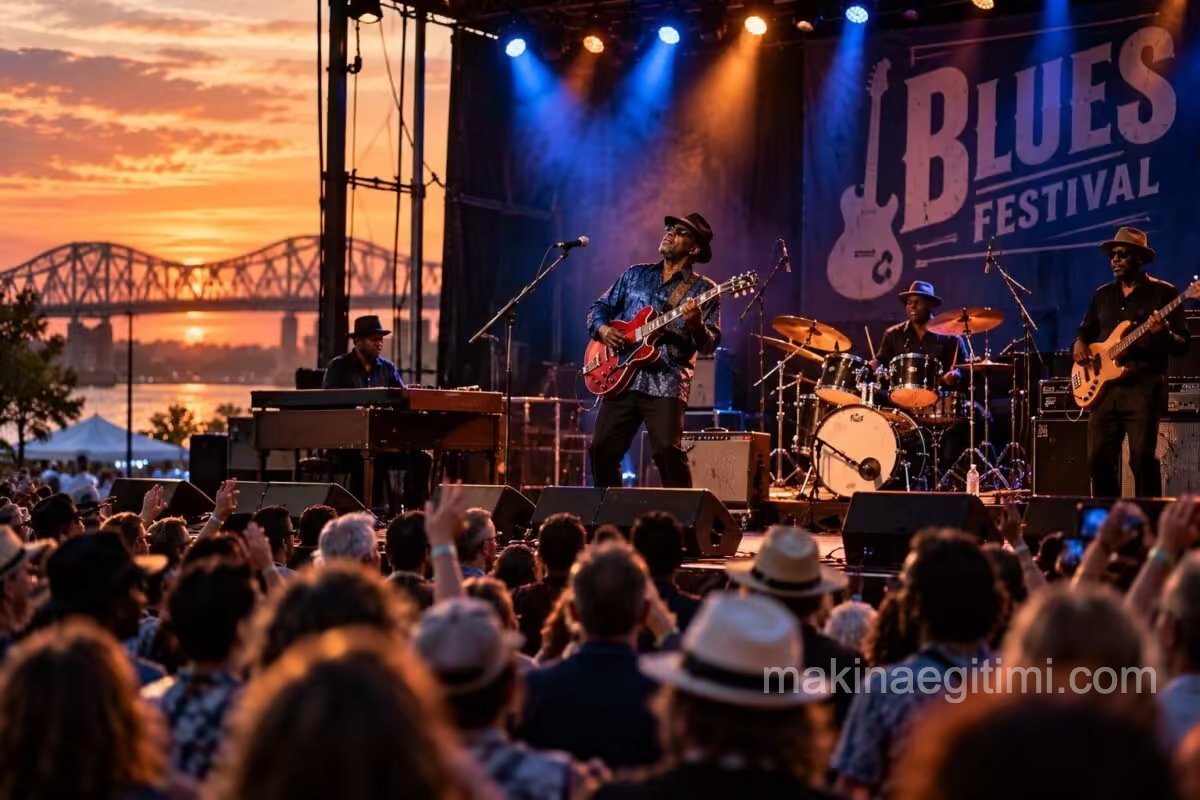
When you listen to these components / parts, you’ll realise that the blues isn’t just a single sound, but spans a wide spectrum—from the solitary moan of an acoustic guitar to the powerful stage energy of an electric band.
The Legacy of the Blues: How Did It Survive to the Present Day?
The blues has travelled far from the fields where it was born, yet its traces can be found everywhere. The guitar techniques of rock ’n’ roll, the emotional depth of jazz and even certain vocal tones in modern hip hop all owe a debt to the blues, either directly or indirectly. Countless musicians, from the Rolling Stones to Eric Clapton, and from Jimi Hendrix to contemporary guitarists, have openly stated that the blues lies at the very foundation of their careers. This makes the blues an enduring form of music that continues to thrive across a much wider geographical area than its place of origin.
Frequently Asked Questions
The blues originated in the Mississippi Delta region of the United States at the end of the 19th century, through a fusion of African-American work songs and church hymns.
The golden age of the blues generally spans a broad period from the 1920s to the 1960s; during this time, the genre underwent a major transformation, evolving from acoustic Delta blues to electric Chicago blues.
Robert Johnson, Muddy Waters, Howlin’ Wolf, B.B. King and Etta James are counted amongst the most important figures of the golden age of the blues.
The word is derived from the 17th-century expression ‘blue devils’ and describes a state of melancholy and sadness
No, this story is not based on historical fact, but is a rumour rooted in the crossroads legends of American Southern folklore.
Related Posts
 The Birth and Golden Age of Jazz: From New Orleans to the World
  What Is Classical Music? Periods, Great Composers and History
  The History of the Piano: A 300-Year-Old Sound Born from a Hammer
  The History of the Guitar: The Journey from Its Origins to the Electric Guitar
  The Life Story of Elvis Presley: The Journey of the King of Rock’n Roll
  The Life Story of Michael Jackson: The Legendary Journey of the King of Pop
  The Birth and Golden Age of Rock ‘n’ Roll: From Memphis to the World
  The Most Famous Film Scores and Their Composers: Themes That Shaped Cinema History