
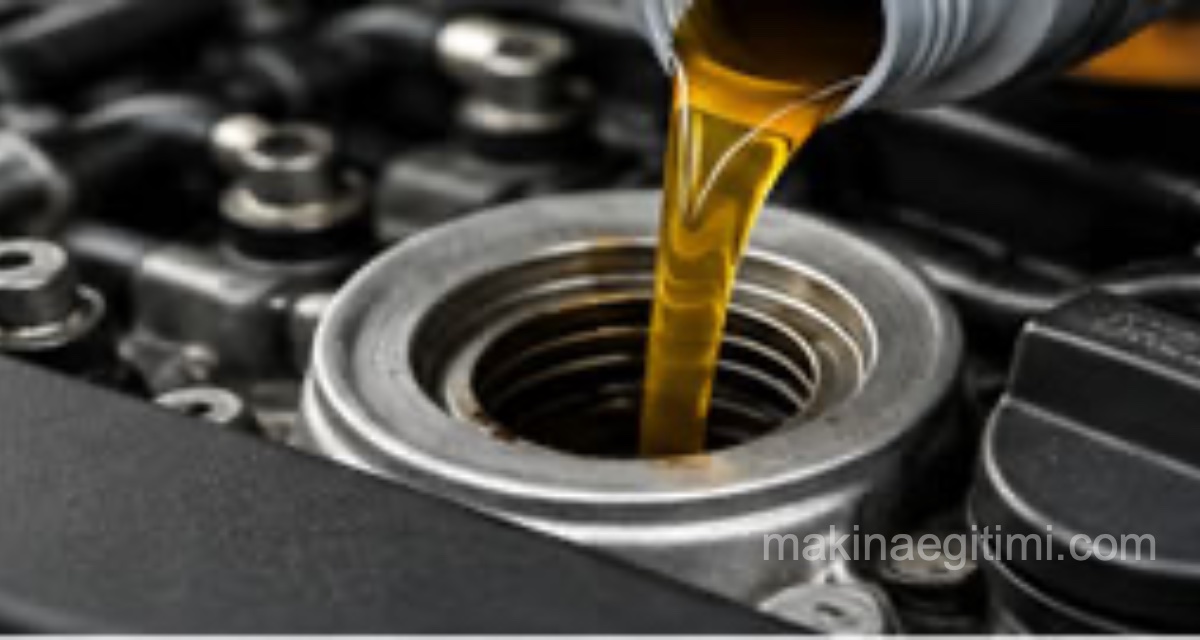
In this article, in our Vehicle Maintenance and Repair section, we’ll look at how engine oil is checked and why checking engine oil is important. We’ll also cover topics like how often engine oil should be checked.
Why Is Checking Engine Oil Important?
Preventing damage and faults is better than treating them, so regular vehicle maintenance should never be neglected. There are a few things vehicle owners need to check to make sure their vehicle stays in good condition. Alongside checking tire pressure, light condition, and coolant levels, checking the engine oil is also vitally important.

Engine oil is like your car engine’s blood. It’s needed to lubricate the engine’s moving parts, slowing down wear and tear and preventing metal-on-metal contact. Engine oil is also responsible for keeping the engine clean by preventing the buildup of dirt and protecting against harmful deposits. This is why checking the engine oil is important.
Taking all these factors into account, engine oil plays an important role in keeping your car’s engine running smoothly and efficiently. Checking the engine oil is simple and can be done in under a minute.
Check on Level Ground
For an accurate reading, the oil level should be checked with the vehicle on level ground and the engine cold.
The MIN-MAX Range
The level between the MIN and MAX marks on the dipstick shows the engine’s safe operating range.
Oil Color Indicator
Engine oil that looks dark or dirty can be a sign that it’s getting close to time for an oil change.
How Is Engine Oil Checked?
We’ve covered the importance of engine oil for the vehicle. Now let’s explain how engine oil is checked.
To check engine oil: Park the vehicle, open the hood, and make sure the engine isn’t running. It’s also recommended to park your vehicle on level ground rather than on a slope or incline. The next thing you need to do is find the dipstick, which is usually colored yellow. (You can consult your vehicle’s owner’s manual to find the exact location of the dipstick.)
If you’re checking the engine oil right after the vehicle has been running, start the engine and let the oil circulate. After letting the engine cool down a bit, pull out the engine oil dipstick.

Clean the oil dipstick using a cloth or towel. After wiping it, insert the dipstick back into the tube. Pull the dipstick out again and look at its tip

The dipstick has a level indicator showing Min and Max (low and full) values. The amount of engine oil between the minimum and maximum marks is usually around 1 liter.

If the oil is between the two marks, or between Min and Max, this means your oil level is good and sufficient. On the other hand, if the oil is at or below the minimum mark, you need to add oil.

How Is Engine Oil Added to a Vehicle
To add engine oil to a vehicle, remove the oil filler cap, which is usually labeled ENGINE OIL or marked with an oil icon/symbol.
After adding some engine oil with the help of a funnel, pull the dipstick out once more and check whether your vehicle’s engine has the correct amount of oil. You need to make sure there’s the right amount of oil to keep your vehicle’s engine in good, running condition. You can check it at every refueling, or once a week before setting out on the road.

Remember, prevention is better than cure, so you should make sure your car’s engine has the proper amount of oil.
Related Questions
Just as blood circulates through the body and nourishes the organs, engine oil constantly circulates among the engine’s moving parts, lubricating and protecting them. Without this constant circulation, engine parts would rub against each other and wear out quickly.
No, the oil also carries away dirt and deposits that form inside the engine, preventing them from building up. This cleaning role helps keep the engine’s internal surfaces clean and protected from harmful deposits.
Related Posts
 How Is Engine Oil and Oil Filter Change Done?
 10 Basic Things Every Driver Should Know
 Black Smoke from the Exhaust and Its Causes
 Leather Seat Care
 Engine Noises and What They Mean
 What Happens If a Shock Absorber Fails. Consequences of Shock Absorber Failure
 What Is a Diesel Particulate Filter Fault. How Is It Detected
 Solutions for Dampness and Mold Problems Inside a Car