

As a car owner and driver there are certain things you need to know, and a few basics you should always carry in the vehicle. Below we run through them briefly.
1. Know What to Do in an Emergency
Even if you have the best roadside assistance cover or an automatic emergency call system, it still takes time for emergency and recovery crews to reach you.

In a situation like that you need to know how to keep yourself, your passengers and your car out of harm’s way. Carrying an emergency kit, a warning triangle, a torch and first-aid supplies lets you get through the wait for help safely.
2. Understand How Your Safety Systems Work
Manufacturers keep making cars safer by adding features such as automatic braking and lane-departure warning sounds. These features can be very useful, but if you are not familiar with them or do not know how they work, they can cause panic or confusion when they cut in. Get to know your car’s safety features so you know what to expect.
It is just as important to know how occupant protection systems such as seat belts and airbags work in your particular car. Height and distance limits matter a great deal, especially for children.
3. Keep the Owner’s Manual With You
The owner’s manual contains a great deal of information specific to your car, including what to do in an emergency. Second-hand cars do not always come with one. If you do not have it, contact your dealer or find a copy online.
4. Know How to Check, Maintain and Change Your Tyres
Keep a tyre pressure gauge with you and check your tyres regularly for signs of wear. Keeping the pressures right saves fuel and prevents unnecessary wear. Regular checks also give you early warning of problems.
Even if you never have to change a tyre yourself, you should know how to do it properly and carry the necessary equipment in the car. Know where your spare is and how to get it out. The position of the spare can make it awkward to remove, so check in advance whether you would be able to get it out and fit it on your own. If you are buying a second-hand car, make sure the spare is in good condition and that there is a jack and a wheel brace on board.
5. Know How to Check the Fluids in Your Car
Most people do not check their fluids as often as they should. Just as with tyre checks, checking the fluids heads off problems before they happen. Regularly checking the level of the engine oil, brake fluid, coolant and transmission fluid turns a small habit into protection against major faults.

6. Know How to Check and Replace Fuses
Check the owner’s manual to learn where to look when you need to replace a fuse. Newer cars usually have two fuse boxes, one for high-power circuits and one for low-power circuits.
7. Know How to Read the Computer Codes
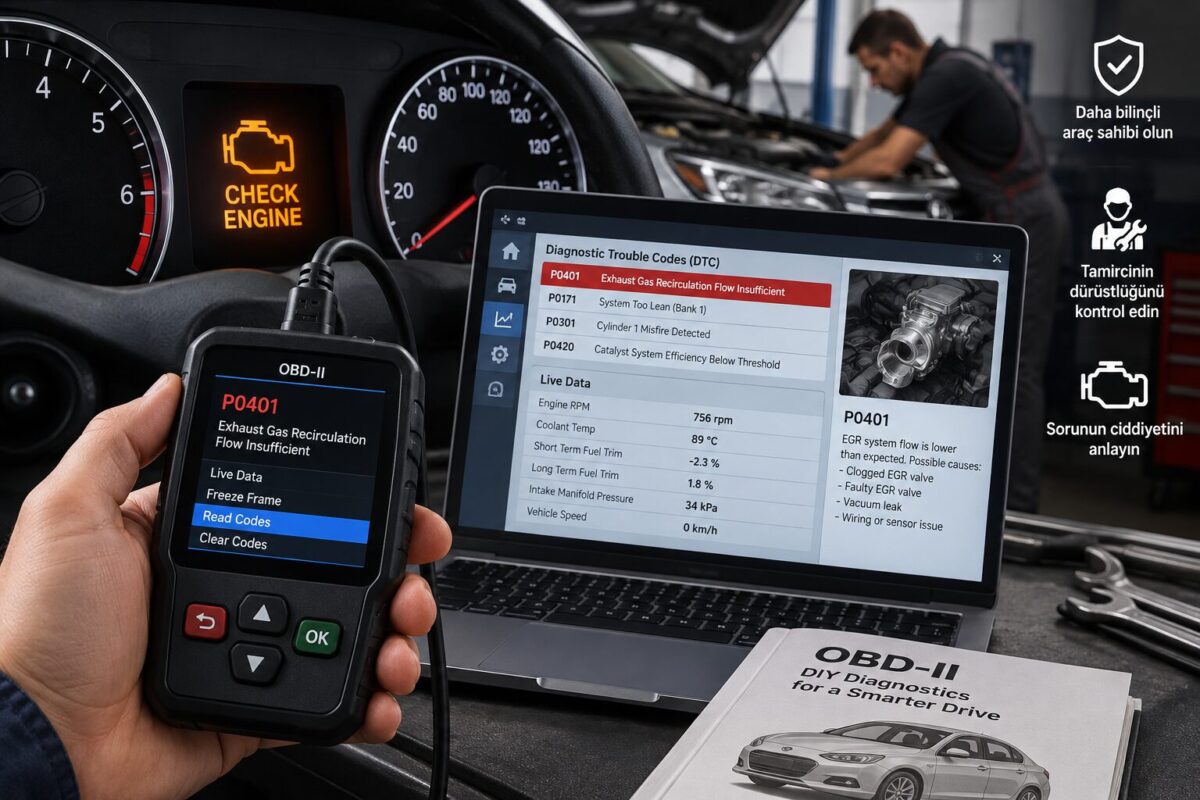
Your car can tell you far more about itself than you might think. If it does not display codes on screen, learn to use a scanner (an OBD reader) and read the computer fault codes. That way you can tell whether a mechanic is being straight with you, and whether the problem with your car is serious.
8. Know How to Jump-Start Your Car Properly
As with changing a tyre, you may never have to do it, but you should know how it is done on your own car. The battery is not always easy to reach, and it is easy to damage the electrical system if the car is jump-started incorrectly. Connecting the jump leads to the right terminals in the right order protects both you and the electronics in both vehicles.
9. Know How to Fuel Your Car
There are many fuel types on sale today, including petrol, E-85, methanol blends, biofuels and both high- and low-octane grades. Not every fuel suits every car. Check your owner’s manual to see which fuel type your car was designed for.
10. Get Hold of a Service Manual
If you own an older car, plan to keep it for a long time, or cannot afford to take it to a professional, a service manual is indispensable. Even if you never open it yourself, the first thing a car-savvy friend will ask you for is that manual.
Related Videos

10 Basic Things Every Driver Should Know How to Do on Their Car

Car Maintenance: 10 Things Every Car Owner Should Know – The Short List

4 car tips every driver should know to get more out of your vehicle
Conclusion
These ten points form the basis of using a car safely. You do not have to know them all by heart, but knowing where to look for each one and how to apply it when the time comes lets you solve the small problems you meet on the road before they turn into big headaches. Keeping your owner’s manual with you and carrying out the basic checks regularly protects both your wallet and your safety.
Frequently Asked Questions
Engine oil, brake fluid, coolant (antifreeze), transmission fluid and screen wash are the main fluids that need checking regularly.
Check the pressure of the spare once a month, or before setting off on a long trip. If you have bought a second-hand car, be sure to look over the age and general condition of the spare.
The position of the fuse box varies from car to car; it is usually under the glovebox or in the engine bay. The owner’s manual is the most reliable way to find its exact location.
Yes, you need an OBD-II scanner. These range from affordable models to professional-grade units, and they let you read your car’s fault codes.
Connecting the leads to the wrong terminal or in the wrong order. This mistake can damage the electrical systems of both vehicles, which is why it is important to learn the correct sequence.
Related Posts
 How Is Engine Oil Checked? Engine Oil Check
  How to Check Radiator Coolant
  How to Jump-Start a Battery, Illustrated
  Characteristics and Advantages of Rear-Wheel-Drive Vehicles
  How Does a Vehicle’s Charging System Work? Components, Jobs, and Failures
  13 Factors That Increase Fuel Consumption in Vehicles
  Properties and Advantages of Alloy Wheels
  What the Markings on a Car Tire Mean