

In the motor vehicles engine knowledge section, here’s an article covering how to change engine oil. How is engine oil changed. How is the oil filter changed. How is the oil filter removed.
Engine Oil Change
Even if you haven’t driven many kilometers, you should change your engine oil at least twice a year. A vehicle that hasn’t been used for a long time (for example, 1 year) should also have its oil changed. Because the oil can lose its properties over time.

Related Post How to Choose Engine Oil
How to choose engine oil. Choosing summer/winter engine oil for gasoline and diesel vehicles. What do engine oil numbers mean. What does S.A.E mean.
Pull the car onto a flat driveway or area with enough working space. Let the car idle for 5-10 minutes to warm up the oil. Be careful when draining hot oil.
1- Put the car in park, remove the keys, and set the parking brake. Step away from the vehicle.

2- Fit wheel chocks/blocks to prevent the tires from moving. Wheel chocks should be placed against the tires that will remain on the ground.

3- Raise the car. You only need to do this on one side.

4- Support your vehicle on both sides.

5- Apply force by rocking the vehicle to make sure it’s secure.
How to Change Engine Oil

6- Place the oil recovery pan (drain pan) under the engine.
Wait 10 minutes to let your vehicle cool. The engine/exhaust may be hot, be careful
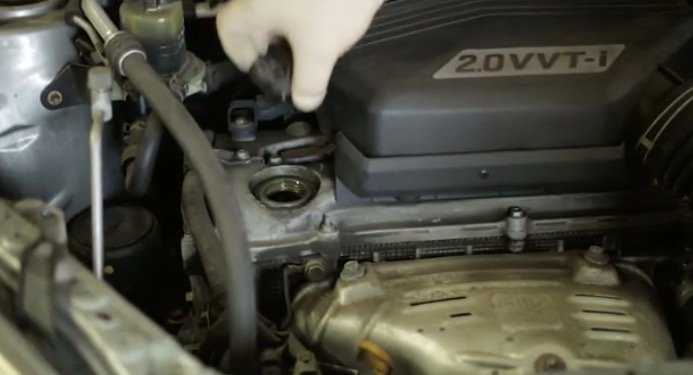
7- Remove the oil fill cap. Open the hood and place the oil cap on top of the engine.

8- Locate the oil pan. Under your car, it looks like a flat metal pot, closer to the engine than the transmission.
Locate the engine oil drain plug.
Confirm this is the engine oil drain plug and not the transmission drain plug. If you’re not sure which is which, look for the exhaust. The exhaust is always connected to the engine, running from the front of the vehicle toward the back. The oil pan and drain plug are located under the engine.
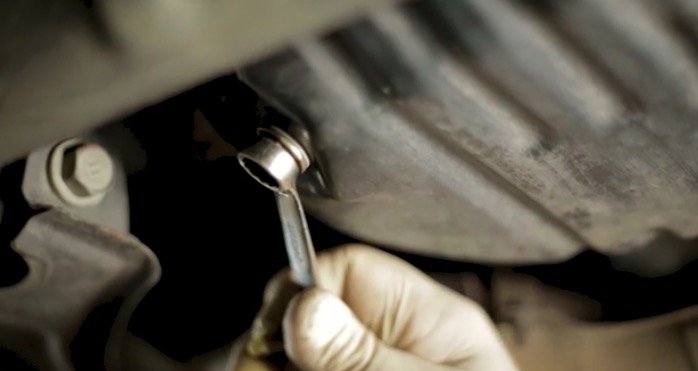
9- Remove the drain plug. If you have room to maneuver, loosen the plug counterclockwise using an appropriately sized socket or wrench. You should also remove and replace the paper or felt drain plug gasket. If it’s in good condition, it can be reused. Once we open the oil pan plug, the oil will drain into the pan we placed under the vehicle in step 6.
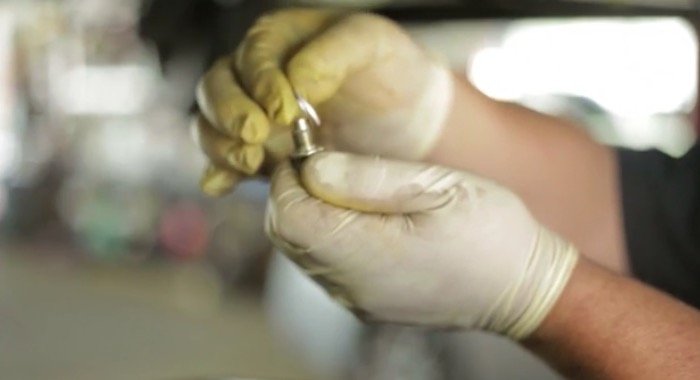
Wait. It will take a few minutes for all the oil to drain from the car. After the oil stops dripping from the crankcase, replace the plug. Put a new washer on the drain plug. Check and clean 3 areas: the drain hole, the plug, and the gasket. Fit the new gasket onto the drain plug.
How Is the Oil Filter Changed?
Locate the filter assembly. Where is the engine oil filter located?
Since filters aren’t placed in a standard location, they can be at the front, back, or sides of the engine, depending on the model.

Look at the replacement filter you bought to get an idea of what to look for. Typically, like a soup can, they’re white, blue, or black cylinders 4-6 inches (10.2-15.2 cm) long and 3 inches (7.6 cm) wide.
On some vehicles, like BMW, Mercedes, and newer Volvos, there may be a filter element or cartridge instead of the simpler spin-on type. These require you to open the cap of a built-in housing and lift out the filter element yourself.
How Do I Remove the Oil Filter?
To remove the oil filter, first try to remove it by hand with a good grip, turning it slowly and steadily counterclockwise. If you can’t remove the filter by hand, you’ll need an oil filter wrench to do it.

Before fully removing the filter, make sure the drain pan is positioned under the filter. This will help prevent spills.
To prevent too much oil from spilling as you remove the filter, you can wrap a plastic bag around it; this will catch any oil that escapes as you remove it. Have the bag positioned upside down to drain into while you finish the job.

Prepare the new filter. Dip the tip of your finger in the fresh oil and coat the gasket ring on the new filter with it. This will lubricate the gasket and create a good seal for the new filter, so you can be sure it can be removed the next time.

You can also put a small amount of oil into the filter before installing it. This reduces the time it takes for your vehicle to regain proper oil pressure. If your filter is mounted vertically, you can fill it up almost to the top. If you’re mounting it at an angle, only a small amount of oil should be poured in right before turning the filter into place.
Installing the Engine Oil Filter
When installing the new engine oil filter, in general, tighten the filter until it touches the gasket, then turn it another quarter turn.

Add new oil to the car through the fill hole.
If you hold the bottle with the opening on top, it will pour more smoothly without bubbling.
Reinstall the engine oil fill cap and close the hood.
Start the engine. Make sure the oil pressure light turns off after it engages. Put your vehicle in park or neutral to check for any dripping, and carefully look underneath the vehicle to check for any leaks or drips. If the filter and drain plug aren’t tight, they can slowly leak. Run the engine for a minute to build up pressure and make sure everything is installed correctly.

Check the oil level by pulling out the dipstick. After turning off the car again and letting the oil settle for 5-10 minutes, check the dipstick again to see where the level indicators fall.

Related Post How Is Engine Oil Checked? Engine Oil Check
Checking engine oil. How is a vehicle engine oil checked. How and where is engine oil added. Why is checking engine oil important.
Related Posts
How to Choose Engine Oil How Is Engine Oil Checked? Engine Oil Check  Fuel Pump Failure Symptoms
  How to Clean Leather Seats. What Should Leather Seats Be Cleaned With?
  How Is a Diesel Particulate Filter Cleaned
  Let’s Get to Know the Fluids Used in Vehicles
  Why Does the Battery Warning Light Come On? Signs of a Battery Fault
  Diagnosing and Fixing Shock Absorber Faults