Milling machines make production far easier with their multi-toothed cutters turning at high speed, but those same qualities can cause serious accidents when the machine is used carelessly. In this article we bring together the precautions to take before starting a milling machine, the types of accident most often met in the workshop, the safe clamping of the work and the cutter, and the ways to protect yourself from flying chips.
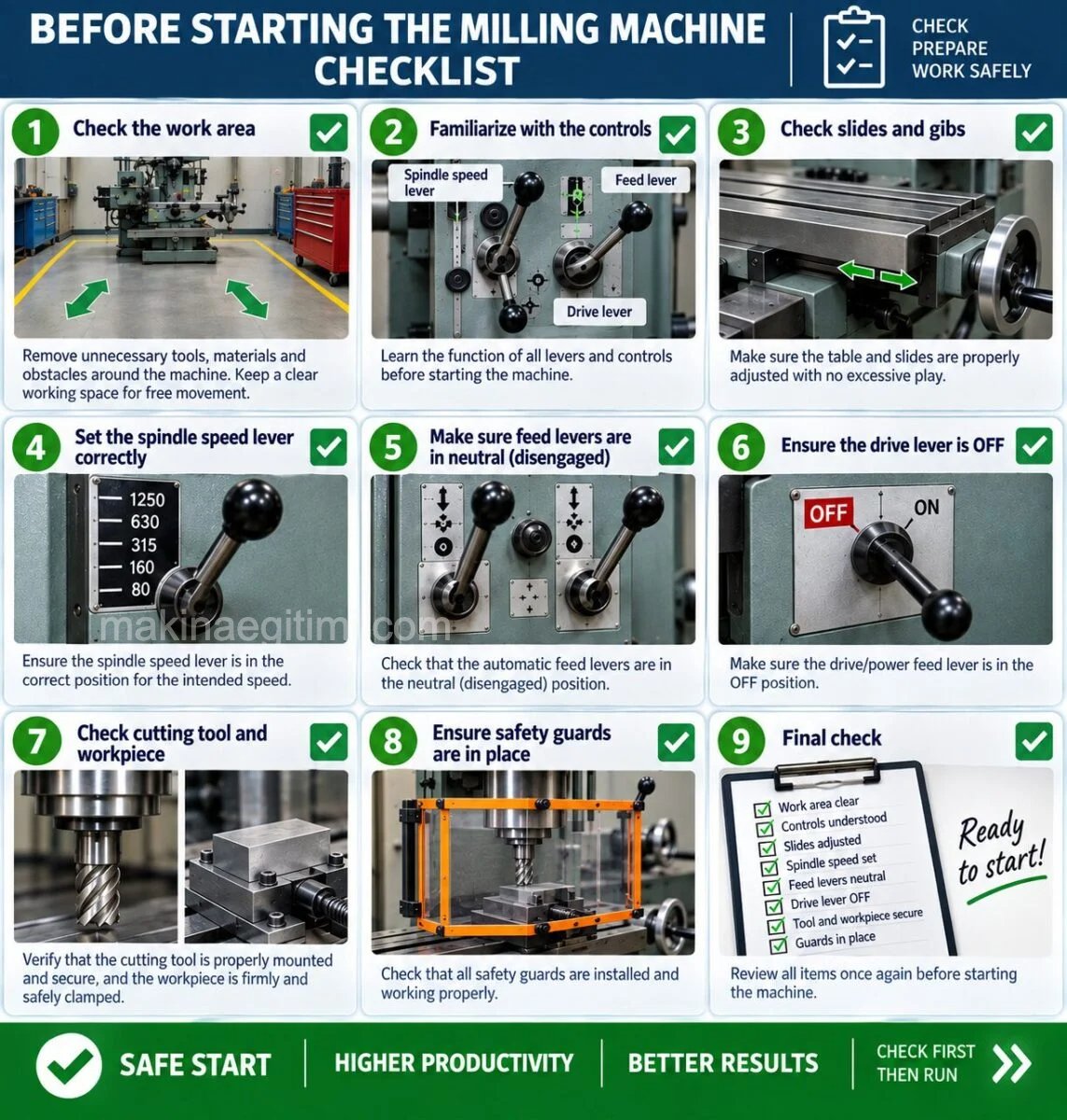
Precautions to Take Before Starting the Machine
The checks made before putting a milling machine into service prevent a great many of the problems that would otherwise come up later. Even for an experienced operator, repeating these checks every single time should become a habit. The checklist below covers them in order.
Accidents That Can Happen on a Milling Machine and How to Prevent Them
The most common types of accident on a milling machine come mostly from contact with the rotating cutter or from uncontrolled movements.
Because a rotating cutter can catch the edge of a work coat, hands should never be passed around the cutter for any reason. This is a simple but critical rule, and one of the warnings repeated most often in workshops.

Loose tools left lying on the table can slide off and fall as the machine moves, or get in the way of the work. For that reason any tools and equipment not in use should be taken off the table.
You also have to stay alert to collisions during automatic feed. Automatic feed needs particular care because it gives you less chance to intervene at the moment something goes wrong than hand feed does.
When climb milling, the tendency of the cutter to dig into the work is a risk of its own. With this method, having the table backlash taken up and applying the feed under control prevents the cutter from grabbing the part unexpectedly.
Why Clamping the Work Securely Matters
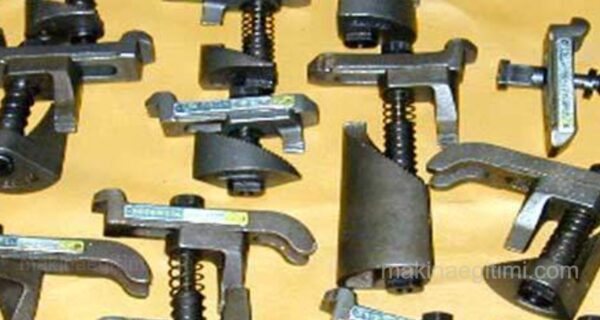
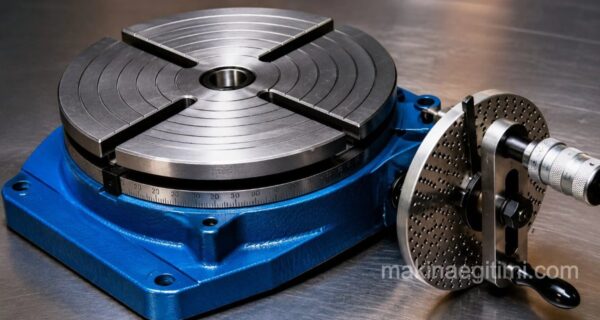
Clamping the workpiece to the table correctly directly affects both dimensional quality and safety. The points to watch while clamping can be summarised as follows:
- A clamping device suited to the job in hand should be chosen.
- The workpiece should be clamped tightly enough that it will not vibrate during machining.
- Large workpieces should be clamped directly to the table, evenly balanced.
- Workpieces should not be set higher than they need to be for the machining allowance and the layout line.
When these rules are not followed, the most common result is vibration during machining, which both spoils the surface finish and can move the part out of position, creating a dangerous situation.
Mounting the Milling Cutter Securely
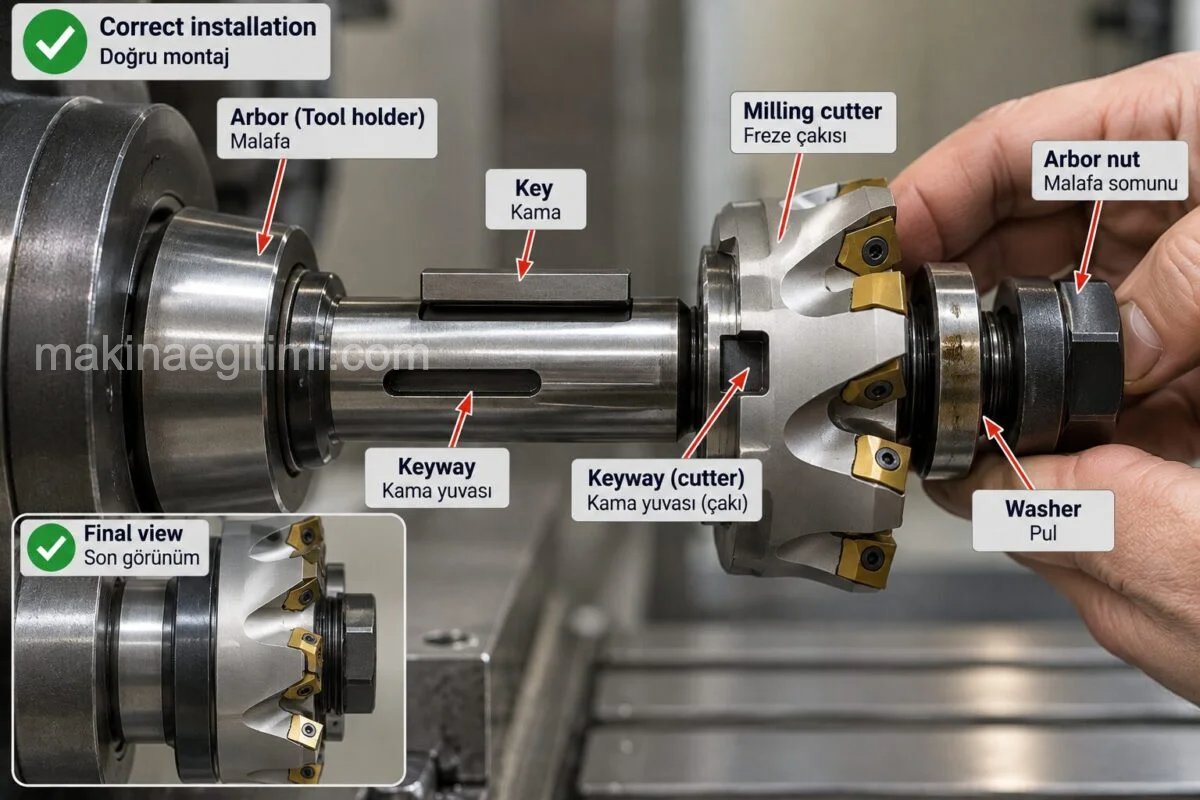
Mounting the cutter correctly is just as critical for safety as clamping the workpiece. The points to watch here are these:
- The milling cutter should be fitted on an arbor suited to its bore.
- The cutter should be mounted the right way round and held securely.
- Positioning the cutter as close to the spindle as possible reduces deflection of the arbor.
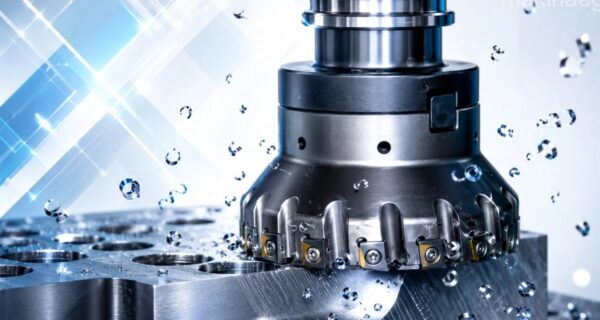
- For machining wide surfaces, face mills should be preferred because they run in a balanced way without vibration.
Mounting a face mill directly on the spindle or on the vertical head lets it run with less runout than a connection made through an arbor. That both improves the surface finish and prevents the cutter from wearing prematurely.
Ways to Protect Yourself From Chips
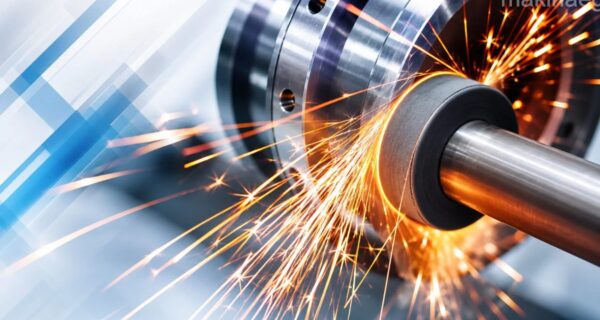
Chips thrown off during machining can injure the eyes and the skin, and can even cause burns. If the job produces a large amount of chips, stopping the machine and clearing them away part-way through is the safer choice.
To protect yourself from chips, watch these points:
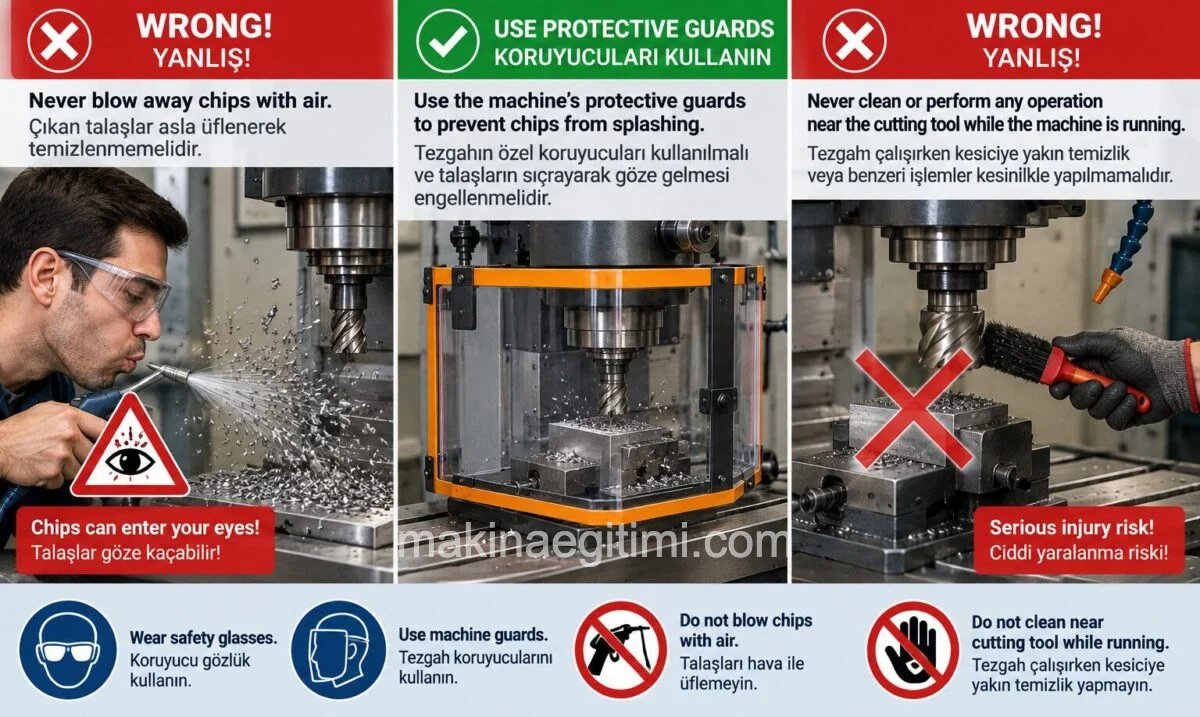
- Chips should never be blown away, because doing so can drive them into your eyes.
- The machine’s own guards should be used, to stop chips from flying up into your eyes.
- Cleaning or similar work near the cutter must never be done while the machine is running.
Related Videos
Milling Machine Safety

Machine Shop Safety Video – Part 1

Safety Awareness in the Machine Shop
Conclusion
Working safely on a milling machine does not come down to one single rule. It calls for attention to a whole set of precautions that complete one another, from the checks made before starting, through the techniques for clamping the work and the cutter, to the habits that protect you from chips. Turning these rules into a settled routine both keeps the operator safe and improves the quality of the parts produced.
Frequently Asked Questions
Checking whether the backlash in the ways and slides has been taken up is frequently skipped. If that backlash is not removed, the cutter can drag the part with it as it enters the work.
With this method the cutter tends to pull the part in underneath itself. If the table backlash has not been taken up and the feed is applied without control, there is a risk of the cutter suddenly digging into the work.
A face mill is mounted directly on the spindle or on the vertical head, so it runs with less runout than a connection through an arbor. That gives more balanced, vibration-free machining on wide surfaces.
Blowing sends chip particles flying in an uncontrolled way and can drive them into your eyes. Use the machine’s guards and proper cleaning tools instead.
If the workpiece is set higher than the machining allowance requires, the distance between the cutter and the clamping elements is reduced and the risk of vibration goes up. That affects both safety and the quality of the machined surface.
Related Posts