
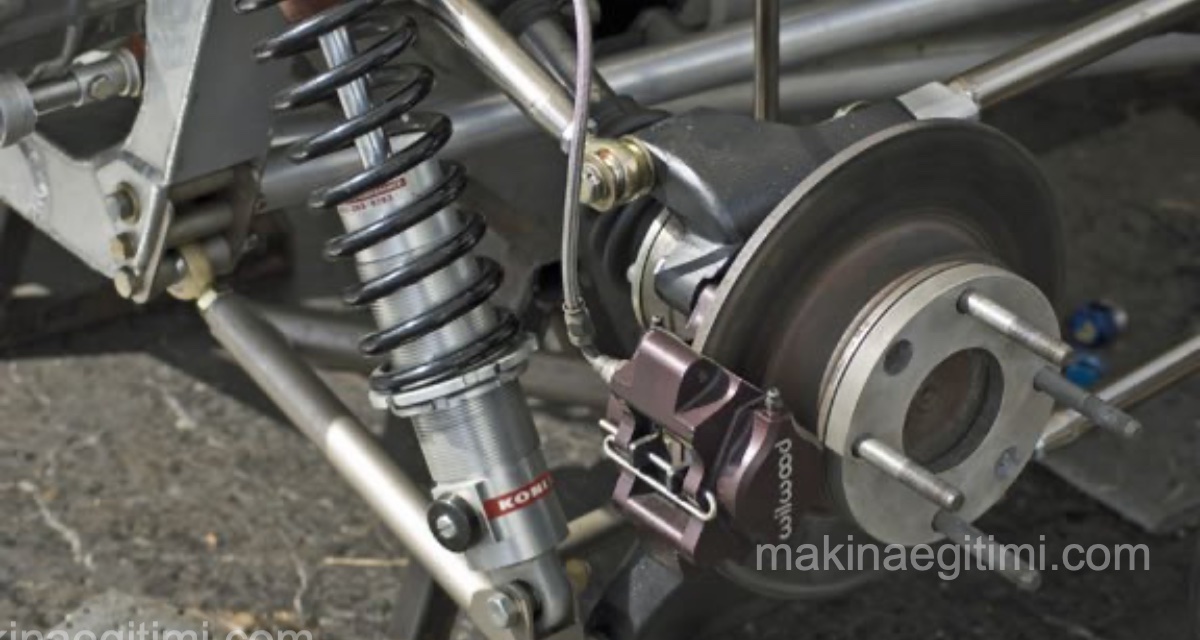
In this article, in our Vehicle Maintenance and Repair section, we’ll cover the consequences of shock absorber failure. We’re back with a new article for drivers curious about what happens if a shock absorber fails, why the steering gets stiff, and what causes the steering wheel to shake.
What Happens If a Shock Absorber Fails?
The effects of a bad shock absorber on a car can show up in different places.
If a shock absorber fails, the steering gets stiff, and depending on the situation, your steering wheel may shake. Check the shock absorbers and coil springs, and replace them if needed. Drive for a bit to let your vehicle’s suspension system settle back in.
A Bad Shock Absorber Weakens the Brakes
If you ask what happens when a shock absorber fails, one of the things that happens is a longer braking distance. A worn shock absorber increases a car’s braking distance: at 80 km/h on a dry, uneven road, braking distance increases by 26 meters; at 50 km/h in a curve, braking distance increases by 23 meters. That’s the difference between a safe stop and a crash. Have the brakes checked, or replace the shock absorbers.
A shock absorber failure can also cause the suspension to feel softer.
Check your shock absorbers or coil springs, and replace them if needed.
A Bad Shock Absorber Weakens Road Holding

During a sudden maneuver, a good shock absorber gives you better control. For a vehicle with 50%-worn shock absorbers, the maximum safe cornering speed drops by 10% compared to a vehicle on a dry surface. The shock absorbers must be replaced.
A Bad Shock Absorber Makes the Car Skid on Wet Ground
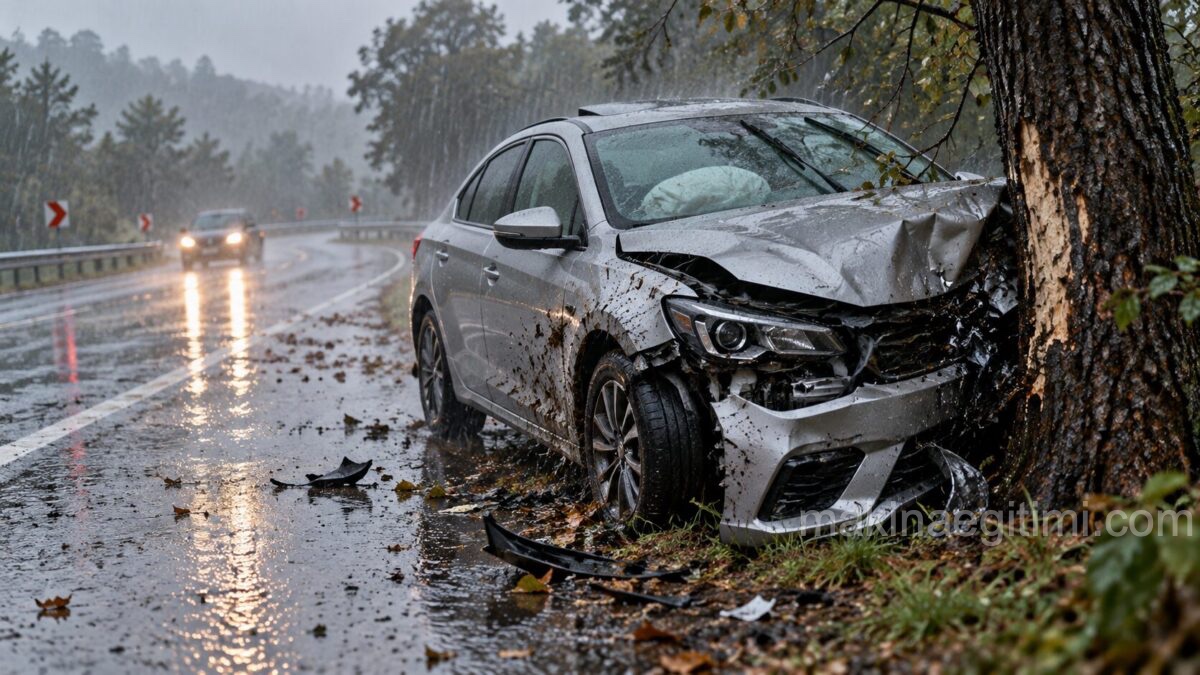
On a road covered with 6 mm of water, a front-wheel-drive car with 50%-worn shock absorbers starts to skid at a 10% lower speed than a car with new shock absorbers. Shock absorbers must always be replaced in pairs, or preferably all four at once. Always have a front-end alignment done after replacing the front shock absorbers.
A Bad Shock Absorber Causes Vibration
A worn shock absorber causes the car to shake. This affects the headlights and can dazzle oncoming drivers. Tires wear unevenly. When the shock absorbers can no longer do their job, the tires wear unevenly in different spots. A shock absorber failure can show up as uneven tire wear.

Another answer to what happens if a shock absorber fails is that a bad shock absorber makes the car harder to drive. Steering wheel shake can occur. Under normal conditions, bad shock absorbers increase driver fatigue and delay reaction time by 26%. Have your shock absorbers checked. Replace worn parts and have the shock absorber mounting inspected.
Loss of Road Holding
A bad shock absorber weakens the tire’s contact with the road surface, which can increase braking distance.
Tire Wear
Faulty shock absorbers cause a bouncing motion that leads to uneven, accelerated tire wear.
Sign of a Leak
Oil leaking from the shock absorber body is a clear sign that its sealing components have failed.
Related Questions
A worn shock absorber can’t maintain the wheel’s constant, balanced contact with the road surface, and the wheel can bounce and lose grip. This reduced grip means the vehicle takes longer to stop once the brake is applied.
The shock absorber lets the wheel move in a damped way against irregularities in the road. When this damping is lost, vibrations from the road are transmitted directly through the suspension to the steering wheel.
Related Posts
 Information About Vehicle AC Maintenance
 Is It Harmful to Drive Off Without Warming Up the Engine?
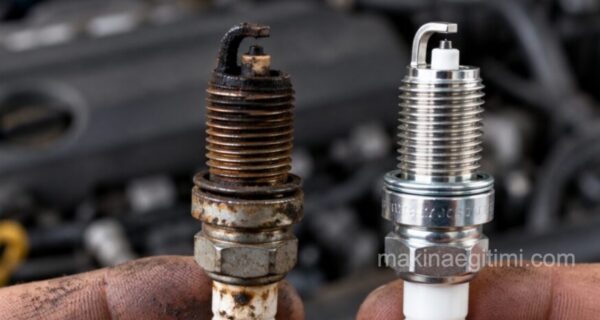 Changing Spark Plugs. How Is a Spark Plug Change Done?
 How to Jump-Start a Battery, Illustrated
 How Is a Diesel Particulate Filter Cleaned
 If You Just Bought a New Vehicle, Read This. What Is the Break-In Period?
 How to Save Fuel in Vehicles
 How to Clean Leather Seats. What Should Leather Seats Be Cleaned With?