Close Menu
  • MAKİNELER ve İMALAT
    • Tools & Equipment
    • Computer-Aided Drawing
    • CAD/CAM Education
    • CNC Machine Programming
    • Casting Technologies
    • Electrical & Electronics Technologies
    • Hydraulics & Pneumatics
    • Manufacturing Processes
    • Manufacturing Technologies
    • Occupational Safety
    • Mold & Die Design
    • Solid Modeling
    • Welding Technology
    • Machine Elements
    • Mechanical Trade Drawing
    • Materials Science
    • Automotive & Vehicle Technologies
    • Robotics Technologies
    • Health Technologies
    • Defense & Aerospace Technologies
    • Descriptive Geometry
    • Technical Drawing
    • Software & Hardware Technologies
    • Innovative Manufacturing Methods
  • TEKNOLOJİ ve YAŞAM
    • OTOMOBİLLER ve TAŞIT
      • Vehicle & Engine Knowledge
      • Safe Driving
      • Sürüş Destek Sistemleri
    • Genel Kültür
      • Movies & TV Shows
      • Görsel ve Grafik Sanat
      • Books & Literature
      • Music
      • Sports
      • History
      • History of Technology
    • GÜNDELİK YAŞAM TEKNOLOJİLERİ
    • Hobbies & Entertainment
    • Internet Technologies
    • Health
    • Mobile Technologies
Makine Eğitimi
  • Machines & Manufacturing
    Machine Elements
    Hydraulics & Pneumatics
    Technical Drawing
    Computer-Aided Design & Manufacturing
    Basic Manufacturing Processes
    Manufacturing Processes
    Industry Technologies
    Other Technical Courses
    Motion & Power Transmission
    Simple Machines
    Chains & Sprockets
    Shafts & Journals
    Gears
    Cams
    Couplings
    Belts & Pulleys
    Springs
    Bearings
    Keys
    Fastening Joining
    Retaining Rings
    Screws, Bolts & Nuts
    Cotter Pins
    Flanges
    Welding
    Rivets
    Pins & Bolts
    Washers
    Calculators
    Gear Ratio Calculator
    Spring Constant Calculator
    Belt Pulley Ratio Calculator
    Other Machine Elements
    Slides & Linear Guides
    Brakes
    Flywheels
    Clamps
    Shock Absorbers
    Gaskets & O-Rings
    Seals & Sealing Elements
    Hydraulics
    Introduction to Hydraulics & Principles
    Hydraulic Systems & Applications
    Accumulators
    Filters
    Motors
    Pumps
    Valves
    Pneumatics
    Introduction to Pneumatics & Principles
    Pneumatic Systems & Applications
    Pneumatic Circuit Components
    Valves
    Cylinders
    Silencers
    Motors
    Compressors
    Dryers
    Conditioning Units
    Common Topics & Maintenance
    Hydraulic & Pneumatic Maintenance
    Study Notes, Exams & Tests
    Technical Drawing
    Introduction to Technical Drawing
    Geometric Drawings
    Perspective & Projection
    Orthographic Views
    Dimensioning
    Sectioning
    Assembly & Detail Drawings
    Tolerances
    Surface Finish Symbols
    Mechanical Engineering Drawing
    Screws, Bolts & Nuts
    Pulley Drawings
    Gear Drawings
    Shafts & Journals
    Bearing Drawings
    Pins & Bolts
    Spring Drawings
    Welds in Technical Drawing
    Washers
    Cotter Pins
    Technical Drawing Exercises
    Mechanical Drawing Exercises
    Gear Exercises
    View Extraction Exercises
    Pulley Exercises
    Pin & Bolt Exercises
    Threaded Fastening Exercises
    Descriptive Geometry
    Computer-Aided Drawing
    AutoCAD Drawing Lessons
    Solid Modeling & Animation
    Solid Model Drawing Files
    Solid Model Assembly Examples
    Solid Model Drawing Lessons
    3D CAD Software Reviews
    Solid Modeling Exercises
    CNC Programming
    CAM
    Measurement & Inspection
    Dial Indicators
    Calipers
    Gauges
    Micrometers
    Materials Science
    Steels
    Cast Iron
    Aluminum
    Plastics
    Material Testing & Hardness Measurement
    Occupational Safety
    Workshop Safety
    Safety When Working With Electricity
    Machine Safety Rules
    Hand Operations
    Filing
    Marking
    Cutting Operations
    Reaming
    Tapping
    Threading With a Die
    Drill Bit Sharpening
    Working With Machines
    Basic Turning Operations
    Basic Milling Operations
    Shaper Machine
    Machining
    Turning
    Milling
    Grinding
    Innovative Manufacturing Methods
    EDM (Electrical Discharge Machining)
    Laser Machining
    Waterjet Machining
    3D Printing
    3D Scanners
    Welding
    Rolling
    Casting
    Mold & Die Design
    Mechanical & Hydraulic Presses
    Blanking & Piercing Dies
    Bending Dies
    Drawing Dies
    Plastic Injection Molds
    Extrusion Dies
    Compound Dies
    Progressive Dies
    Blow Molds
    Spinning Dies
    Spray Molds
    Manufacturing of Machine Parts
    Automotive & Vehicle Technologies
    Motor Vehicle Manufacturing
    Raw Material Production
    History of Technology
    Health & Medical Technologies
    Defense & Aerospace
    Robotics Technologies
    Software & Hardware Technologies
    Mechanics - Strength of Materials
    Physics Topics
  • Technology & Life
    Hobbies & Entertainment
    Sports
    Music
    Vehicle & Engine Knowledge
    Vehicle Maintenance & Repair
    Safe Driving
    Driver Assistance Systems
    History
    Movies & TV Shows
    Books & Literature
    Computers & Internet
    Computer Tips
    Software Reviews
    Hardware & Peripherals
    Practical & Safe Internet Use
    Visual & Graphic Art
    Mobile Technologies
    Travel
    Science
    Health
    First Aid Knowledge
    Everyday Technologies
Makine Eğitimi
Home»Manufacturing Processes»What Do Cooling / Cutting Fluids Do? Their Functions
30 August 2026

What Do Cooling / Cutting Fluids Do? Their Functions

Kesme Sıvısı Ne İşe Yarar?

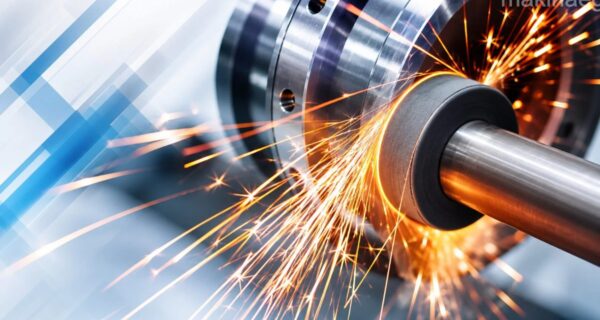
The topic of this article will be the role that cutting fluids/lubricants play in separating and shaping materials. Cutting fluids have 5 basic functions.

  • The Functions of Cooling (Cutting) Fluids
    • Lubrication
    • Cooling
    • Flushing and Transport
    • Cleaning
    • Removal (Disposal)
    • Related Questions
  • Related Questions

The Functions of Cooling (Cutting) Fluids

  • Reducing friction through lubrication
  • Carrying away heat through cooling
  • Removing foreign materials through flushing, thereby increasing the service life of tools.
  • Improving the surface finish of workpieces. (Cleaning)
  • Chip Removal (Disposal): Increasing the chip-removal volume per unit time.
  • Alongside these main functions, cutting fluids also keep the work area clean and protect it from corrosion.

Lubrication

Machining operations occur within the mixed-friction zone. By lubricating this zone, cutting fluids reduce friction at the cutting point, thereby reducing tool wear, workpiece heating, and also the energy requirement.

For high and extremely high demands, cutting fluids include specially active substances that react with the material being machined at high pressures and temperatures. This prevents the peaks of the surface roughness on the workpiece and tool from welding together.

what do cutting fluids do

These types of additives are EP (extreme pressure) additives. To be effective, cutting fluids need to withstand the lowest temperatures and pressures.

In addition, AW-active (anti-wear additives) are added to the cutting fluid, which forms a retaining film layer on the surfaces of the tool and workpiece, preventing direct contact between sliding surfaces.

Cooling

The cutting fluid needs to be removed from the heated zone as quickly as possible, so that the tool and workpiece are cooled. This increases machining precision and prevents changes to the metallurgical structure within the surface layer.

The cooling effect of cutting fluids depends on flow rate, the shape and direction of the coolant jet, viscosity, and the type and temperature of the cutting fluid.

The larger the flow volume (flow rate) of the cutting fluid, and the higher its specific heat capacity, the faster it cools. In water-mixed cutting fluids, the evaporation of the water also aids cooling.

Flushing and Transport

The cutting fluid must also flush away and carry off shed chips and other solid materials from the machining area.

The ability to flush away chips and other solid materials depends, above all, on the viscosity, flow volume (flow rate), and pressure of the cutting fluid. The cutting fluid’s carrying capacity and its tendency to leave deposits depend on the type and size of the swarf.

Cleaning

All cutting fluids must be used clean, and cleaned if contaminated. This is because, during use, friction dust, chips, and foreign oils (such as machine oil, hydraulic oil, or anti-corrosion oils) can reach the workpieces through the cutting fluid circuit.

Clean cutting fluid provides a better surface finish on workpieces while also reducing the amount of scrap parts. Cleaning is achieved through a filter, a sediment tank, and a magnetic separator system.

Any cutting fluid residue remaining on workpieces must often be removed from the surface before beginning machining, and especially before a final surface treatment step, such as galvanizing or painting.

Removal (Disposal)

During the maintenance of cutting fluids, chips, filter sediment, oil sludge, and the oil-water mixture are removed. When these materials are prepared at the facility, they must be separated from oils or water. Before sending waste to an incineration facility or a storage site, its composition (what it contains) must be disclosed and approval must be obtained from the relevant authority.

Related Questions

QUESTION: List the functions of cutting fluids 

ANSWER: 
1-Reducing friction through lubrication 
2-Carrying away heat through cooling
3-Removing foreign materials through flushing, thereby increasing the service life of tools.
4-Improving the surface finish of workpieces. (Cleaning)
5- Increasing chip-removal volume per unit time.
6- Protection from corrosion

In this article, we tried to explain what cutting fluids do and looked at the functions of cutting fluids. See the related article for more information about cutting fluids.

Heat Absorption Function


Cutting fluids extend tool life by absorbing the high heat generated during chip removal.

Lubrication Function


Cutting fluid improves surface quality by reducing friction between the cutting edge and the material.

Chip Removal


Cutting fluid helps quickly remove the chips produced from the machining area.

Related Questions

No, alongside cooling, it also performs a lubricating function that reduces friction and carries the resulting chips away from the cutting zone. This multi-purpose role both extends tool life and produces a cleaner machined surface.

Without fluid, the heat generated by friction rises rapidly, and this heat can soften and wear down the tool’s cutting edge. Cutting fluid removes this heat immediately, helping the tool retain its hardness and sharpness.

Related Posts
Workplace Safety When Working With an Angle Grinder Workplace Safety When Working With an Angle Grinder Rayba Malzemeleri ve Raybanın Kısımları Reamer Materials and the Parts of a Reamer Gear Calculation Formula Tables Gear Calculation Formulas Table Dressing Grinding Wheels Dressing Grinding Wheels. The Dressing Process Balancing a Grinding Wheel Balancing a Grinding Wheel. Grinding Wheel Balancing How Is a Splined Shaft Made? How Is a Splined Shaft Made? Splined Shaft Manufacturing Milling machine in a workshop, with inset photos of a gloved hand brushing chips from the ways and wiping them clean How to Maintain a Milling Machine Cutting a Triangular Thread on a Lathe Cutting a Triangular (V) Thread on a Lathe
Basic Milling Operations Basic Turning Operations
Share. Facebook Twitter WhatsApp Tumblr Email Telegram Copy Link

Leave A Reply Cancel Reply

Properties and Advantages of Alloy Wheels
5 Tips for Fuel Economy
  • Contact
  • Terms of Service
  • Privacy & Cookie Policy

Type above and press Enter to search. Press Esc to cancel.