
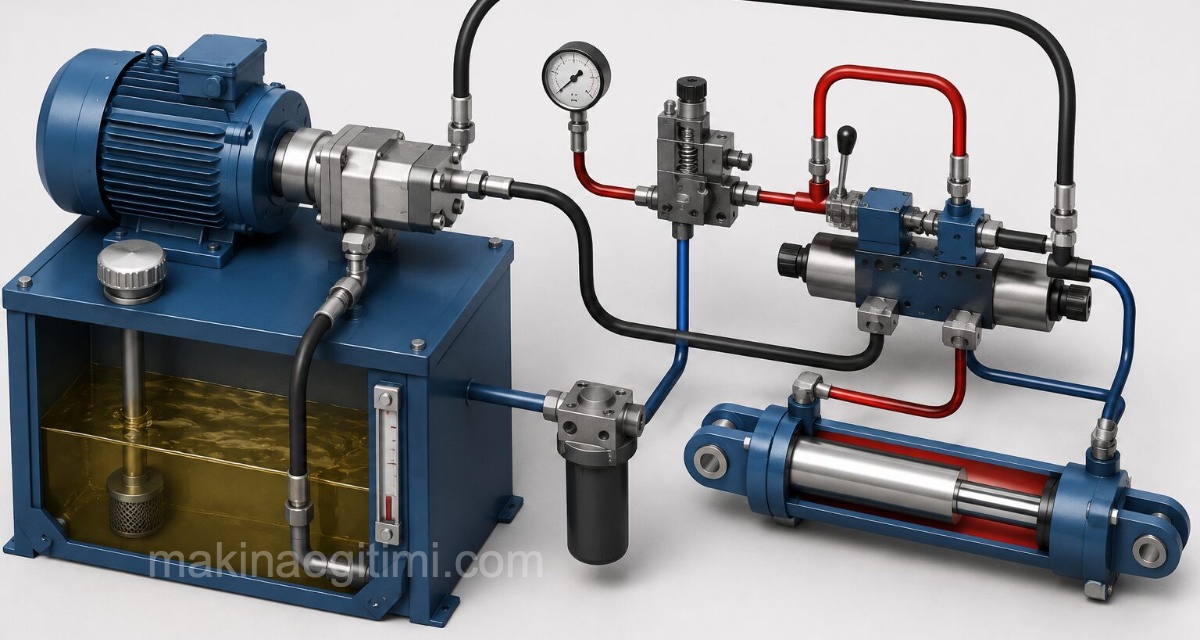
Causes of contamination in hydraulic systems:
Contamination During Manufacturing of Components
Due to the complexity of internal channels and the interior sections of parts, these often can’t be fully cleaned. Components are usually protected with preservative substances while in storage. Dirt and dust get mixed into these preservatives, and this dust also somehow ends up in the fluid once the system is commissioned.
Typical contamination examples: metal chips, sand, dust, paint, water, or preservative substances.
Particle Size Effect
In hydraulic systems, even particles as small as 5 microns can cause wear in sensitive valves and pumps.
Water Contamination
Water mixing into hydraulic oil both degrades its lubricating properties and can lead to corrosion.
Clean Assembly Environment
The cleanliness of tools and hands used during assembly plays a critical role in preventing outside contamination from entering the system.
Contamination During Assembly (Assembly Contamination)
Contamination during assembly can occur as solid particles form while joining each component, such as during the installation of bolts.
Sealing materials, weld residue, hose rubber particles, mixed-in flushing fluid, and dust from cut or ground parts.

Contamination During System Operation (Related to Manufacturing Contamination)
Small particles form as components wear. Particles smaller than 15 µm are the main culprits behind this wear.
To ensure hydraulic components can fully perform their functions, a tolerance must always be left between moving parts. Particles that accumulate in these gaps prevent the component from performing its function and lead to wear.
Points in hydraulic components prone to contamination: gear pumps, vane pumps, piston pumps, spool valves, and servo valves.
Related Questions
The internal channels and cavities of parts often have narrow, complex geometries. This complex internal structure makes it difficult for standard post-manufacturing cleaning methods to reach every corner.
There are extremely tight-tolerance gaps between the moving parts inside valves and pumps. Even a particle this small can enter these narrow gaps and cause wear over time through friction.
Related Posts
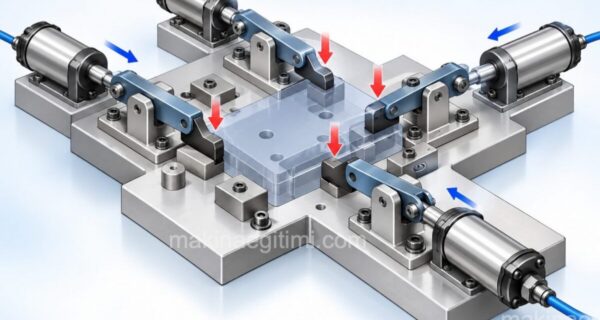 Pneumatic Application Examples, Sample Circuits
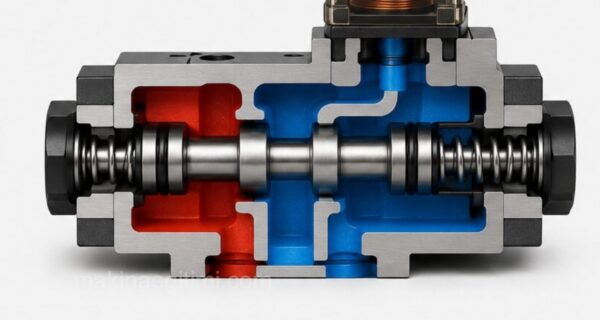 2-Way 2-Position Directional Control Valves
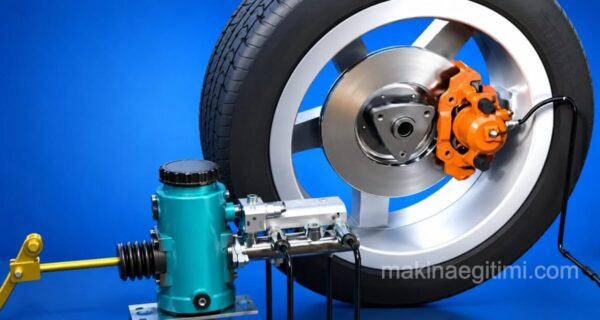 How Hydraulic Brakes Work
 What Is a Suction Filter? SUCTION LINE FILTERS
 Hydraulic Filtration Arrangements
 Hydraulic Applications – Feed Speed Adjustment on a Lathe
 An Overview of How Pneumatic Systems Work
 Hydraulic Cylinder Force Calculator