
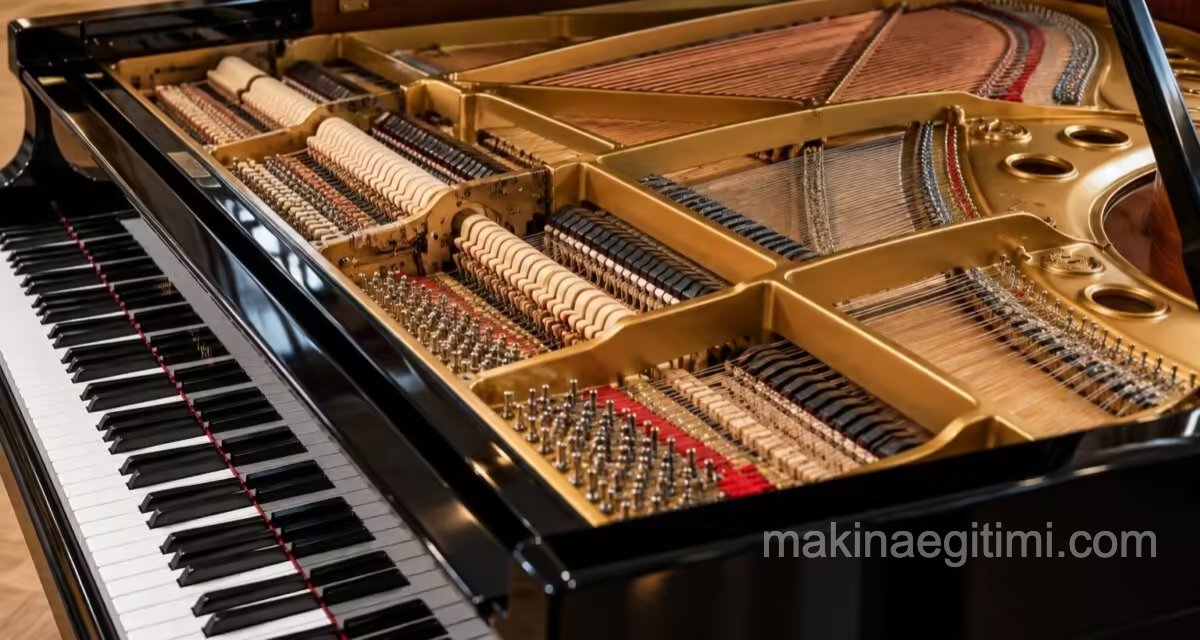
When you touch the keys of a piano today, you can produce a sound that is as soft as a whisper and as powerful as a clap of thunder. This is, in fact, the greatest feature that sets the piano apart from other keyboard instruments. This instrument was created by a craftsman in Italy at the beginning of the 18th century and, over the course of three centuries, has found its place in almost every genre, from classical music to jazz, and from rock ’n’ roll to pop music.
In this article, we will explore the history of the piano, from its origins to the present day, and discover the components / parts that have left their mark on this journey.
Before the Piano: The Harpsichord and the Clavichord
Before the piano, two main keyboard instruments were prevalent in Europe. The harpsichord produced sound by ‘plucking’ the strings with a quill or piece of leather when the keys were pressed. This method produced a clear and bright tone, but it had a significant drawback: regardless of how hard or softly the musician pressed a key, the sound always came out at the same volume. The clavichord, on the other hand, produced a softer sound and allowed for slightly greater dynamic variation, but its sound was so muted that it could not be heard in large halls.
You can get an idea of the sounds of the clavichord and the clavichord from the videos below.
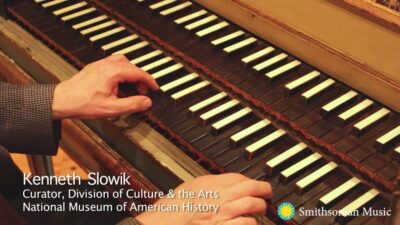
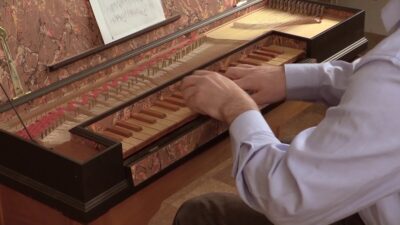
Musicians of the time were seeking an instrument that combined both the clarity of the harpsichord and the freedom of dynamic expression. It was this need that paved the way for the birth of the piano.
Cristofori’s Revolution: The Birth of the Piano
The invention of the piano is attributed to the Italian instrument maker Bartolomeo Cristofori, around 1700. Whilst working in the service of the Medici family in Florence, Cristofori developed a mechanism in which small hammers struck the strings instead of feathers. The greatest innovation of this mechanism was that the hammer could strike with varying force depending on the speed at which the key was pressed. This meant that musicians could now play both softly (piano) and loudly (forte).
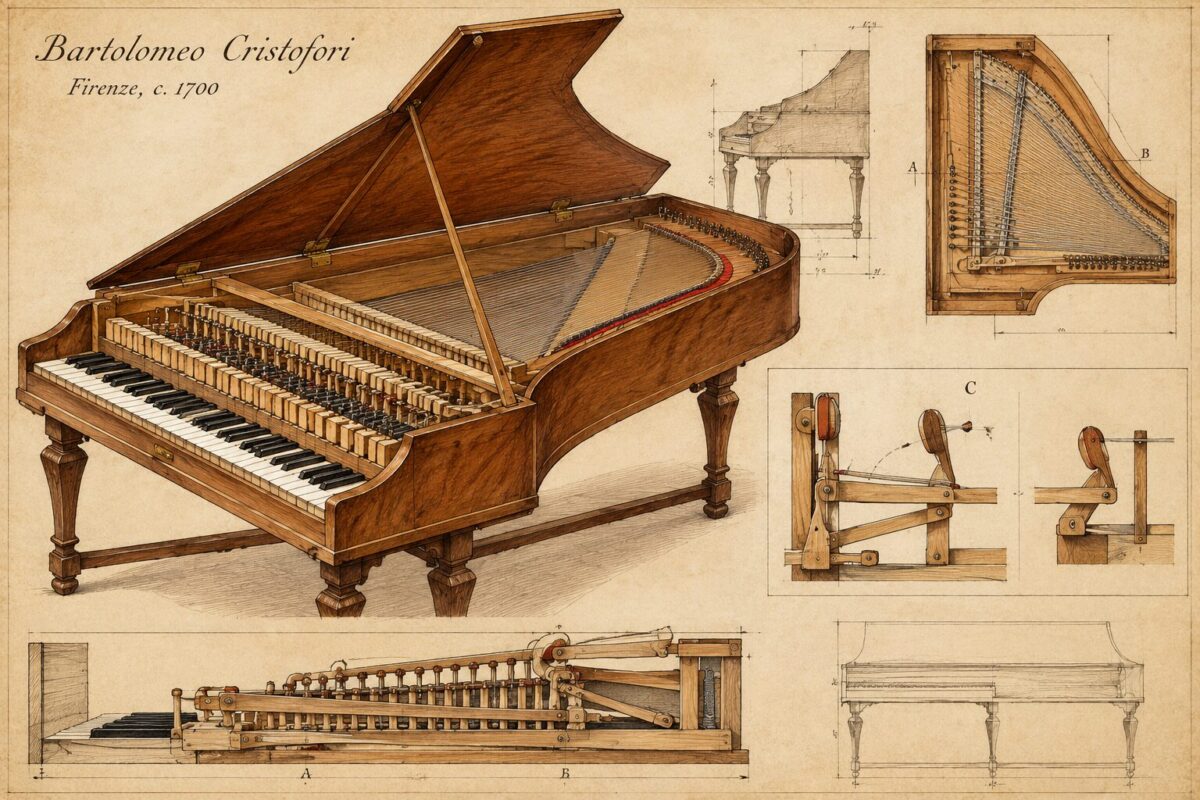
Because of this feature, the instrument was initially named the ‘gravicembalo col piano e forte’ (a harpsichord capable of playing softly and loudly). Over time, this long name was shortened to become the modern-day ‘piano’. An interesting detail: only three of the original pianos made by Cristofori have survived to the present day, and one of them is still on display at the Metropolitan Museum of Art in New York.
The Classical Period: The Piano Conquers Concert Halls
Towards the end of the 18th century, the piano rapidly surpassed the harpsichord. Wolfgang Amadeus Mozart composed numerous sonatas and concertos for the piano and became one of the composers who best utilised the instrument’s dynamic expressive power. Works such as Mozart’s ‘Piano Sonata No. 16’ remain among the classics that are still played today by both beginners and professionals.
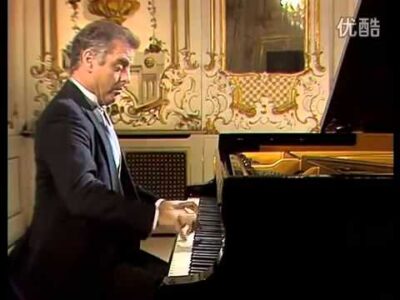

In the 19th century, the instrument developed further. The body grew larger, the number of strings increased, and, thanks to cast-iron frames, the piano became capable of producing a much more powerful sound. Ludwig van Beethoven composed works that pushed the boundaries of this evolving piano. Pieces such as the ‘Moonlight Sonata’ demonstrated that the piano was no longer merely an elegant parlour instrument, but a powerful instrument capable of conveying profound emotions.
The Romantic Period: The Instrument of Emotion
During the Romantic period, the piano became, as it were, a diary for composers. Frédéric Chopin, with his delicate and melancholic nocturnes written for the piano, brought out the instrument’s most delicate and heartfelt tones. By this period, the piano had attained such power that it could fill a concert hall not only alongside an orchestra but also on its own.
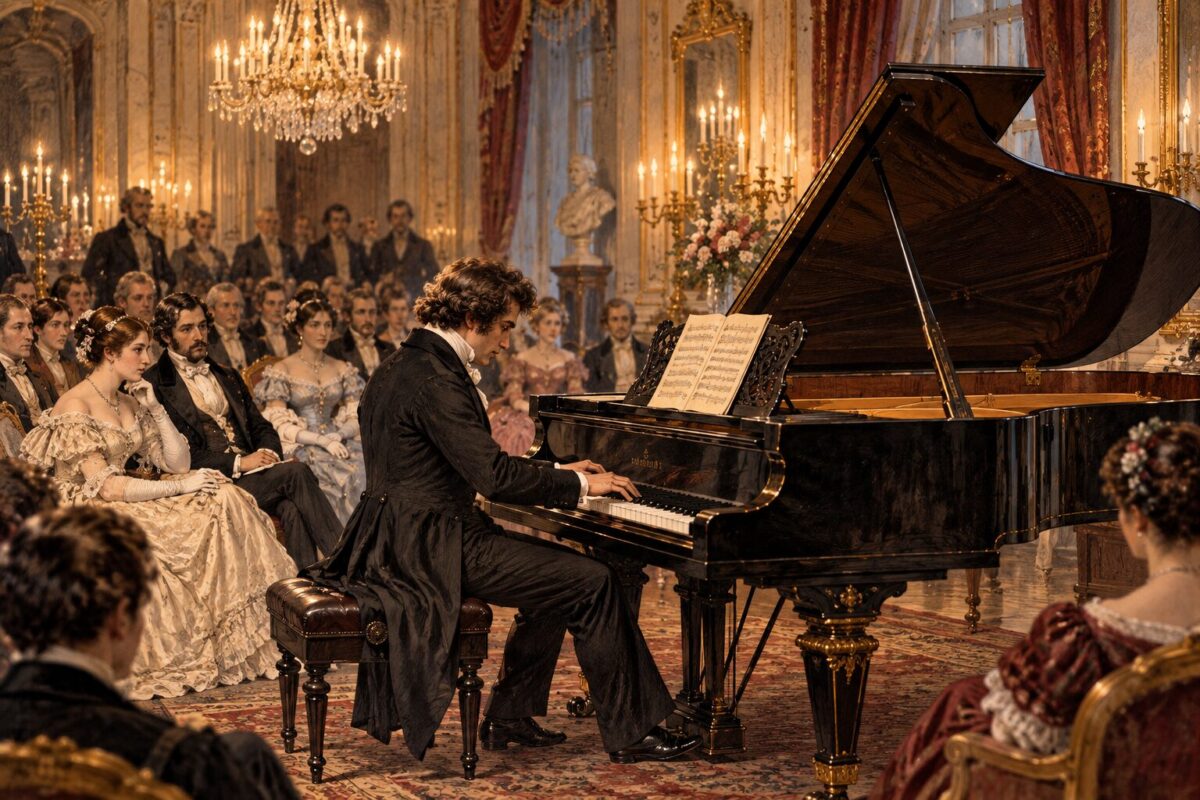
The Piano Goes to America: Ragtime, Blues and Rock ’n’ Roll
At the beginning of the 20th century, the piano took on a new identity in America. The ragtime genre, pioneered by Scott Joplin, gave the piano a syncopated and energetic character. Pieces such as ‘The Entertainer’ remain among the first works that spring to mind even today when one thinks of ragtime.
During the same period, the piano took on a completely different character in the blues and boogie-woogie genres, thanks to the repetitive bass figures played by the left hand. In the 1950s, however, artists such as Jerry Lee Lewis brought the piano onto the energetic rock ’n’ roll stage; his performances, in which he stamped his feet on the keys and even sometimes climbed onto the piano, radically transformed the instrument’s image as a ‘refined parlour instrument’.
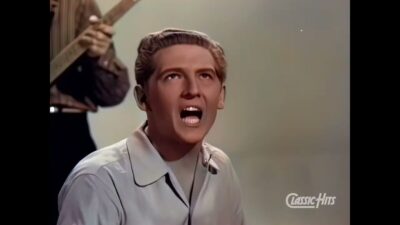
Jerry Lee Lewis – Great Balls Of Fire! (1957) (CruisinFM.com)
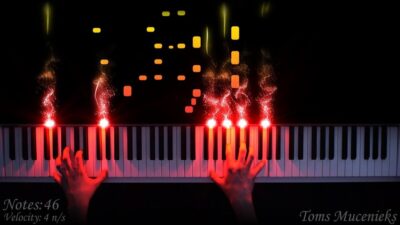
Scott Joplin – The Entertainer

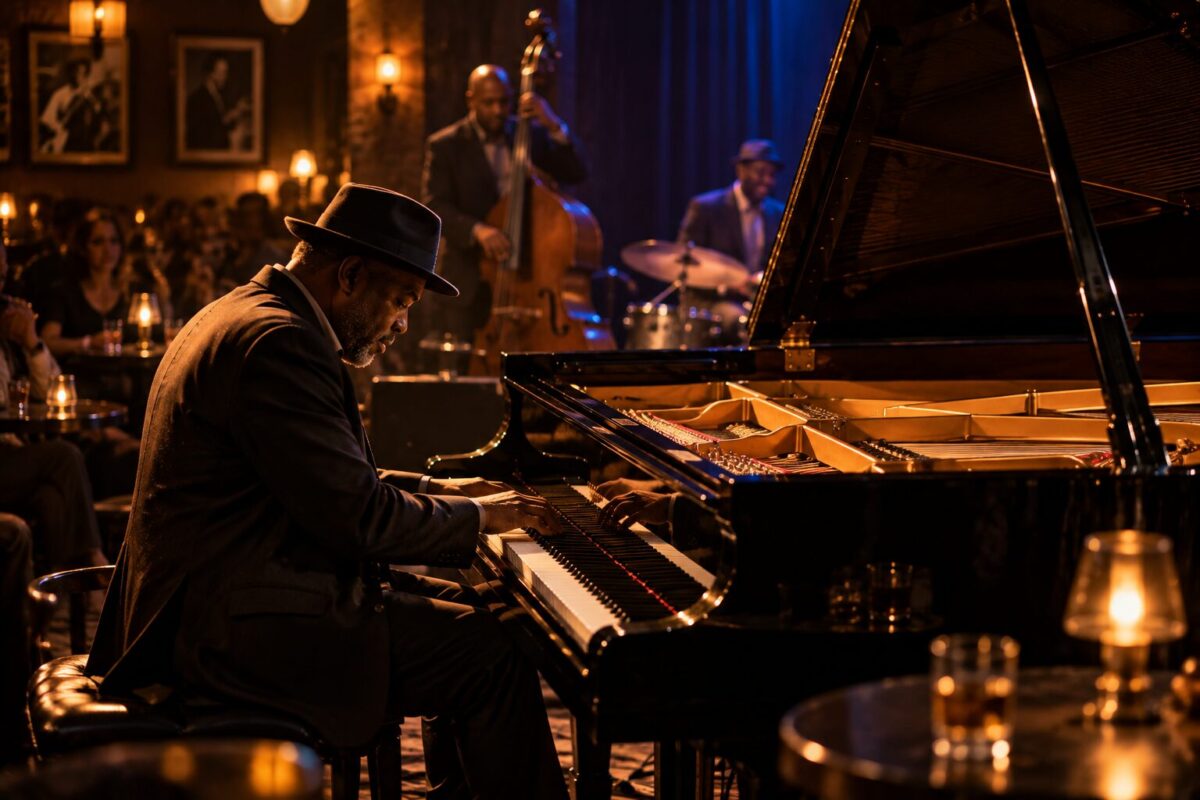
'Round Midnight – Thelonious Monk (1947)
In the world of jazz, composers such as Thelonious Monk redefined the piano with unconventional chord progressions and unexpected pauses. Pieces such as ‘Round Midnight’ have gone down in music history as one of the most original voices of jazz piano.
The Modern Era: The Piano at the Heart of Pop Music
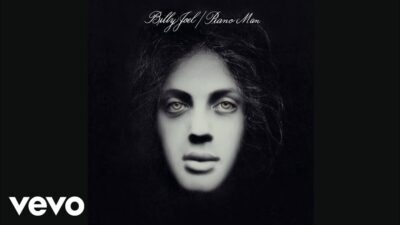
In the second half of the 20th century, the piano became an indispensable part of pop and rock music. Elton John’s ‘Your Song’ and Billy Joel’s ‘Piano Man’ are among the most beloved examples illustrating the piano’s power in songwriting.
In these songs, the piano was no longer merely an accompanying instrument, but a narrator carrying the story itself.

A Frequently Asked Question: How Many Keys Are There on a Piano?
A standard modern piano has 88 keys (52 white, 36 black). This number has not always been the case. Cristofori’s original pianos had far fewer keys, and as composers came to require a wider range of sound over time, the number of keys gradually increased. The 88-key standard became established towards the end of the 19th century and is still used on almost all modern pianos today.
The Legacy of the Piano: How Did It Survive to the Present Day?
Today, the piano remains one of the cornerstones of music education. It is the instrument of choice for teaching harmony and theory, thanks to its wide range and visual clarity. The widespread adoption of electronic keyboards and digital pianos has also made the instrument more accessible. This journey, which began three hundred years ago with a hammer mechanism, continues today as the piano remains one of the world’s most beloved and widely played instruments.
Frequently Asked Questions
The piano was invented around 1700 by the Italian instrument maker Bartolomeo Cristofori, who developed a hammer mechanism to replace the harpsichord’s quill mechanism.
The name originated as a shortened form of the instrument’s original name, ‘gravicembalo col piano e forte’ (a harpsichord capable of playing softly and loudly), which evolved over time.
Whilst the harpsichord produces a sound of constant volume by gently touching the strings with a quill, the piano produces sounds of varying volume (soft or loud) by striking the strings with hammers, depending on the speed at which the keys are pressed.
A modern piano has 88 keys; this standard became established towards the end of the 19th century.
The piano is a versatile instrument used in almost every genre of music, such as classical, jazz, blues, rock ’n’ roll and pop.
Related Posts
 What Is Classical Music? Periods, Great Composers and History
  The Life Story of Michael Jackson: The Legendary Journey of the King of Pop
  The Birth and Golden Age of the Blues: Where Pain Is Transformed into Music
  The Life Story of Elvis Presley: The Journey of the King of Rock’n Roll
  The Birth and Golden Age of Jazz: From New Orleans to the World
  Music Terms: Tempo, Harmony, Chord, Syncopation and More
  The Birth and Golden Age of Rock ‘n’ Roll: From Memphis to the World
  The Birth and Golden Age of Reggae: From Jamaica to the World