
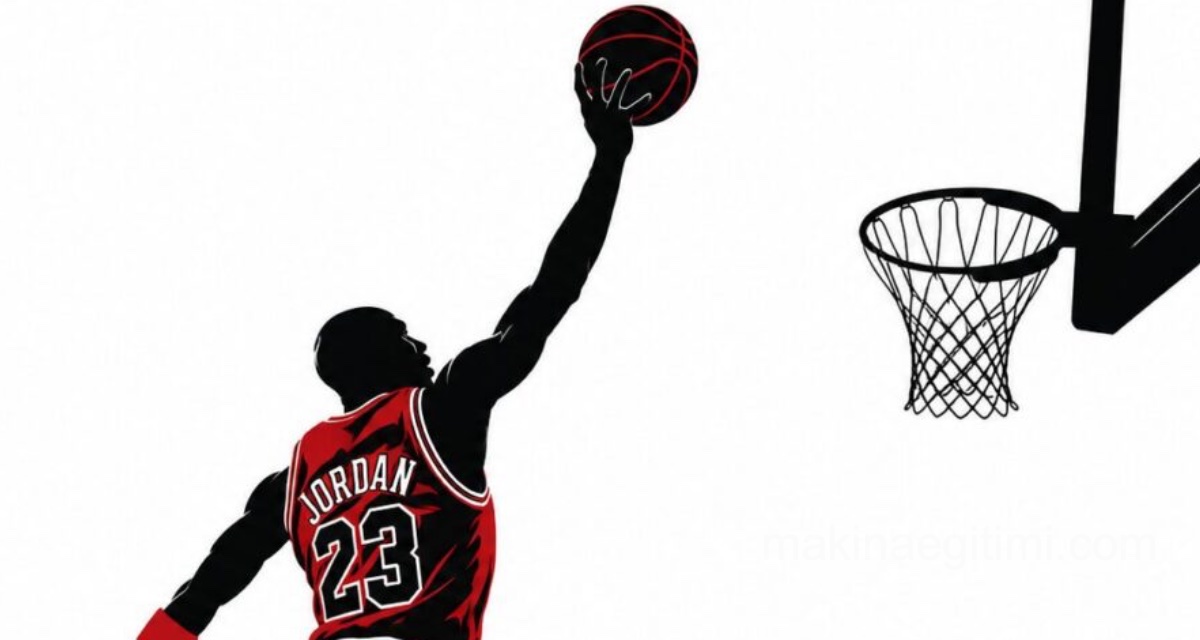
When he was a sophomore in high school, one day the list posted on the gym bulletin board was being read. A young student felt deep disappointment when he saw his name wasn’t on the varsity team roster. He went home crying that day; but at the same time, a determination was born that would shape the rest of his life. That young student was Michael Jordan, who would later be remembered as the greatest name in the history of basketball.
In this article, we’ll explore Jordan’s journey, from his childhood in North Carolina, through the history he wrote with the Chicago Bulls, to the legacy that’s still debated today.
Cut from the Team: The Starting Point of a Legend
Michael Jordan was born on February 17, 1963, in Brooklyn, but spent most of his childhood in the town of Wilmington, North Carolina. In 1978, at just 15 years old, he was cut from his high school’s varsity basketball team; the coaches found him too short and instead chose another student a year older than him.

This event became a frequently retold motivational story in Jordan’s career. Following this rejection, young Jordan increased his training with extraordinary discipline; he would go out onto the court alone in the early morning hours and shoot for hours.
A year later, having grown taller and with his game much more matured, he made the varsity team. Jordan repeatedly stated later on that this experience instilled in him the drive to “never be satisfied.”
The University of North Carolina and First Signs of Stardom
Jordan began playing basketball at the University of North Carolina (UNC), and in 1982, while still a freshman, he made his team the champion with the decisive shot he sank in the NCAA championship final. This shot was one of the first major moments that brought him national recognition.
Entering the 1984 NBA draft, Jordan was selected third overall by the Chicago Bulls; Hakeem Olajuwon and Sam Bowie were selected before him.
Bowie being selected before Jordan is still regarded today as one of the most debated “missed opportunity” decisions in NBA draft history.
The Chicago Bulls Era: The Birth of a Dynasty
Although Jordan’s early years with the Chicago Bulls were impressive individually, the team had not yet reached championship level.
However, starting in 1991, together with coach Phil Jackson‘s “triangle offense” system and a strong supporting star like Scottie Pippen, the Bulls won three consecutive championships (1991-1993).
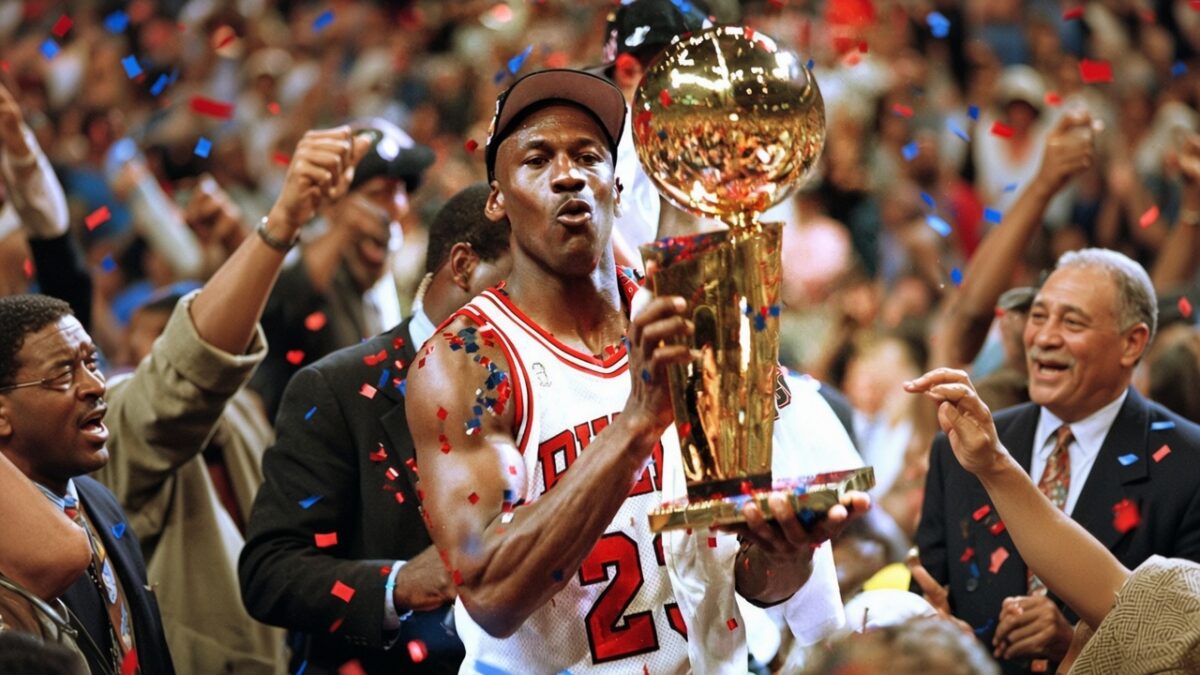
After his father James Jordan was murdered in 1993, Jordan unexpectedly left basketball and turned to professional baseball; this decision was met with great shock in the press of the time. However, in 1995, returning to the NBA with the brief press statement “I’m back,” Jordan led the Bulls to a second three-peat between 1996 and 1998. With a total of six championships and six Finals MVP awards, this era is considered one of the most dominant dynasties in basketball history.
The “Flu Game”: A Legendary Performance
In Game 5 of the 1997 NBA Finals, Jordan took the court despite suffering from a serious stomach illness (food poisoning, according to some sources) and scored 38 points to lead his team to victory. Leaving the court exhausted, leaning on teammate Scottie Pippen’s shoulder, Jordan’s performance went down in basketball history as the “Flu Game” and became one of the most striking symbols of his competitive spirit.
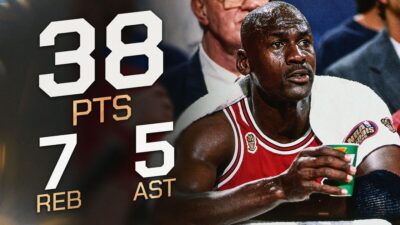 Michael Jordan's ICONIC Flu Game!
Air Jordan: A Brand Beyond the Court
Jordan’s influence wasn’t limited to the court. His 1984 agreement with Nike led to the birth of the “Air Jordan” brand; this shoe line became one of the most profitable and enduring product lines in the sportswear industry.
An interesting detail: the NBA banned Jordan’s first red-and-black Air Jordan model, deeming it a violation of uniform color rules, and fined him for every game; Nike, meanwhile, happily paid these fines, turning the incident into a major advertising opportunity.
Nike turned this ban into an ad film called “Banned,” placing the shoe’s rebellious image directly at the center of its marketing strategy; this campaign is still cited as an example in textbooks as one of the most clever moves in the history of sports marketing.
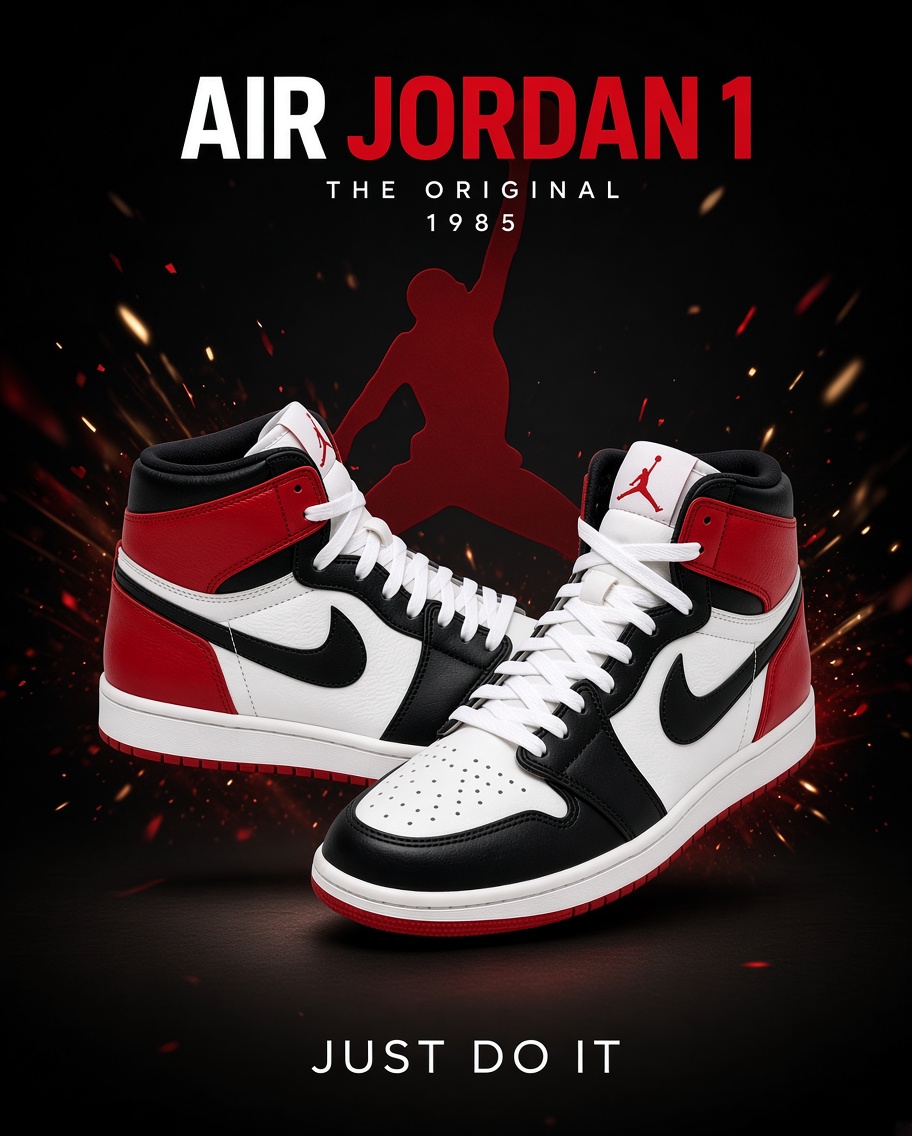
Over time, Air Jordan grew from a single shoe model into Jordan Brand, an independent sub-brand in its own right; today this brand generates billions of dollars in revenue annually with a wide range of products from apparel to accessories. Interestingly, the royalty share Jordan received from this deal made him vastly wealthier than the total income he earned from his basketball career.
A Curious Detail: Did Jordan Move to Baseball Because of Gambling?
Jordan’s first retirement in 1993 was the subject of some speculation in the media of the time; some sources suggested this decision might be connected to a desire to distance himself from NBA investigations related to Jordan’s betting habits.
However, Jordan stated that the real reason for this decision was the deep grief caused by his father’s death and a tribute to his father’s dream of playing baseball with him. The NBA’s official investigation found no rule violations.
A Character Still Discussed Today: The Legend of Competitiveness
Jordan’s competitive personality has been the subject of countless anecdotes throughout his career. It’s said that he played even the smallest basketball game against practice teammates as if it were a championship final, and that he sometimes displayed the same intense competitive drive even in ordinary card games.

The The Last Dance documentary, released in 2020, brought this character back to a wide audience once again, and revealed both Jordan’s style of motivating his teammates and his sometimes harsh attitude toward them.
His Legacy: How It Reached Today
Michael Jordan’s impact on basketball went far beyond his achievements on the court. Because of him, the NBA became a global phenomenon in the 1990s, and basketball gained millions of new fans far beyond America’s borders.
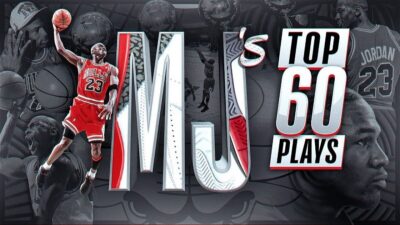
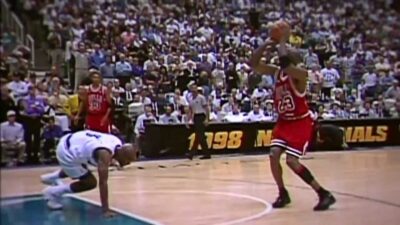
Today, many star players from LeBron James to Kobe Bryant have cited Jordan as a reference point in their careers. Even though years have passed since he left the court, his name still comes up at the center of “who’s better” debates; this makes him one of the most enduring icons not just of an era, but of basketball history itself.
Frequently Asked Questions
Yes, in 1978, at just 15 years old, he was cut from his high school’s varsity basketball team; this experience became an important source of motivation for the intense work ethic he showed later in his career.
Jordan won a total of six NBA championships with the Chicago Bulls, between 1991-1993 and 1996-1998, and was named Finals MVP six times.
Jordan temporarily left basketball for professional baseball after his father was murdered in 1993; he explained this decision as a tribute to his father’s dream of playing baseball with him.
The Flu Game is a term describing Jordan’s legendary performance in Game 5 of the 1997 NBA Finals, where he took the court despite serious illness, scored 38 points, and led his team to victory.
Air Jordan emerged from the agreement Jordan signed with Nike in 1984, and over time became one of the most enduring and profitable product lines in the sportswear industry.
Related Posts
 The Story of the Term Hat-trick: A Sports Legend Born from a Hat
 The Miracle of Istanbul: Football History’s Most Incredible Comeback
 Who Is Eric the Eel? The Funniest Moment in Olympic Swimming History
 Lionel Messi’s Legendary Body Feints
 The ‘Mosts’ of Olympic History
 Why Is Kenya So Successful at Long-Distance Running?
 What Is a Panenka Penalty? The Best Panenka Penalties
 The Jaw-Dropping Dribbles That Send Football Crowds Wild