
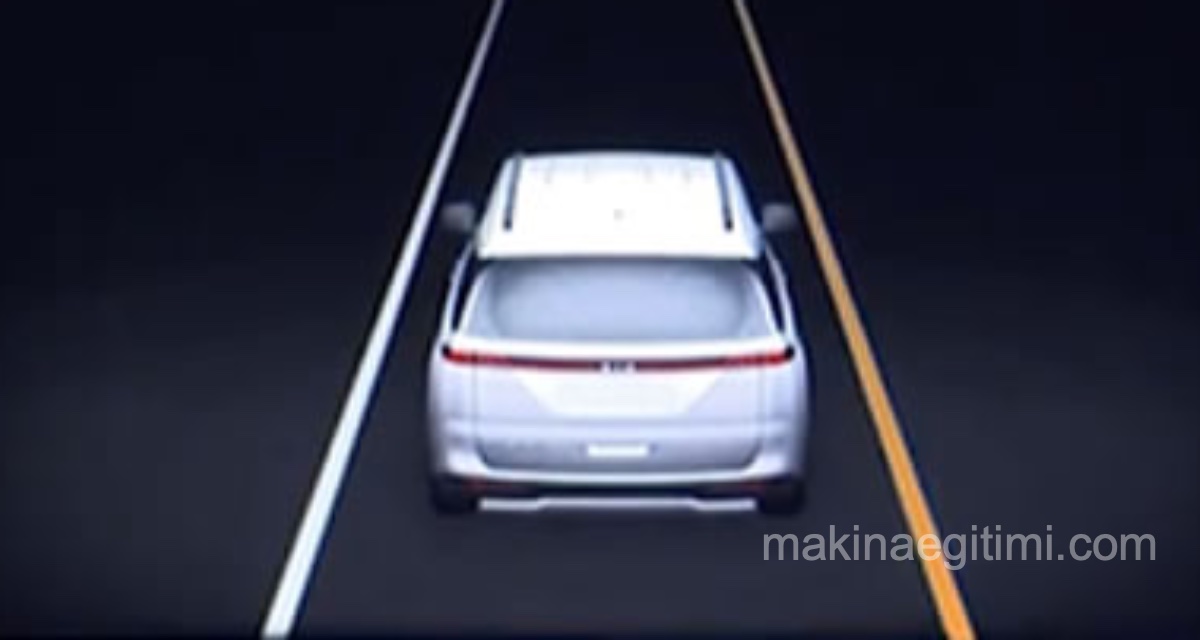
What Is Lane Keeping Assist?
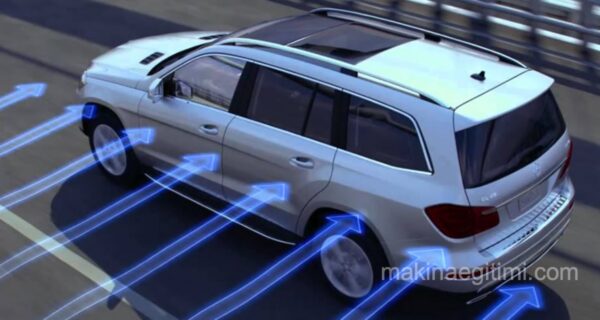
Lane Keeping Assist is a driver assistance system that keeps the vehicle in its lane. The system actively helps the driver keep the vehicle within its designated lane.
Also, long trips and straight highways increase fatigue and distraction. As a result, the driver may unintentionally drift out of the lane.

According to research, using this system can prevent 26% of road accidents. This way, the system helps prevent fatal injuries and accidents. It’s an active driver assistance system. The system continuously monitors the road. It also performs the necessary corrective steering actions.
Difference from Lane Departure Warning and Lane Centering Assist
Lane Keeping Assist is different from lane departure warning and lane centering assist. Basically, Lane Keeping Assist provides gentle corrective action by lightly steering in the opposite direction. On the other hand, Lane Centering Assist is more autonomous and quite active. In contrast, Lane Departure Warning alerts the driver but doesn’t intervene with the steering.

Components of Lane Keeping Assist
Lane Keeping Assist works via a camera. The newest generation of multi-purpose cameras combines AI (artificial intelligence) with image processing algorithms. As a result, you’ll get greater system accuracy and reliability.
Active Intervention
Lane Keeping Assist (LKA) doesn’t just warn; it applies torque to the steering wheel to automatically try to keep the vehicle within its lane.
Camera-Based Perception
The system calculates the vehicle’s position within the lane by scanning road markings many times per second using the windshield camera.
Deactivation
When the driver signals and changes lanes, the system temporarily deactivates and doesn’t intervene.
How Does Lane Keeping Assist Work?
The system uses a video camera. The camera continuously detects lane markings on the road and the vehicle’s position. If the vehicle’s distance to the lane markings falls below a certain threshold, the system engages.
The system also gives a very gentle but noticeable counter-steer via the vehicle’s electric power steering, or EPAS. If the vehicle doesn’t have EPAS, the system uses ESP to achieve the same effect by braking individual wheels.
Additionally, the driver can take back control at any time. This way, drivers can override the function at any time. If the driver activates the turn signals or intentionally changes lanes, the system doesn’t intervene. For this reason, the system is always safe and reliable.
Advantages of Lane Keeping Assist
The system actively keeps the vehicle within a marked lane. For this reason, it improves overall safety by making early decisions. Gentle counter-steering also keeps the driver alert and prevents accidents in case of distraction. This way, the driver always stays within the marked lane. The system can perform its function using either EPAS or ESP. Therefore, a vehicle with either existing system can include this function.
Related Questions
Lane keeping assist makes a light correction once the vehicle starts to leave its lane. Lane centering assist, on the other hand, works more continuously and actively, trying to keep the vehicle centered in the middle of the lane at all times.
Researchers compare accident statistics for vehicles with these systems against vehicles without them. Studies have found that these types of systems significantly reduce accidents caused by leaving the lane.
Related Posts
 Electronic Damping System (EDS) in Vehicles
 What is ESP (Electronic Stability Programme) and how does it work?
 What Is Garage Park Assist, How Does It Work?
 Drive By Wire Technology in Vehicles
 What Is TCS in Vehicles? What Does It Do? How Does It Work?
 What Is Traffic Sign Assist. How Does It Work
 What Is Home Zone Park Assist, How Does It Work?
 What Is Crosswind Assist in Vehicles. How Does It Work