
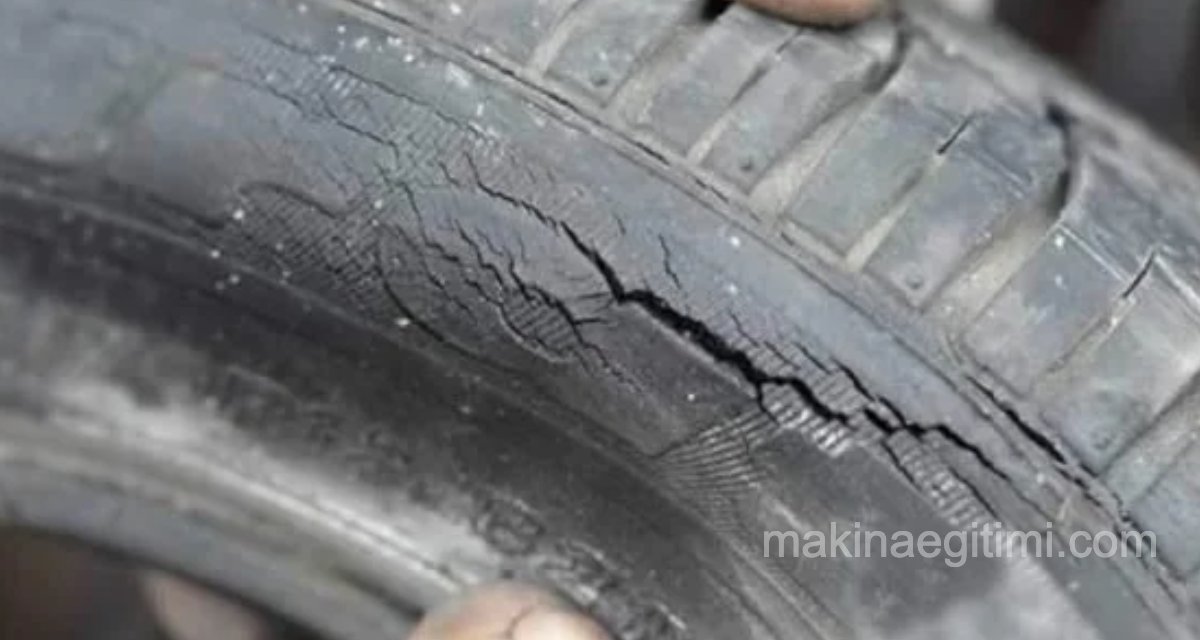
We’ll continue our vehicle maintenance articles with car tires. Why does a car tire rot? Why does a car tire crack. We’ll look at what can be done to prevent tires from rotting.
A tire may look perfect from a distance, but look closely and you’ll see plenty of signs of wear and tear on the surface. This is normal — especially if the tire’s grooves have flattened out over time. However, if you see small or surface cracks, that’s a problem. Often called tire rot, these small, hairline-thin cracks that grow over time can significantly reduce the tire’s life and its performance on the road.

Why Does a Car Tire Crack?
What causes tire cracking and rot?
- Ozone and ultraviolet rays
- Man-made chemicals
- Oxidation
- Bad driving habits

UV Rays
This may explain why urban areas, with lots of pollution mixing with ozone gas and solar radiation, have more issues with tire cracking or rot.
Man-Made Chemicals
Your tires have built-in protective layers, but if you constantly use harsh detergents and other cleaning chemicals on them, these layers can peel away. This exposes them to radiation, ozone gases, and other harsh elements that can cause small, light cracks to appear.

Oxidation
This is an inevitable process. As tires age, they lose their elasticity, much like an apple ripens and eventually rots.
That said, higher temperatures make the oxidation process even worse, so living somewhere hotter and drier makes you more prone to increased cracking in your tires.
Bad Driving Habits
Rapid acceleration and scraping against concrete (sudden braking, sudden starts, etc.) can age your tires prematurely, making them prone to damage and rot. Another cause of increased cracking in tires is driving with under-inflated or over-inflated tires, which puts strain on the tire’s sidewall.
Effect of UV Rays
UV rays in sunlight are among the most important factors that cause tire rubber to harden and crack over time.
Ozone-Related Wear
Ozone gas in the air accelerates a chemical breakdown process that leads to micro-cracks on the tire surface.
Keeping Correct Pressure
Low tire pressure causes the sidewalls to flex excessively, increasing the risk of premature cracking.
How to Prevent Tire Cracking
Good Driving Habits and Maintenance Practices.
You can reduce your vehicle’s risk of a tire blowout by adopting safe driving and good driving habits. This is connected to things like not making sudden stops on the road, not scraping your tires against the curb while parking, keeping your tires filled with the correct amount of air, and cleaning your tires with non-abrasive materials.

Use Your Tires
Don’t park your car in the garage all year; your car’s tires are manufactured for regular use. If you don’t drive your car for a long time, your tires will lose their flexibility. To preserve their flexibility for much longer, drive at least once a month.
Use a Tire Protectant
There are many tire protectants that help reduce damage from ozone and ultraviolet radiation. They usually coat the tire to add another extra protective layer.
Ideally, it’s best to choose water-based protectants, but you can also choose oil-based ones as long as their ingredients don’t include harsh chemicals.
Replace Your Tires
Many manufacturers recommend replacing tires 10 years after purchase. Of course, if you’re subjecting the tires to a lot of daily stress and harsh elements, this period can be shorter.
Related Questions
Ozone gas and ultraviolet rays chemically break down the protective layer on the tire surface over time. Combined with urban pollution, these effects speed up the formation of hairline-thin cracks on the tire surface.
Tires have a natural layer that protects them, and harsh chemicals can wear away this protective layer. As the layer weakens, the tire becomes more vulnerable to outside factors and starts cracking faster.
Related Posts
 How Is a Diesel Particulate Filter Cleaned
 Why Does an Engine Misfire? Engine Misfire Problem
 How to Prevent an Engine From Burning Too Much Oil
 Vehicle Dashboard Warning Lights and Their Meanings, Illustrated
 What is OBD-II? How do you read vehicle fault codes?
 How to Tell the Fuel Pump Has a Fault? Diagnosis
 How to Choose Engine Oil
 What Is an Intake Manifold? Its Job, and Diagnosing a Fault