Close Menu
  • MAKİNELER ve İMALAT
    • Tools & Equipment
    • Computer-Aided Drawing
    • CAD/CAM Education
    • CNC Machine Programming
    • Casting Technologies
    • Electrical & Electronics Technologies
    • Hydraulics & Pneumatics
    • Manufacturing Processes
    • Manufacturing Technologies
    • Occupational Safety
    • Mold & Die Design
    • Solid Modeling
    • Welding Technology
    • Machine Elements
    • Mechanical Trade Drawing
    • Materials Science
    • Automotive & Vehicle Technologies
    • Robotics Technologies
    • Health Technologies
    • Defense & Aerospace Technologies
    • Descriptive Geometry
    • Technical Drawing
    • Software & Hardware Technologies
    • Innovative Manufacturing Methods
  • TEKNOLOJİ ve YAŞAM
    • OTOMOBİLLER ve TAŞIT
      • Vehicle & Engine Knowledge
      • Safe Driving
      • Sürüş Destek Sistemleri
    • Genel Kültür
      • Movies & TV Shows
      • Görsel ve Grafik Sanat
      • Books & Literature
      • Music
      • Sports
      • History
      • History of Technology
    • GÜNDELİK YAŞAM TEKNOLOJİLERİ
    • Hobbies & Entertainment
    • Internet Technologies
    • Health
    • Mobile Technologies
Makine Eğitimi
  • Machines & Manufacturing
    Machine Elements
    Hydraulics & Pneumatics
    Technical Drawing
    Computer-Aided Design & Manufacturing
    Basic Manufacturing Processes
    Manufacturing Processes
    Industry Technologies
    Other Technical Courses
    Motion & Power Transmission
    Simple Machines
    Chains & Sprockets
    Shafts & Journals
    Gears
    Cams
    Couplings
    Belts & Pulleys
    Springs
    Bearings
    Keys
    Fastening Joining
    Retaining Rings
    Screws, Bolts & Nuts
    Cotter Pins
    Flanges
    Welding
    Rivets
    Pins & Bolts
    Washers
    Calculators
    Gear Ratio Calculator
    Spring Constant Calculator
    Belt Pulley Ratio Calculator
    Other Machine Elements
    Slides & Linear Guides
    Brakes
    Flywheels
    Clamps
    Shock Absorbers
    Gaskets & O-Rings
    Seals & Sealing Elements
    Hydraulics
    Introduction to Hydraulics & Principles
    Hydraulic Systems & Applications
    Accumulators
    Filters
    Motors
    Pumps
    Valves
    Pneumatics
    Introduction to Pneumatics & Principles
    Pneumatic Systems & Applications
    Pneumatic Circuit Components
    Valves
    Cylinders
    Silencers
    Motors
    Compressors
    Dryers
    Conditioning Units
    Common Topics & Maintenance
    Hydraulic & Pneumatic Maintenance
    Study Notes, Exams & Tests
    Technical Drawing
    Introduction to Technical Drawing
    Geometric Drawings
    Perspective & Projection
    Orthographic Views
    Dimensioning
    Sectioning
    Assembly & Detail Drawings
    Tolerances
    Surface Finish Symbols
    Mechanical Engineering Drawing
    Screws, Bolts & Nuts
    Pulley Drawings
    Gear Drawings
    Shafts & Journals
    Bearing Drawings
    Pins & Bolts
    Spring Drawings
    Welds in Technical Drawing
    Washers
    Cotter Pins
    Technical Drawing Exercises
    Mechanical Drawing Exercises
    Gear Exercises
    View Extraction Exercises
    Pulley Exercises
    Pin & Bolt Exercises
    Threaded Fastening Exercises
    Descriptive Geometry
    Computer-Aided Drawing
    AutoCAD Drawing Lessons
    Solid Modeling & Animation
    Solid Model Drawing Files
    Solid Model Assembly Examples
    Solid Model Drawing Lessons
    3D CAD Software Reviews
    Solid Modeling Exercises
    CNC Programming
    CAM
    Measurement & Inspection
    Dial Indicators
    Calipers
    Gauges
    Micrometers
    Materials Science
    Steels
    Cast Iron
    Aluminum
    Plastics
    Material Testing & Hardness Measurement
    Occupational Safety
    Workshop Safety
    Safety When Working With Electricity
    Machine Safety Rules
    Hand Operations
    Filing
    Marking
    Cutting Operations
    Reaming
    Tapping
    Threading With a Die
    Drill Bit Sharpening
    Working With Machines
    Basic Turning Operations
    Basic Milling Operations
    Shaper Machine
    Machining
    Turning
    Milling
    Grinding
    Innovative Manufacturing Methods
    EDM (Electrical Discharge Machining)
    Laser Machining
    Waterjet Machining
    3D Printing
    3D Scanners
    Welding
    Rolling
    Casting
    Mold & Die Design
    Mechanical & Hydraulic Presses
    Blanking & Piercing Dies
    Bending Dies
    Drawing Dies
    Plastic Injection Molds
    Extrusion Dies
    Compound Dies
    Progressive Dies
    Blow Molds
    Spinning Dies
    Spray Molds
    Manufacturing of Machine Parts
    Automotive & Vehicle Technologies
    Motor Vehicle Manufacturing
    Raw Material Production
    History of Technology
    Health & Medical Technologies
    Defense & Aerospace
    Robotics Technologies
    Software & Hardware Technologies
    Mechanics - Strength of Materials
    Physics Topics
  • Technology & Life
    Hobbies & Entertainment
    Sports
    Music
    Vehicle & Engine Knowledge
    Vehicle Maintenance & Repair
    Safe Driving
    Driver Assistance Systems
    History
    Movies & TV Shows
    Books & Literature
    Computers & Internet
    Computer Tips
    Software Reviews
    Hardware & Peripherals
    Practical & Safe Internet Use
    Visual & Graphic Art
    Mobile Technologies
    Travel
    Science
    Health
    First Aid Knowledge
    Everyday Technologies
Makine Eğitimi
Home»Hydraulics & Pneumatics»What Are the Differences Between Hydraulic and Pneumatic Systems?
30 August 2026

What Are the Differences Between Hydraulic and Pneumatic Systems?

Comparison of hydraulic and pneumatic power transmission systems
the difference between hydraulic and pneumatic systems

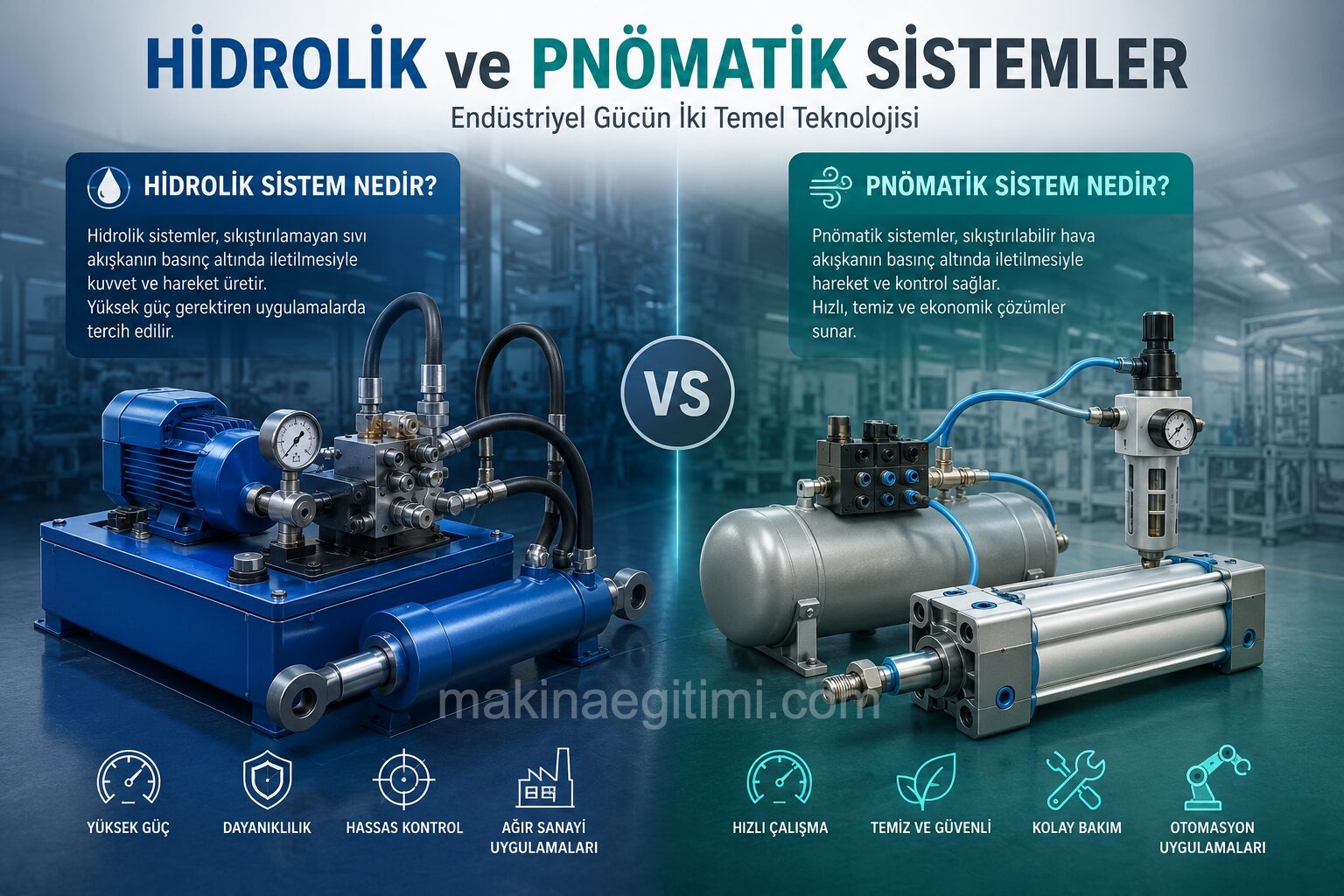
Hydraulic and pneumatic systems are two of the most common power transmission methods we encounter in daily life and industry. Both convert an energy source into mechanical motion, but the fluid they use and their working principles are completely different. In this article, we’ll cover the fundamental differences between hydraulic and pneumatic systems, their advantages/disadvantages, and which one should be preferred in which situation.

  • What Is a Hydraulic System?
  • What Is a Pneumatic System?
  • Key Differences
    • 1. Fluid Used
    • 2. Force and Pressure
    • 3. Speed
    • 4. Precision and Control
    • 5. Cost and Maintenance
    • 6. Cleanliness and Safety
  • Comparison Table
  • Which System Should Be Chosen and When?
  • Conclusion

What Is a Hydraulic System?

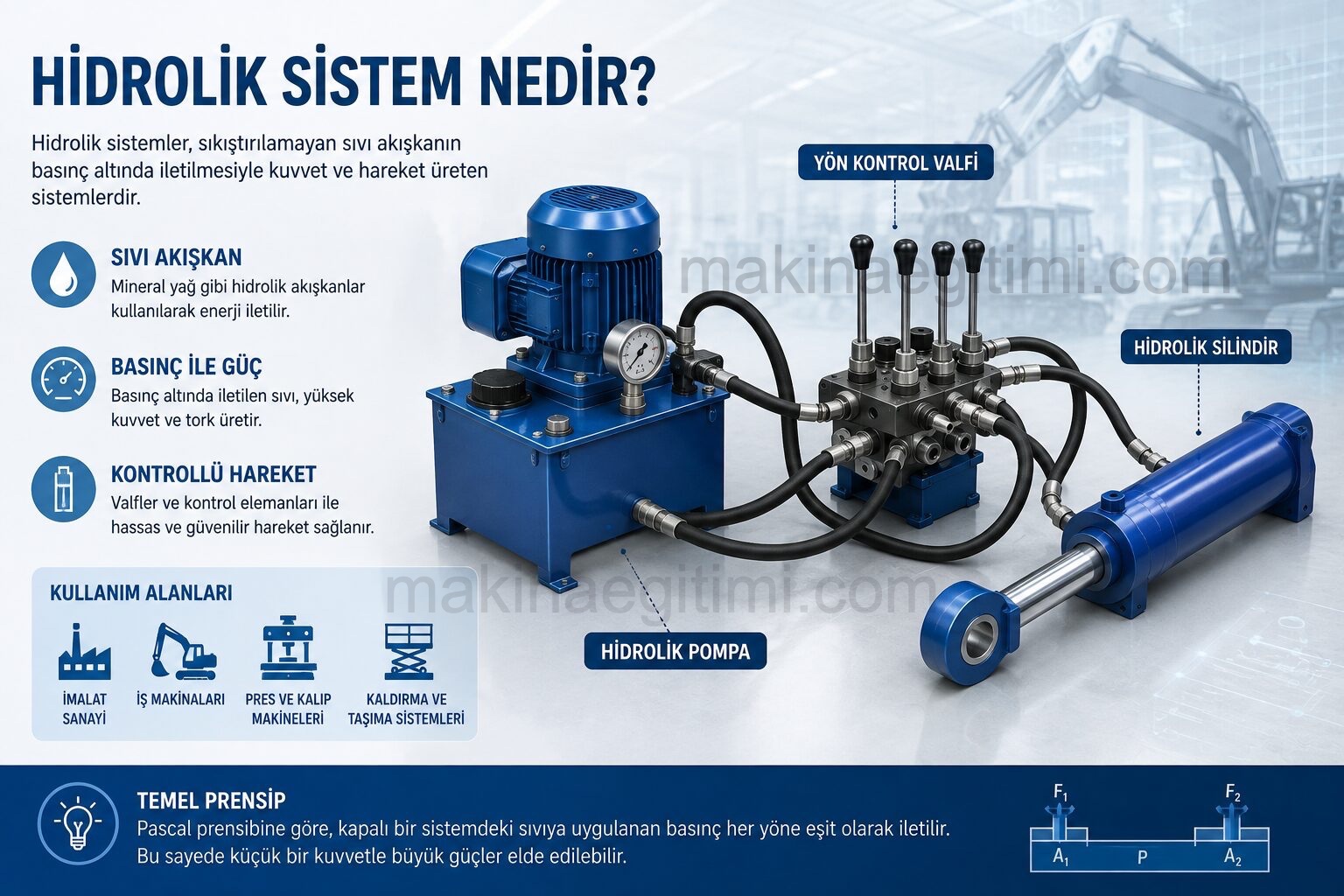
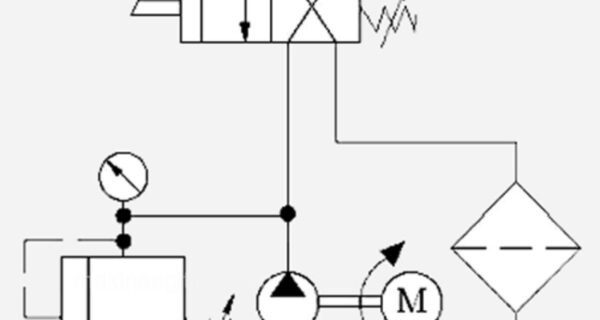
Hydraulic systems use oil (hydraulic fluid), an incompressible fluid, to transmit power. Oil pressurized with the help of a pump is directed through pipes and hoses to cylinders or hydraulic motors.
what is a hydraulic system

Because the fluid is incompressible, hydraulic systems can both generate very high forces and provide precise, stable motion control. This is why hydraulic systems are widely used in heavy machinery (excavators, cranes, presses), aircraft landing gear, injection molding machines, and heavy industrial equipment.

What Is a Pneumatic System?

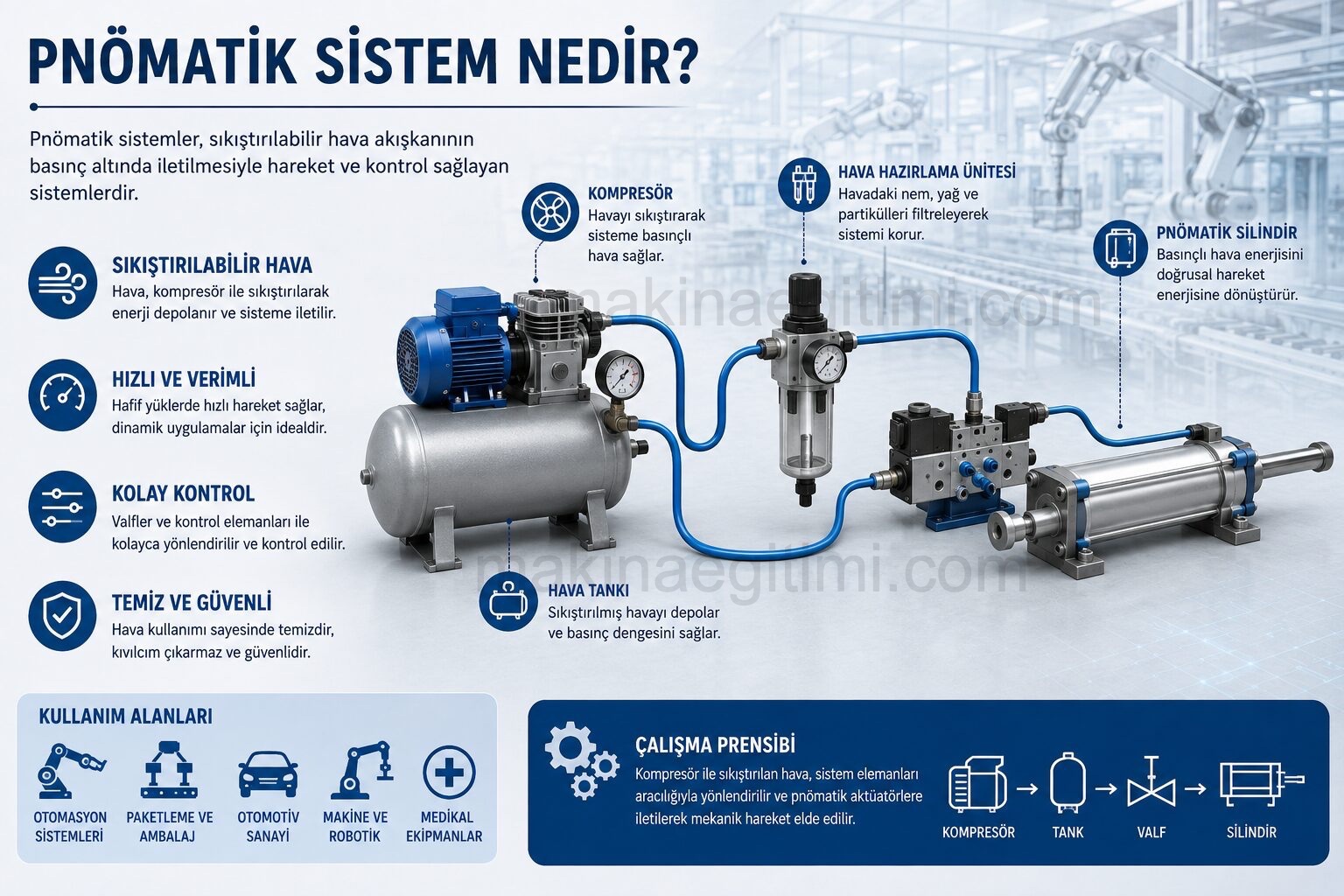
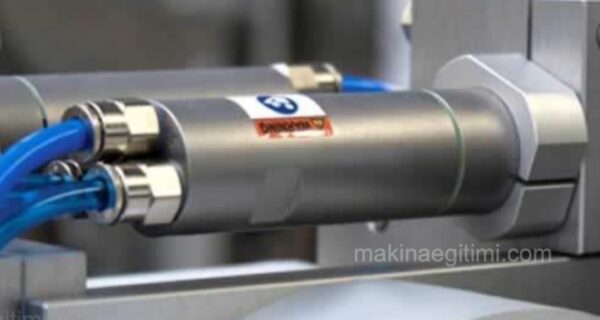
Pneumatic systems, on the other hand, use compressed air to transmit power. Air pressurized with the help of a compressor is sent through valves to pneumatic cylinders or motors. Since air is a compressible fluid, pneumatic systems don’t offer as precise force control as hydraulics, but they can move much faster.
what is a pneumatic system

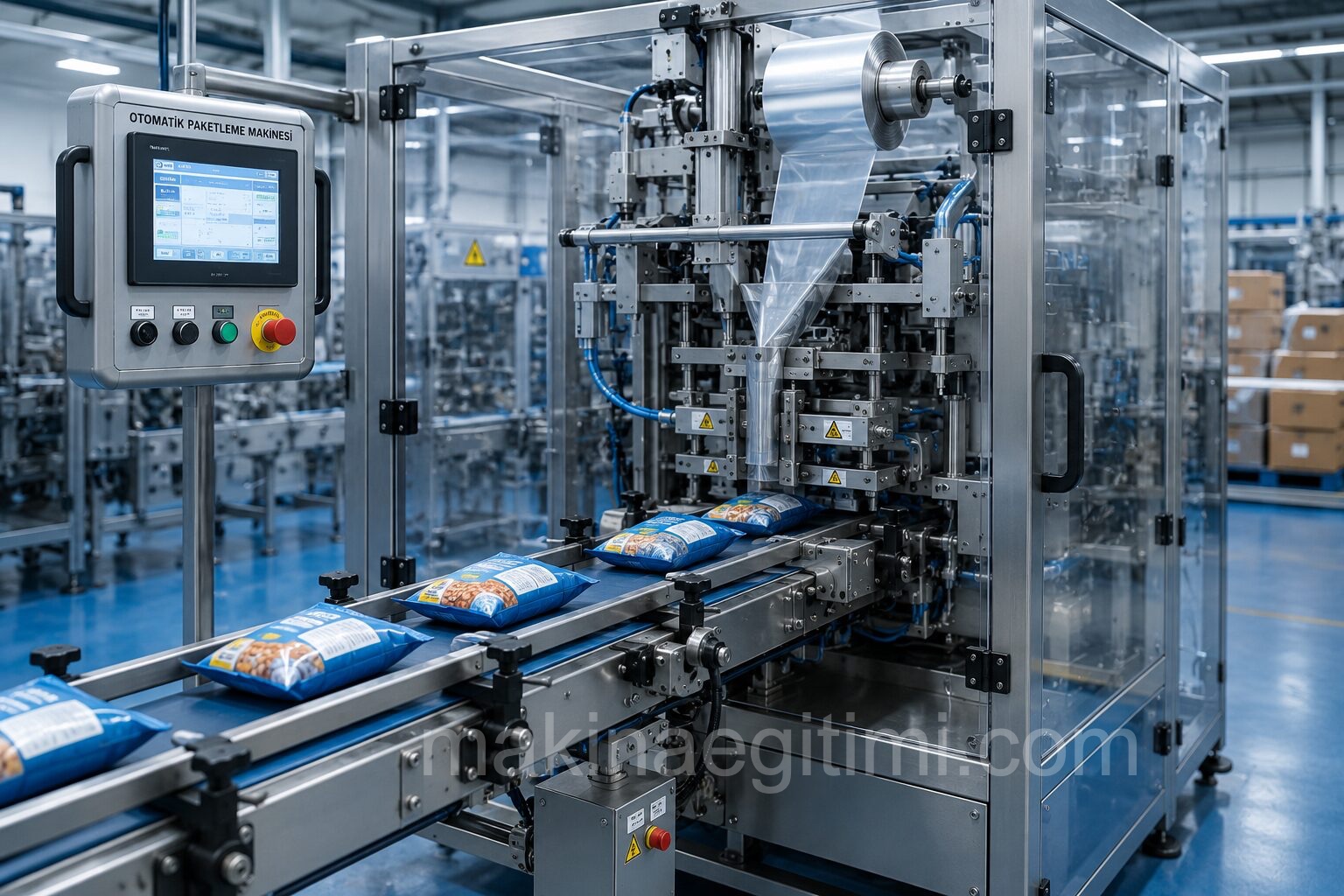
Pneumatic systems are preferred in automation lines, packaging machines, assembly robots, and pressurized air tools (drills, grinders, spray guns).

Key Differences

1. Fluid Used

Hydraulics use oil, pneumatics use air. Oil is incompressible, while air is compressible. This single difference is the fundamental reason that determines the entire behavior of the two systems.

2. Force and Pressure

Hydraulic systems can operate at very high pressures, such as 100-350 bar, allowing enormous forces to be achieved even from a small cylinder. Pneumatic systems generally operate in the 6-10 bar range, so the force they produce is much more limited compared to hydraulics.

3. Speed

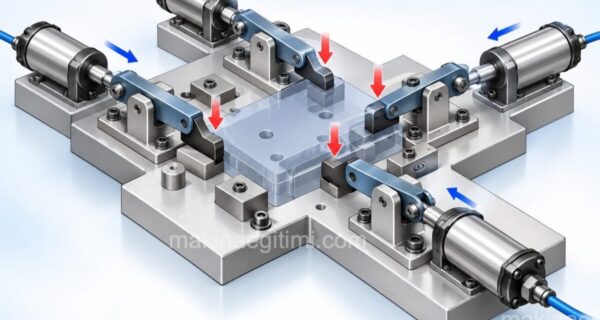
The compressibility of air allows pneumatic components to move much faster than hydraulic ones. This is why pneumatics are preferred for fast, repetitive, and lightly loaded tasks (such as pushing a part along a conveyor belt).

key differences between hydraulic and pneumatic systems

4. Precision and Control

Because oil is incompressible, position and speed control in hydraulic systems is much more precise. In pneumatic systems, because air is compressible, small delays and flexibility can be observed at the start and end of motion.

5. Cost and Maintenance

The installation and maintenance cost of pneumatic systems is generally lower; an air leak is not as polluting or dangerous as an oil leak. Hydraulic systems, on the other hand, require sturdier pipes/hoses, sealing components, and periodic oil maintenance due to the high pressure involved, which increases costs.

6. Cleanliness and Safety

In pneumatic systems, a leak only releases air into the environment; in hydraulic systems, however, an oil leak can cause both environmental pollution and workplace accidents due to slipperiness. For this reason, pneumatic systems are preferred in food and clean-room applications.

Comparison Table

FeatureHydraulicPneumatic
FluidOil (incompressible)Air (compressible)
Typical pressure100-350 bar6-10 bar
ForceVery highLow-medium
SpeedMediumHigh
PrecisionHighMedium
CostHighLow
Typical useHeavy machinery, pressesAutomation, assembly lines

Which System Should Be Chosen and When?
excavator bucket

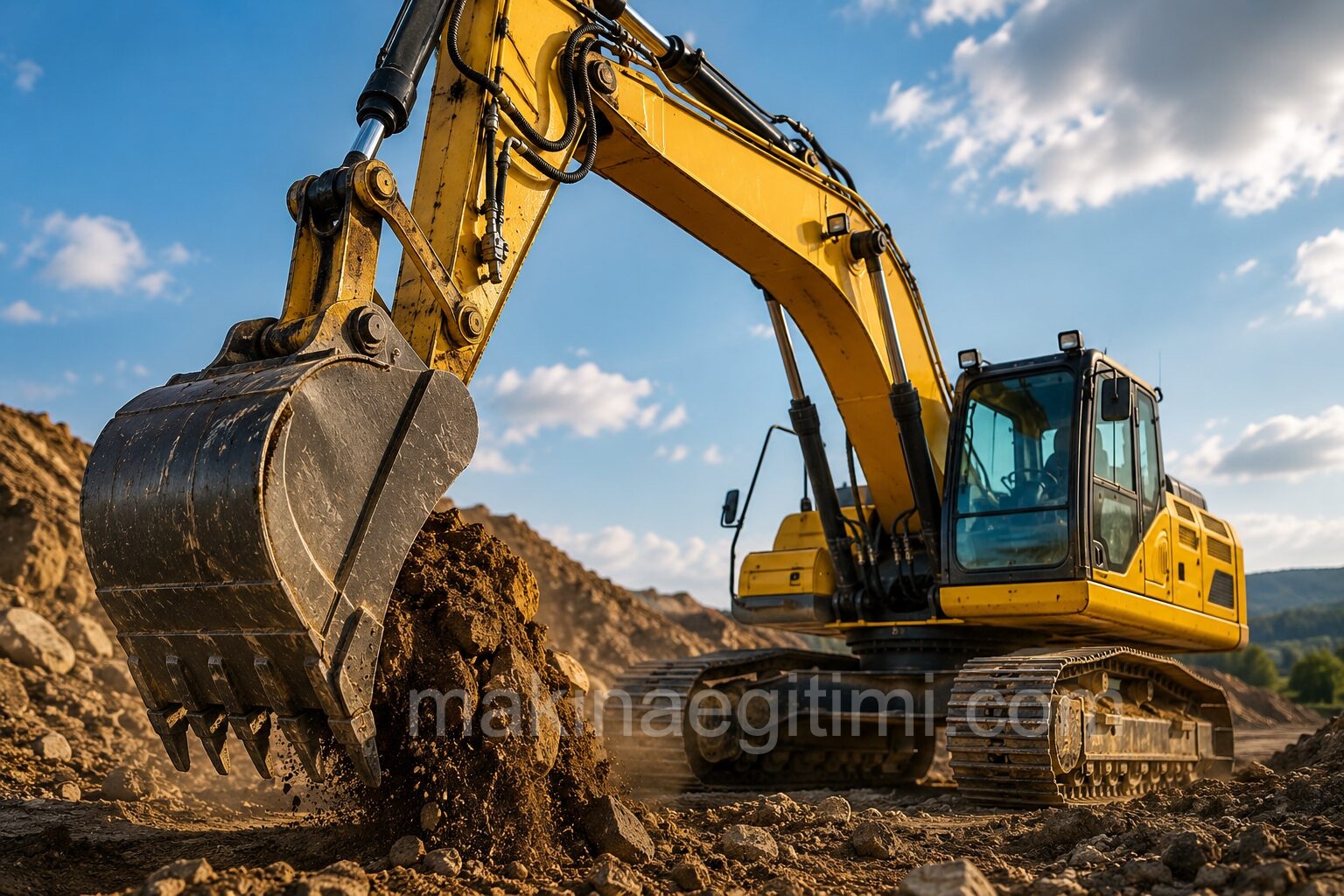
If the task requires high force and precise control (such as a hydraulic press shaping metal, or an excavator moving its bucket), a hydraulic system is the right choice.
packaging machine

If the task is fast, repetitive, and relatively lightly loaded (pushing/pulling parts on an assembly line, opening/closing doors, packaging), a pneumatic system offers a more economical and practical solution. In many modern production facilities, in fact, both systems are used together: heavy and precise tasks are handled by hydraulics, while fast and light tasks are handled by pneumatics.

Conclusion

Hydraulic and pneumatic systems aren’t rivals to each other, but two different power transmission methods that complement one another. Both are based on fluid mechanics, but the compressibility of the fluid used determines the character of the entire system. Which system to choose should be evaluated based on factors such as the required force, speed, precision, cost, and environmental conditions.

Related Posts

hydraulic technician safety rules General Safety Rules for Hydraulic Technicians Pnomatik Susturucu Nedir, Ne işe yarar ? What Is a Pneumatic Muffler, What Does It Do? hydraulic return line filter What Is a Hydraulic Return Filter. Return Line Filters Maintenance of Pneumatic Systems Maintenance of Pneumatic Systems Types of Pneumatic Motors Types of Pneumatic Motors Pneumatic Application Examples, Sample Circuits Pneumatic Application Examples, Sample Circuits Hidrolik Motorların Avantaj ve Dezavantajları Advantages and Disadvantages of Hydraulic Motors symbol of a pressure line filter with a bypass valve Hydraulic Pressure Line Filter Explained
Introduction to Hydraulics & Principles Introduction to Pneumatics & Principles
Share. Facebook Twitter WhatsApp Tumblr Email Telegram Copy Link

Leave A Reply Cancel Reply

Inspection and Replacement Times for Vehicle Parts
The Fall of Constantinople: A City’s Downfall, an Era’s Dawn
  • Contact
  • Terms of Service
  • Privacy & Cookie Policy

Type above and press Enter to search. Press Esc to cancel.