Robotic technology in Türkiye has entered a period of growth in recent years, with domestic ventures coming to the fore in a wide range of areas from the defense industry to industrial automation, from educational technologies to waste management. In this article, we look at the leading ventures and projects in Türkiye’s robotics ecosystem, along with the state-backed strategic framework that supports them.

Industrial Robotics: Domestic Robot Arm Production
One of Türkiye’s most notable ventures in industrial robotics is the GRASS project, launched in 2021 within Altınay Robot Technologies under the Ministry of Industry and Technology’s Hamle Program. The project aims to design and manufacture industrial robot arms and their critical subcomponents — such as servo motors, reducers, and motor drivers — entirely with domestic capabilities.
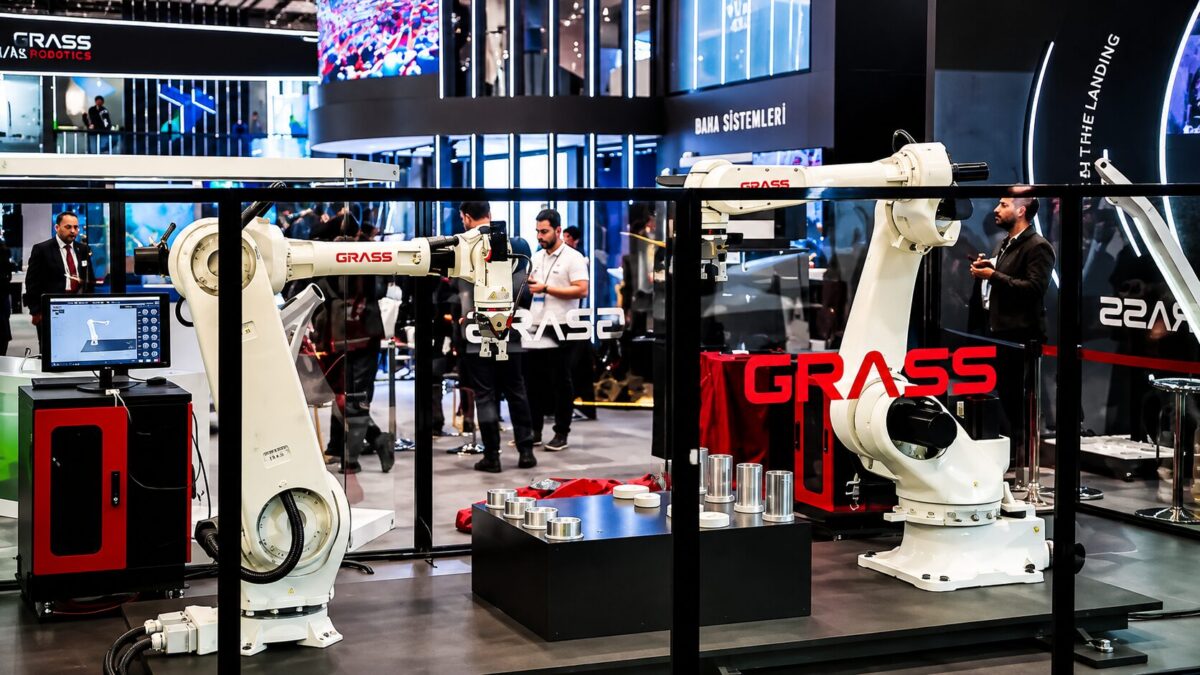
The SR40 and SR80 model industrial robots developed under the GRASS project were unveiled at the SAHA Istanbul fair in 2026, aiming to meet global standards with a wide working envelope and high repeatability precision. This initiative stands out as a strategic step aimed at reducing Türkiye’s dependence on foreign robot manufacturers in the field of industrial automation.
Autonomous Systems in the Defense Industry
Türkiye’s most internationally recognized field in robotic technology is unmanned aerial vehicles and autonomous defense systems. The UCAV platforms developed by Baykar and the work of companies such as STM (Defense Technologies Engineering) in autonomous systems and artificial intelligence reflect the engineering accumulation of the Turkish defense industry in robotic technology.
Since developments in this field are closely related to drone technology, they were covered in more detail in an earlier article in this series; this article instead focuses on the civilian and industrial aspects of Türkiye’s robotics ecosystem.
Rising Ventures in Physical Artificial Intelligence
In Türkiye’s technology startup ecosystem, the number of companies combining artificial intelligence with physical hardware is increasing. Among these ventures, Büyütech has become a supplier within the automotive ecosystem by developing advanced driver assistance systems (ADAS), driver monitoring, and situational awareness solutions.
The company has received support from investment sources such as the “T3 GSYF” and the “Technology and Innovation Fund,” and has showcased its products at international technology fairs.
Another notable example, Loopbot, aims to digitalize waste sorting processes through AI-powered robotic systems, and plans to adapt the technology it has developed to sectors such as food processing, mining, and textiles, in addition to waste management.
Companies such as NCT Robotic are also among the domestic ventures that stand out for combining artificial intelligence with hardware.
University-Based Robotics Ventures and Educational Projects
Technoparks in Türkiye play an important role in the development of university-originated robotics ventures.
Autonomous system studies carried out within the Boğaziçi Technopark ecosystem, supported by the TÜBİTAK Individual Young Entrepreneurship (BiGG) Program, are among the notable examples in this area.
AEMrobot Robotic Systems Inc., which is supported by this program, aims to contribute to digital transformation in educational technologies through its R&D-focused projects and to close the theoretical-practical imbalance in engineering education.
A robot named “Cuma,” developed through a collaboration between Bursa Uludağ University’s Faculty of Engineering and Biorobotec within Ulutek Technopark, is designed for robotics coding education. It is being equipped with AI-powered image processing, language parsing, and emotion recognition skills, with the goal of turning it into a humanoid bionic assistant robot.
Such projects offer students, from primary school through university, the opportunity to directly experience the working logic of robotics and autonomous systems through domestic infrastructure.
State Policy: Türkiye’s Artificial Intelligence Action Plan
Türkiye’s strategic orientation in robotics and artificial intelligence technologies has been given an official framework through the Türkiye Artificial Intelligence Action Plan for the 2026-2030 period, prepared by the Ministry of Industry and Technology.
In this plan, which identifies 16 priority actions under four axes, it is stated that patient safety, clinical suitability, and ethical evaluation processes for healthcare support robots will be addressed separately. The plan also aims to strengthen Türkiye’s position as a producer country in autonomous driving technologies by developing the infrastructure, regulations, and test environments that support fully autonomous driving.
This framework is expected to play a decisive role in providing the regulatory and financial support needed for the growth of domestic ventures in the field of robotic technology.
Conclusion
Beyond its international recognition in the defense industry, robotic technology in Türkiye is becoming a multifaceted ecosystem — spanning industrial robot production, physical artificial intelligence ventures, university-based education projects, and state-supported strategic planning.
 SAHA 2026 Uluslararası Savunma, Havacılık ve Uzay Sanayi Fuarı – 4K
Industrial ventures like the GRASS project, AI-powered hardware companies like Loopbot and Büyütech, and regulatory frameworks like the Türkiye Artificial Intelligence Action Plan stand out as concrete reflections of Türkiye’s goal of reducing external dependence in robotic technology and taking part in global competition.
Related Companies (External Links)
- Altınay Technology Group / Altınay Robot Technologies: https://altinay.com/tr
- Baykar: https://baykartech.com
- STM Defense Technologies Engineering and Trade Inc.: https://www.stm.com.tr
- Büyütech Technology: https://buyutech.com.tr
- Loopbot: https://www.loopbot.co
- NCT Robotic: https://nctrobotic.com/tr/
- Biorobotec Bionic Robot Technologies Inc. (developer of the “Cuma” robot): https://www.biorobotec.com
Related Videos

STM: The powerhouse behind Türkiye’s defence revolution

Baykar Makina Tanıtım Filmi – Kale-Baykar UAV Systems
Türkiye'de robotların efendisi – Altınay Robot Teknolojileri – Robot Technologies – Savunma Sanayi

Inside Büyütech: Pioneering Automotive Camera Innovation
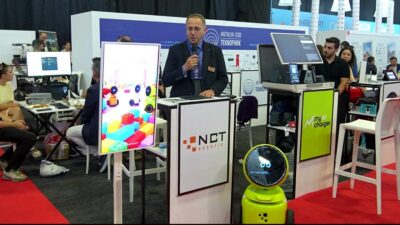
Tourism Start-up Zone u0026amp; Demoday- NCT Robotik

Tomyris vatandaşlık istiyor
Frequently Asked Questions
GRASS is a project launched in 2021 within Altınay Robot Technologies, aiming to manufacture industrial robot arms and their critical subcomponents, such as servo motors and reducers, entirely with domestic capabilities.
The Altınay Robot Group is among the leading domestic manufacturers in this field, with the SR40 and SR80 model industrial robots it developed under the GRASS project.
Loopbot is a Turkish venture that digitalizes waste sorting processes using AI-powered robotic systems, and aims to adapt this technology to sectors such as food processing, mining, and textiles.
Covering the 2026-2030 period, this plan places ethical and clinical evaluation processes for healthcare support robots, as well as infrastructure development for autonomous driving technologies, among its priority actions.
University-based technoparks such as Boğaziçi Technopark and Ulutek Technopark, supported by the TÜBİTAK BiGG Program, enable the development of projects such as robotics coding education and humanoid assistant robots.
Related Posts