

In this article, we’ll cover how maintenance is performed on pneumatic systems, what the maintenance intervals are for pneumatic systems, what needs to be done during daily, weekly, monthly, and 6-monthly maintenance, and what to watch for in pneumatic system maintenance.
Maintenance of Pneumatic Systems
The components used in a pneumatic circuit should be inspected at regular intervals in accordance with the manufacturer’s recommendations. As a result of maintenance and repairs carried out on daily, weekly, monthly, and yearly schedules, any system components that are no longer functioning will be replaced with new ones, ensuring the system as a whole operates efficiently.
Daily Maintenance for Pneumatic Systems
Condensed water in the filter should be drained. If the oil level in the lubricator’s reservoir has dropped below the line, oil of the appropriate type should be added. The oil level should stay above the minimum level. Specific components of the system should be lubricated as specified.
Weekly Maintenance for Pneumatic Systems
Clean the moving parts of the valves. Inspect and service the spools. Replace any faulty component. Check the air hoses and pipes. Repair any leaks. Remove any metal particles or debris found inside them.
Check the tightness of the hose connections. Check the pressure regulator with a pressure gauge. Check whether the lubricator is working properly and adjust it via the screw to drip 5 drops of oil per minute.
Monthly Maintenance for Pneumatic Systems
Inspect all the connecting screws on the compressed-air lines.
If there are any leaks, replace the relevant component.
Check the exhaust lines of the valves. Inspect for leaks in the valves while the system is in its normal position.
Clean the filters and wash the filter elements with kerosene. Clean the filter by blowing air through it from the opposite direction of flow.
Check the air inlet and outlet lines on the cylinders.
Replace any gaskets and seals that are no longer doing their job.
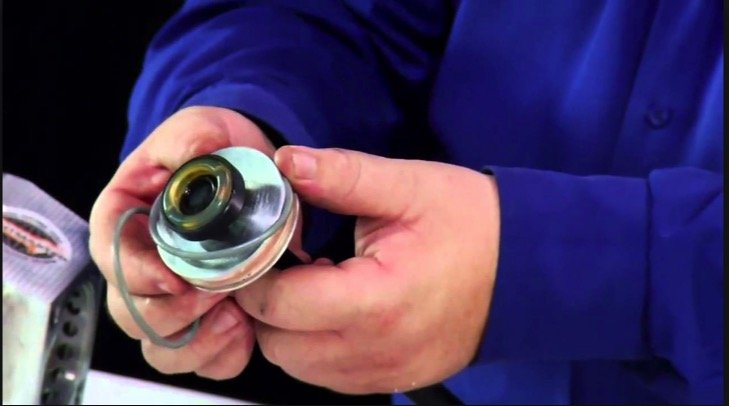
One of the important aspects of maintenance in pneumatic systems is checking the sealing components.
6-Monthly Maintenance for Pneumatic Systems
Check the guide bearings and bushings of the piston rods. Replace them if worn.
Replace the sealing elements if necessary. Replace the mufflers if damaged.
Moisture Separator Maintenance
If moisture separators in pneumatic systems aren’t drained regularly, the accumulated water can cause corrosion.
Lubricator Level Check
Lubrication units require regular oil level checks to reduce friction between moving parts.
Filter Cleaning
Regularly cleaning air filters is necessary to maintain system pressure and extend component life.
Related Questions
Moisture accumulating in compressed air condenses into water in the filter. If this water isn’t drained, it can travel further into the system and cause corrosion or faulty valve operation.
Some problems (like moisture buildup) develop quickly, while others (like part wear) develop more slowly. Different intervals let each problem be checked at a frequency matching how fast it actually develops, avoiding both unnecessarily frequent maintenance and neglect.
Related Posts
 Hydraulic Pump Selection Criteria
  AND Valve Explanation and Applications
  Safety Rules for Workers on Hydraulic and Pneumatic Machines
  What Is an Orifice in Flow Control Valves?
  Pneumatic Motor Selection
  Hydraulic System Applications in Machine Tools
  Hydraulic Applications – Pressure Reducing Valve
  Pneumatic Dryers and Air Drying Methods