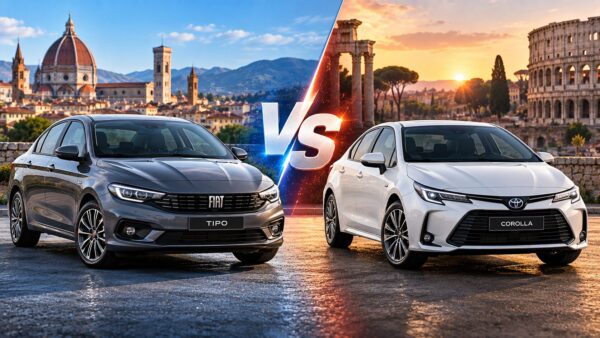

Few cars carry a reputation like the Toyota Corolla. It is the best-selling nameplate in automotive history, and for decades it has been the default answer to a simple question: “What car should I buy if I just want something that works?” The 2026 Corolla sedan continues that tradition with a choice of a 2.0-liter gas engine or a 1.8-liter hybrid, available all-wheel drive on the hybrid, and a long list of standard safety technology.
In this review, we answer the questions buyers search for most: Is the Toyota Corolla a good car? Should you buy the gas or the hybrid? How many miles per gallon does the Corolla really get? Which Corolla trim is the best value? And what are the most common Toyota Corolla problems? From specs and comfort features to maintenance costs and resale value, here is everything you need to know before you buy.
Engines and Performance: Gas vs Hybrid
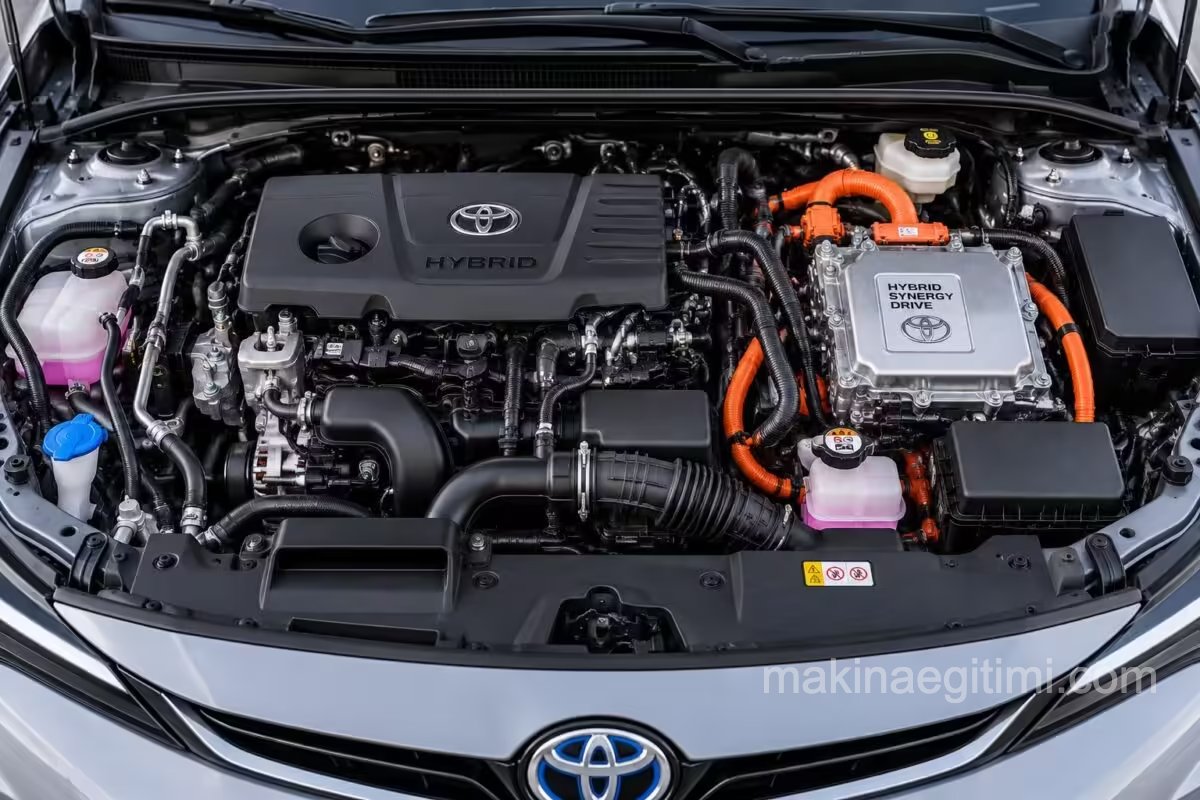
The 2026 Corolla sedan is offered with two powertrains. Both are four-cylinder engines, and both drive the front wheels as standard.
Corolla 2.0L Gas
Engine: 2.0-liter naturally aspirated 4-cylinder (Dynamic Force)
Horsepower: 169 hp at 6,600 rpm
Torque: 151 lb-ft at 4,400 rpm
Transmission: CVT with a physical launch gear
Drivetrain: Front-wheel drive
Trims: LE, SE, XSE
Corolla Hybrid 1.8L
Engine: 1.8-liter 4-cylinder with Toyota’s fifth-generation hybrid system
Combined system output: 138 hp
Transmission: Electronically controlled CVT (eCVT)
Drivetrain: Front-wheel drive, or Electronic On-Demand AWD on LE and SE
Trims: Hybrid LE, Hybrid SE, Hybrid XLE
On paper the gas Corolla is the more powerful car, and you feel it on the highway. The 2.0-liter engine pulls with more confidence when merging or passing, and the CVT’s physical first gear gives it a crisp, natural-feeling launch from a stop. The hybrid trades some outright power for instant electric torque at low speeds, which makes it feel quick and smooth in city traffic.
Neither version is a sports sedan. Both are tuned for efficiency, comfort and smoothness rather than speed. Buyers who want real performance should look at the Corolla’s sportier siblings or other models in the class.
Toyota Corolla MPG: How Much Fuel Does It Really Use?
Fuel economy is where the Corolla shines, especially the hybrid. Here are the EPA-estimated figures for 2026:
Corolla LE (gas): 32 city / 41 highway / 35 combined mpg
Corolla SE and XSE (gas): 31 city / 40 highway / 34 combined mpg
Corolla Hybrid LE and XLE (FWD): 53 city / 46 highway / 50 combined mpg
Corolla Hybrid SE (FWD): 50 city / 43 highway / 47 combined mpg
Corolla Hybrid LE (AWD): 51 city / 44 highway / 48 combined mpg
Corolla Hybrid SE (AWD): 47 city / 41 highway / 44 combined mpg
The pattern is clear. In stop-and-go city driving, the hybrid is in a different league, because it can run on electric power at low speeds and recover energy every time you brake. On long highway trips the gap narrows, but the hybrid still comes out ahead.
Even the gas Corolla is very efficient for a non-hybrid compact sedan. Still, if most of your driving is in town or suburban traffic, the hybrid will pay back its higher purchase price faster than you might expect. The hybrid’s fuel tank holds 11.4 gallons, which is smaller than the gas model’s tank, but its efficiency more than makes up for it in total range.
Dimensions, Interior Space and Trunk
Length: About 182 inches
Wheelbase: About 106 inches
Seating: 5 passengers
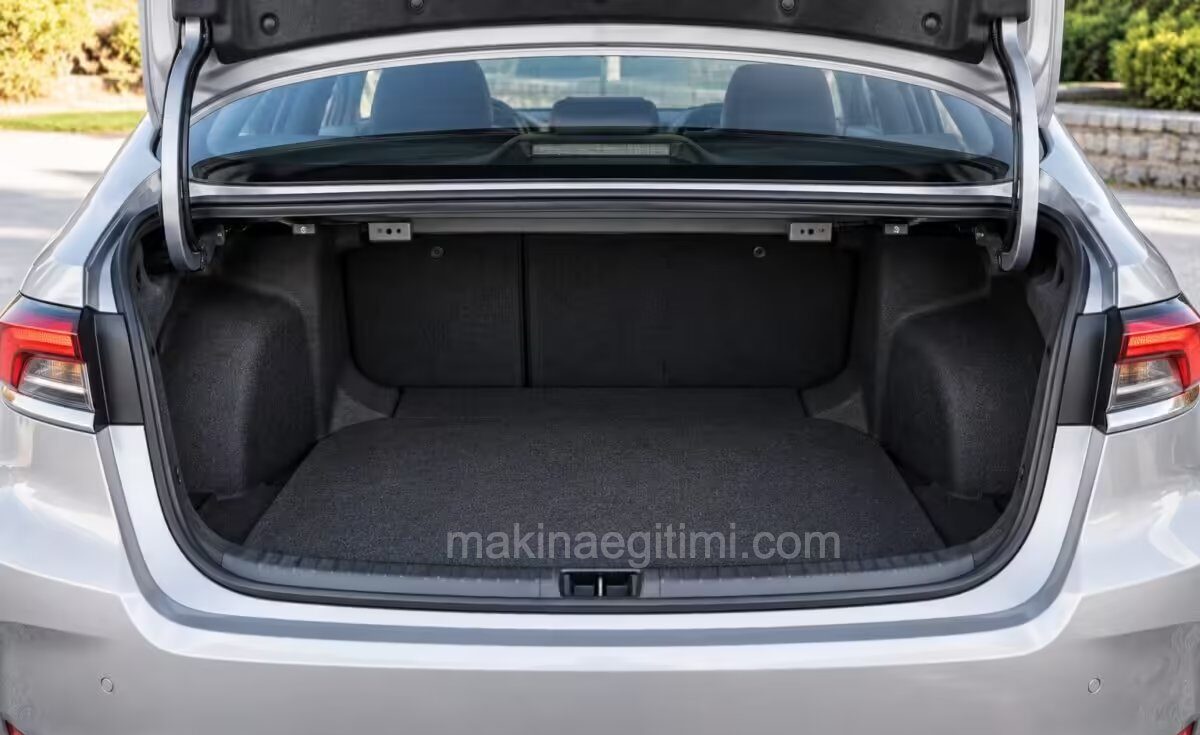
Trunk space: About 13 cubic feet
Rear seats: 60/40 split-folding
The Corolla is a true compact sedan. Front-seat space is comfortable for most adults, and rear legroom is better than many buyers expect. Rear headroom is the weak spot. The sleek, sloping roofline means taller passengers may brush their heads in the back seat on longer trips.
The trunk is adequate for weekly grocery runs and a couple of suitcases, but it is not the largest in its class. Rivals such as the Honda Civic and Hyundai Elantra offer more cargo room. One advantage of the hybrid: Toyota places the hybrid battery under the rear seat, so the Corolla Hybrid does not lose trunk space compared with the gas model.
Trims Explained: Which Corolla Should You Buy?
Corolla LE (Gas) and Hybrid LE
The LE is the value pick, and for 2026 it is better equipped than ever.
8-inch touchscreen with wireless Apple CarPlay and Android Auto
7-inch digital gauge cluster
Toyota Safety Sense 3.0
Blind Spot Monitor with Rear Cross-Traffic Alert
Safe Exit Assist
Automatic climate control
Cloth seats with a 6-way manual driver’s seat
Available AWD on the Hybrid LE
Corolla SE and Hybrid SE
The SE adds a sportier look and feel.
18-inch alloy wheels (gas SE)
Sport-tuned suspension and sport fabric seats
Available 10.5-inch touchscreen
Available AWD on the Hybrid SE
Corolla XSE (Gas) and Hybrid XLE
The top trims add the comfort features many buyers want.
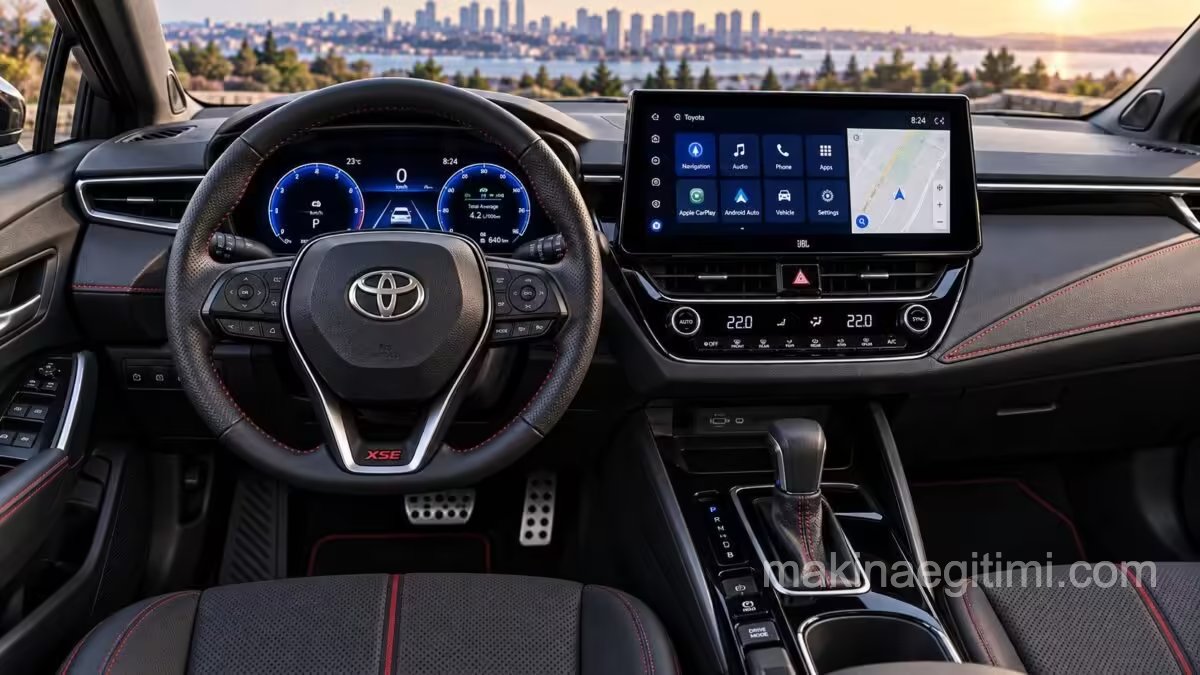
10.5-inch touchscreen
12.3-inch digital gauge cluster
SofTex-trimmed heated front seats
8-way power-adjustable driver’s seat
Power tilt/slide moonroof
Wireless phone charging
Available 9-speaker JBL premium audio
Our pick: For most buyers, the Hybrid LE is the sweet spot of the lineup. It delivers the best fuel economy, the full safety suite including blind spot monitoring, and the option of AWD for snowy climates. Buyers who want heated seats, a power driver’s seat and a moonroof should go straight to the XSE or Hybrid XLE.
Comfort Features: What the Corolla Has and Doesn’t Have
| Sunroof / moonroof | Power tilt/slide moonroof on XSE and Hybrid XLE. No panoramic glass roof |
| Heated front seats | Standard on XSE and Hybrid XLE, not offered on LE |
| Ventilated (cooled) seats | Not available |
| Heated steering wheel | Not available |
| Power seats | 8-way power driver’s seat on XSE and Hybrid XLE only. Passenger seat is manual on all trims |
| Auto-dimming rearview mirror | Available on higher trims |
| Automatic climate control | Standard |
| Drive modes | Eco, Normal and Sport. Hybrids add an EV mode for short, low-speed electric driving |
| Wireless charging | Available on higher trims |
| Digital gauge cluster | Standard on every trim (7-inch or 12.3-inch) |
| Premium audio | Available 9-speaker JBL on XSE and Hybrid XLE |
The Corolla covers the essentials well, but don’t expect near-luxury features. Ventilated seats, a heated steering wheel and power passenger seats are not available on any trim, while some rivals offer them at the top of their lineups.
Ride, Handling and Noise
The Corolla rides on Toyota’s TNGA-C platform, which gives it a low center of gravity and a planted, predictable feel on the road. The ride is comfortable and composed on most pavement, and the steering is light and accurate in town.
The SE and XSE trims, with their sport-tuned suspension and 18-inch wheels, feel a little sharper in corners but transmit more of the road’s imperfections into the cabin. If ride comfort is your priority, the LE and Hybrid trims on smaller wheels are the better choice.
Cabin noise is well controlled at city speeds, and the hybrid is especially quiet when running on electric power. Under hard acceleration, both powertrains let some engine drone into the cabin, a common trait of CVT-equipped cars. At highway speeds, road and tire noise are noticeable but typical for the class.
Safety Features
Safety is one of the Corolla’s strongest selling points. Every 2026 Corolla comes standard with Toyota Safety Sense 3.0, which includes:
Pre-Collision System with Pedestrian Detection
Full-Speed Range Dynamic Radar Cruise Control
Lane Departure Alert with Steering Assist
Lane Tracing Assist
Road Sign Assist
Automatic High Beams
Proactive Driving Assist
For 2026, Toyota also made Blind Spot Monitor with Rear Cross-Traffic Alert and Safe Exit Assist standard on every trim, including the base LE. That is a meaningful upgrade, because many competitors still reserve blind spot monitoring for higher trims.
Common Toyota Corolla Problems and Reliability
The Corolla’s reputation for reliability is well earned, and this generation is no exception. Still, owners do report a few recurring complaints.
Engine and CVT drone: The most common complaint is noise rather than failure. Both the gas and hybrid models can sound strained under hard acceleration because the CVT holds the engine at high rpm.
Rear-seat headroom: Not a defect, but a frequent complaint from families with taller teenagers or adults riding in back.
12-volt battery drain on hybrids: Like many Toyota hybrids, the Corolla Hybrid’s small 12-volt battery can go flat if the car sits unused for long periods.
Hybrid battery cooling filter: The hybrid battery’s cooling fan draws air from inside the cabin, near the rear seat. If the intake filter clogs with dust or pet hair, the battery can run warmer than it should. Having it checked during routine service is a good habit.
Brake noise and minor rattles: Some owners report squealing brakes and small interior rattles over time.
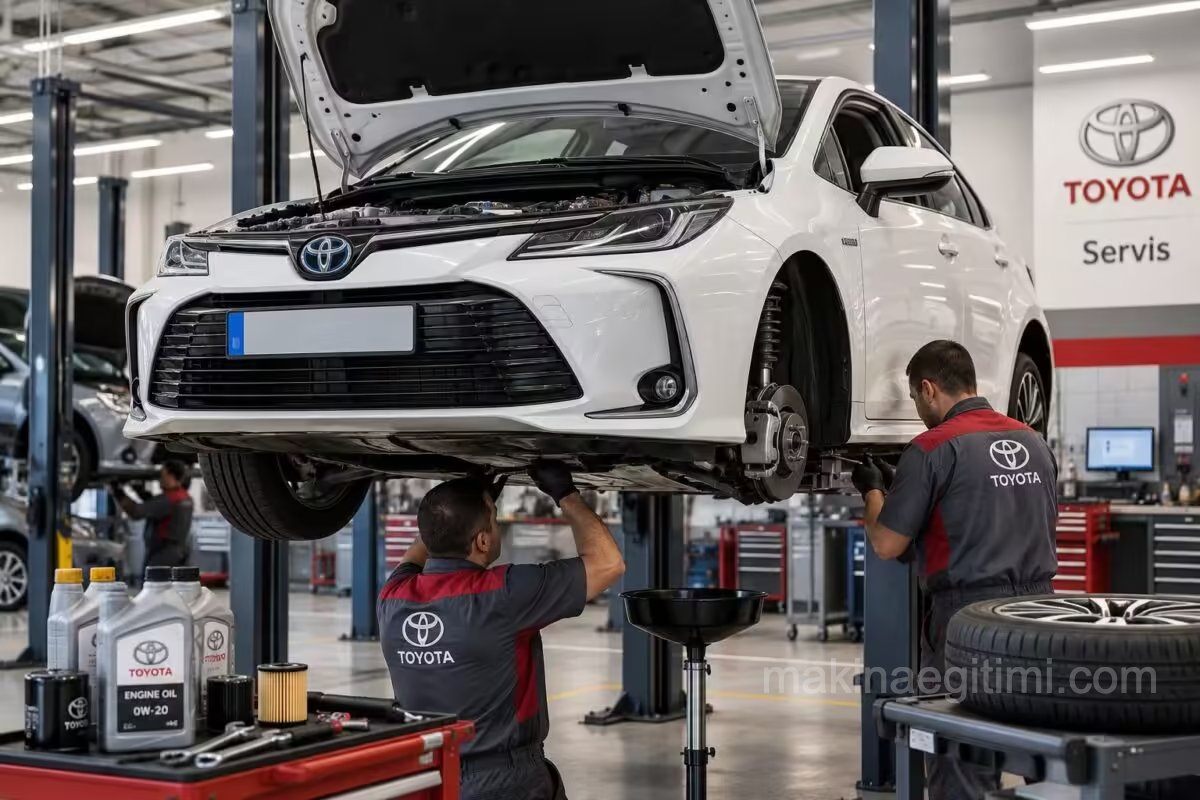
Overall, the hybrid is the most trouble-free version of the Corolla. Toyota’s 1.8-liter hybrid system has been refined over many years and millions of vehicles, and it eliminates several traditional wear items, such as a conventional starter motor and alternator.
Maintenance Costs and Warranty
The Corolla is one of the least expensive cars to own and maintain in its class. Routine maintenance is simple: oil changes, tire rotations, filters and inspections. New Corollas also come with ToyotaCare, Toyota’s complimentary scheduled maintenance plan for the first two years or 25,000 miles, whichever comes first.
The hybrid offers additional long-term savings. Regenerative braking takes much of the load off the brake pads, so they often last significantly longer than on a gas car. The eCVT is also mechanically simpler than a conventional automatic transmission.
Warranty coverage is strong:
Basic coverage: 3 years / 36,000 miles
Powertrain: 5 years / 60,000 miles
Hybrid components: 8 years / 100,000 miles
Hybrid battery: 10 years / 150,000 miles
That 10-year hybrid battery warranty addresses one of the biggest worries shoppers have about buying a hybrid, especially a used one.
Parts and Service Availability
Because the Corolla is so common, parts are plentiful and affordable, both from Toyota dealers and the aftermarket. Toyota’s dealer network is one of the largest in the country, and virtually any independent mechanic knows how to work on a Corolla. Hybrid-specific repairs are best handled by a dealer or a hybrid-experienced shop, but they are rarely needed.
Resale Value
The Corolla is one of the best cars you can buy for resale value. Strong demand from first-time buyers, commuters and families means used Corollas sell quickly and hold their value better than most compact sedans. Hybrid models are especially sought after on the used market, thanks to their fuel economy and Toyota’s long hybrid battery warranty.
Insurance and Ownership Costs
Insurance rates for the Corolla are generally reasonable for the segment, helped by its strong safety ratings and standard driver-assistance features. Your actual premium will depend on your location, driving record and coverage, so it is worth getting quotes before you buy. Combine low insurance costs, excellent fuel economy, free maintenance for the first two years and strong resale value, and the Corolla’s total cost of ownership is among the lowest of any new car.
How the Corolla Compares to Its Rivals
The Corolla’s main competitors are the Honda Civic, Hyundai Elantra, Kia K4 and Nissan Sentra. The Civic is more engaging to drive and offers more cargo space. The Elantra and K4 typically offer more features for the money and longer warranties. The Sentra is roomy and comfortable but less efficient. Where the Corolla stands out is its combination of hybrid efficiency, available AWD, standard safety technology and proven long-term reliability.
Is the Toyota Corolla Worth Buying? Our Verdict
- Excellent fuel economy, up to 50 mpg combined with the hybrid
- Available all-wheel drive on the Hybrid LE and SE
- Toyota Safety Sense 3.0, blind spot monitoring and Safe Exit Assist standard on every trim
- Proven reliability and low maintenance costs
- Strong warranty, including 10 years / 150,000 miles on the hybrid battery
- Outstanding resale value
- Tight rear-seat headroom
- Smaller trunk than some rivals
- Engine drone under hard acceleration
- No ventilated seats, heated steering wheel or power passenger seat on any trim
- Not particularly exciting to drive
The 2026 Toyota Corolla is not the flashiest or fastest compact sedan, but it may be the smartest. If you want a car that will start every morning, cost little to run and still be worth something when you sell it, the Corolla is hard to beat. For most buyers, we recommend the Corolla Hybrid, especially the Hybrid LE. It delivers outstanding real-world fuel economy, available AWD, and Toyota’s reputation for reliability in one sensible package.
Frequently Asked Questions
Yes. The Corolla is widely regarded as one of the most reliable compact cars you can buy, and the hybrid version is especially trouble-free.
For most drivers, the hybrid is the better choice. It gets up to 50 mpg combined versus up to 35 mpg for the gas model, and it offers available AWD. The gas Corolla makes more horsepower and feels stronger on the highway.
The 2026 Corolla Hybrid LE and XLE are EPA-rated at up to 53 city / 46 highway / 50 combined mpg. The gas Corolla LE is rated at 32 city / 41 highway / 35 combined mpg.
Yes, but only on the hybrid. Electronic On-Demand AWD is available on the Corolla Hybrid LE and Hybrid SE. All gas Corollas are front-wheel drive.
The Hybrid LE offers the best balance of fuel economy, safety features and price. The XSE and Hybrid XLE are the best choice if you want heated seats, a power driver’s seat and a moonroof.
Heated front seats and a power tilt/slide moonroof are available on the XSE and Hybrid XLE. Ventilated seats and a heated steering wheel are not offered.
Toyota hybrid batteries commonly last well beyond 150,000 miles, and the Corolla Hybrid’s battery is covered by a 10-year / 150,000-mile warranty.
The Corolla is one of the cheapest cars in its class to maintain. Scheduled maintenance is free for the first 2 years or 25,000 miles under ToyotaCare.
The Corolla sedan offers about 13 cubic feet of trunk space, and the hybrid does not lose any cargo room compared with the gas model.
Yes. The Corolla has some of the strongest resale values among compact sedans, and used hybrid models are in especially high demand.
Sources:
Toyota USA Newsroom – 2026 Corolla Hybrid
Beaman Toyota – 2026 Corolla specifications
Capo Valley Toyota – 2026 Corolla MPG by trim
North Hollywood Toyota – 2026 Corolla interior