
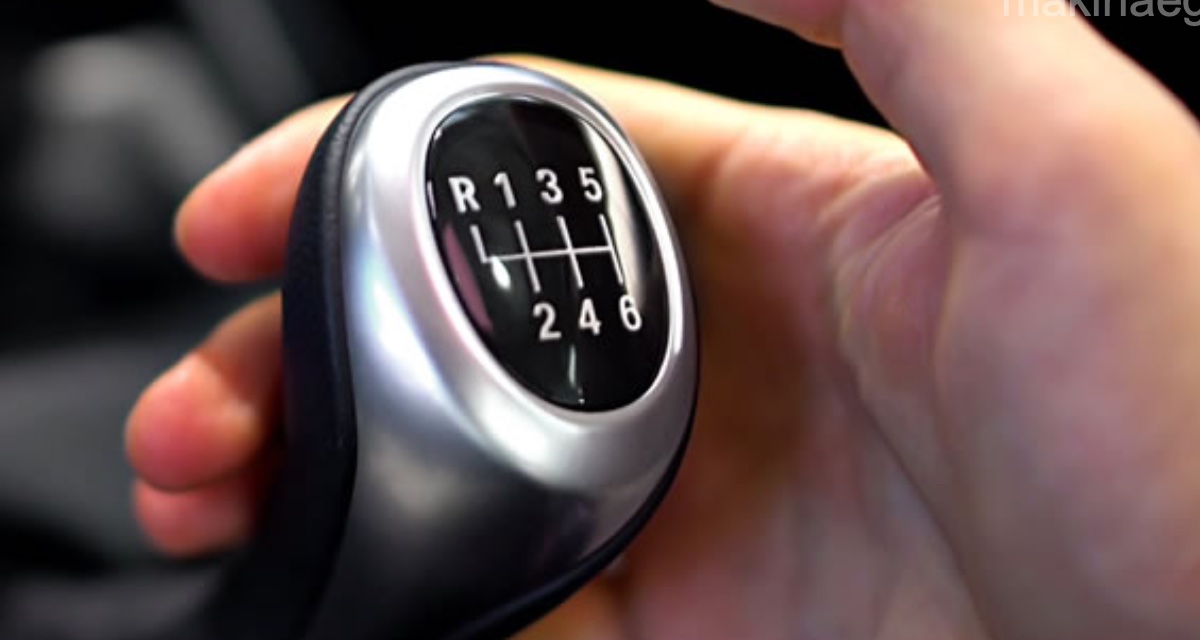
What Is Reverse Assist
Reverse Assist is a driving assistance system found especially in newer-generation vehicles, which makes reversing maneuvers like parking easier for the driver, prioritizing the safety of the driver, the vehicle, and everyone around the vehicle.
Backup Camera Resolution
Modern backup cameras generally provide clear images at 720p-1080p resolution.
Route Retracing
Some reverse assist systems can memorize the path the vehicle followed over the last 50 meters and reverse along the same route.
Obstacle Detection
The system detects moving or stationary obstacles behind the vehicle and either warns the driver or applies automatic braking.
What Does Reverse Assist Do?
We often run into serious maneuvering problems when passing through narrow, tight spaces. Most of the time, the driver needs to reverse out of that gap to make room for an approaching vehicle. Reverse Assist helps you in situations like this.
Additionally, maneuvering in such a space, including reversing, often requires many driving skills. This kind of situation often results in hitting another vehicle or other obstacles, like side walls. Maneuvers in these situations often lead to damage to the vehicle and/or property. Reverse Assist helps you safely get out of these kinds of situations with just the touch of a button.

We also encounter maneuvering problems most often in large multi-story parking lots or building parking garages. For this reason, when the driver wants to move up a level, an oncoming vehicle may block their path. Reversing in these kinds of situations is very stressful. Reverse Driving Assist records the path and uses this recording to take back control. It also automatically applies the brakes if there’s any obstacle in the way. The reverse assist then automatically returns the vehicle to its starting position.
Often, you need to reverse if the path is too narrow, or the space is too tight for two vehicles to pass. It also becomes critical when you’re on a ramp leading up to the next level of a parking lot.
How Does Reverse Assist Work?
First of all, Reverse Assist continuously records the last 50 meters of low-speed driving. This way, it accurately knows the path. Additionally, if the driver requests Reverse Assist, the system takes control. The system traces the path it just recorded, then takes over longitudinal and lateral control.
Additionally, close-range camera and ultrasonic sensor data work together through sensor data fusion. This way, the system can also enable emergency braking if it detects an imminent collision with an obstacle. For this reason, Reverse Assist takes control and safely and efficiently returns the vehicle to its starting position. Additionally, it eliminates driver stress, gives them peace of mind, and prevents damage to the vehicle and nearby property.
Components of Reverse Assist
In general, a typical reverse assist system requires two main components: first an ultrasonic sensor, and a close-range camera. The ultrasonic sensor detects distance to obstacles. It also warns the driver if an obstacle is too close to the vehicle.
Additionally, the close-range camera gives the driver a better view of the surroundings. This way, it improves the field of view and gives the driver better viewing angles. The camera helps the driver make critical maneuvering decisions.
Advantages of Reverse Assist
First of all, Reverse Assist helps the driver in a critical reversing situation and avoids stressful situations. The system reverses fully automatically, without any human intervention. It also enables automatic braking if it detects an obstacle in the path.
Additionally, the system prevents damage to the vehicle and property during critical reversing maneuvers. Finally, the system is useful for new or less-skilled drivers by taking control and helping them in difficult situations.
Watch Reverse Assist in Action
Related Questions
The system records the last 50 meters of the path the vehicle followed while moving forward. When a reverse maneuver is requested, the vehicle can follow this recorded route to reverse along the same path.
No. A backup camera only shows the view behind the vehicle; it doesn’t make decisions or intervene. Reverse assist, in addition to this view, detects obstacles and takes active steps, such as warnings or automatic braking.
Related Posts
 Lane Departure Warning System in Vehicles
 What Is Garage Park Assist, How Does It Work?
 Digital Side Mirrors and Their Advantages
 Drive By Wire Technology in Vehicles
 How Does the Start-Stop System Work?
 What Is EBD? What Does It Do? How Does It Work?
 What Is the EyeRide HUD Smart Motorcycle Helmet
 What Is the Vehicle Collision Prevention Assist System