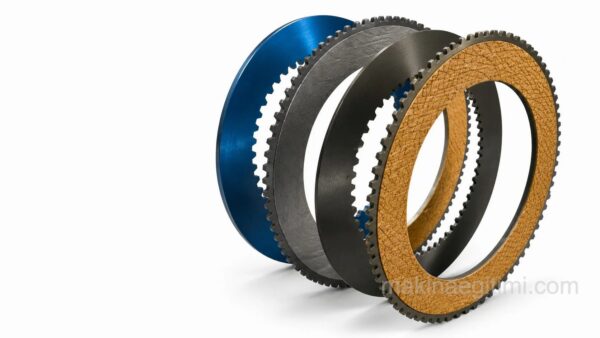
A washer is a metal machine element with a hole in the middle, used when joining parts together with bolts, nuts, and similar threaded fasteners, that prevents damage to the seating surfaces and/or helps prevent the connection from loosening on its own, even partially.


What Does a Washer Do
1- Used when the seating surface for the nut or bolt is inclined, or when the surface of the part is too rough.
2- Reduces the pressure applied to the part by distributing the nut’s clamping force over a wider surface, especially when joining soft materials (such as soft metal, wood, or hard rubber). This prevents the part from being crushed.
3- Used when the diameter of the holes the bolt will pass through in the parts being joined is larger than normal.

Load Distribution Role
Washers protect the material by spreading the pressure applied by the bolt head or nut over a larger area.
Surface Protection Function
A washer prevents the nut from scratching or crushing the material surface during tightening.
Preventing Loosening
Spring or toothed washers help prevent a connection from loosening on its own in vibrating environments.
Using a Washer for a Secure Connection
In various applications, the type of washer called a spring washer is used for a secure connection.
Spring washers make it harder for the nut to loosen on its own by maintaining constant pressure underneath it.
Although various methods exist for securing a connection, the spring washer may be preferred for being inexpensive and simple. It is also called a lock washer.
Related Questions
When the surface under the bolt or nut is rough or inclined, the clamping force concentrates on a small area and can crush or scratch the material. A washer protects the surface by spreading this force over a wider area.
A large hole can cause the bolt head to slip into the hole or seat unevenly. A washer provides a surface wide enough to cover the hole, allowing the bolt to seat firmly and evenly.
Related Posts